
PRIVATE-LABEL MANUFACTURING
OEM Dental Surgical Instruments: From Product Brief to Bulk Production
For a dental brand or distributor, OEM sourcing is not merely placing a logo on an existing product. A scalable program for instrumentos quirúrgicos dentales should connect market positioning, specifications, sample approval, quality control, packaging and replenishment.
Review HDY OEM & ODM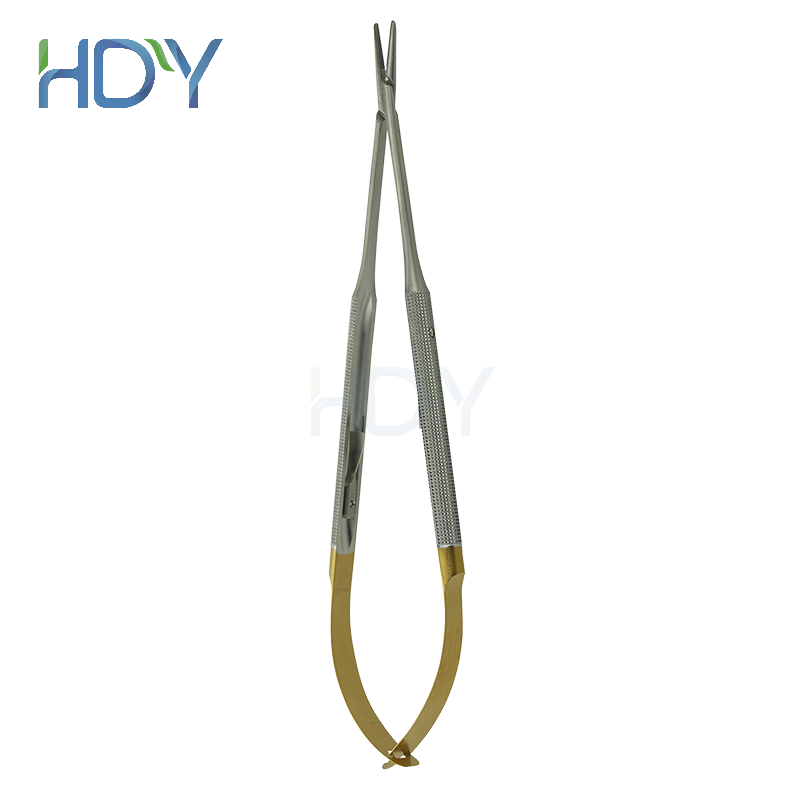
Who Benefits From OEM and ODM?
Dental supply distributors may want a differentiated house brand. Established dental brands may need an additional manufacturing partner. Clinic groups can seek standardized purchasing, while universities and professional partners may pursue specialized designs. Search phrases such as HDY dental group dental surgical instruments, “private label dental instruments manufacturer,” “wholesale surgical dental instruments” and “custom dental instrument supplier China” reflect this commercial intent.
A Seven-Stage Development Workflow
Commercial brief
Define market, customer segment, target price, estimated annual volume and launch schedule.
Technical definition
Provide item codes, drawings, samples, dimensions, handle preferences, finish and intended function.
Feasibility review
The manufacturer reviews materials, manufacturing method, tooling, MOQ and technical risks.
Sampling
Evaluate dimensions, working ends, balance, articulation, surface quality, marking and packaging.
Approval standard
Record the approved sample and specification so production and incoming inspection use the same reference.
Bulk manufacturing
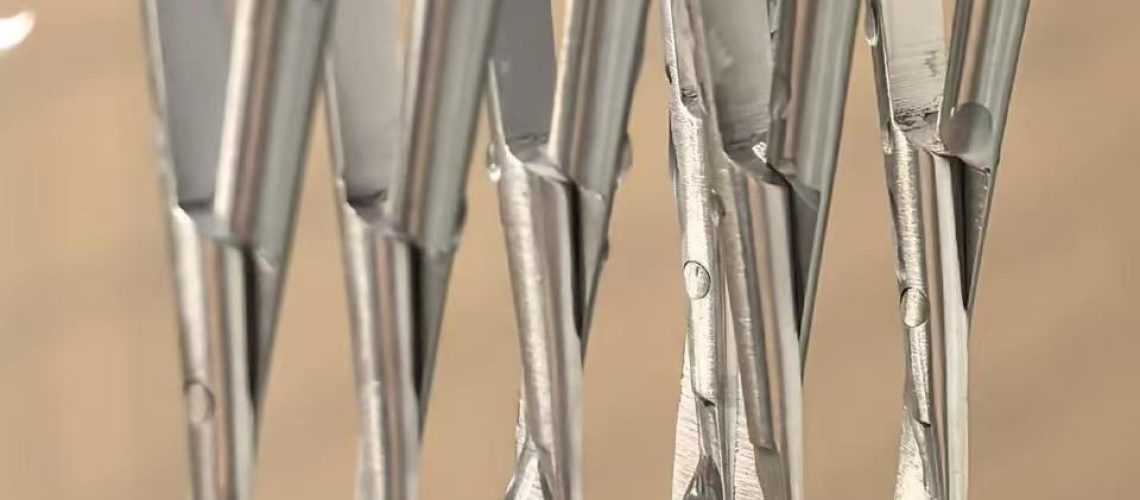
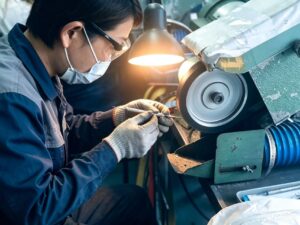
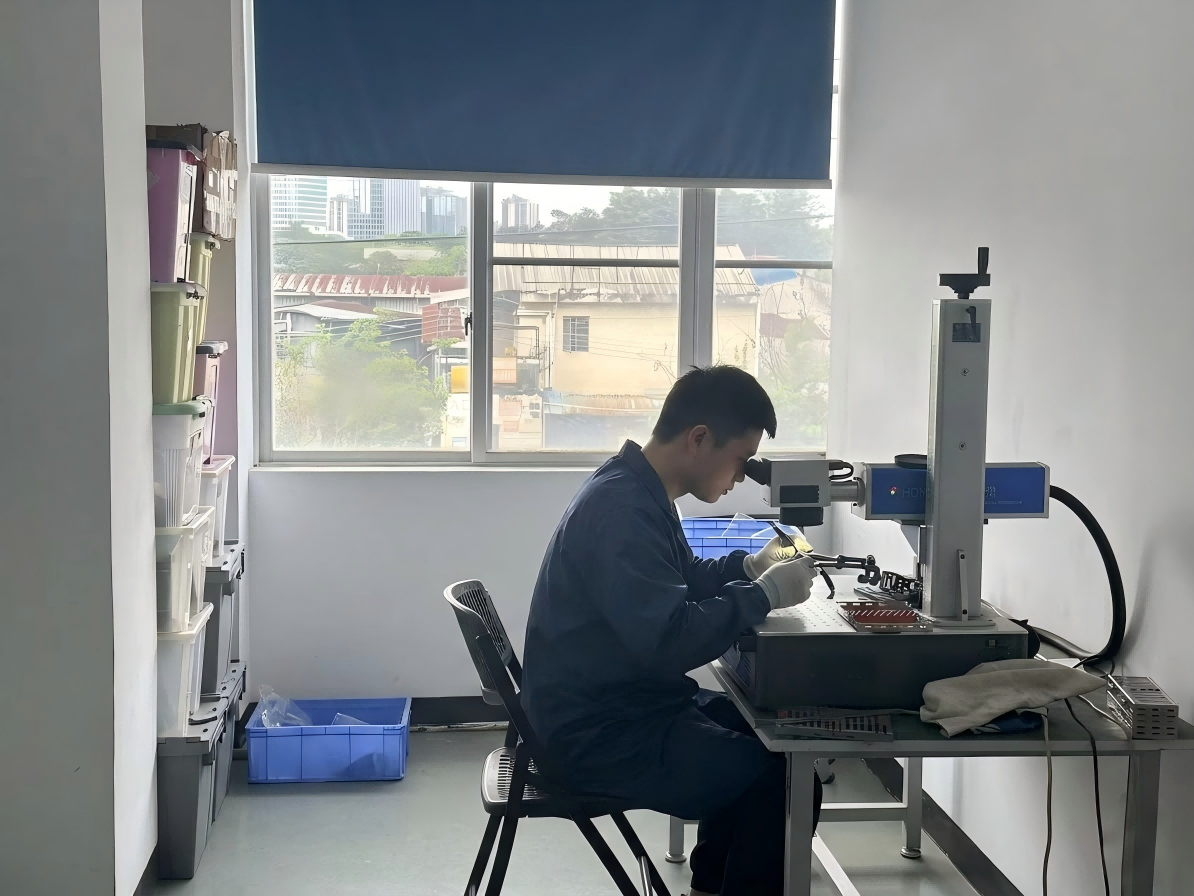
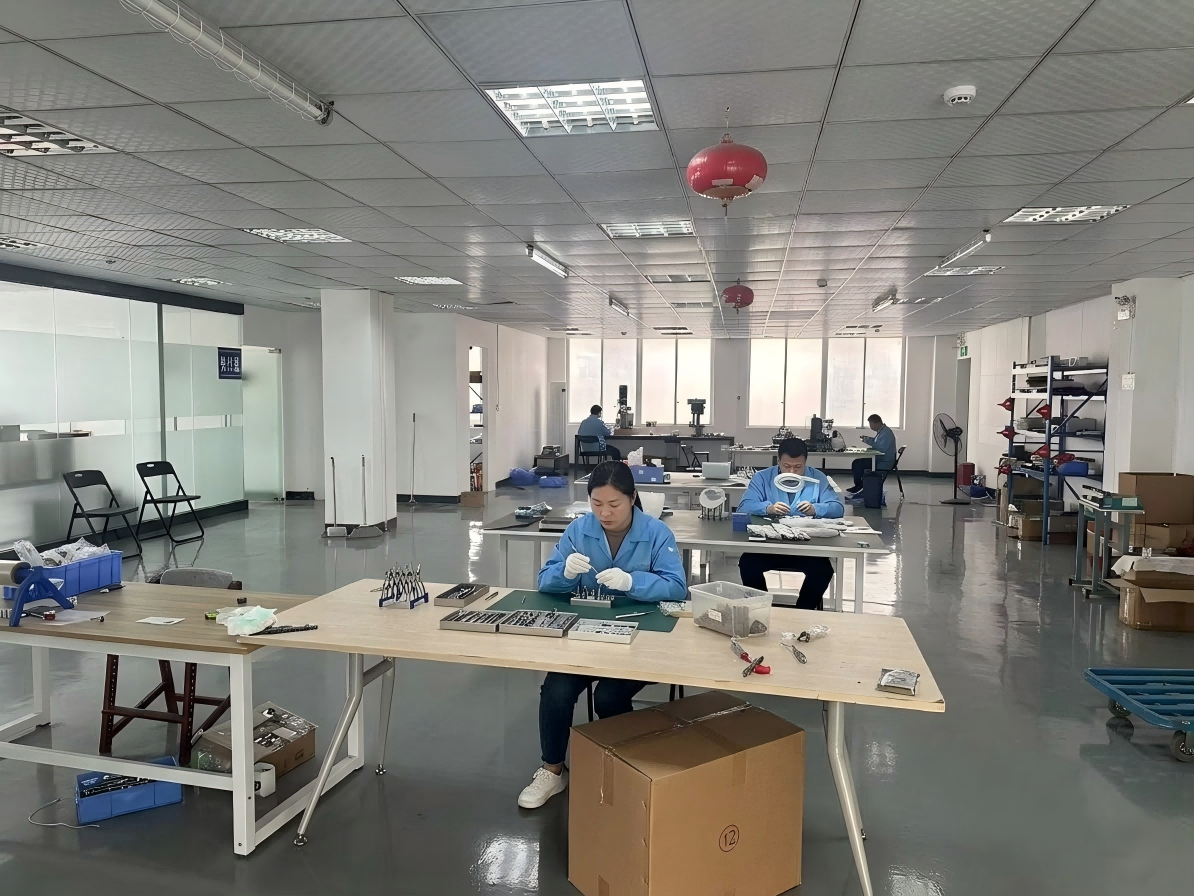
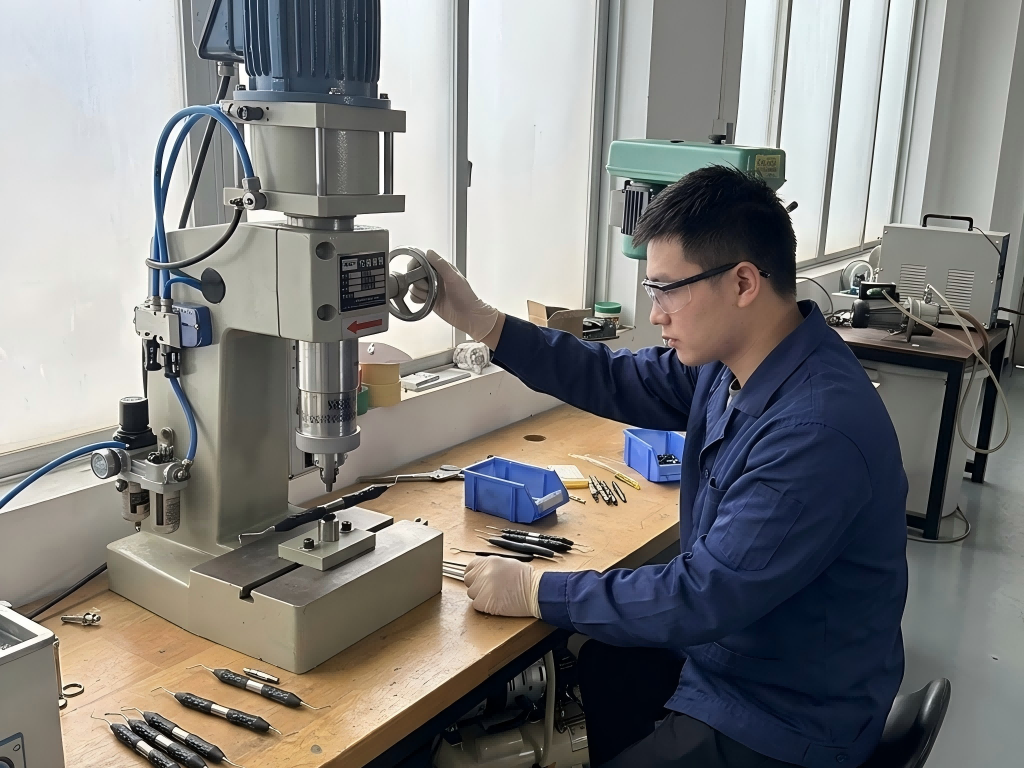
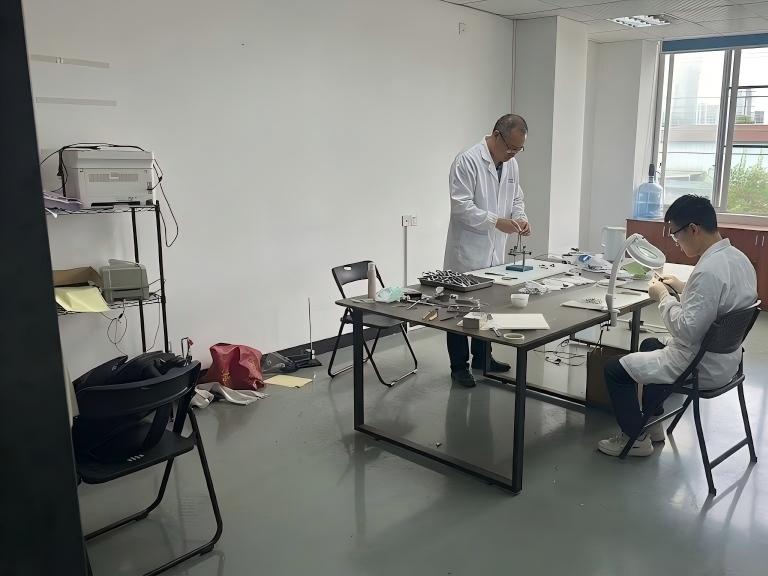
Production may include machining, heat treatment, finishing, passivation, assembly and laser marking.
Inspection and shipment
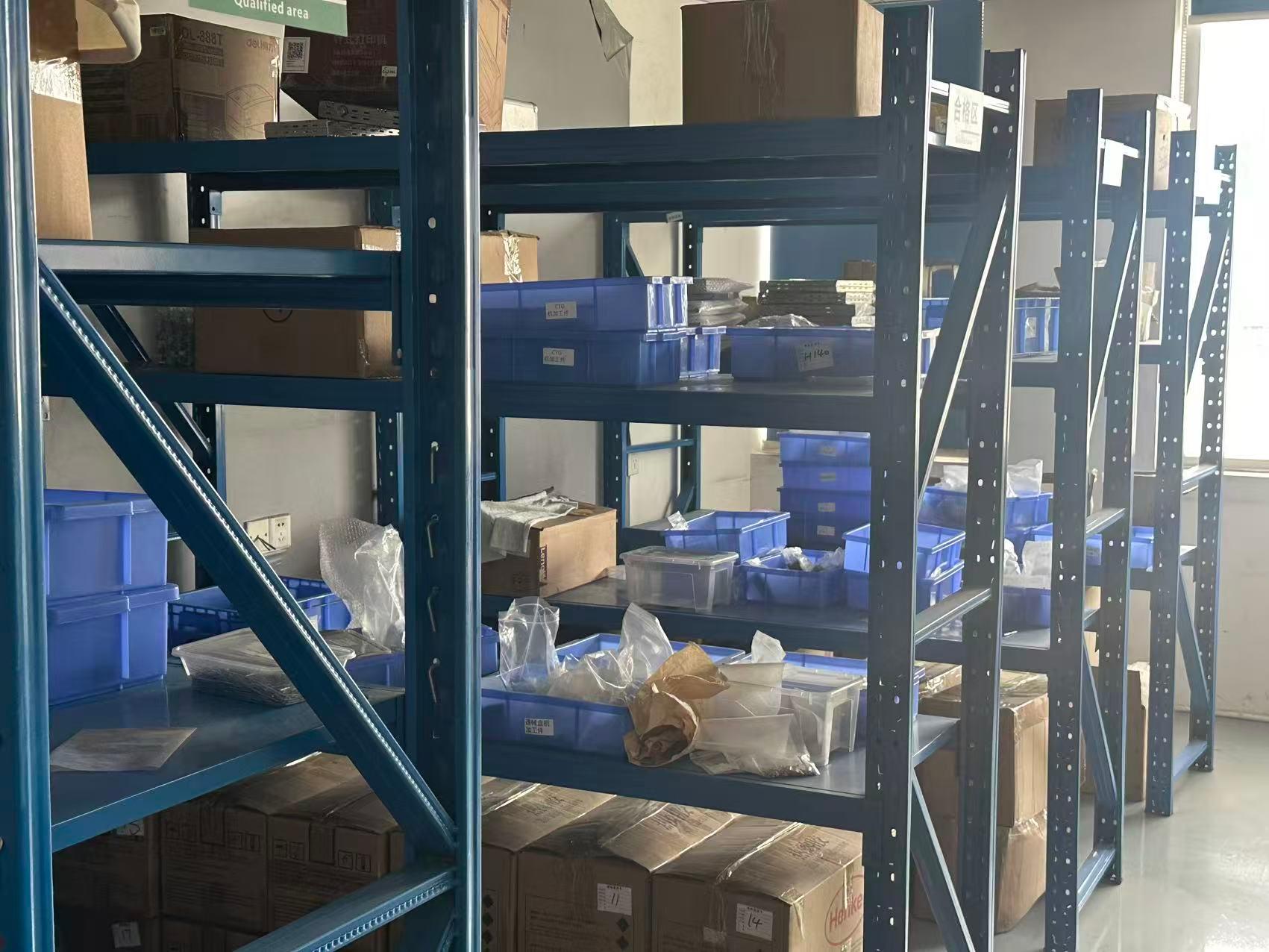
Verify appearance, dimensions, function, quantities, labels and packaging before release.
Customization Options for Surgical and Dental Instruments
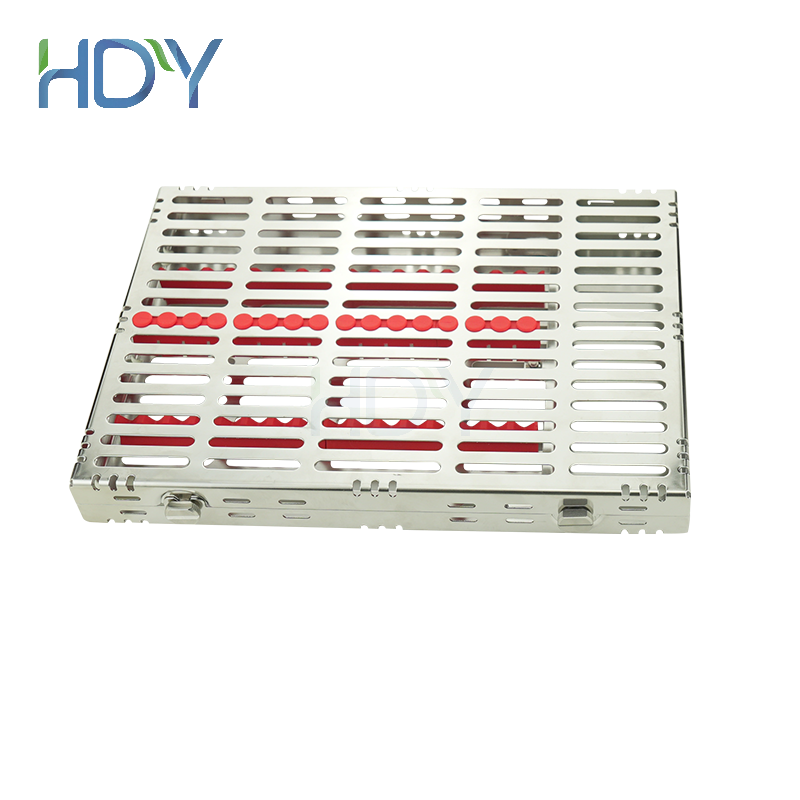
Depending on feasibility, an OEM program can include instrument geometry, handle type, surface finish, color identification, laser-engraved logo, SKU marking, branded boxes and customized instrument cassettes. Changes affecting function require careful engineering and clinical evaluation. Buyers should never assume that a cosmetic reference is a complete technical specification.
How HDY Describes Its Manufacturing Control
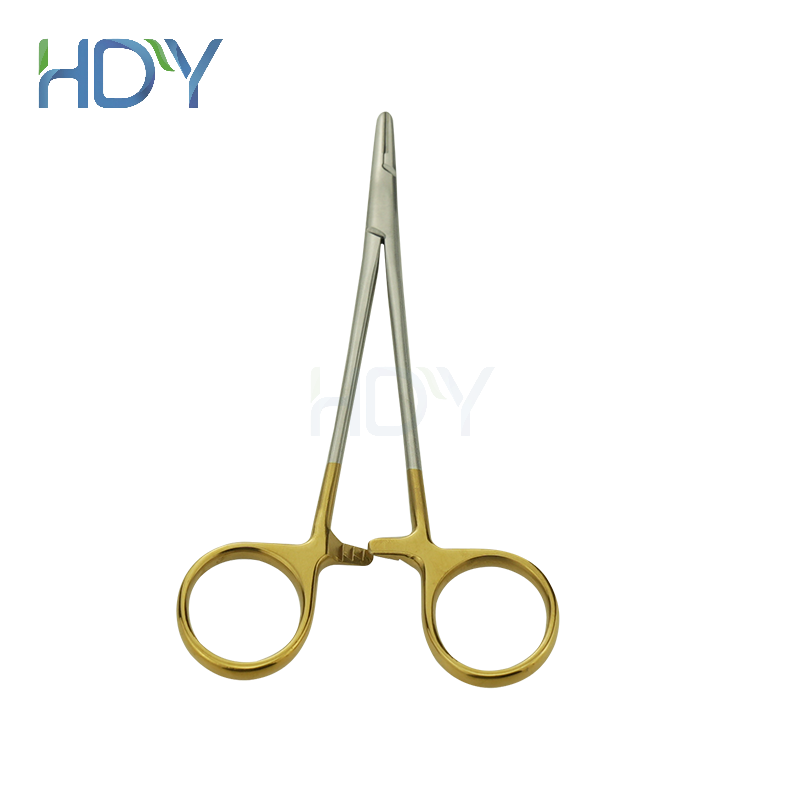
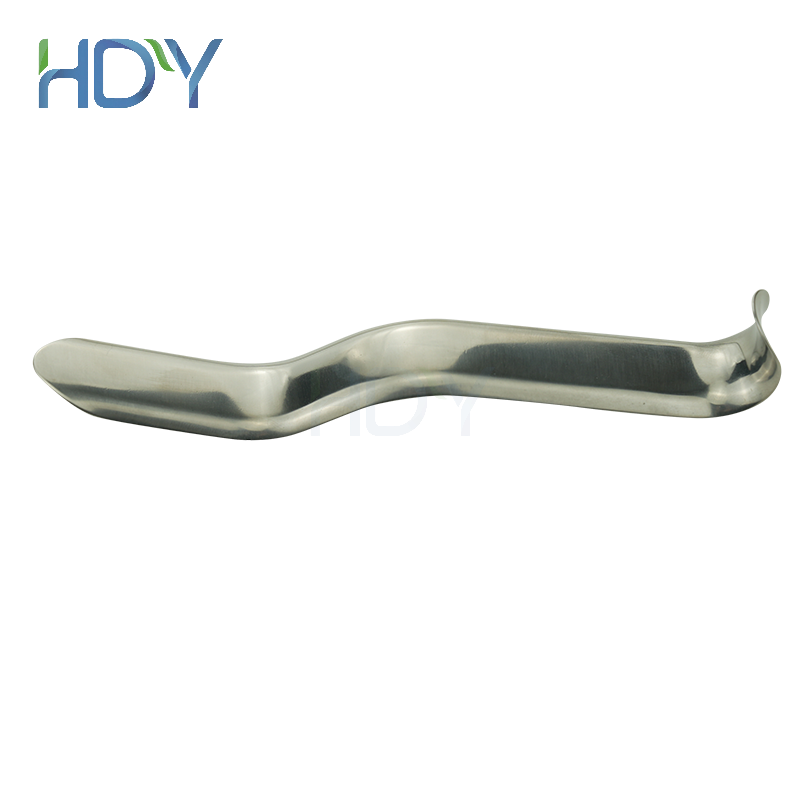
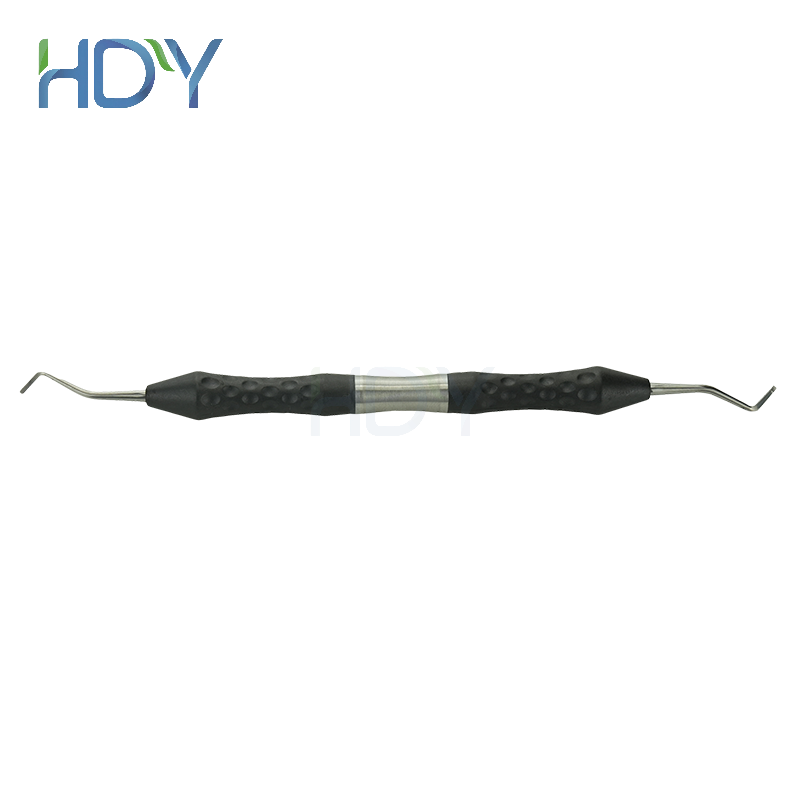
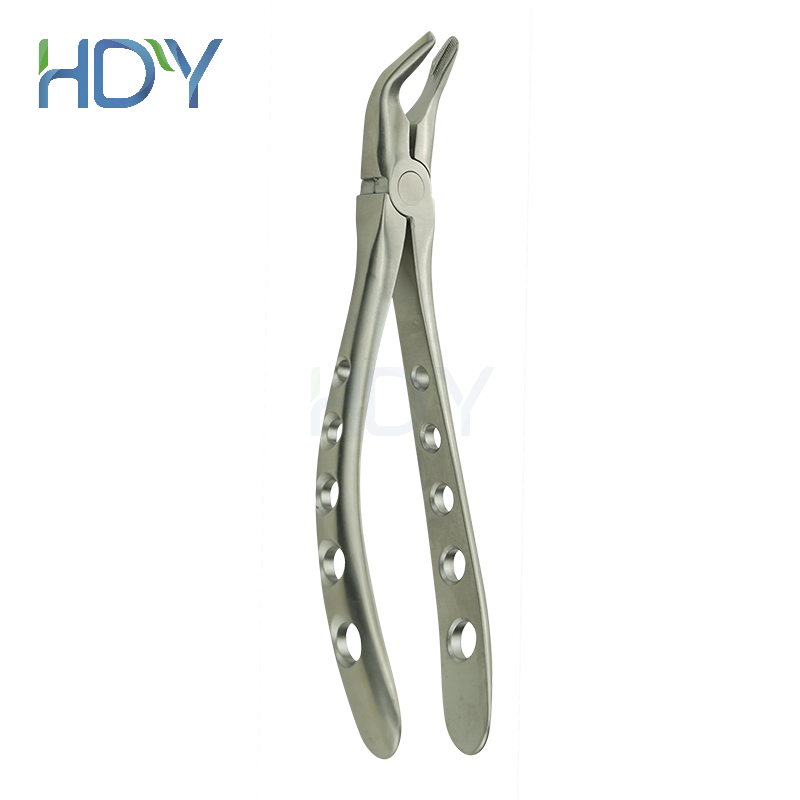
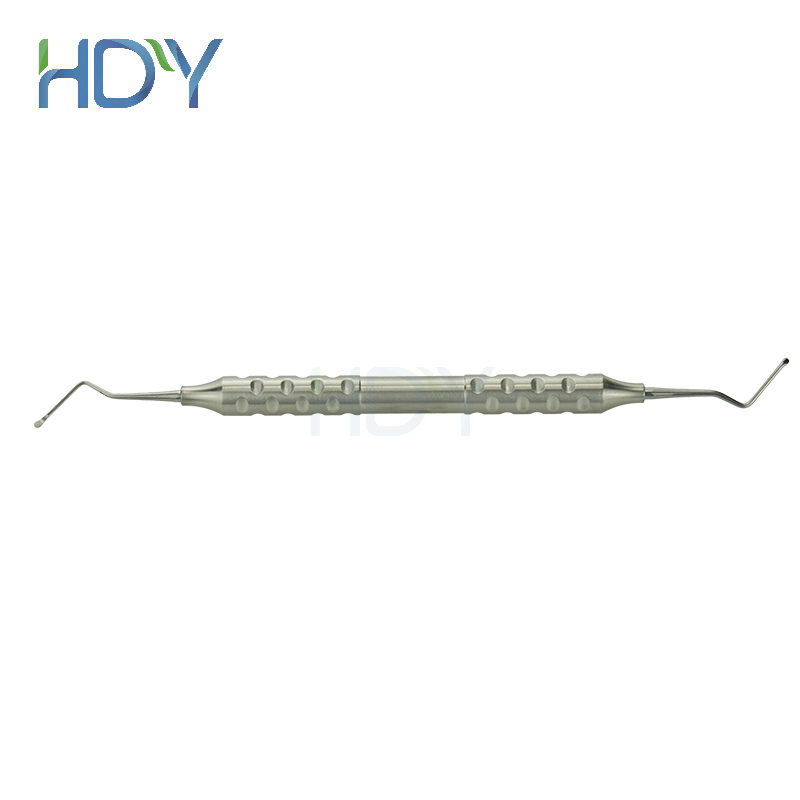
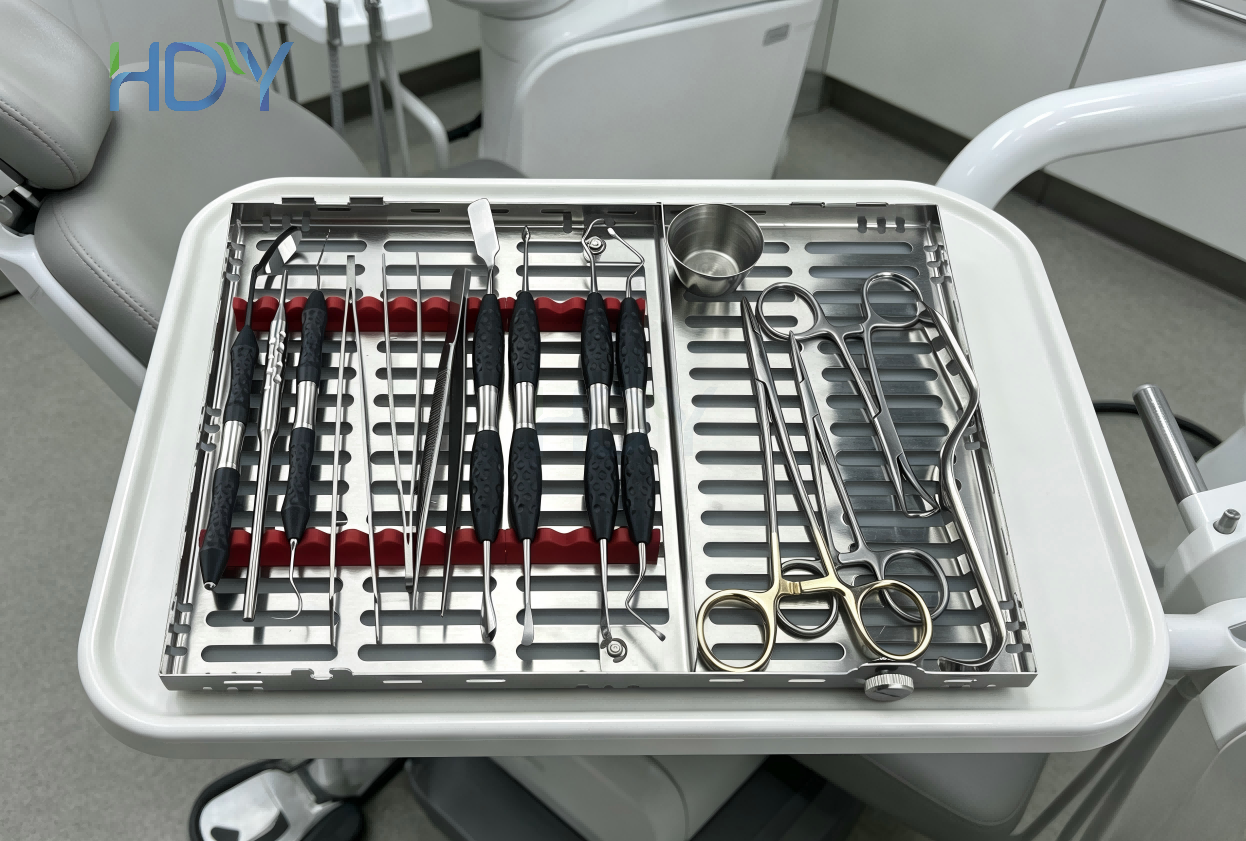
HDY states that its workflow includes product design, CNC precision processing, heat treatment, mirror polishing or satin finishing, laser marking, passivation, assembly inspection and final inspection. Its surgical range includes cinceles dentales, luxating elevators, cheek retractors, periosteals, periotomes and surgical curettes. Buyers can also combine these with hinged instruments such as forceps, needle holders, scissors and tissue pliers.
What to Put in an RFQ
- Company, destination market and buyer type
- Product names, codes, reference samples or drawings
- Trial quantity, forecast volume and target order frequency
- Required material, handle and surface finish
- Logo artwork, SKU system and packaging dielines
- Required documentation and local compliance expectations
- Incoterm, delivery address and requested date
Avoid These Common Sourcing Mistakes
Do not approve an entire line from photographs alone. Do not compare quotations that use different specifications or packaging. Do not publish unsupported certification claims. Do not begin mass production before logo, sample and packaging approval. Finally, do not overuse awkward phrases such as “surgical instruments dental” in customer-facing copy; keywords should be incorporated naturally so the page remains credible and readable.
Building a Long-Term Wholesale Program
A strong OEM relationship depends on specification control, consistent communications and data from repeat orders. Track defect types, replenishment frequency, customer preferences and fast-moving SKUs. This information helps both buyer and manufacturer improve the line over time. For dental and surgical instruments, stable quality and continuity usually create more value than repeatedly switching suppliers for a small unit-price difference.
 Español
  English
  简体中文
简体中文  Deutsch
  Français