

B2B PROCUREMENT GUIDE
Dental Surgical Instruments: A Practical Buyer’s Guide for Distributors and Clinics
Choosing a reliable source for instruments chirurgicaux dentaires requires more than comparing unit prices. Buyers must evaluate instrument design, material selection, manufacturing consistency, product breadth, quality inspection, customization and after-sales communication.
Qu'est-ce qu'un instrument chirurgical dentaire ?
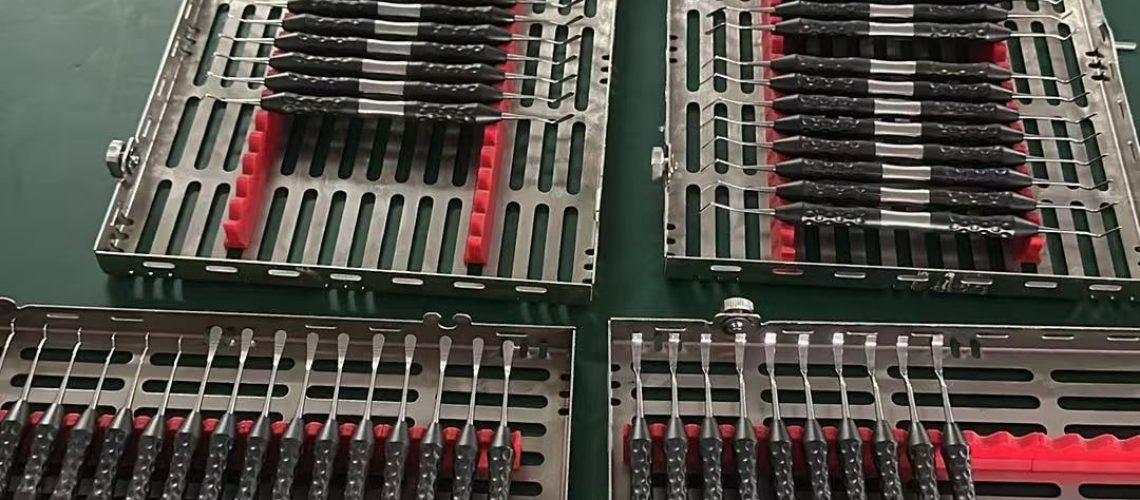
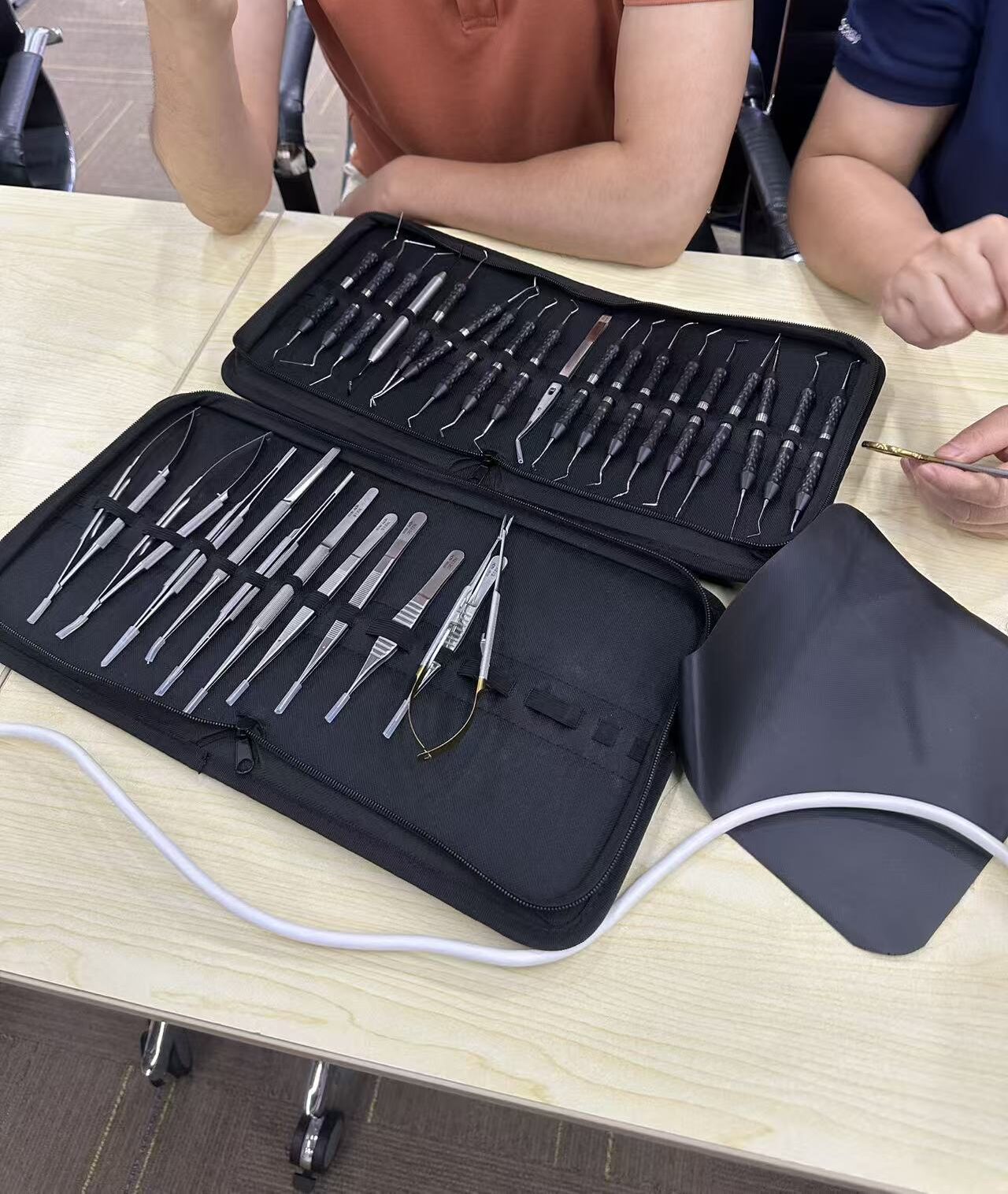
The term covers reusable hand instruments used during oral surgery and related clinical procedures. A professional portfolio may include aspirators, dental chisels, cheek retractors, luxating elevators, periosteals, periotomes, scalpel handles or blades, surgical curettes and hinged instruments. Buyers searching for surgical and dental instruments, surgical instruments dental ou surgical dental instruments are usually looking for the same commercial outcome: dependable instruments that can be incorporated into a clinic, hospital, distributor or private-label product line.
Core Categories to Include in a Procurement Plan
Access and visibility
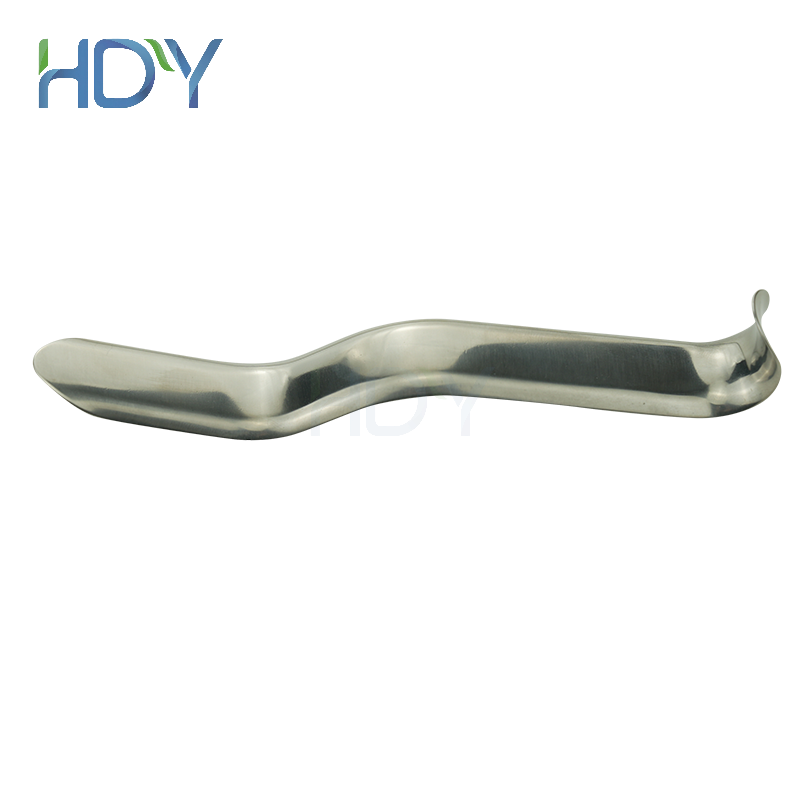
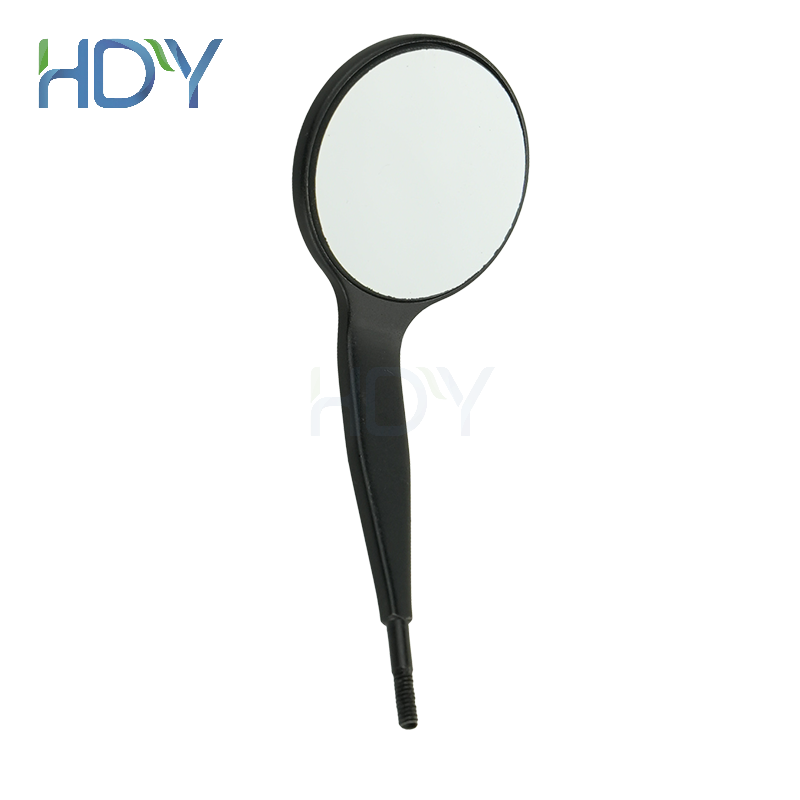
Cheek retractors and aspirators help maintain access to the operating field. Explore HDY’s écarteurs de joues et aspirateurs dentaires.
Extraction and tissue work
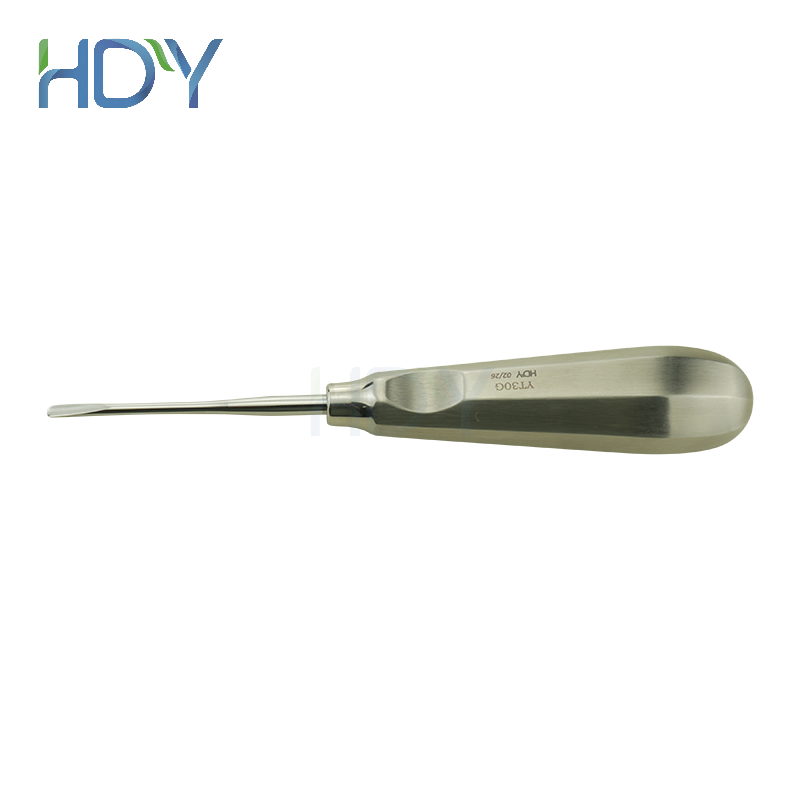
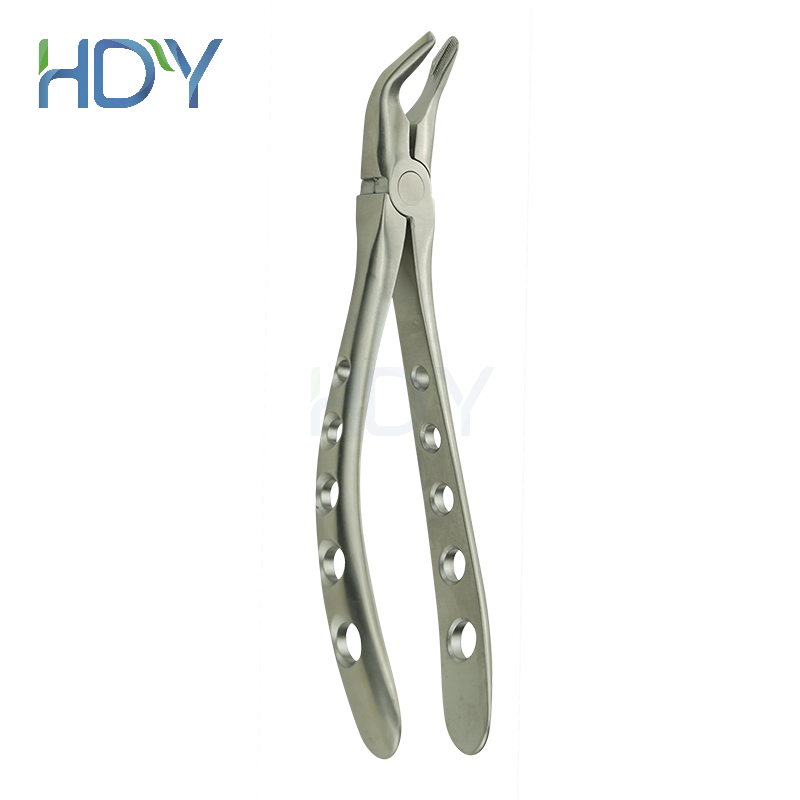
Elevators, periotomes and periosteals support different stages of atraumatic extraction and flap management. Compare the luxator elevator range.
Cutting and curettage
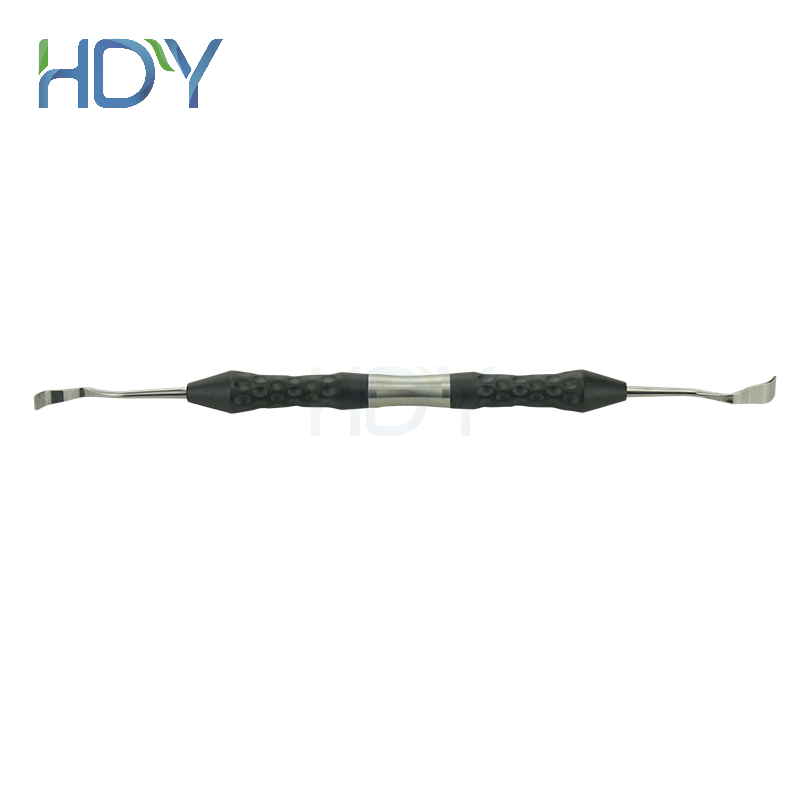
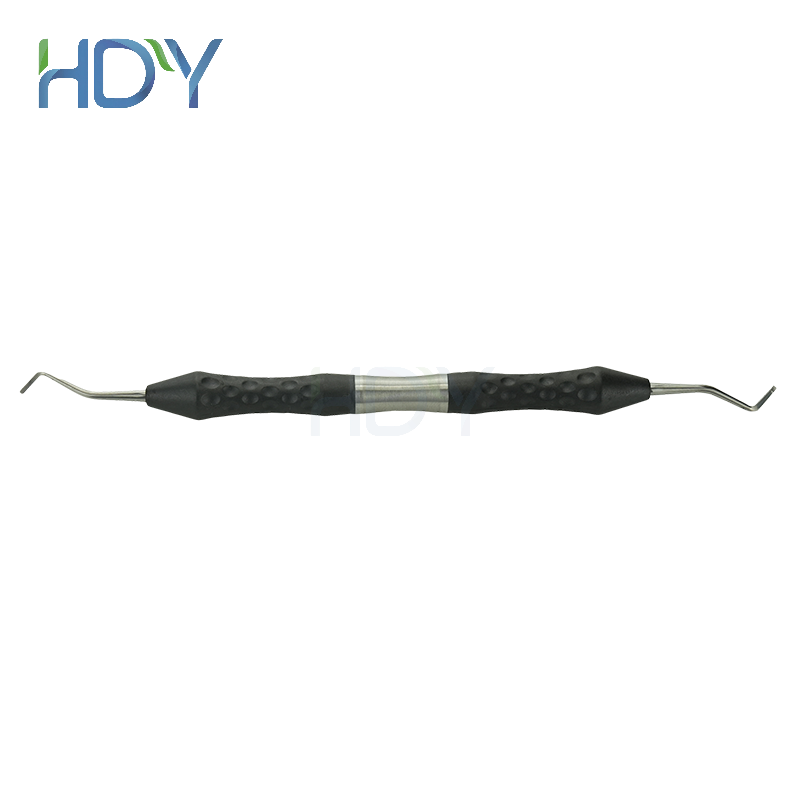
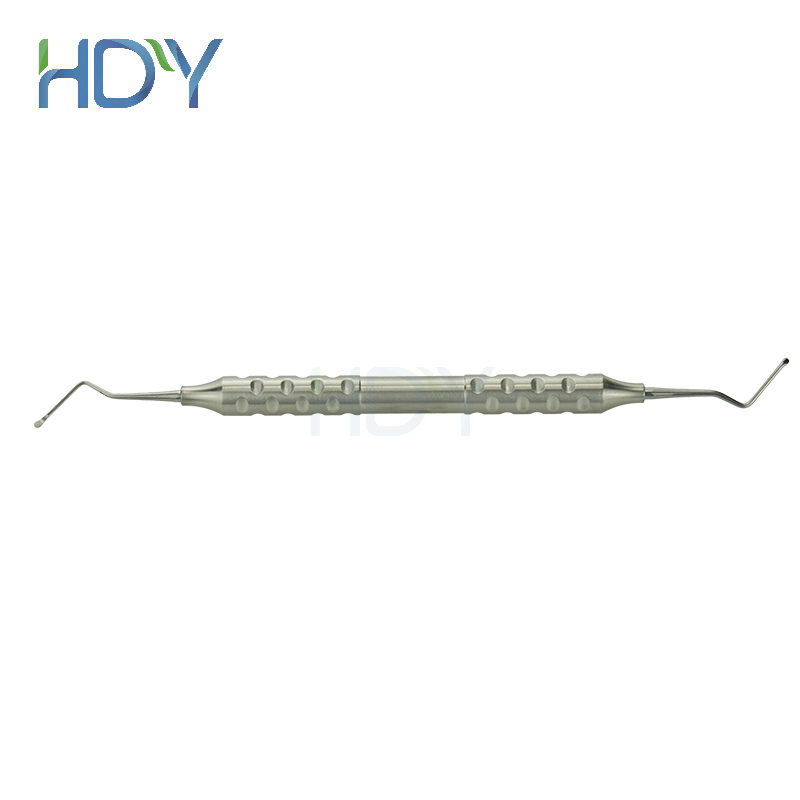
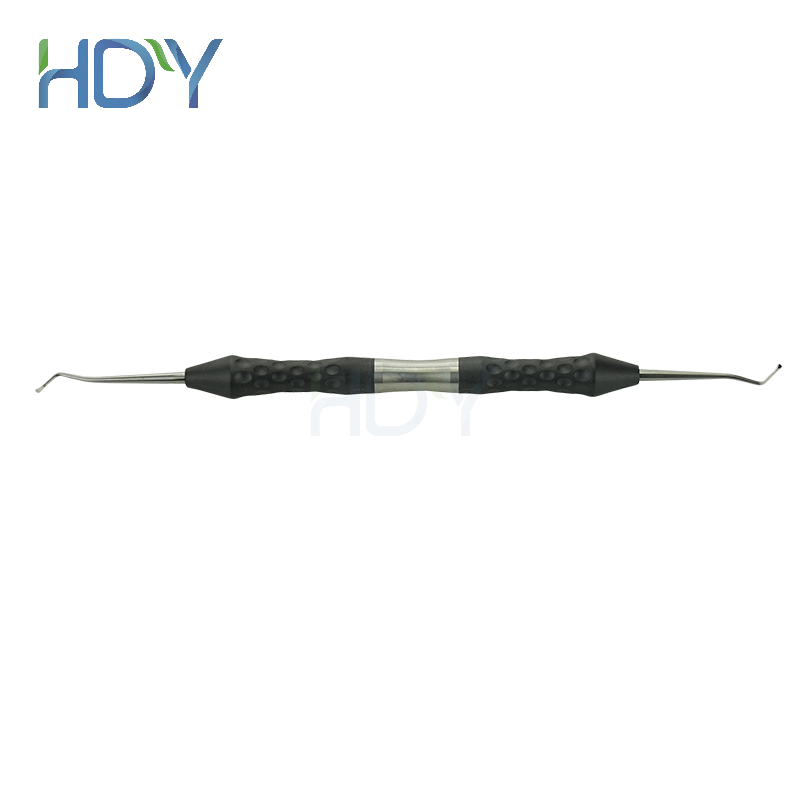
Chisels and surgical curettes require consistent working ends, appropriate geometry and comfortable handles. View ciseaux dentaires et curettes chirurgicales.
Seven Questions Every B2B Buyer Should Ask
- Is the supplier a manufacturer? Direct manufacturing supports clearer technical communication, stable repeat orders and customization.
- How are materials selected? Ask for the material specification appropriate to each instrument rather than assuming every instrument uses identical steel.
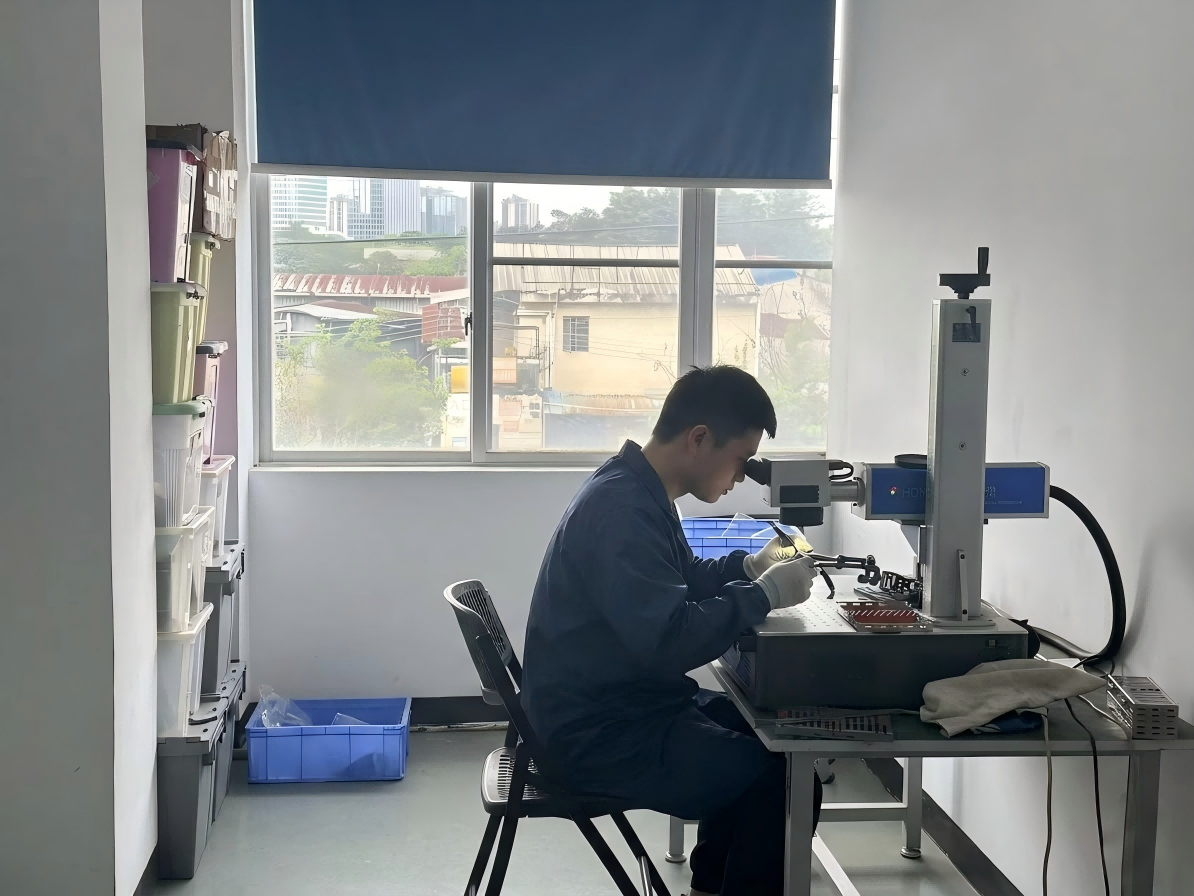
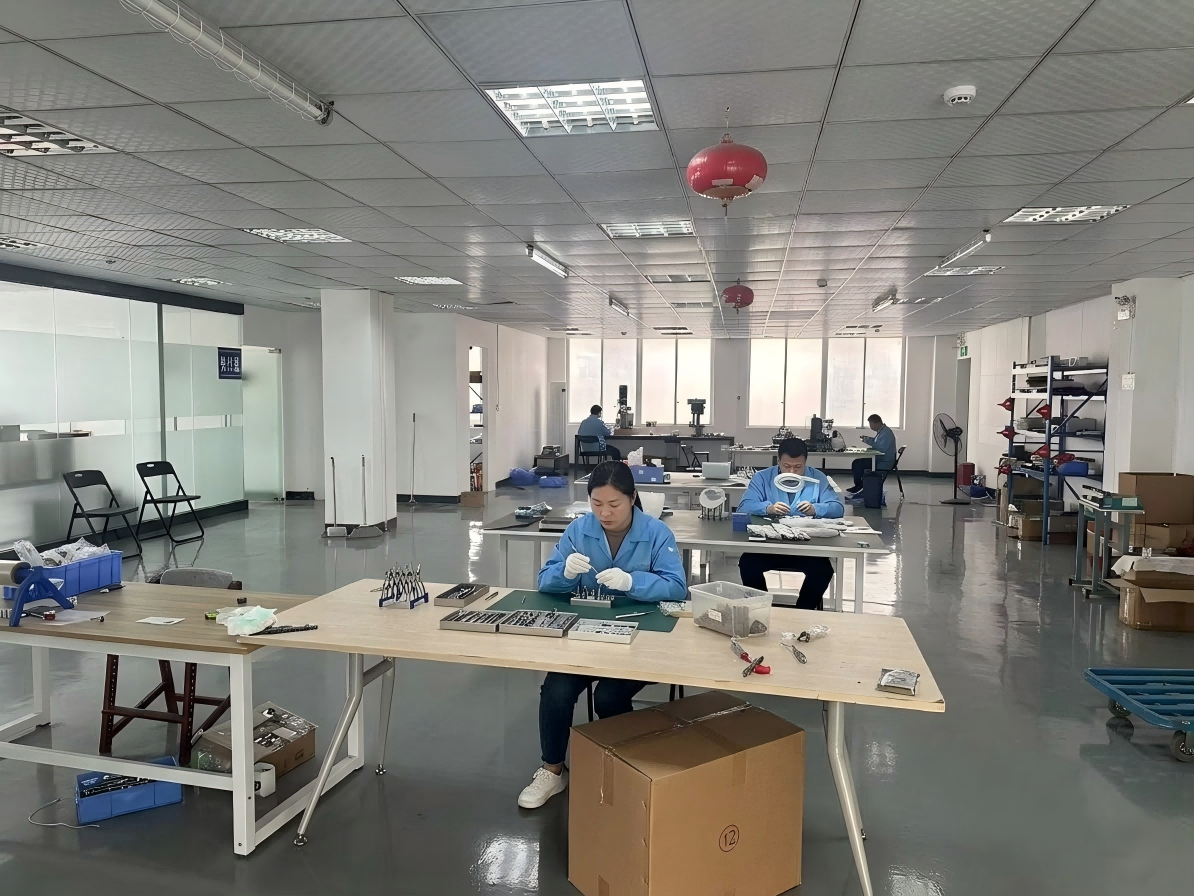
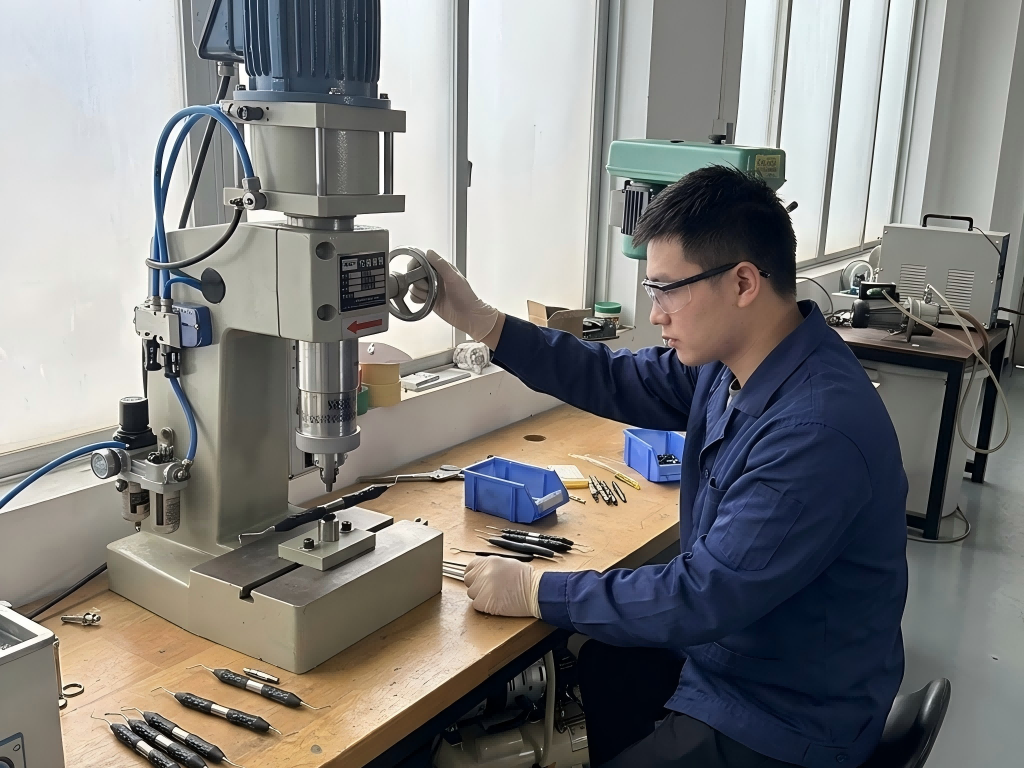
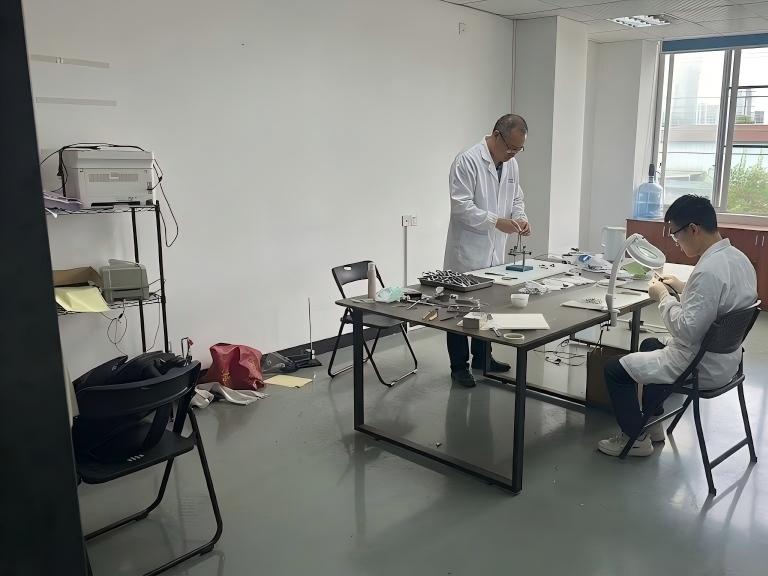
- Which processes are controlled? Machining, heat treatment, polishing, passivation, assembly and functional inspection influence performance.
- Can samples be evaluated? Trial orders let distributors review grip, balance, surface finish, alignment and packaging before bulk ordering.
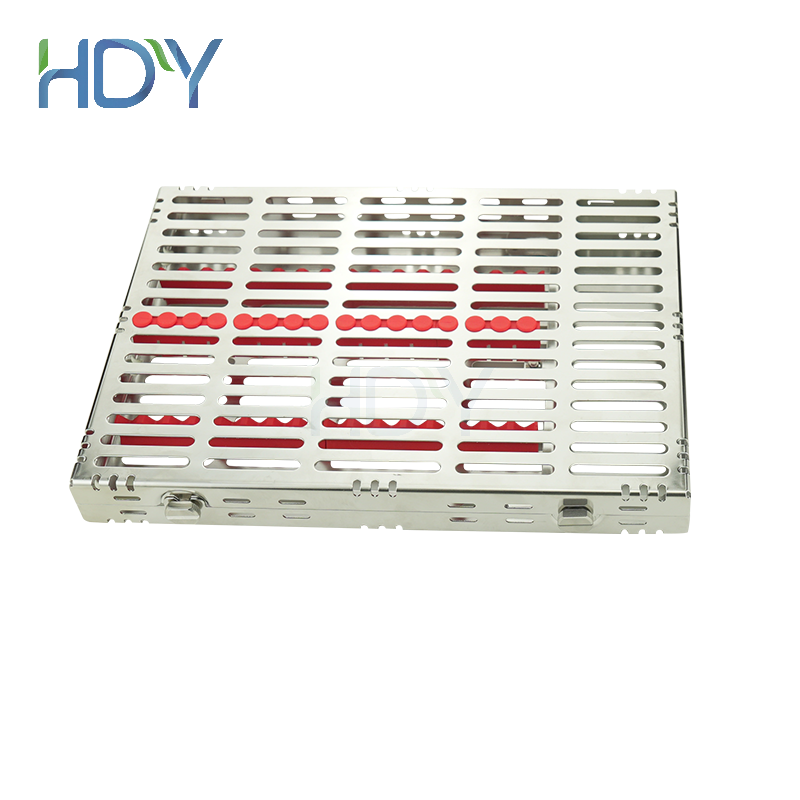
- Is OEM/ODM available? Private-label buyers may need laser marking, handle variation, branded packaging and custom cassette configurations.
- Can the supplier maintain consistency? Repeatability is essential when replenishing a catalog over multiple production runs.
- What documentation is available? Request relevant product and quality documents for the intended destination market; buyers remain responsible for local registration and compliance checks.
Why Procurement Price Is Not the Same as Total Cost
A low quotation can become expensive when products arrive with inconsistent tips, rough hinges, weak markings, mixed packaging or specifications that do not match the approved sample. For dental instrument wholesalers and dental supply distributors, total cost also includes incoming inspection, complaints, replacements, inventory delays and reputational risk. A better comparison uses approved specifications, sample performance, production lead time, packaging, freight terms and quality-control commitments.
HDY Dental Group Dental Surgical Instruments for B2B Supply
Buyers researching HDY dental group dental surgical instruments can review HDY Medical Technology’s manufacturing offer directly. According to the company website, HDY produces dental and oral surgical instruments and supports design, precision processing, heat treatment, surface finishing, laser marking, OEM/ODM development and final inspection. The portfolio extends beyond surgery to diagnostic instruments, endodontic instruments, hinged instruments, operative products and cassettes dentaires.
How to Request an Accurate Quote
Send a product list with item names or codes, target quantity, preferred handle, finish, logo, packaging, destination country and required delivery date. For a custom project, include drawings, samples or reference images. This allows a manufacturer to assess feasibility, tooling, sample requirements, MOQ and production lead time before issuing a commercial offer.
Conclusion
The best dental and surgical instruments purchasing decision is based on repeatable quality, appropriate specifications and dependable supply—not keywords or price alone. Start with samples, document the approved standard, then scale to wholesale or private-label production with clear inspection criteria.
 Français
  English
  简体中文
简体中文  Español
  Deutsch