
10 Key Steps to Extend Instrument Life and Maintain Sterilization Quality
Introduction: Why Proper Handling of New Dental Instruments Matters
Dental instruments are precision medical devices designed to support accurate diagnosis, efficient treatment, and patient safety. Whether they are dental explorers, periodontal probes, surgical forceps, elevators, scissors, or restorative instruments, their performance depends not only on manufacturing quality but also on correct handling, cleaning, sterilization, and maintenance procedures.
Many dental clinics invest in high-quality instruments but overlook the importance of the first preparation process after receiving new instruments. Improper initial handling may affect surface quality, corrosion resistance, sharpness, and long-term sterilization performance.
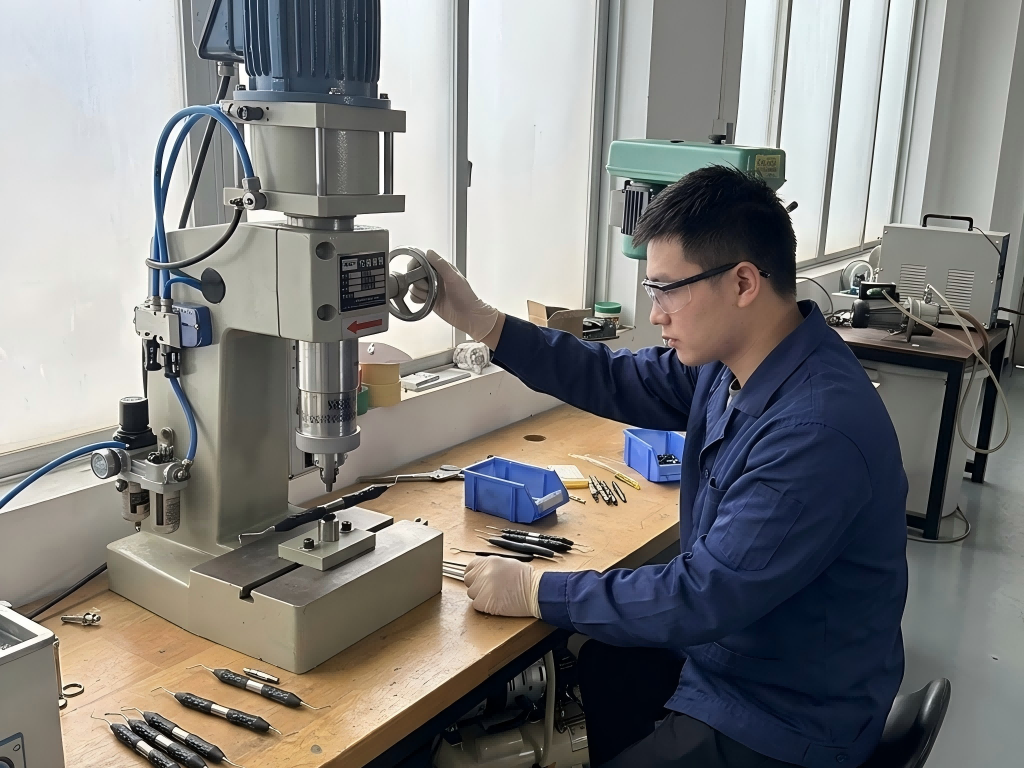
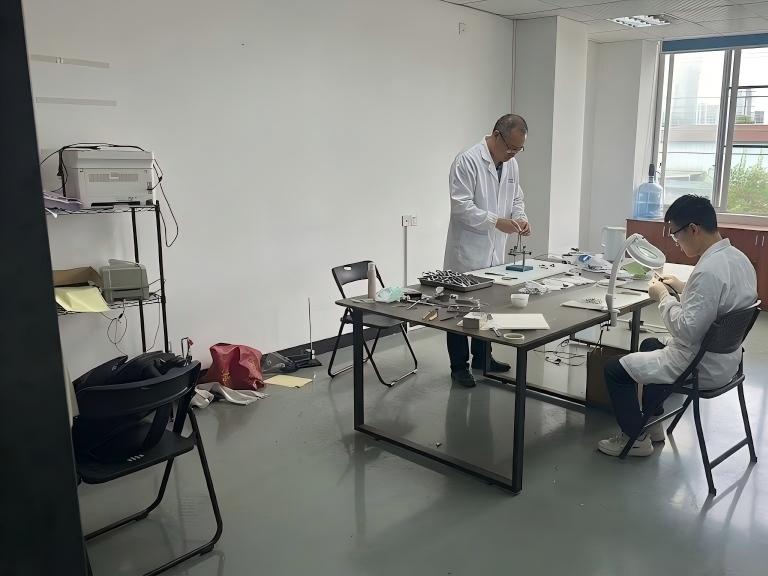
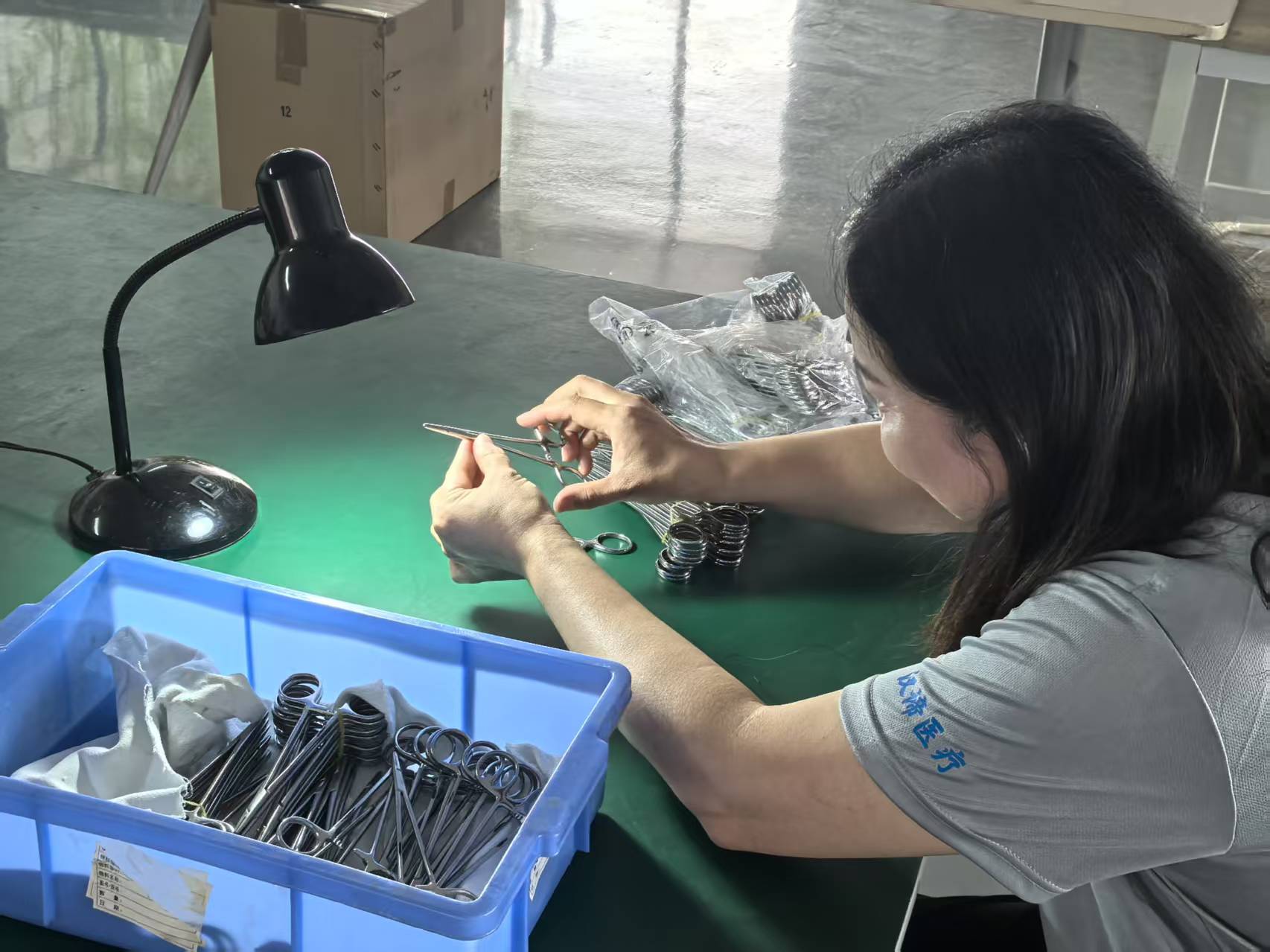
As a professional dental instrument manufacturer, HDY Dental recommends establishing a standardized instrument management process from the moment new instruments arrive at the clinic. Proper care can significantly extend service life while ensuring reliable infection control performance. HDY Dental specializes in precision dental instruments manufactured from high-quality materials and designed for repeated clinical use and sterilization.
Here are the 10 essential steps recommended for maintaining dental instrument lifespan and sterilization quality.
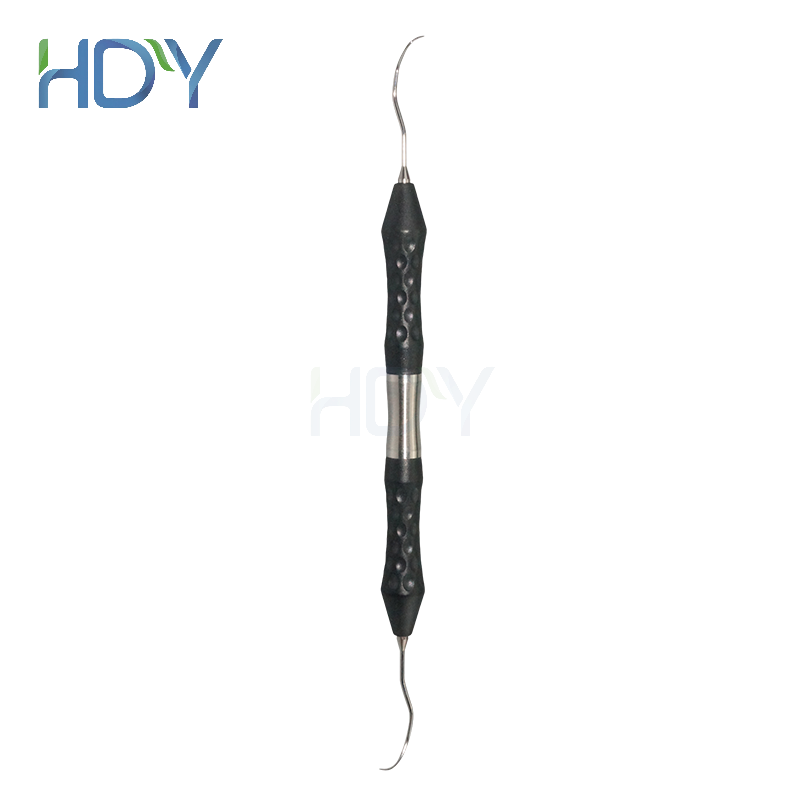
1. Inspect Instruments Immediately After Receiving
Before using any new dental instrument, carefully inspect each item.
Dental professionals should check:
- Instrument surface condition
- Sharpness and working edges
- Handle stability
- Joint movement
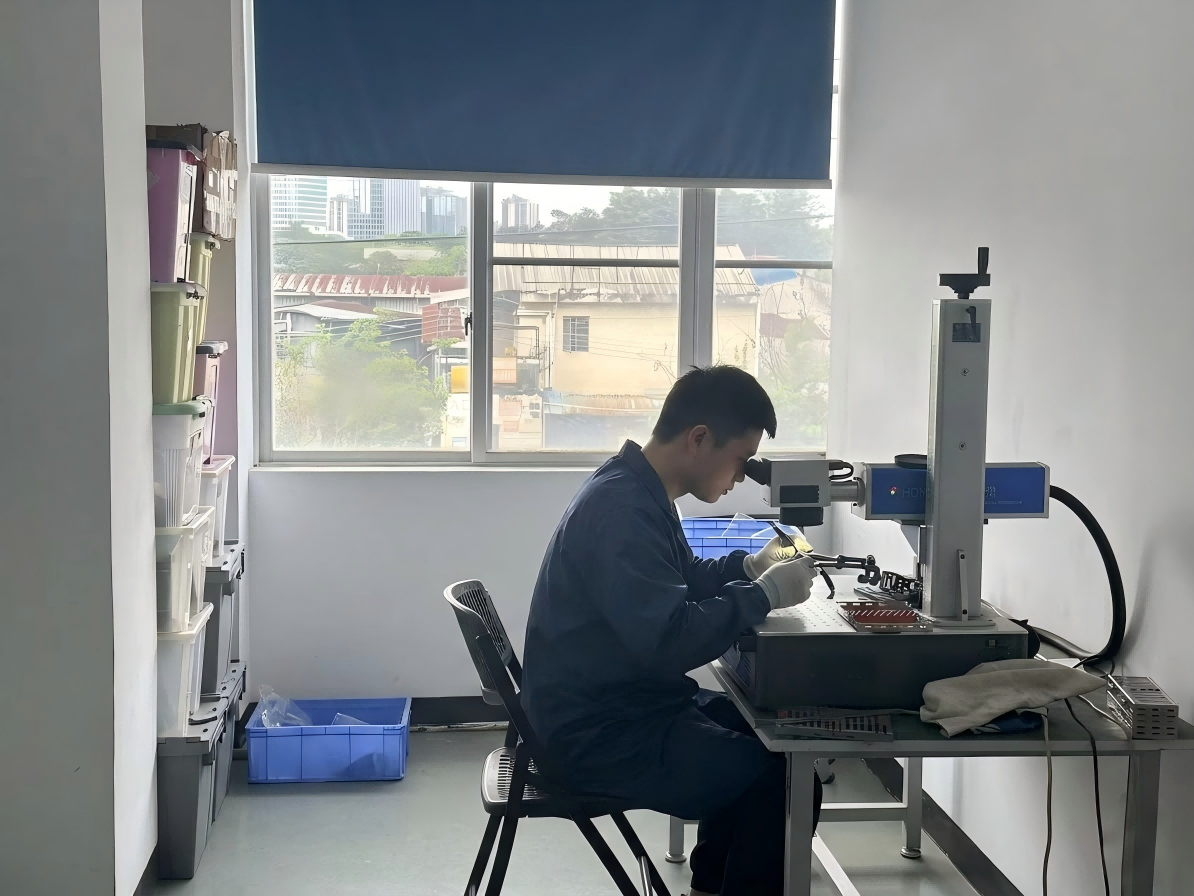
- Laser markings and product identification
- Any scratches, stains, or manufacturing defects
A professional manufacturer performs strict quality control before shipment, but incoming inspection helps clinics establish accurate inventory records and identify any issues early.
HDY Dental recommends recording instrument models, quantities, and inspection results to create a complete traceability system.
2. Remove Protective Packaging Properly
New dental instruments are usually protected during transportation with packaging materials designed to prevent contamination and mechanical damage.
When opening new instruments:
- Avoid using sharp objects that may scratch the surface
- Remove protective films carefully
- Do not stack instruments randomly
- Keep instruments in a clean environment before processing
Scratches or surface damage may create areas where contaminants accumulate and may reduce corrosion resistance over time.
3. Perform Initial Cleaning Before First Sterilization
Even brand-new instruments should be cleaned before their first clinical use.
The initial cleaning process removes:
- Manufacturing residues
- Packaging dust
- Handling contaminants
- Protective oils or processing residues
Recommended procedures include:
- Rinse with clean water
- Use neutral pH instrument detergent
- Follow manufacturer cleaning instructions
- Thoroughly rinse and dry before sterilization
Avoid aggressive chemicals that may damage stainless steel surfaces.
4. Use Proper Cleaning Methods After Every Procedure
Cleaning is the foundation of successful sterilization.
After each dental procedure:
- Remove biological residues immediately
- Avoid allowing blood or tissue materials to dry on instruments
- Use approved enzymatic cleaners when necessary
- Follow automated or ultrasonic cleaning protocols
Dried contaminants are more difficult to remove and may reduce sterilization effectiveness.
HDY Dental recommends using gentle cleaning processes to protect instrument finishing, edges, and mechanical performance.
5. Avoid Improper Chemical Exposure
Dental instruments are designed to withstand professional sterilization environments, but incorrect chemical exposure can shorten their lifespan.
Avoid:
- High concentrations of chlorine solutions
- Strong acidic cleaners
- Unapproved disinfectants
- Long-term soaking in chemicals
High-quality stainless steel instruments provide excellent corrosion resistance, but proper chemical management remains essential.
6. Dry Instruments Completely Before Sterilization
Moisture left on instruments can contribute to:
- Water spots
- Mineral deposits
- Surface corrosion
- Reduced sterilization efficiency
Before packaging:
- Dry instruments completely
- Check joints and narrow areas
- Open hinged instruments when required
Dry instruments are easier to inspect and maintain.
7. Package Instruments Correctly for Sterilization
Proper packaging protects instruments after sterilization.
Recommended practices:
- Use approved sterilization pouches or cassettes
- Avoid overloading packages
- Keep hinged instruments open when appropriate
- Separate delicate instruments from heavy instruments
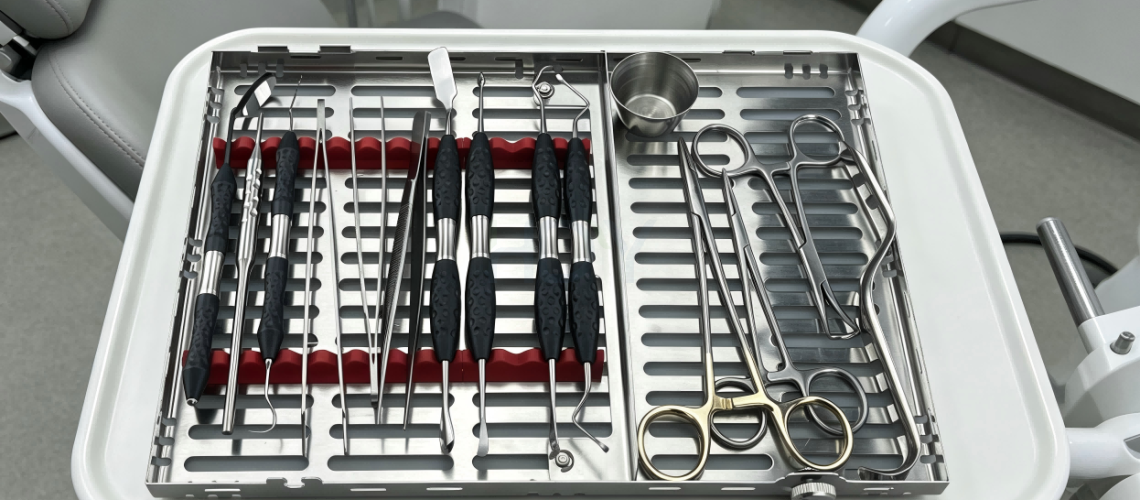
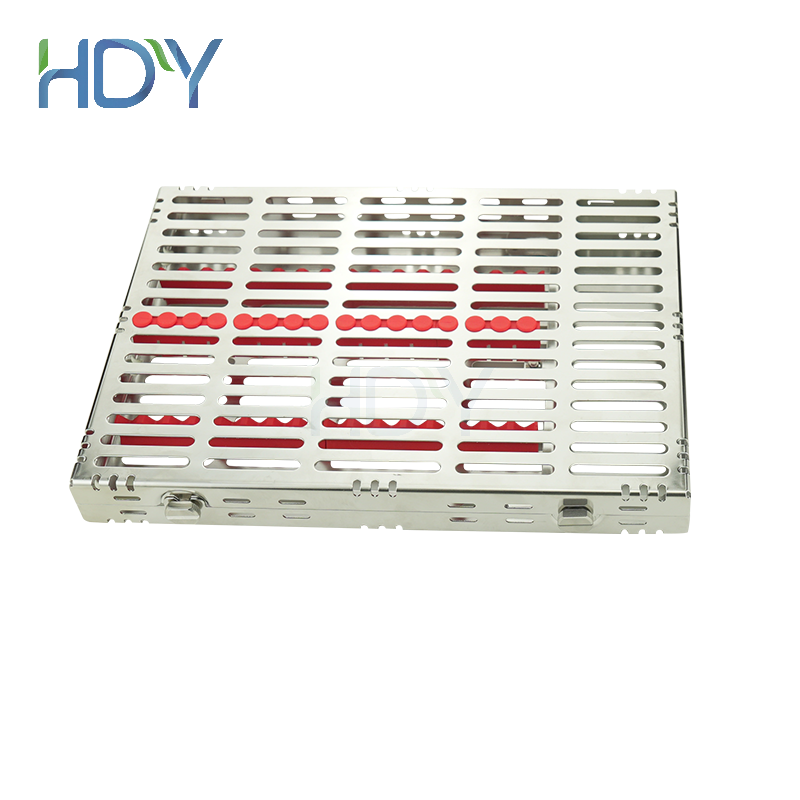
Dental instrument cassettes are especially useful because they improve organization, reduce handling damage, and support efficient sterilization workflows.
8. Follow Correct Sterilization Procedures
Dental instruments require validated sterilization methods according to professional infection-control requirements.
Autoclave sterilization is widely used because it provides effective microbial elimination through controlled temperature and pressure cycles.
HDY Dental instruments are designed for professional sterilization environments, with many products manufactured from medical-grade stainless steel suitable for repeated sterilization cycles.
Clinics should always:
- Follow sterilizer manufacturer instructions
- Monitor sterilization parameters
- Maintain sterilization records
- Perform regular equipment maintenance
9. Inspect Instruments Regularly During Use
Regular inspection helps identify problems before instruments fail.
Dental teams should check:
- Blunt cutting edges
- Loose joints
- Corrosion spots
- Damaged tips
- Reduced accuracy
Replacing damaged instruments improves clinical efficiency and protects patients.
HDY Dental recommends implementing scheduled instrument evaluations rather than waiting until a tool becomes unusable.
10. Store Instruments in a Clean and Organized Environment
Proper storage completes the instrument care cycle.
Best practices include:
- Store sterilized instruments in dry areas
- Protect instruments from unnecessary impact
- Use organized storage systems
- Avoid mixing clean and contaminated instruments
A well-managed storage system reduces handling damage and improves clinical workflow.
HDY Dental Manufacturer’s Best Recommendations
As a professional dental instrument manufacturer, HDY Dental recommends that dental clinics and distributors focus on three key principles:
1. Choose Reliable Instrument Quality
Instrument lifespan begins with manufacturing quality.
Premium dental instruments should feature:
- Medical-grade stainless steel
- Precision manufacturing
- Excellent corrosion resistance
- Ergonomic design
- Stable clinical performance
HDY Dental provides a wide range of dental instruments, including diagnostic instruments, endodontic instruments, restorative tools, surgical instruments, and customized OEM solutions.
2. Combine Quality Products with Correct Maintenance
Even the highest-quality dental instruments require proper care.
A complete maintenance system should include:
- Correct cleaning
- Controlled sterilization
- Regular inspection
- Proper storage
- Staff training
Instrument quality and instrument management work together to achieve maximum value.
3. Work With Experienced Dental Instrument Manufacturers
For dental distributors, hospitals, and private dental brands, choosing an experienced manufacturer is essential.
HDY Dental provides:
- OEM and ODM customization
- Private label solutions
- Customized instrument sets
- Professional production support
- Global supply experience
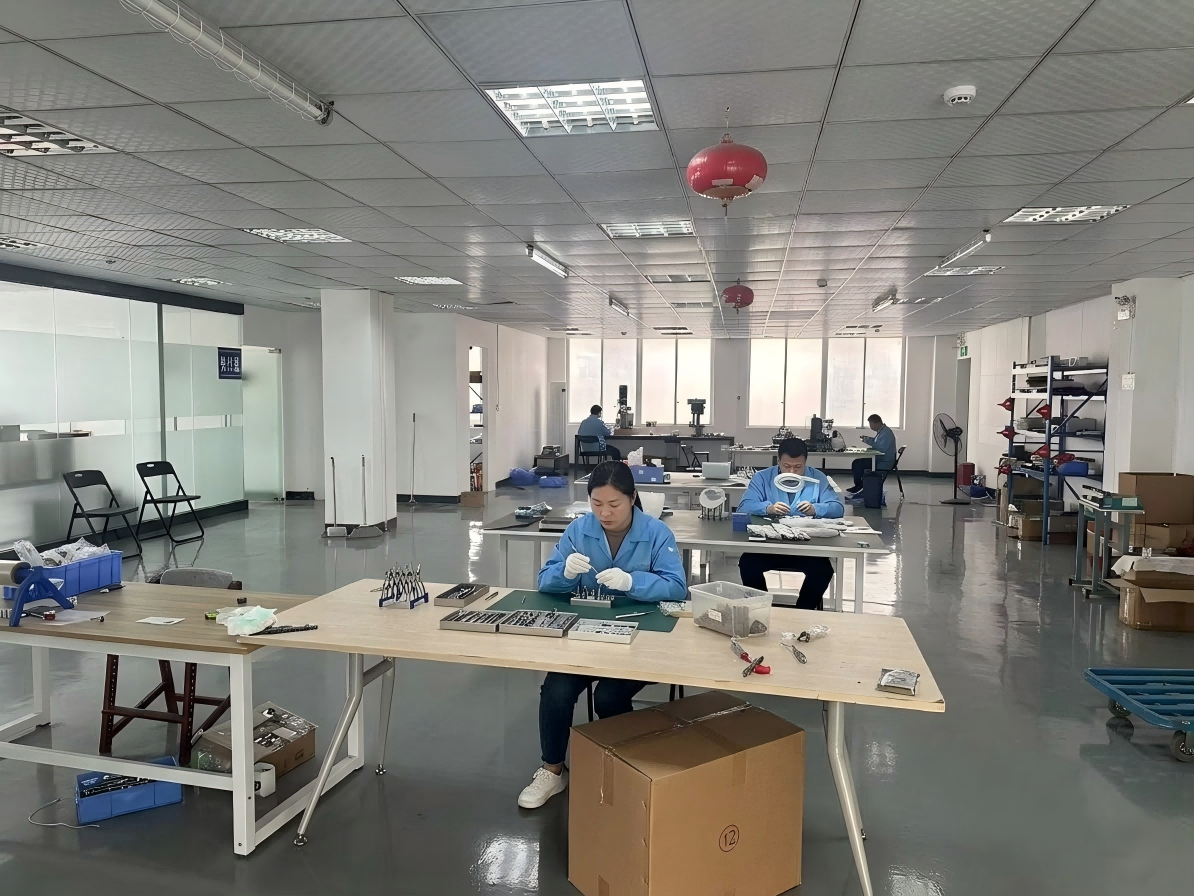
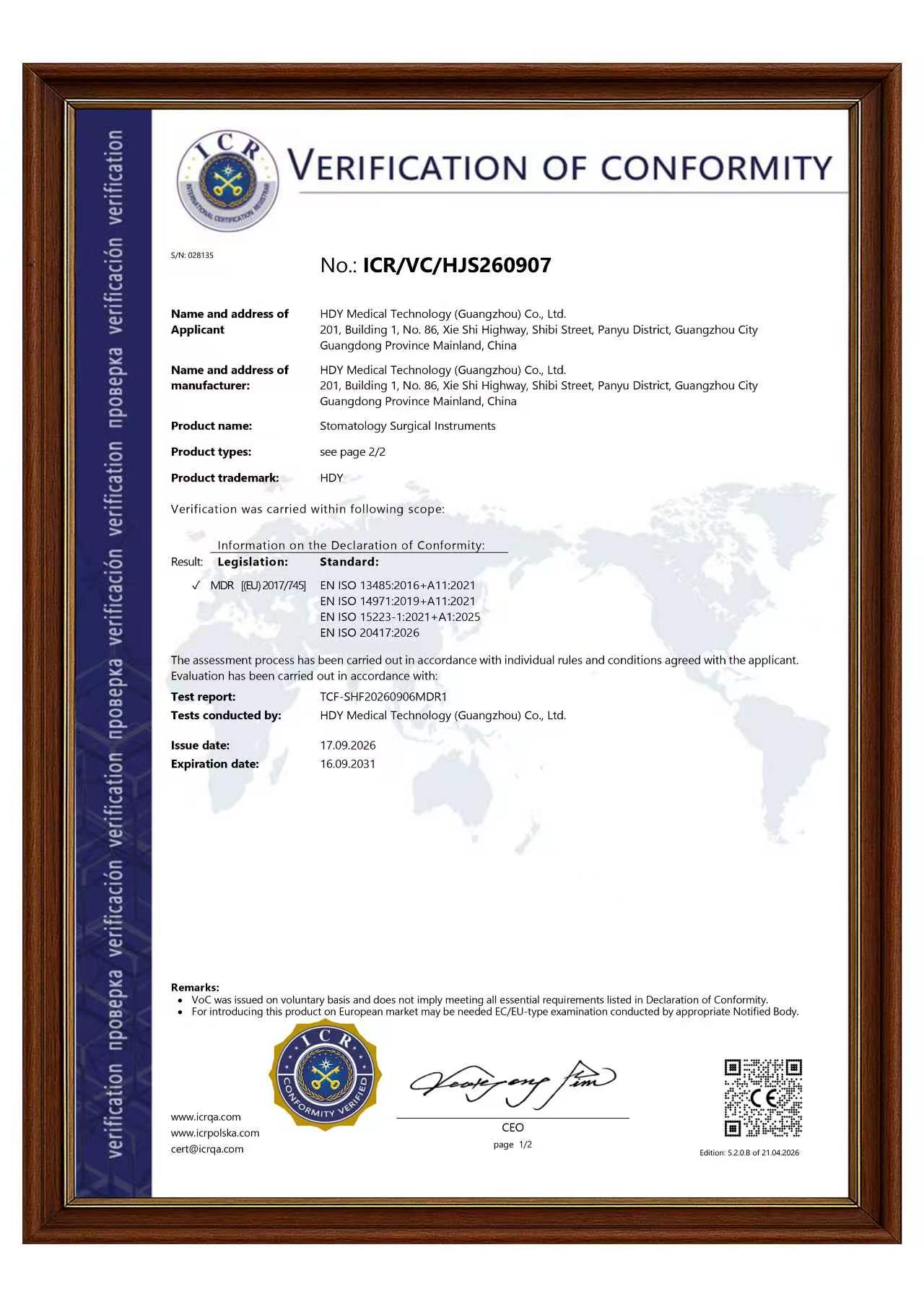
Through advanced manufacturing processes and strict quality management, HDY Dental aims to provide reliable dental instruments that support dental professionals worldwide.
Conclusion
Proper handling of new dental instruments is the first step toward maintaining long-term performance, safety, and sterilization quality. By following these 10 key steps—from inspection and cleaning to sterilization and storage—dental clinics can maximize instrument lifespan while maintaining excellent infection-control standards.
Choosing high-quality instruments from a trusted manufacturer like HDY Dental, combined with professional maintenance procedures, helps dental professionals achieve reliable performance, improved efficiency, and better patient care.
HDY Dental — Precision Dental Instruments for Professional Clinical Performance.
 English
  简体中文
简体中文  Español
  Deutsch
  Français