

Complete Microscopic Apicoectomy Instrument Set
Configure the right manual instruments for anterior, posterior or comprehensive endodontic microsurgery—with procedure-specific access, reflected inspection and root-end filling options from HDY.
Request Complete Set PricingWhen a dental clinic begins performing endodontic microsurgery, the purchasing question is rarely limited to “Which instrument is best?” The more practical question is: Which combination of instruments allows the team to treat anterior and posterior cases without missing an essential working-end size or access angle?
A complete microscopic apicoectomy instrument set should support root-end exploration, reflective observation, retrograde preparation assessment, material placement and instrument protection. This guide turns those clinical stages into a clear purchasing configuration using instruments from HDY Medical.
1. What Instruments Are Needed for Microscopic Apicoectomy?
The operating microscope supplies magnification and illumination, while the hand instruments provide tactile information and physical control. A practical apicoectomy instrument kit should include five functional groups:
Because anterior and posterior surgical paths differ, a single explorer or condenser is unlikely to cover every clinical position efficiently. The set should therefore contain anterior and posterior access options as well as fine and wider condenser sizes.
2. Stage One: Root-End Exploration
After surgical exposure and root-end resection, the clinician must identify anatomical boundaries, examine the resected surface and assess the retrograde cavity. Fine explorers provide tactile confirmation without introducing a large working end into the microscopic field.

TZ7 Anterior Micro-Explorer
TZ7 is intended for the relatively direct working path encountered in anterior apical surgery. The fine working tip supports root-apex localization, inspection of the resected surface and assessment of retrograde cavity margins.
- Anterior root-end exploration
- Crack and surface-irregularity detection
- Calcification and boundary assessment
- Direct-vision cavity inspection

TZ8 Posterior Micro-Explorer
TZ8 provides a posterior-oriented working-end configuration for restricted surgical sites. It is particularly useful when the operator must work through an indirect path or coordinate the explorer with a micro-mirror.
- Posterior root-end exploration
- Restricted cavity-margin evaluation
- Reflected inspection with KX4
- Posterior anatomical assessment
For a comprehensive endodontic clinic, TZ7 and TZ8 are complementary instruments. Stocking both reduces the need to force one working-end geometry into an unsuitable access path.
3. Stage Two: Reflected Surgical Inspection

The KX4 9 × 4 mm Micro-Mouth Mirror helps the operator inspect areas that are not aligned with direct vision. Its compact reflective surface can be positioned to observe the root-end resection plane, lateral walls, retrograde cavity and restricted posterior anatomy.
What the KX4 helps the clinician inspect
- Completeness and surface quality of the root-end resection
- Direction and integrity of retrograde preparation
- Dorsal and lateral root surfaces
- Potential isthmuses, missed canals and accessory anatomy
- Adaptation of the retrograde filling material
The KX4 should be considered a core instrument rather than an optional accessory. Without a stable reflected view, fine explorers and condensers may enter the surgical site while the operator has incomplete visual information.
4. Stage Three: Retrograde Preparation Assistance
Ultrasonic retrograde preparation forms the cavity, but preparation is not complete until its direction, walls and margins have been inspected. The HDY micro-explorers and mirror work together around this stage:
The inspection should extend beyond the main canal outline. Complex root-end anatomy may include isthmuses, additional canals and accessory structures. A clean micro-mirror and a light-touch explorer improve the clinician’s ability to examine these features before filling.
5. Stage Four: Retrograde Filling
The filling stage requires the correct relationship between cavity width, access direction and condenser working end. HDY uses three models to cover fine posterior, wider posterior and anterior access.

CTG04 · 0.5 mm Left/Right
The fine 0.5 mm left/right curved working ends support accurate material placement and controlled condensation in narrow or restricted posterior sites.

CTG05 · 0.9 mm Left/Right
The 0.9 mm curved configuration provides a broader contact surface for adapting and compacting material in wider posterior retrograde cavities.

CTG06 · 0.5/0.9 mm Straight
CTG06 combines fine and wider sizes in a straight, dual-ended anterior design, allowing the clinician to change working-end size without changing instruments.
Use even, controlled pressure and observe material adaptation continuously. The purpose of a micro-condenser is precise placement and adaptation—not maximum force.
6. Recommended HDY Set Configuration
The following configuration covers the essential manual instrument stages for both anterior and posterior microscopic apicoectomy:
| Quantity | Model | Instrument | Primary Use |
|---|---|---|---|
| 1 | TZ7 | Anterior Micro-Explorer | Anterior root-end exploration |
| 1 | TZ8 | Posterior Micro-Explorer | Restricted posterior exploration |
| 1 | KX4 | 9 × 4 mm Micro-Mirror | Reflected surgical observation |
| 1 | CTG04 | 0.5 mm L/R Condenser | Fine posterior root-end filling |
| 1 | CTG05 | 0.9 mm L/R Condenser | Wider posterior cavity filling |
| 1 | CTG06 | 0.5/0.9 mm Straight Condenser | Anterior direct-vision filling |
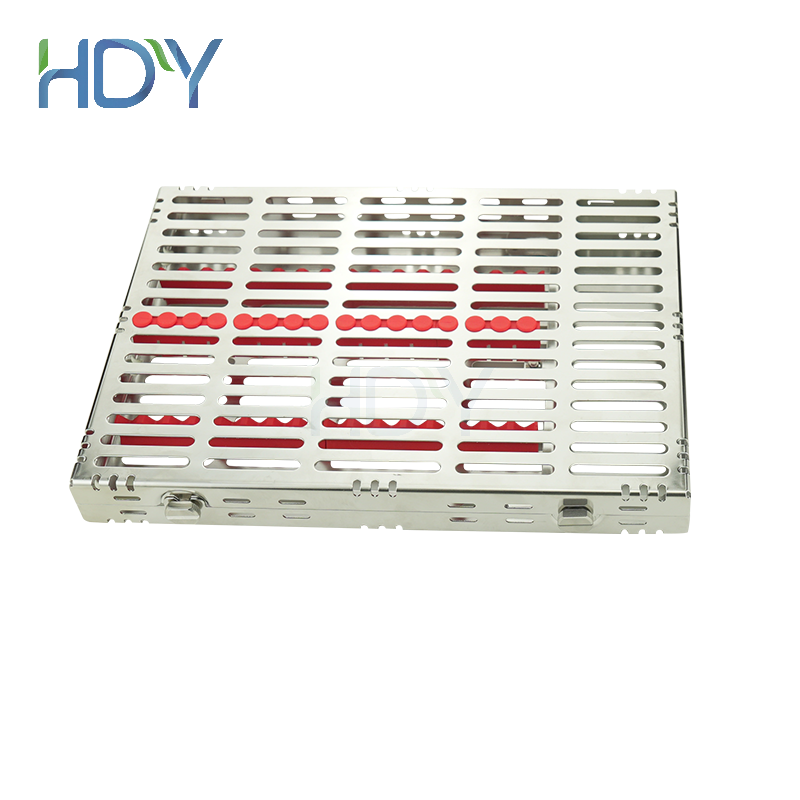
Add a suitable cassette from the HDY dental cassette range so each working end remains fixed and separated during cleaning-area transport and sterilization.
7. How Clinics Should Select the Set
Not every practice needs the same quantity or combination. Purchasing should be based on case distribution, surgical schedule and sterilization turnover.
Anterior-Focused Clinic
Recommended core:
- TZ7
- KX4
- CTG06
Add TZ8 and curved condensers when posterior surgery is introduced.
Posterior-Focused Clinic
Recommended core:
- TZ8
- KX4
- CTG04
- CTG05
Both 0.5 and 0.9 mm sizes improve flexibility across cavity widths.
Comprehensive Endodontics
Recommended core:
- All six instruments
- One cassette
- Backup mirror
Covers routine anterior and posterior microsurgical positions.
Hospital Department
Recommended core:
- Multiple identical sets
- Standard cassette layout
- Replacement inventory
Quantity should reflect daily cases and reprocessing turnaround.
How many sets should a hospital purchase?
A department should have enough sets to cover scheduled procedures while used instruments are undergoing cleaning and sterilization. Keeping all models in a standardized cassette position also helps nurses and sterilization staff identify missing instruments before and after surgery.
8. Sterilization and Instrument Organization
Fine microsurgical working ends require more protection than ordinary general dental instruments. Instrument organization is therefore part of the purchasing decision, not an afterthought.
- Separate by function: arrange explorers, mirror and condensers in a consistent sequence.
- Prevent tip collision: use cassette supports that keep working ends away from adjacent instruments.
- Clean promptly: remove blood and root-end filling material before residue dries.
- Inspect before sterilization: check for bent tips, damaged surfaces or retained material.
- Inspect before use: confirm the selected model and working-end integrity under magnification.
- Follow validated protocols: reprocess according to applicable standards and current instructions for use.
HDY CTG04, CTG05 and CTG06 are manufactured from medical-grade stainless steel and specified as fully autoclavable up to 134°C. Appropriate cleaning and protection help preserve the geometry and precision of their small working ends.
9. Why Buy a Complete Set from the Manufacturer?
Buying individual instruments from unrelated sources can result in duplicated sizes, missing access angles and inconsistent handles. Purchasing a coordinated set directly from a professional manufacturer simplifies clinical standardization.
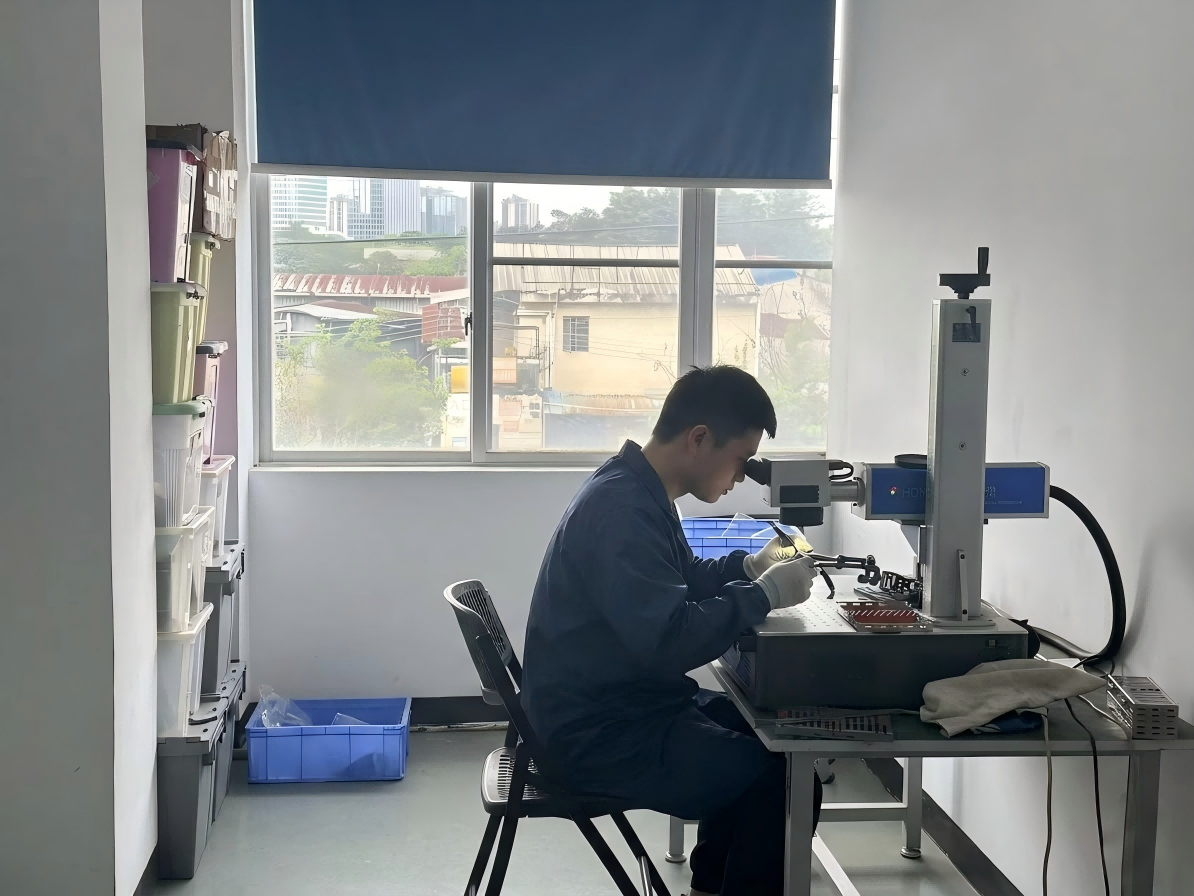
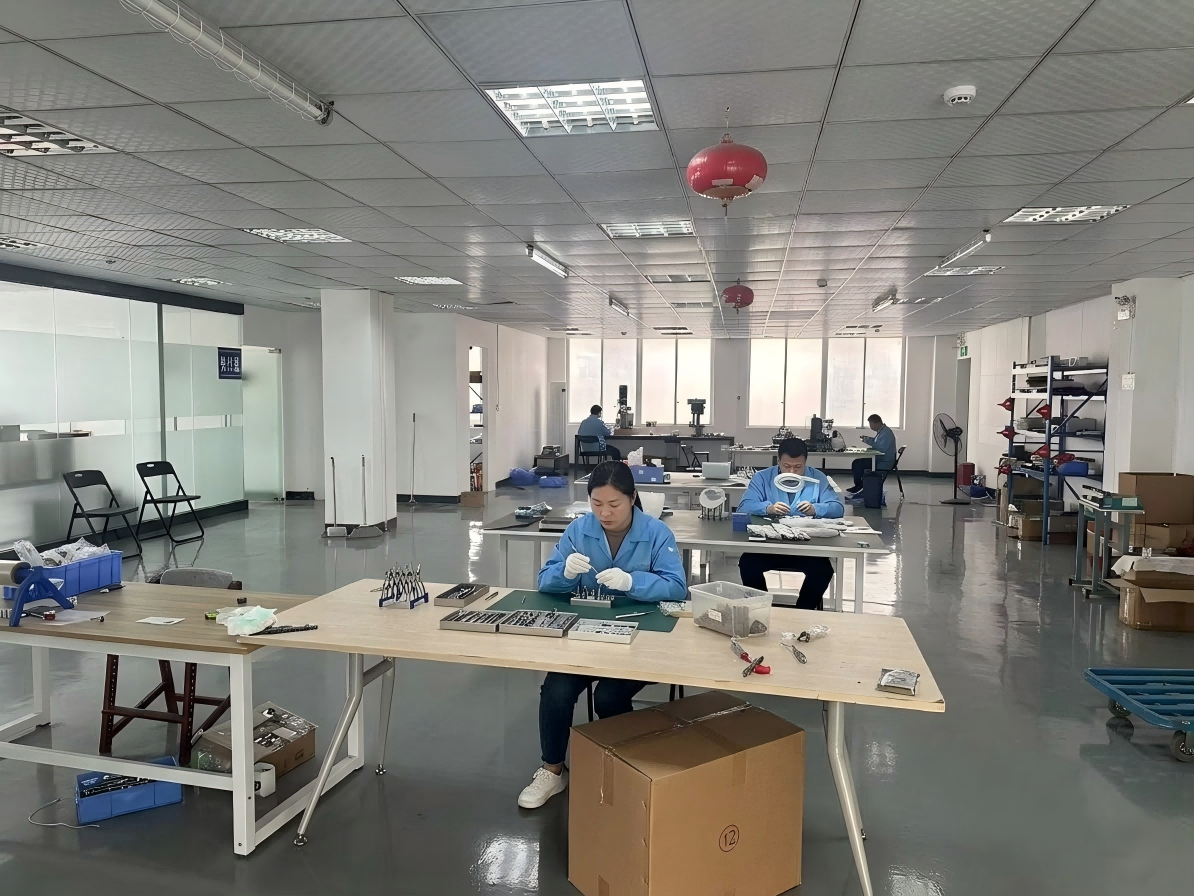
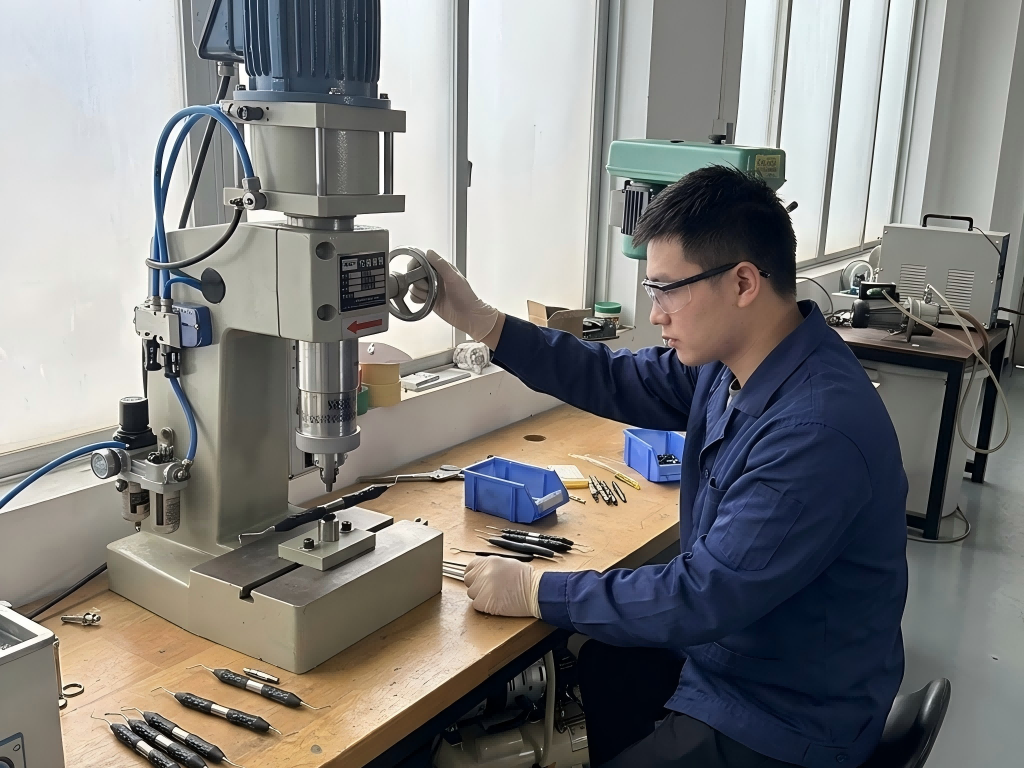
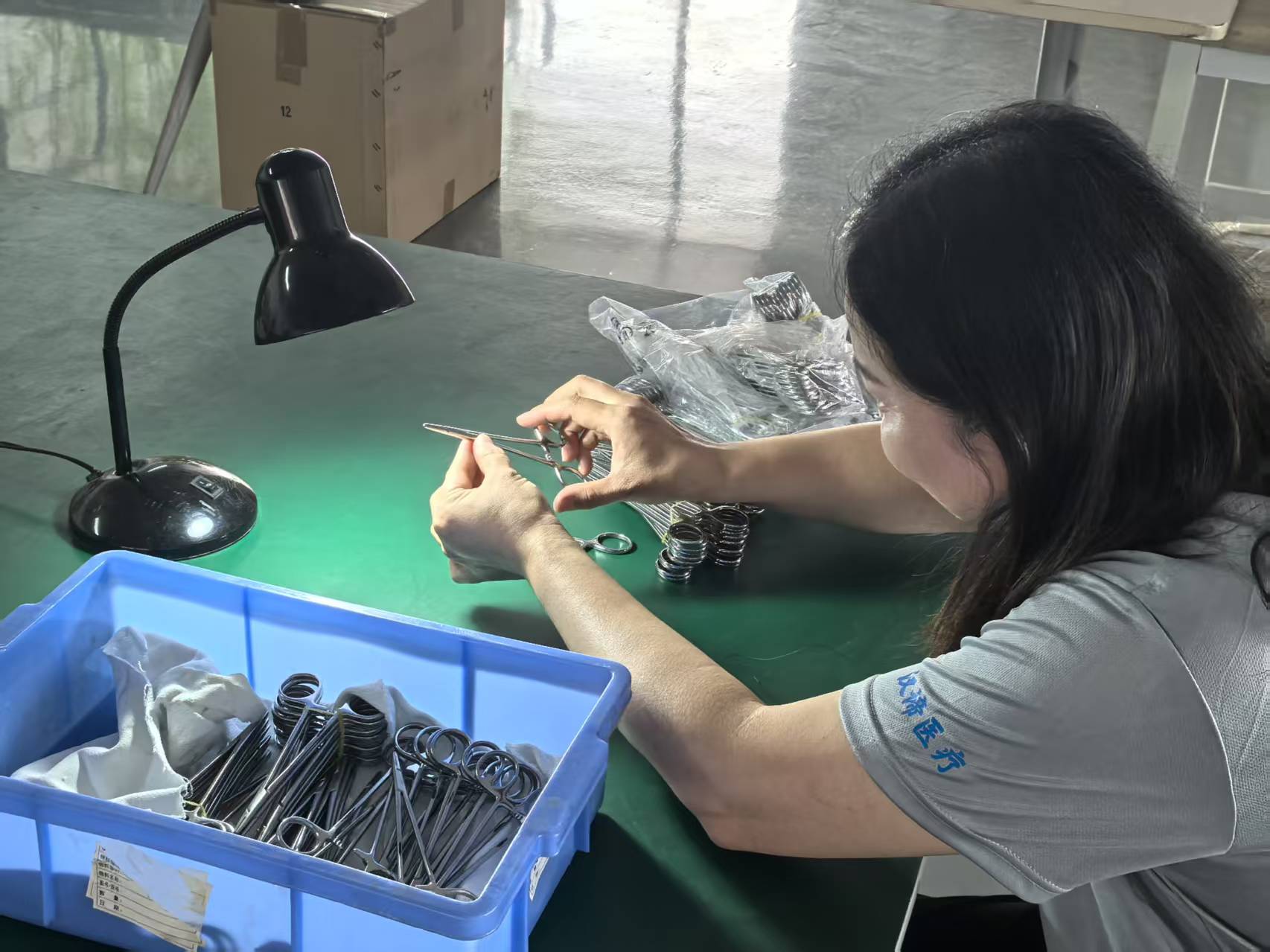
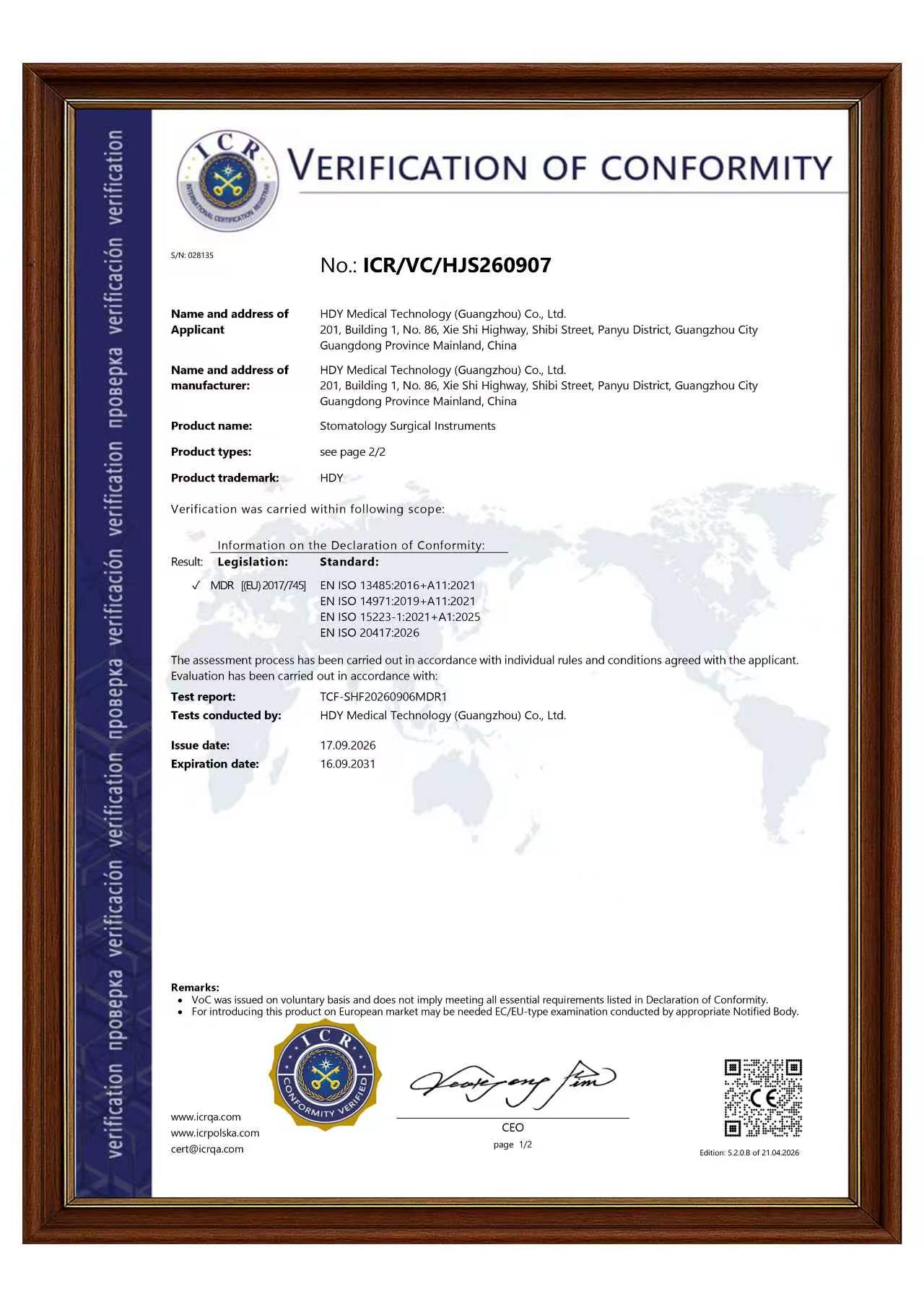
HDY Medical Technology (Guangzhou) Co., Ltd. manufactures professional dental and oral surgical instruments for clinics, hospitals and endodontic users. The complete HDY microsurgical instrument range includes both polymer-handle and metal-handle variants, allowing buyers to compare preferred clinical handling styles.
10. Request Set Pricing from HDY
For accurate pricing, send HDY the required model list, quantity, preferred handle style, number of cassettes and whether the set will be used in a private clinic, specialist center or hospital department.
A complete standard request can specify:
- TZ7 × 1
- TZ8 × 1
- KX4 × 1
- CTG04 × 1
- CTG05 × 1
- CTG06 × 1
- Suitable instrument cassette × 1
Request a Complete HDY Apicoectomy Instrument Set
Tell HDY whether your clinic mainly performs anterior, posterior or comprehensive endodontic microsurgery. The team can recommend the appropriate models, quantities and cassette configuration.
Request Set PricingFrequently Asked Questions
What is included in the complete six-instrument set?
The standard manual configuration contains TZ7, TZ8, KX4, CTG04, CTG05 and CTG06. A suitable cassette can be added for organization and protection.
Which instruments are most important for anterior cases?
TZ7 provides anterior exploration, KX4 provides reflected inspection when required, and CTG06 provides straight 0.5 and 0.9 mm working ends for anterior filling.
Which instruments are recommended for posterior cases?
A posterior-focused configuration includes TZ8, KX4, CTG04 and CTG05 to cover restricted exploration, reflected observation, and 0.5 and 0.9 mm curved condensation.
Can hospitals order multiple identical sets?
Yes. Hospitals can request standardized configurations in quantities matched to daily case volume and sterilization turnaround.
Does the set include an ultrasonic unit and preparation tips?
This article focuses on HDY manual microsurgical instruments. Ultrasonic equipment and compatible retrograde preparation tips should be selected separately.


 English
  简体中文
简体中文  Español
  Deutsch
  Français