
Introduction: Understanding the Role of Dental Excavator Instruments
The dental excavator instrument is an essential dental hand instrument widely used in restorative dentistry for the precise removal of carious dentin, temporary filling materials, and debris during cavity preparation.
Unlike rotary instruments, dental excavators provide excellent tactile feedback, allowing dentists to selectively remove softened infected dentin while preserving healthy tooth structure. This makes them especially important in minimally invasive dentistry, where maintaining as much natural tooth structure as possible is a primary treatment goal.
For dental professionals, dental schools, distributors, and healthcare suppliers, understanding the function of dental excavator instruments in caries removal is essential when selecting reliable restorative instruments.
As a professional dental instrument manufacturer, HDY Medical Technology (Guangzhou) Co., Ltd. specializes in producing high-quality dental hand instruments designed for precision, durability, and clinical performance.
What Is a Dental Excavator Instrument?
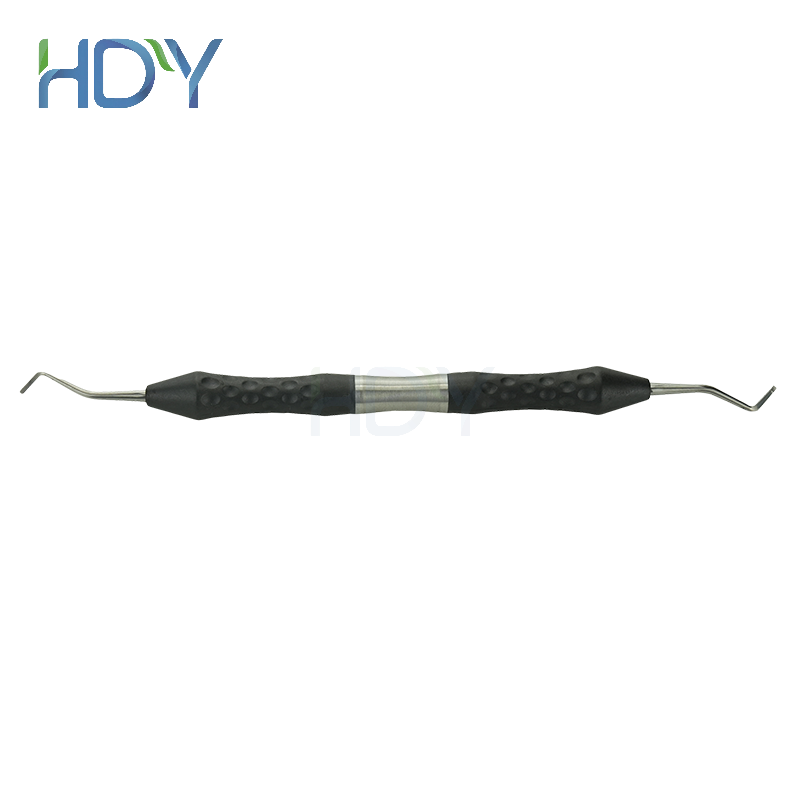
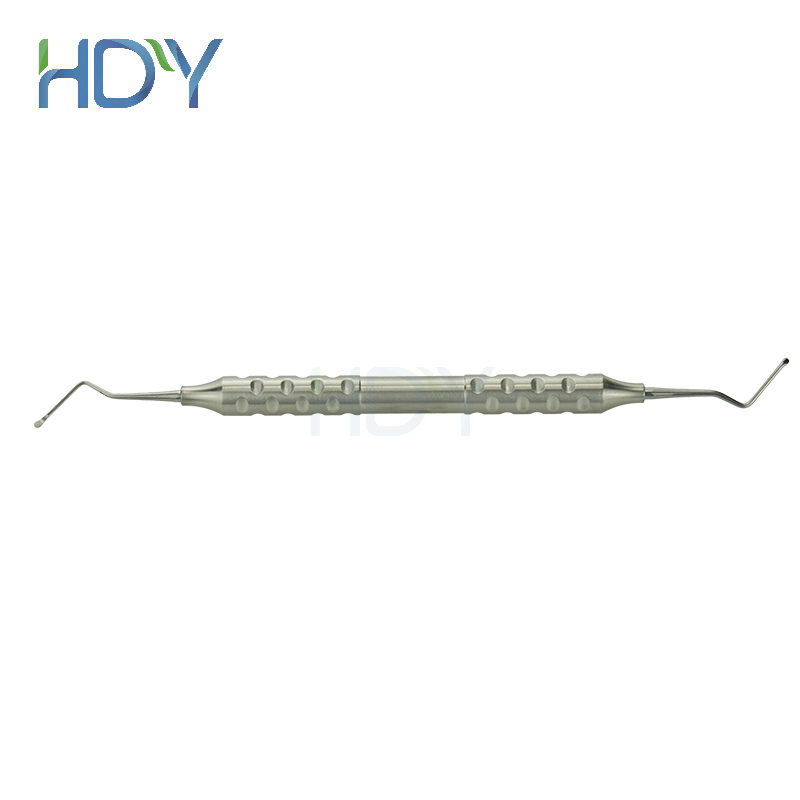
A dental excavator is a manually operated dental instrument featuring a sharp working end designed to remove unwanted materials from tooth structures.
The instrument is commonly used during restorative procedures to remove:
- Softened carious dentin
- Infected tooth structure
- Temporary restorative materials
- Residual debris
- Soft tissue remnants during certain procedures
Dental excavators are designed to provide dentists with direct tactile control, helping them distinguish between affected dentin and healthy tooth structure.
Main Function of Dental Excavator Instrument in Caries Removal
1. Selective Removal of Carious Dentin
The primary function of a dental excavator is caries removal.
Dental caries causes progressive destruction of tooth structure. During cavity preparation, dentists need to remove infected dentin while preserving healthy areas.
A dental excavator allows clinicians to:
- Remove softened infected dentin
- Clean the cavity floor
- Preserve sound dentin
- Reduce unnecessary removal of tooth structure
Because the instrument is manually controlled, dentists can apply precise force according to the hardness of the dentin.
How Dental Excavators Help in Caries Removal
Step 1: Accessing the Carious Lesion
After identifying the carious area, the dentist selects an appropriate excavator based on:
- Lesion size
- Tooth location
- Cavity depth
- Clinical accessibility
Small excavators are commonly used for precise removal, while larger designs may be selected for wider cavities.
Step 2: Removing Softened Infected Dentin
The excavator is used with controlled scraping and scooping movements.
The cutting edge removes:
- Soft decayed dentin
- Bacterial-infected tissue
- Weak tooth structure
The dentist relies on tactile feedback to evaluate tissue resistance.
Soft Dentin:
- Easier to cut
- Requires less pressure
- Usually indicates affected carious tissue
Healthy Dentin:
- Provides stronger resistance
- Requires more controlled instrumentation
This tactile sensitivity is one of the biggest advantages of manual excavators.
Step 3: Cleaning the Cavity
After removing carious tissue, the excavator helps:
- Remove remaining debris
- Smooth cavity surfaces
- Improve visibility
- Prepare the tooth for restoration
A clean cavity preparation improves bonding and restoration quality.
Other Important Functions of Dental Excavator Instruments
Although caries removal is the primary application, dental excavators are also used for several other clinical purposes.
1. Removal of Temporary Fillings
Dental excavators are commonly used to remove temporary restorative materials.
Applications include:
- Removing temporary cement
- Cleaning old temporary restorations
- Preparing cavities for permanent restorations
The controlled design helps remove materials without damaging surrounding tooth structures.
2. Cavity Preparation Assistance
During restorative procedures, excavators help dentists refine cavity preparation by:
- Removing residual softened tissue
- Improving cavity cleanliness
- Accessing difficult areas
3. Removal of Debris and Foreign Materials
Dental excavators may also assist in removing:
- Loose debris
- Remaining restorative materials
- Soft deposits inside prepared cavities
Types of Dental Excavator Instruments
Different excavator designs provide different clinical advantages.
1. Spoon Excavator
The spoon excavator is the most commonly used type for caries removal.
Design Features:
- Spoon-shaped working end
- Sharp cutting edges
- Curved design
Main Functions:
- Removing soft carious dentin
- Cleaning cavity preparations
- Removing temporary filling materials
Advantages:
- Excellent tactile feedback
- Precise tissue removal
- Easy access to cavity areas
2. Angle Excavator
Angle excavators feature angled working ends for improved access.
Applications:
- Posterior tooth cavities
- Difficult-to-reach areas
- Deep cavity preparation
Advantages:
- Better visibility
- Improved instrument positioning
- Enhanced operator control
3. Discoid-Cleoid Excavator
This instrument has two working ends:
- Discoid end
- Cleoid end
Functions:
- Removing restorative excess
- Carving restorative materials
- Refining anatomy
It is commonly used during restorative procedures.
Professional Techniques for Using Dental Excavators
Proper technique ensures effective caries removal while protecting tooth structure.
1. Use the Correct Instrument Grip
The modified pen grasp is commonly recommended.
Benefits:
- Improved control
- Better tactile sensitivity
- Reduced hand fatigue
A stable finger rest helps maintain precision.
2. Apply Controlled Pressure
Dental excavators are precision instruments.
The correct technique uses:
- Gentle pressure
- Short controlled strokes
- Careful cutting movements
Avoid excessive force because it may:
- Remove healthy dentin
- Damage instrument edges
- Reduce clinical control
3. Maintain Proper Working Angle
The cutting edge should engage the dentin effectively.
Correct positioning improves:
- Cutting efficiency
- Instrument control
- Treatment accuracy
Incorrect angles may reduce performance and increase operator fatigue.
4. Evaluate Tactile Feedback
One of the most important skills in caries removal is recognizing tissue hardness.
Dentists should evaluate:
- Resistance during excavation
- Texture changes
- Remaining tooth structure
This helps achieve conservative cavity preparation.
Common Problems Caused by Poor-Quality Excavators
The performance of a dental excavator depends heavily on manufacturing quality.
Low-quality instruments may experience:
Loss of Sharpness
A dull working edge requires more force and reduces efficiency.
Poor Ergonomics
Uncomfortable handles may increase hand fatigue.
Corrosion Problems
Poor materials may deteriorate after repeated sterilization.
Inconsistent Performance
Manufacturing defects may affect precision.
How to Choose Professional Dental Excavator Instruments
When selecting dental excavators, dental professionals and distributors should consider:
1. Material Quality
High-quality stainless steel provides:
- Corrosion resistance
- Durability
- Sterilization compatibility
2. Precision Manufacturing
Professional production ensures:
- Accurate working tip geometry
- Consistent sharpness
- Reliable performance
3. Ergonomic Handle Design
A good handle improves:
- Comfort
- Control
- Clinical efficiency
4. Surface Finishing
Professional polishing improves:
- Smoothness
- Cleaning efficiency
- Resistance to contamination
HDY Medical Technology: Professional Dental Excavator Manufacturer
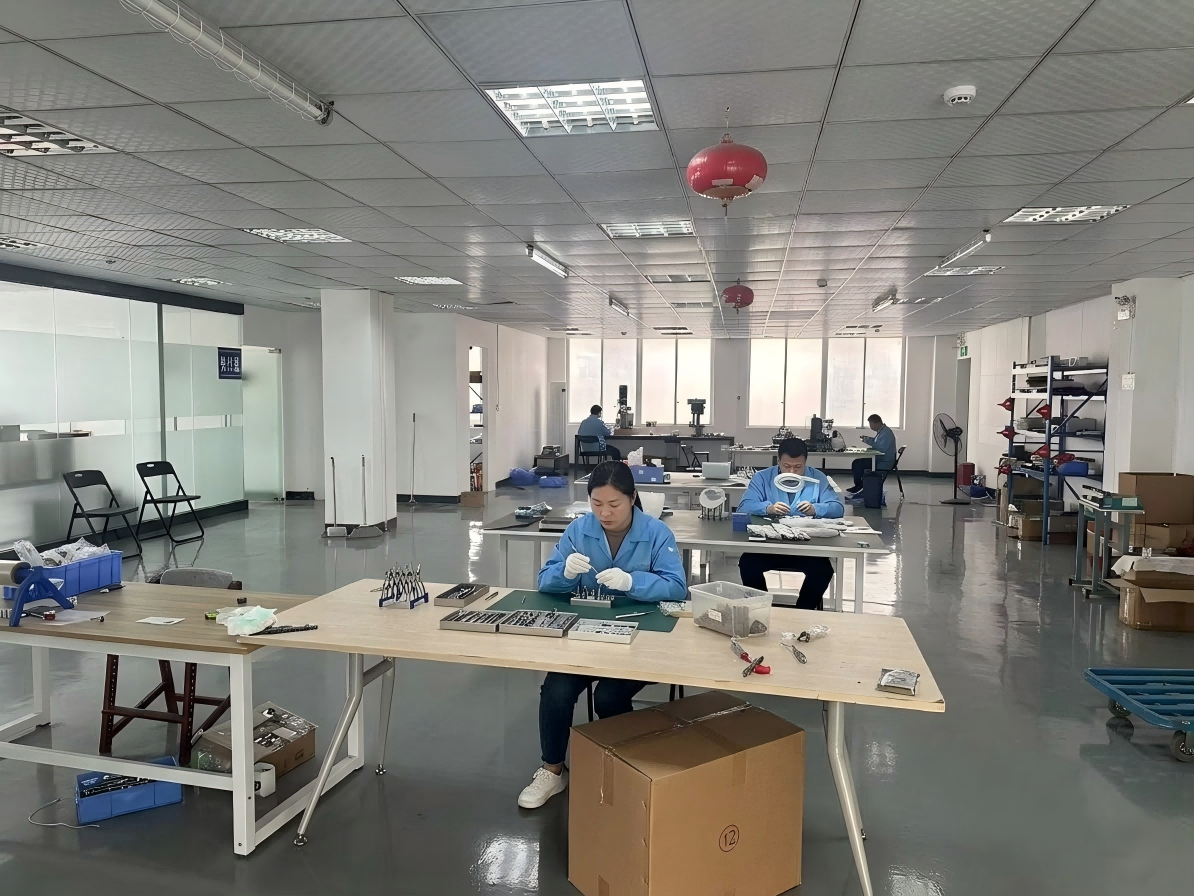
HDY Medical Technology (Guangzhou) Co., Ltd. is a professional manufacturer specializing in high-quality dental hand instruments and dental surgical instruments.
Our product range includes:
- Dental excavators
- Dental explorers
- Dental probes
- Dental scalers
- Periodontal curettes
- Restorative instruments
- Surgical instruments
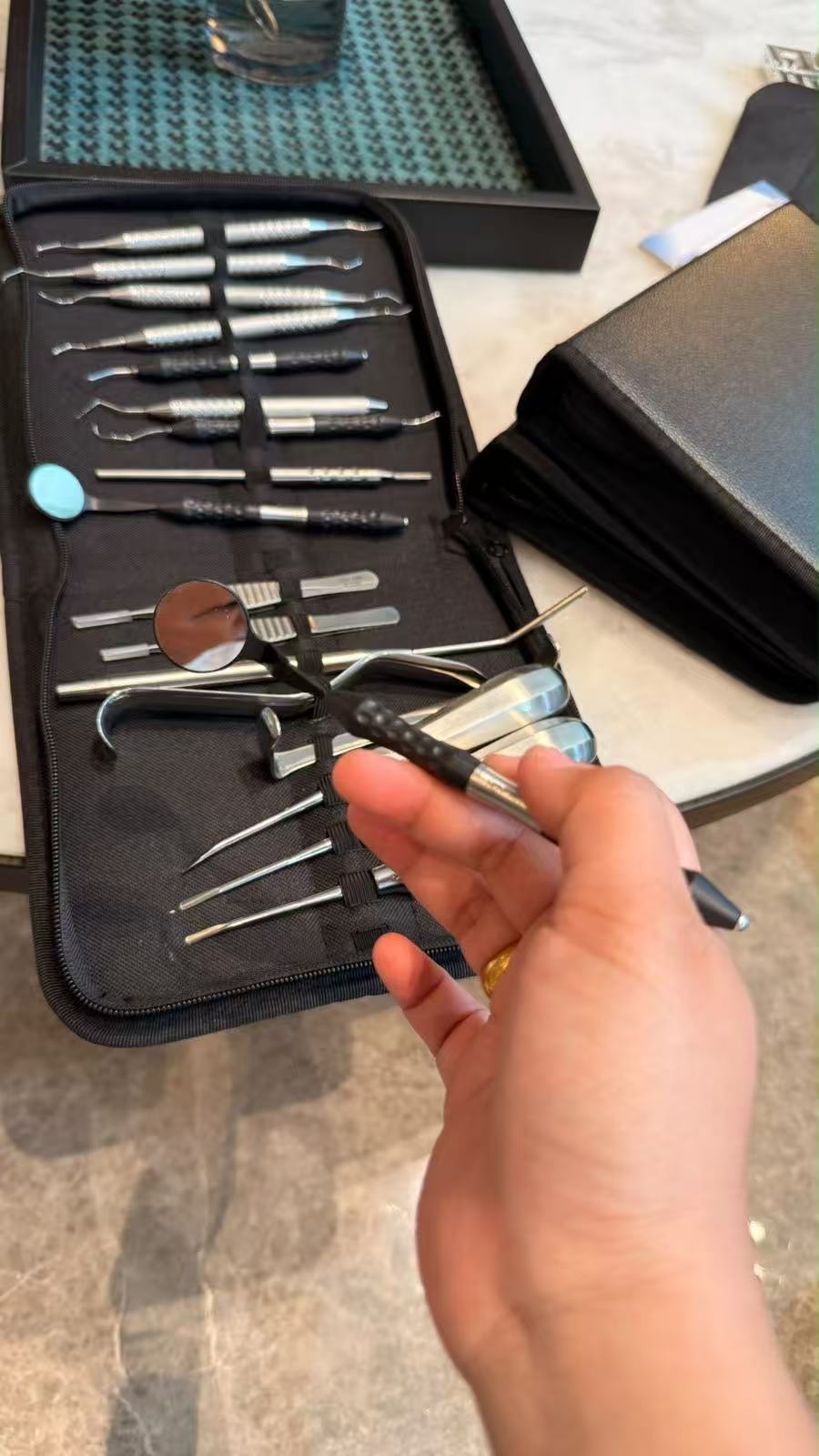
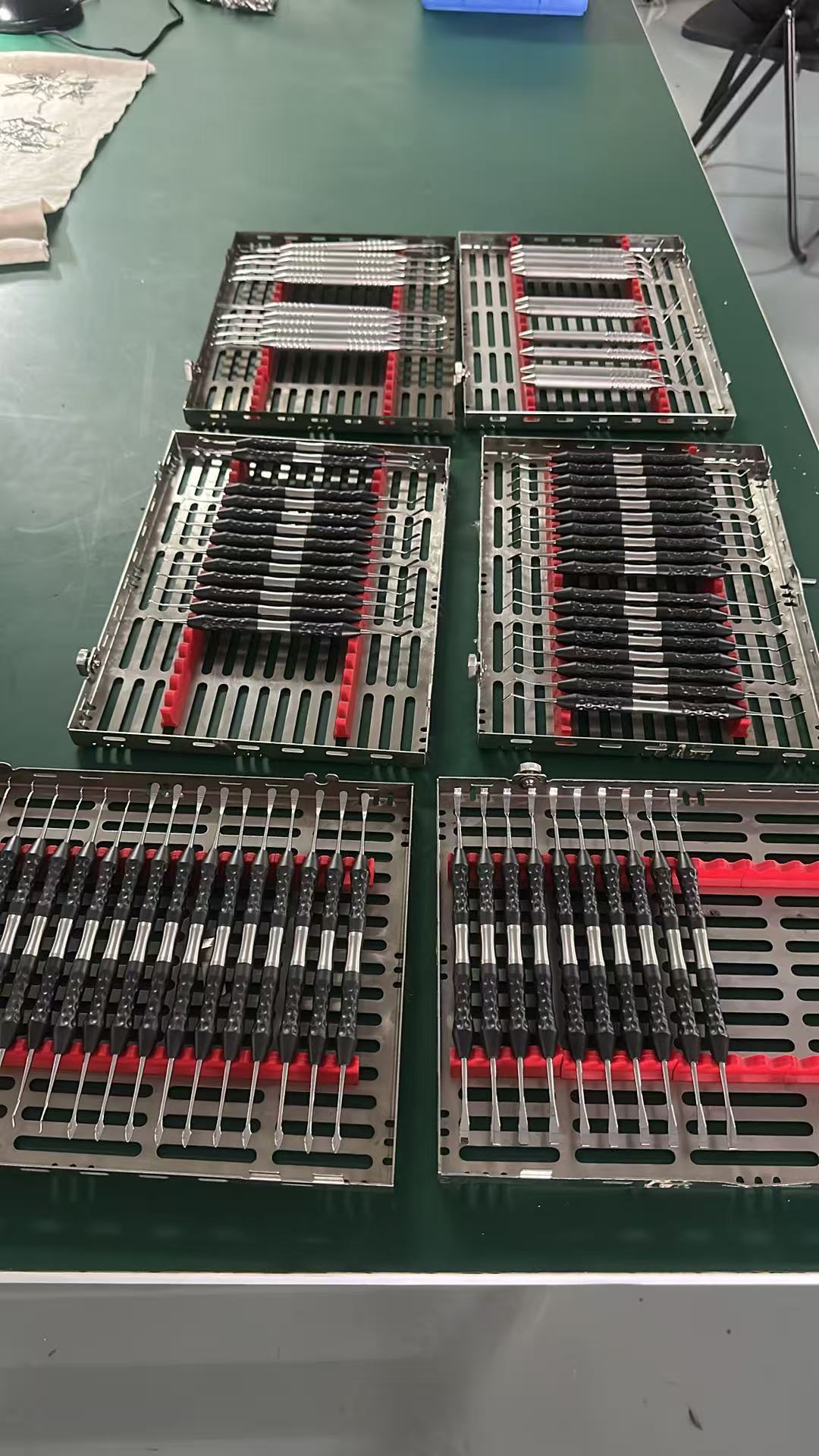
- Customized dental instrument kits
HDY Manufacturing Advantages
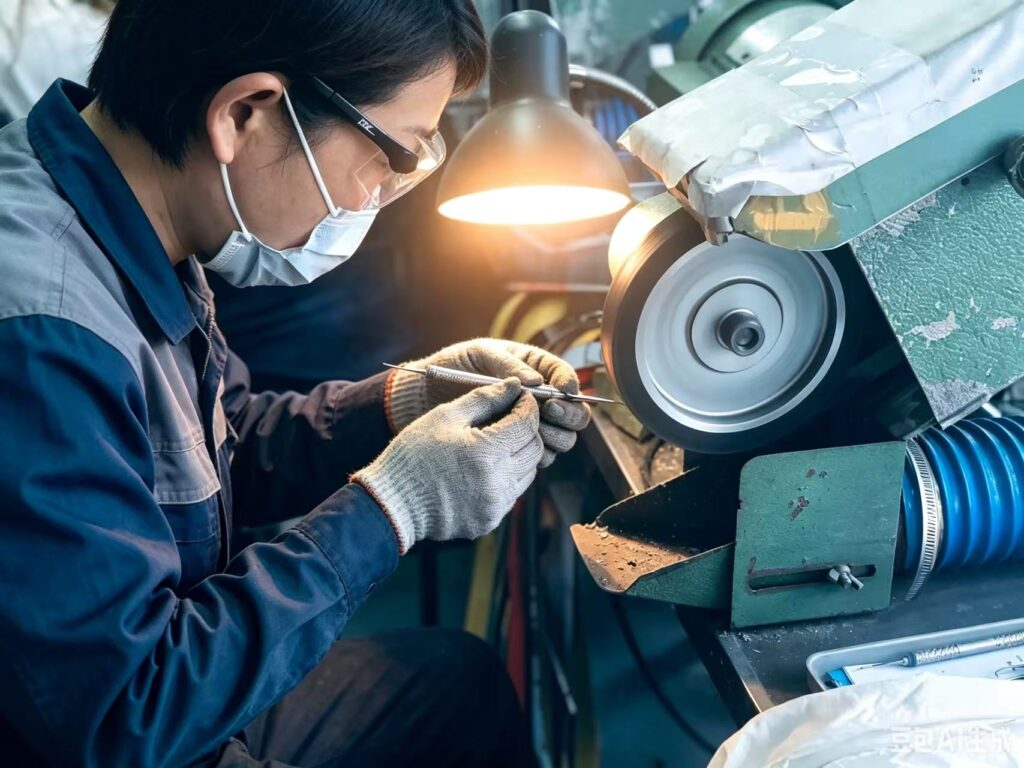
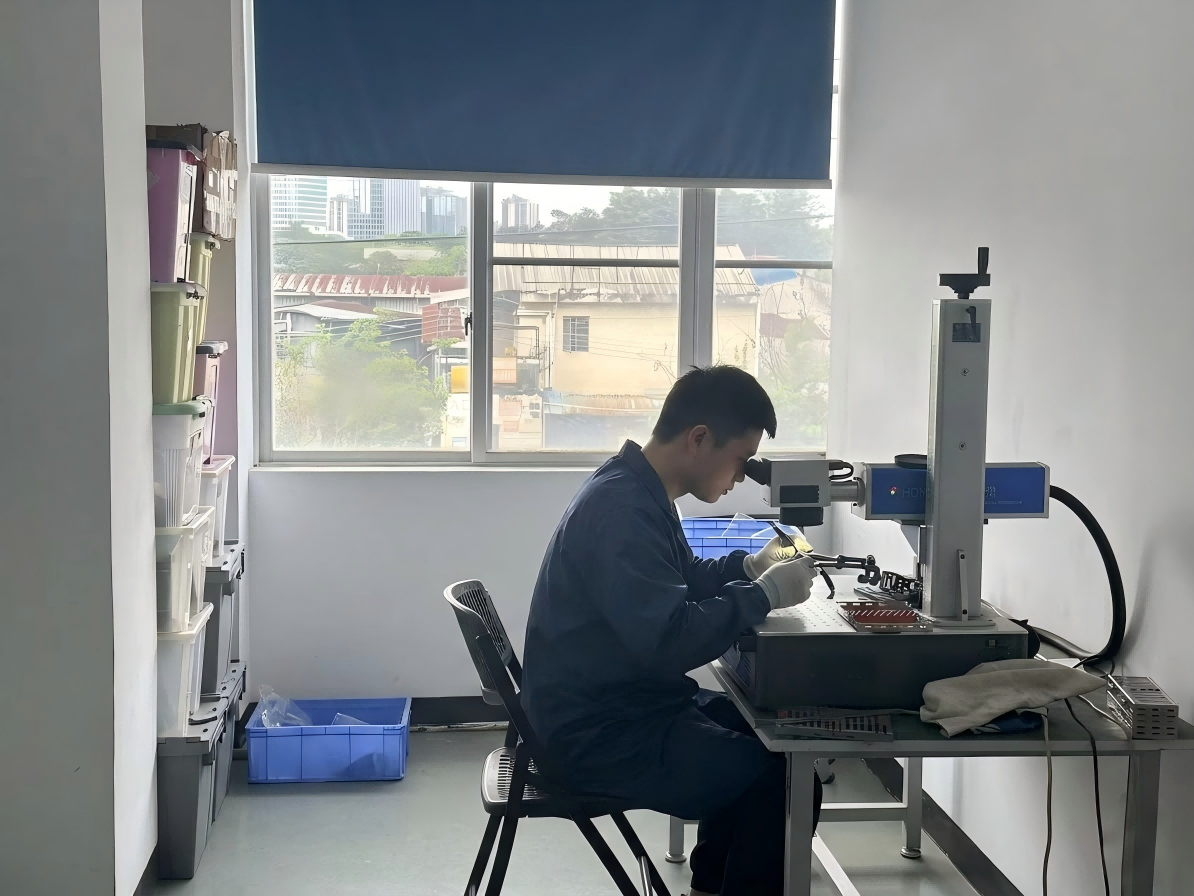
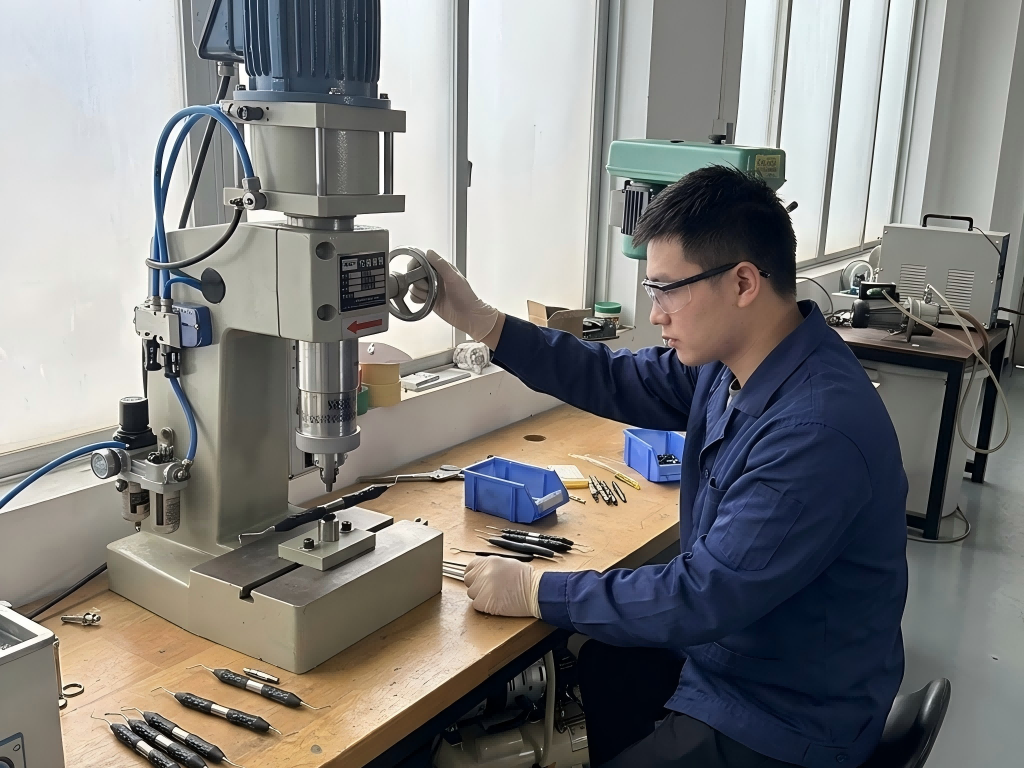
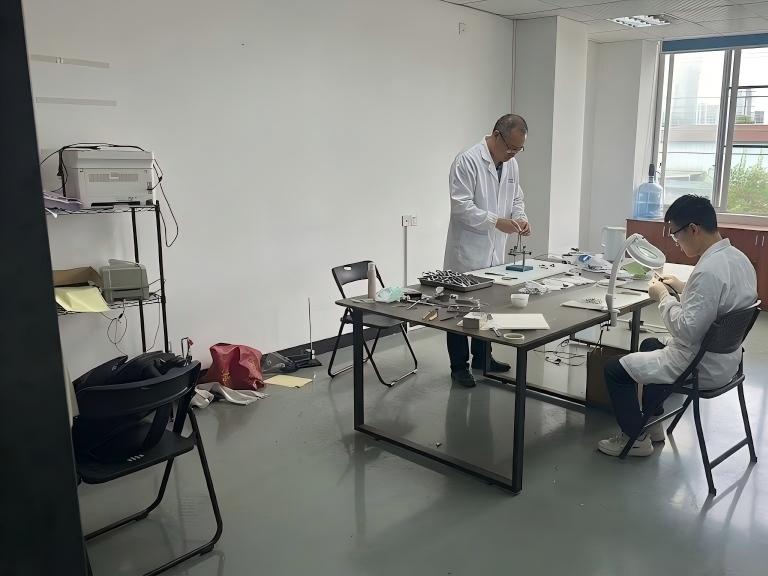
Complete Production Process
HDY controls the entire manufacturing workflow:
- Independent product design
- Premium stainless steel selection
- Precision machining
- Heat treatment
- Surface finishing
- Quality inspection
This ensures reliable performance for professional dental applications.
OEM & ODM Dental Excavator Solutions
HDY supports global distributors and dental brands with customized manufacturing services.
Customization options include:
✓ Private label dental excavators
✓ Custom handle designs
✓ Logo engraving
✓ Customized instrument sets
✓ Packaging solutions
✓ Bulk production support
Whether you need standard dental excavators or complete restorative instrument kits, HDY provides flexible solutions for global dental businesses.
Conclusion: The Importance of Dental Excavators in Modern Dentistry
The dental excavator instrument plays a critical role in caries removal and restorative dentistry. Through precise manual control, dentists can effectively remove infected dentin, preserve healthy tooth structure, and prepare cavities for successful restoration.
Choosing high-quality dental excavators ensures better clinical performance, longer instrument lifespan, and improved treatment efficiency.
With professional manufacturing capabilities and global supply experience, HDY Medical Technology (Guangzhou) Co., Ltd. provides reliable dental instrument solutions for clinics, hospitals, distributors, and dental brands worldwide.
HDY Medical Technology — Professional Dental Instruments Manufacturer Delivering Precision, Quality, and Customized Dental Solutions.


 English
  简体中文
简体中文  Español
  Deutsch
  Français