
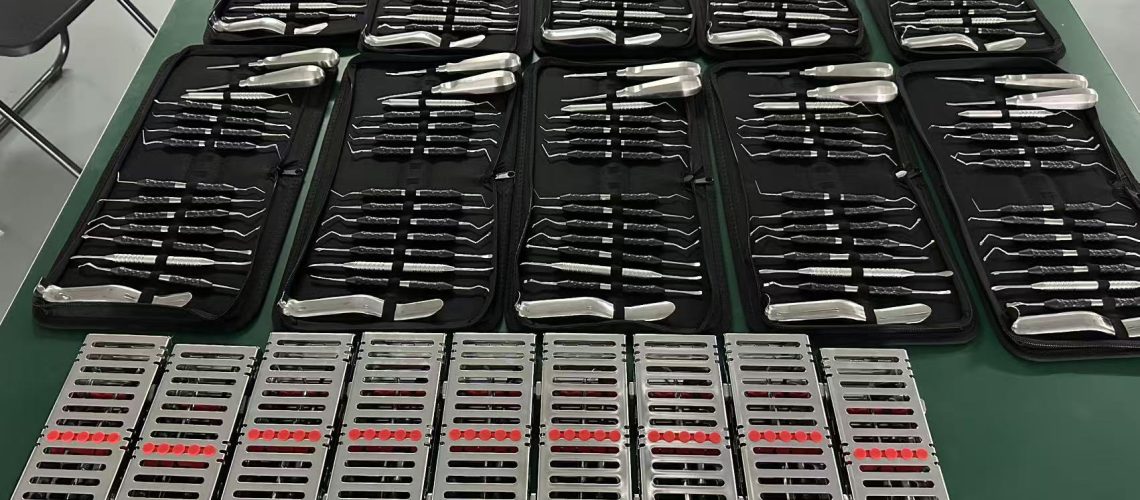
Dental Surgical Instruments OEM vs. Wholesale: Which Sourcing Model Is Right for You?
Choosing between dental surgical instruments OEM and wholesale purchasing can influence your product strategy, inventory planning, brand positioning, and long-term growth.
For dental distributors, importers, and private-label brands, the right sourcing model depends on whether you need ready-made instruments for immediate resale or customized products that support your own brand identity.
Understanding Dental Surgical Instruments OEM and Wholesale
Both models can help businesses source dental instruments, but they serve different commercial objectives. Understanding the differences before requesting a quotation helps buyers compare suppliers more effectively.
What Is Wholesale Dental Instruments Sourcing?
Wholesale purchasing generally involves buying existing products from a manufacturer, distributor, or supplier for resale. Product designs and specifications are usually already established.
- Suitable for established product lines and routine replenishment.
- Can reduce the need for product development before launch.
- Allows buyers to select from available models and configurations.
- Useful for testing demand before expanding a product category.
Best for: Distributors, dealers, and retailers who prioritize product availability and straightforward replenishment.
What Is Dental Surgical Instruments OEM?
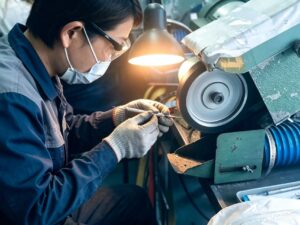
OEM stands for Original Equipment Manufacturer. In dental instrument sourcing, an OEM arrangement may involve producing instruments to agreed specifications, with customized branding, packaging, or other approved product requirements.
- Supports private-label and brand-development strategies.
- May allow agreed changes to product details or packaging.
- Can help differentiate a distributor's product portfolio.
- Requires clear specifications, approvals, and production planning.
Best for: Importers, established distributors, and dental brands building a distinctive product range.
OEM vs. Wholesale Dental Instruments: Key Differences
Use this comparison as a starting point when evaluating dental surgical instruments suppliers. Actual lead times, order quantities, customization options, and costs depend on the product and supplier agreement.
| Comparison Factor | Wholesale | OEM / Private Label |
|---|---|---|
| Product design | Typically uses existing product designs and specifications. | Can follow agreed specifications and approved customization requirements. |
| Branding | Usually supplied under an existing brand or standard product presentation. | May support the buyer's brand name, logo, and packaging, subject to agreement. |
| Product selection | Based on the supplier's available catalog. | Based on the available catalog plus agreed customization possibilities. |
| Initial planning | Often simpler when standard products are readily available. | May require specification confirmation, samples, artwork, and approval steps. |
| Order quantity | Depends on stock, packaging, and supplier minimum order requirements. | Depends on product complexity, customization, materials, and supplier requirements. |
| Cost structure | Usually based on product price, order quantity, shipping, and applicable charges. | May also include setup, customization, packaging, sampling, or tooling costs where applicable. |
| Brand differentiation | Limited when the same standard products are widely available. | Potentially stronger through agreed product specifications and brand presentation. |
| Typical business goal | Supply existing demand and replenish inventory. | Develop a branded portfolio and build longer-term market differentiation. |
Important: OEM does not automatically mean a completely new instrument design, exclusive intellectual property, or a lower unit price. Confirm customization scope, ownership rights, minimum order quantity, lead time, and quality requirements in writing.
When Is Wholesale Dental Instruments the Better Choice?
Wholesale sourcing can be a practical approach when you need standard dental surgical instruments without investing in extensive product customization.
Wholesale may be suitable if you:
- Already sell standard dental instruments through an established sales channel.
- Need to replenish fast-moving inventory.
- Want to evaluate customer demand before developing a private-label range.
- Prefer a simpler purchasing process for existing models.
- Need a broader catalog assembled from available products.
Before placing a wholesale order, review product specifications, material information, packaging, applicable regulatory documentation, warranty terms, and replenishment arrangements.
Learn more about wholesale dental surgical instruments →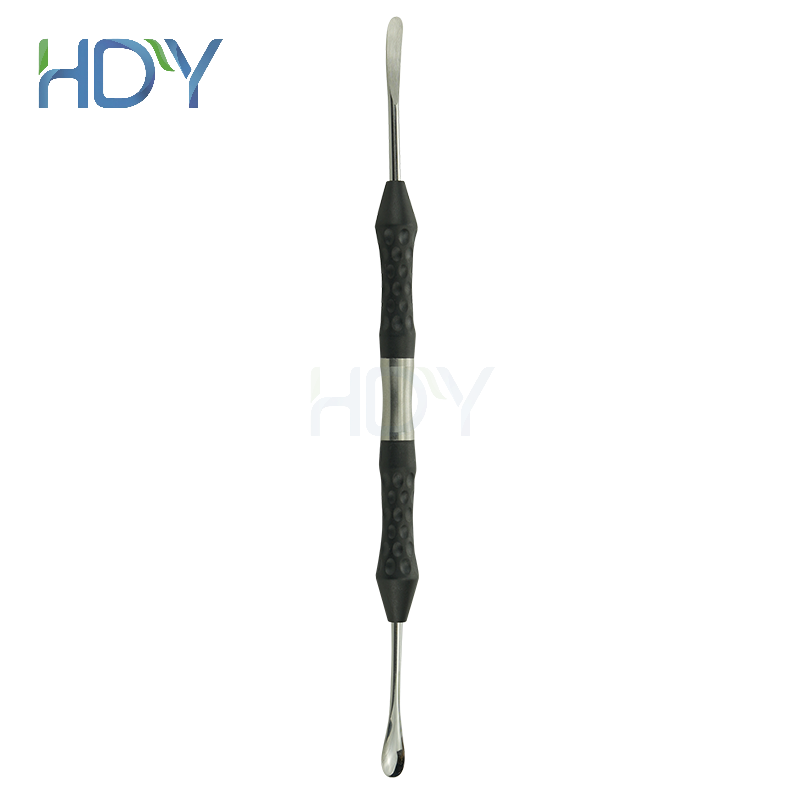
When Should You Choose Dental Surgical Instruments OEM?
OEM sourcing is worth considering when your business needs more control over how its dental instruments are specified, presented, and marketed.
OEM may be suitable if you want to:
- Build a private-label dental instrument brand.
- Develop a consistent look across a product family.
- Discuss agreed specifications, finishes, markings, or packaging.
- Assemble a product portfolio for a defined customer segment.
- Work with a manufacturer on repeat orders based on approved requirements.
Successful OEM projects begin with clear documentation. Define the intended use, product models, dimensions where applicable, material requirements, branding details, packaging, acceptance criteria, and regulatory responsibilities before production.
Explore private-label dental surgical instruments →How to Choose the Right Sourcing Model for Your Business
Instead of choosing based on unit price alone, assess your current sales channels, brand goals, product requirements, and expected order frequency.
Define Your Business Goal
If your priority is selling established products, wholesale may be a suitable starting point. If you want to establish a branded instrument line, evaluate OEM options.
Confirm Product Requirements
List required models, specifications, materials, finishes, branding, packaging, documentation, and any applicable market-entry requirements.
Compare Total Procurement Cost
Consider product prices, minimum order quantities, sampling, packaging, shipping, import charges, inspection arrangements, and expected inventory turnover.
A flexible approach: Some distributors start with standard wholesale products to understand demand, then introduce OEM or private-label products in categories with a clearer sales opportunity. Whether this approach works depends on the supplier's available models and commercial terms.
Dental Instrument Sourcing Solutions for Distributors and Brands
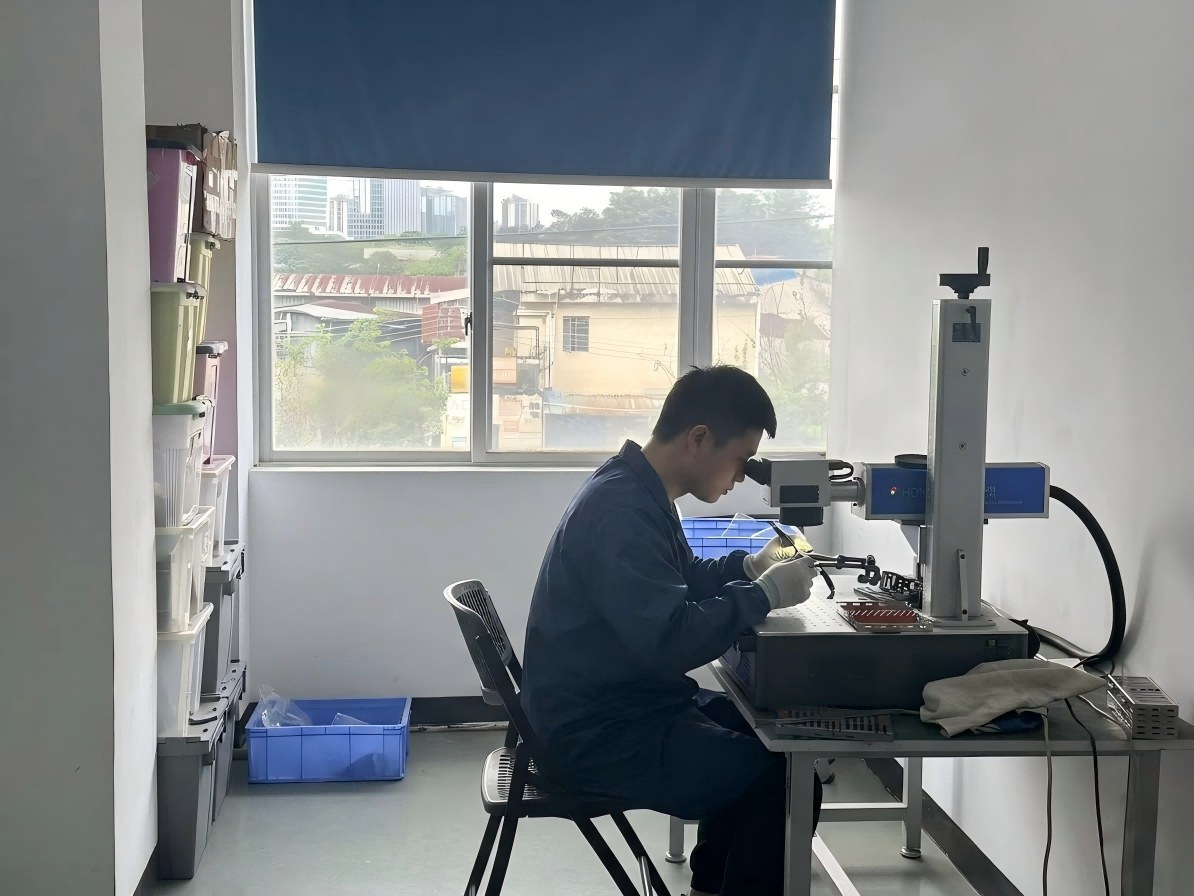
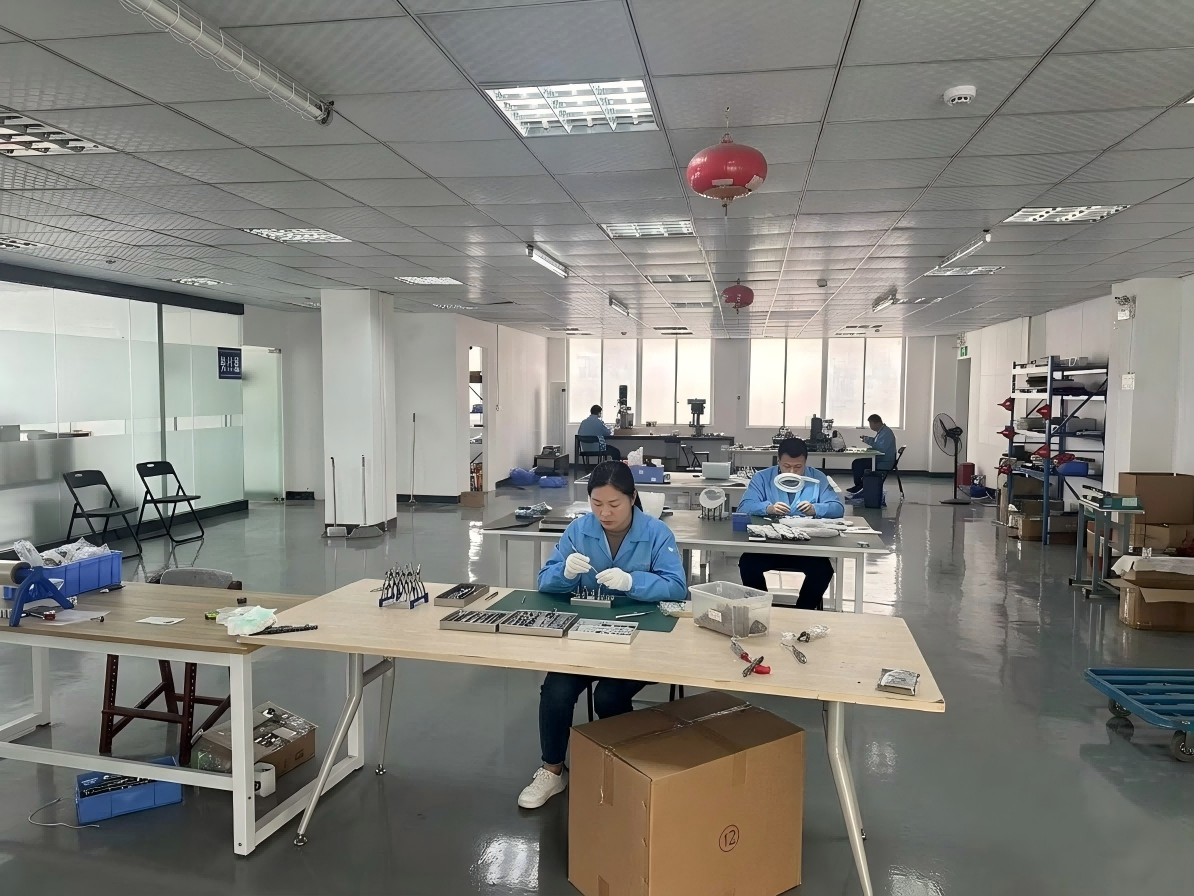
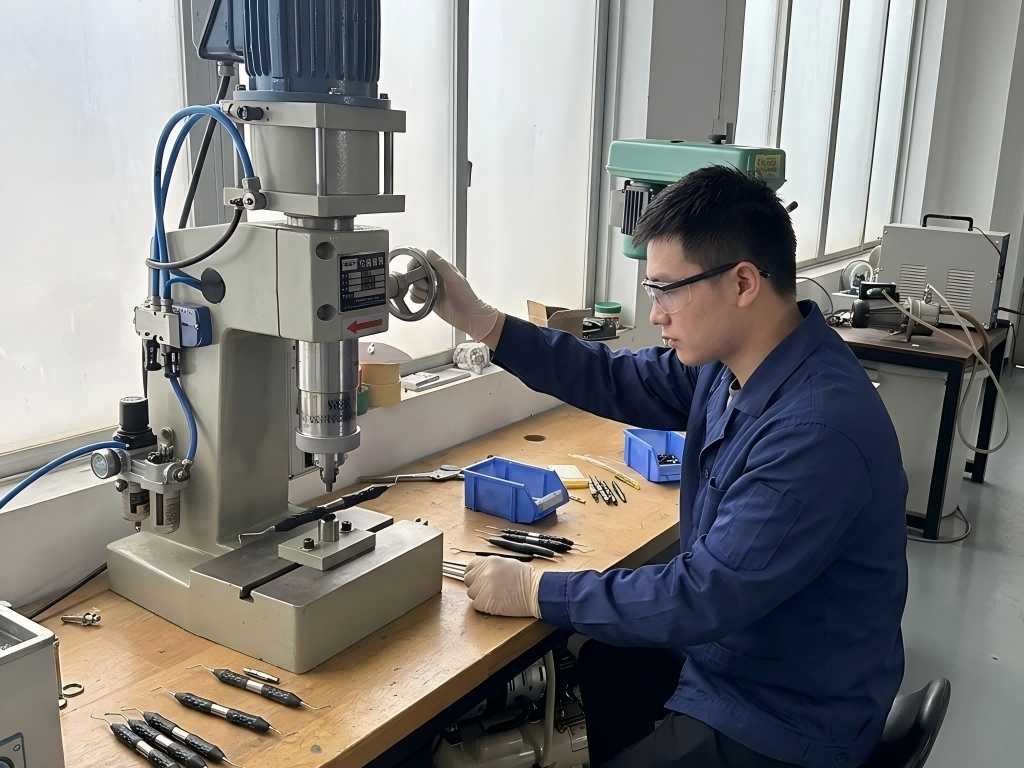
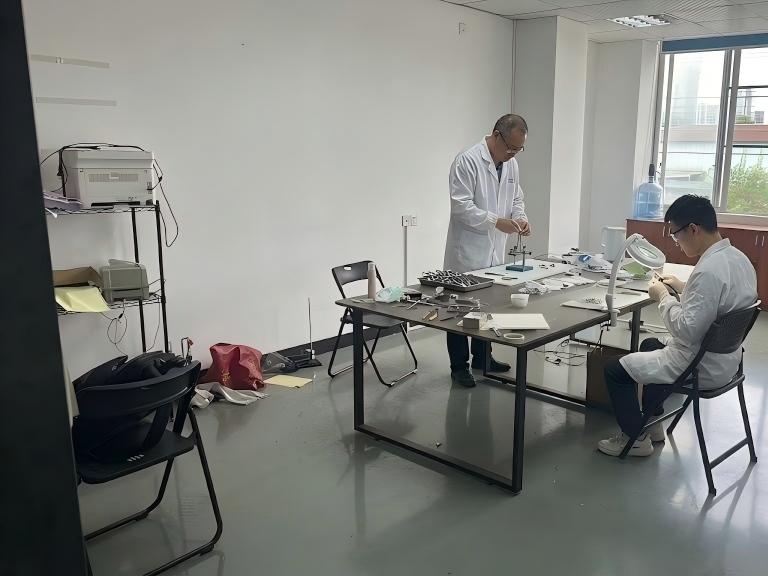
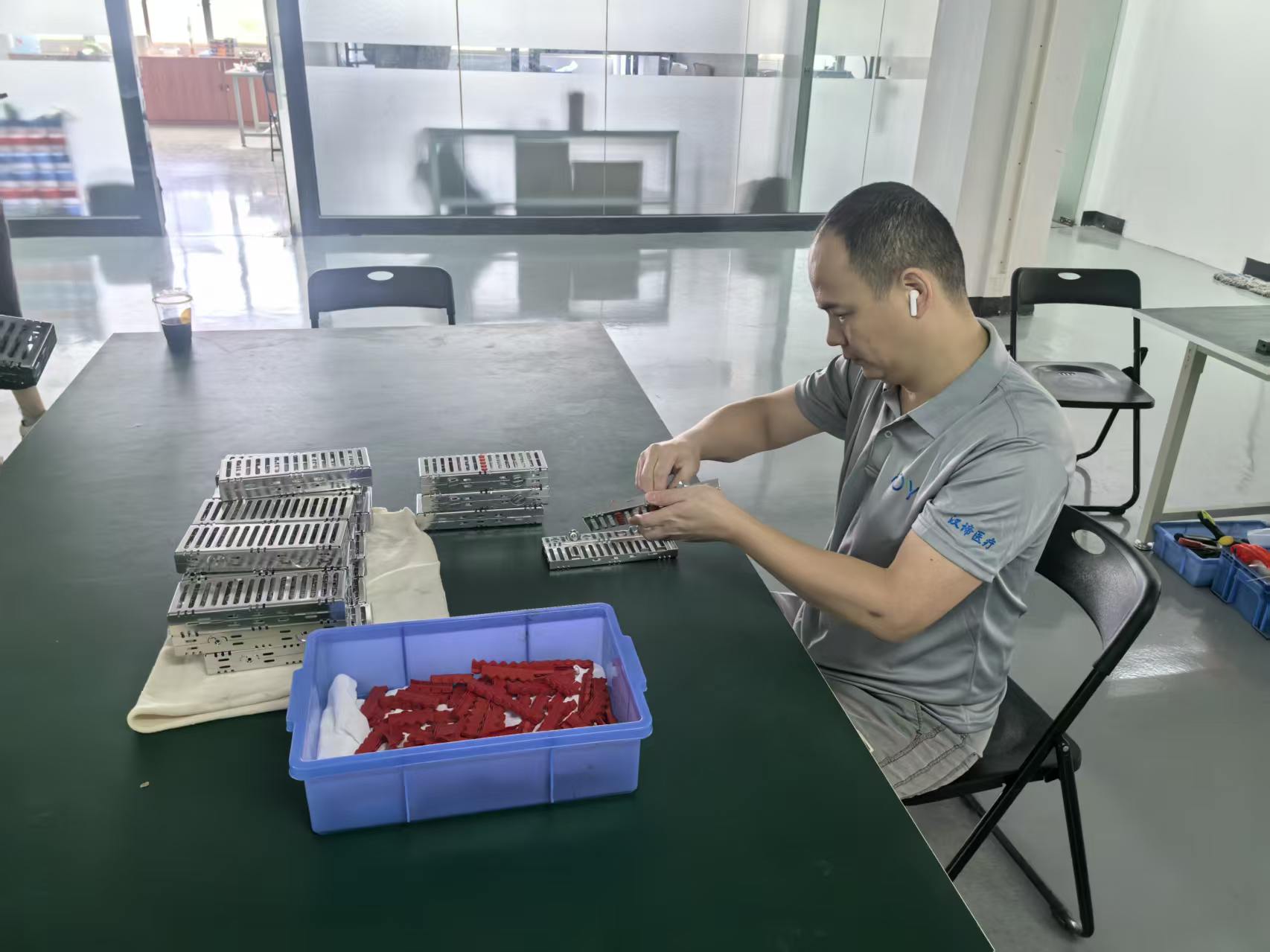
HDY Medical Technology (Guangzhou) Co., Ltd. focuses on dental and oral surgical instruments, supporting B2B buyers looking for product sourcing, OEM/ODM discussions, and private-label opportunities.
Product Range for B2B Buyers
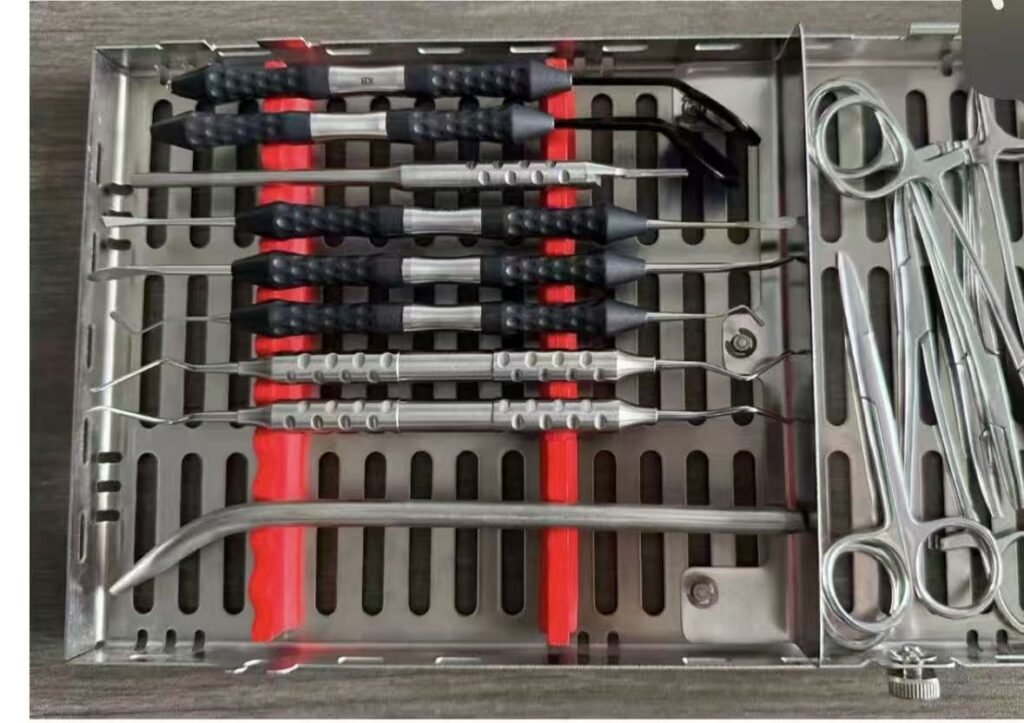
Explore dental surgical instrument categories and identify models that align with your catalog, sales channel, and customer requirements.
- Review existing product options.
- Discuss suitable product combinations.
- Confirm model availability and specifications before ordering.
OEM / ODM Project Communication
For buyers seeking customization, HDY can discuss project requirements such as product selection, agreed specifications, branding, and packaging, subject to feasibility and confirmation.
- Clarify the requested product and intended market.
- Review customization and packaging requirements.
- Confirm samples, quotation, MOQ, and lead time with the team.
Explore Dental Surgical Instrument Categories
Review relevant product categories before preparing a wholesale inquiry or OEM project brief. Confirm individual model details and customization availability with HDY.
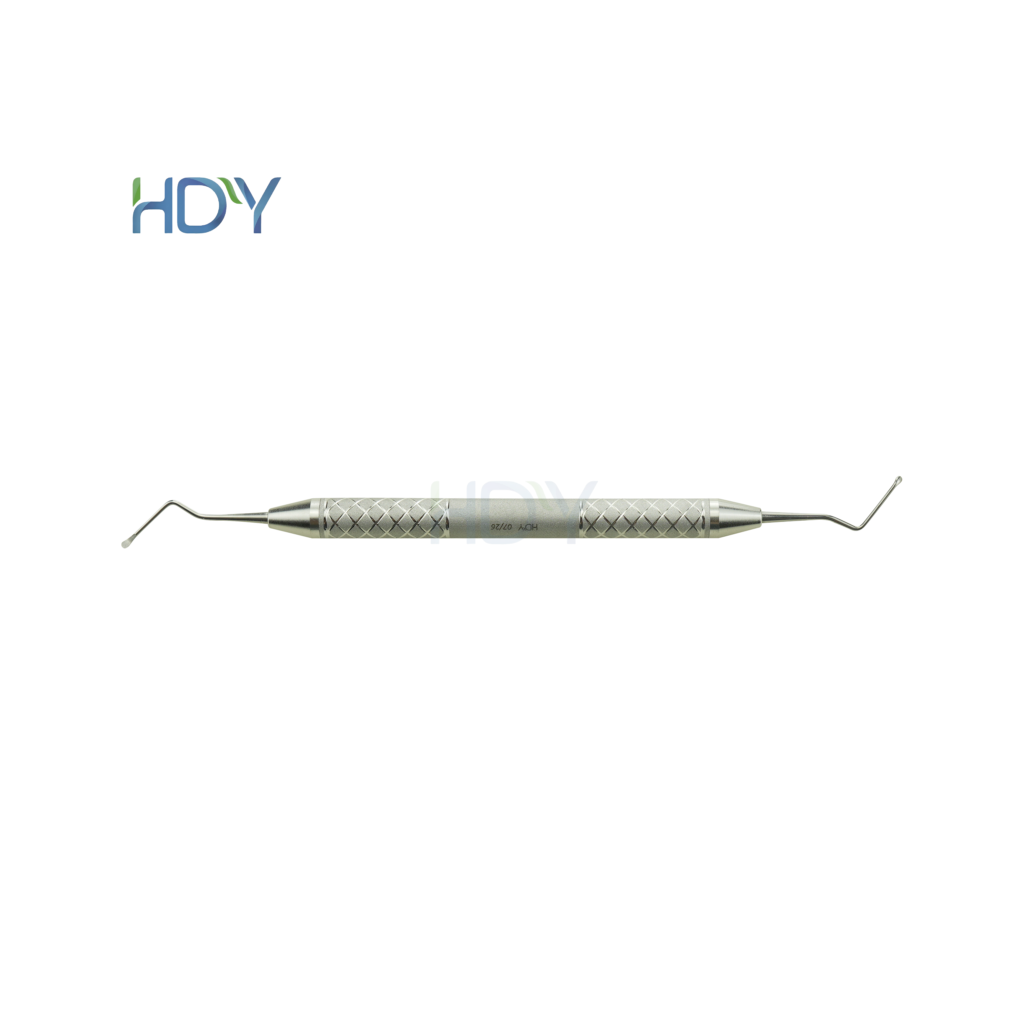
Dental Elevators
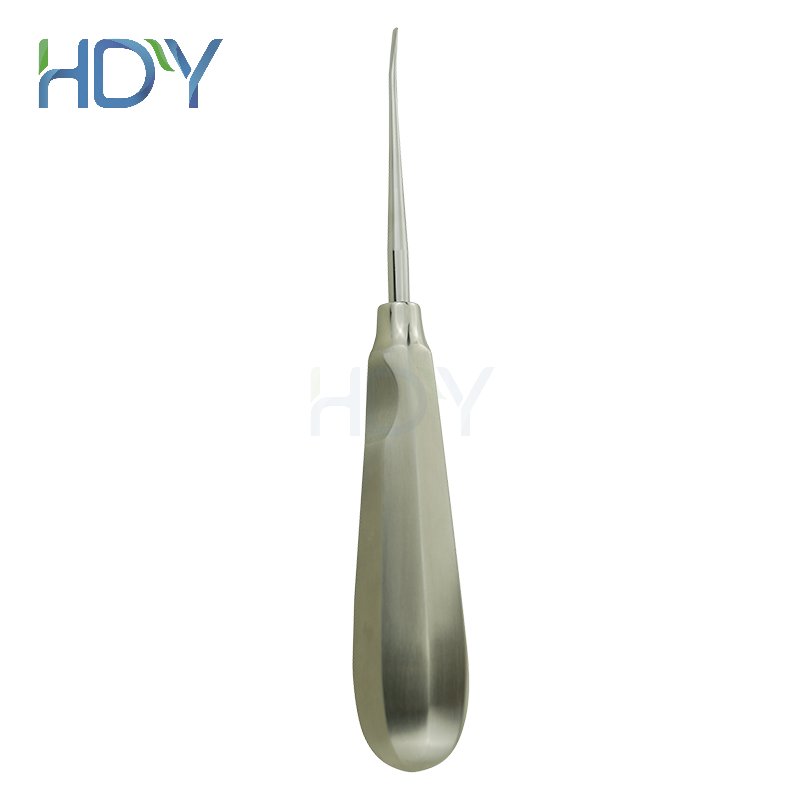
Explore dental elevator models for instrument distributors and buyers developing an oral surgery product catalog.
View Dental Elevators →
Periosteal Elevators
Review periosteal instrument options when planning a dental surgical instrument assortment.
View Periosteals →
Dental Surgical Instruments
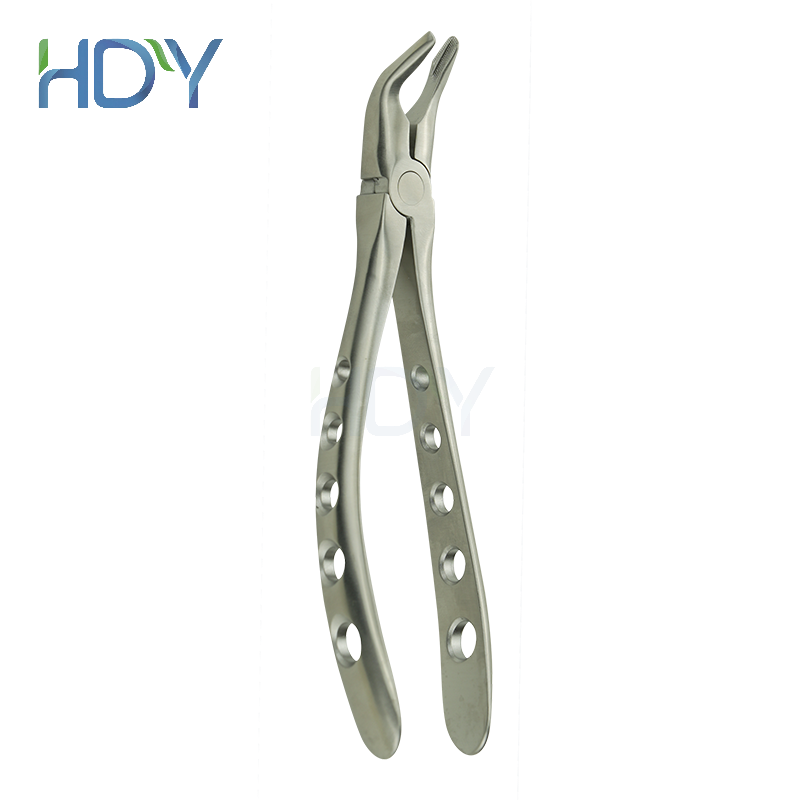
Browse the broader surgical instrument category and discuss which products fit your purchasing plan.
Explore Surgical Instruments →What to Prepare Before Requesting an OEM Quotation
A clear inquiry helps the supplier evaluate feasibility and provide a more useful quotation.
Product Brief
List instrument names, model references, quantities, intended use, and required specifications. Provide drawings or reference samples if available.
Branding and Packaging
Share your logo files, marking preferences, packaging concept, labeling needs, and any market-specific documentation requirements.
Commercial Plan
Indicate estimated order quantities, target delivery schedule, destination market, and whether you expect recurring orders.
Read more about custom dental instruments from drawings or samples and HDY OEM/ODM services.
Frequently Asked Questions About Dental Surgical Instruments OEM
Common questions from dental instrument importers, distributors, and private-label brands.
1. What is the main difference between dental surgical instruments OEM and wholesale?
Wholesale generally involves purchasing existing products for resale. OEM sourcing may include production to agreed specifications, branding, and packaging requirements. The exact scope depends on the supplier agreement.
2. Is OEM always more expensive than wholesale?
Not necessarily. OEM may involve additional development, sampling, packaging, or setup costs, while the final unit price depends on product specifications, order quantity, and commercial terms. Compare the full project cost rather than unit price alone.
3. Can I sell dental surgical instruments under my own brand?
Private-label arrangements may allow instruments to be presented under your brand, subject to the manufacturer's capabilities, written agreement, applicable labeling rules, and market requirements. Confirm logo placement, packaging, documentation, and ownership terms before production.
4. What is the minimum order quantity for OEM dental instruments?
There is no universal MOQ for every dental instrument. Requirements can vary by model, material, customization, packaging, and production setup. Contact HDY with your product list and estimated quantities to discuss project feasibility.
5. Can a distributor start with wholesale and move to OEM later?
Yes. A distributor may begin with standard products to assess demand and consider private-label products later. Before switching, confirm that the proposed OEM models meet your product specifications, branding needs, commercial targets, and applicable market requirements.
6. What should I check when evaluating a dental surgical instruments manufacturer?
Review product specifications, material information, production capabilities relevant to your order, quality procedures, available documentation, sample approval arrangements, lead times, communication, and after-sales terms. Verify any claimed certifications and regulatory documents for the relevant products and markets.
7. Does HDY support OEM and ODM dental instrument inquiries?
HDY provides an OEM/ODM inquiry channel for dental instrument projects. Buyers should share their target models, quantities, specifications, branding, and packaging needs so the team can confirm the feasible scope and commercial terms.
Related Dental Instrument Sourcing Resources
Explore additional information to plan your purchasing and supplier evaluation process.
Looking for a Dental Surgical Instruments OEM Partner?
Whether you need standard dental instruments for wholesale purchasing or want to discuss an OEM/private-label project, share your product list and purchasing requirements with HDY Medical Technology.
Contact HDY for Your Sourcing Inquiry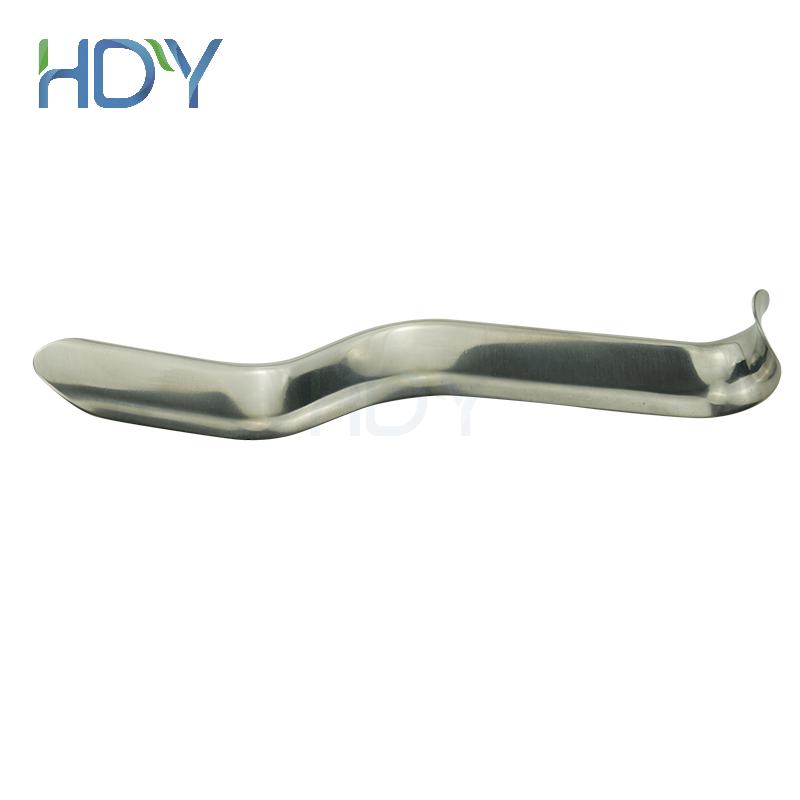
 English
 简体中文
 Español
 Deutsch
 Français
 العربية