
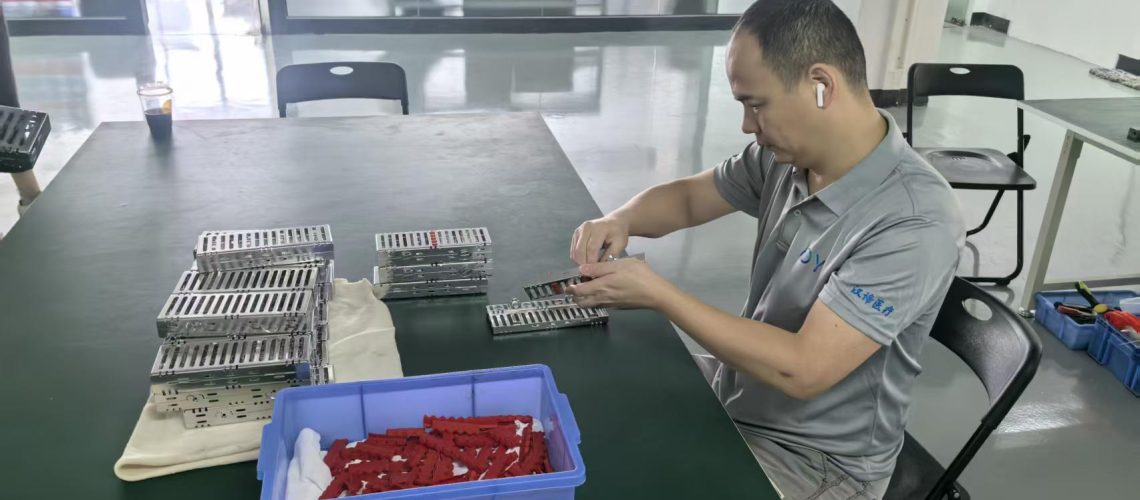
Dental Surgical Instruments Quality Control: From Raw Materials to Final Inspection
Dental surgical instruments quality control is a critical part of reliable manufacturing and responsible procurement. From material verification and precision machining to surface finishing, final inspection and packaging, each stage should be managed against defined product requirements.
For distributors, importers, hospitals and private-label brands, understanding these checkpoints makes it easier to evaluate a dental surgical instruments manufacturer, communicate technical requirements and establish a repeatable purchasing process.
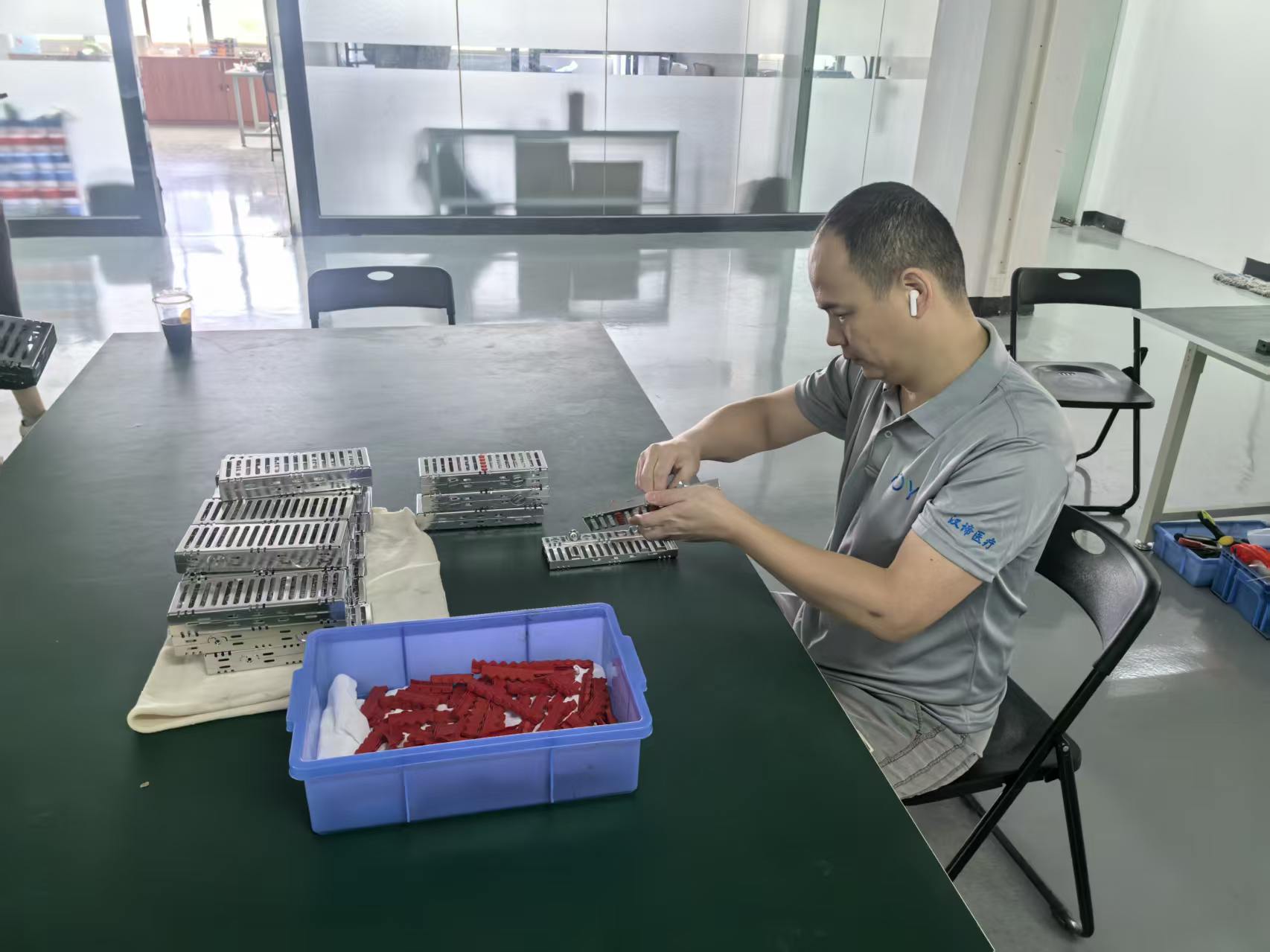
Why Quality Control Matters for Dental Surgical Instruments
Dental surgical instruments are expected to meet their defined design, material, dimensional and functional requirements. Depending on the instrument, relevant characteristics may include working-end geometry, joint movement, edge condition, surface finish, handle design and resistance to the intended cleaning or sterilization process.
A professional quality control process helps identify discrepancies before products reach customers. It also gives manufacturers and buyers a shared basis for product approval, corrective action and repeat orders.
For B2B procurement, quality should not be assessed from appearance alone. Buyers should review specifications, inspection methods, applicable documentation and the manufacturer's approach to managing product changes.
Key Quality Control Objectives
- Confirm that incoming materials match approved requirements.
- Maintain dimensional and design consistency during production.
- Evaluate workmanship and surface condition.
- Check product-specific functional characteristics where applicable.
- Verify product identification, quantity and packaging.
- Maintain appropriate inspection and order records.
Dental Surgical Instruments Quality Control Process
A well-defined inspection plan connects material selection, manufacturing operations and finished-product acceptance. The precise checkpoints should be tailored to the instrument design and its approved specifications.
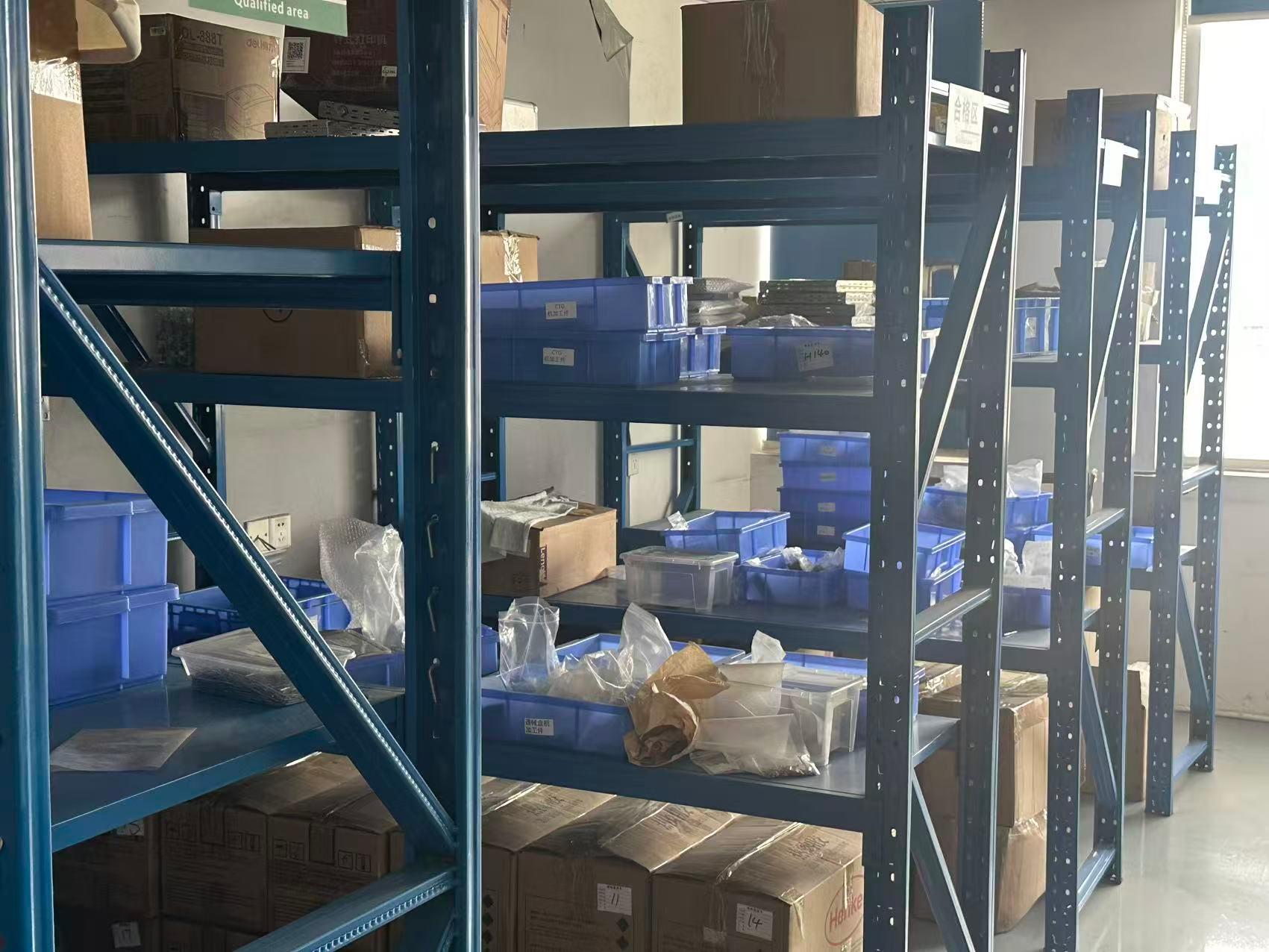
Raw Materials
Verify material identity, supplier documentation and relevant specifications before materials are released for production.
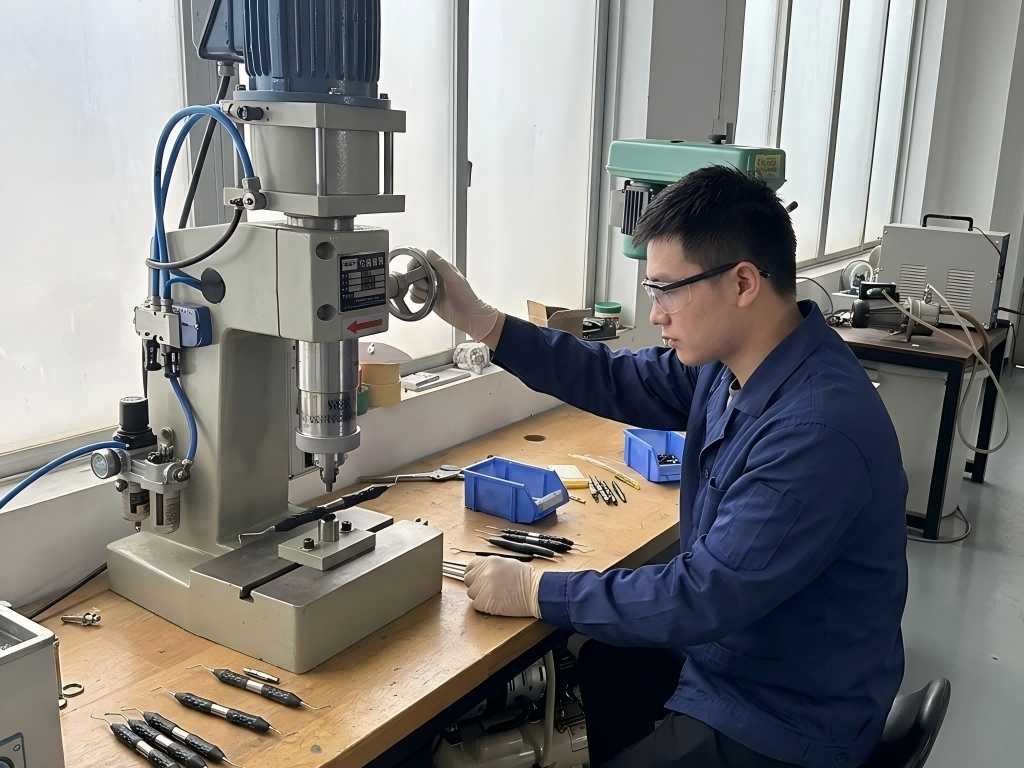
Precision Machining
Check dimensions, shape, alignment and design features against the approved drawing or product specification.
Heat and Surface Treatment
Where applicable, manage the specified treatment parameters and inspect the resulting surface condition and product characteristics.
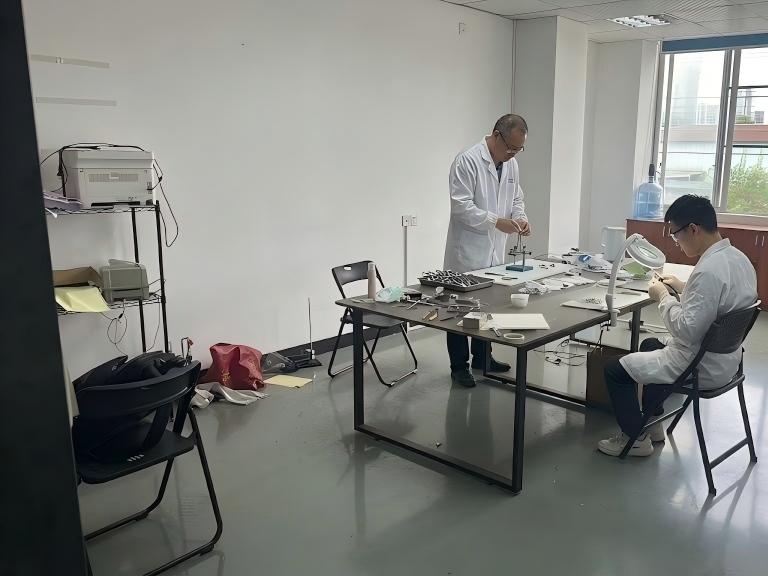
Final Inspection
Review workmanship, product-specific function, identification, packaging and order completeness before release.
Raw Material Inspection and Verification
Material selection influences an instrument's mechanical properties, corrosion resistance, surface finish and suitability for its intended use. Requirements vary by product type, so material selection should follow the approved product specification rather than a generic assumption about all dental instruments.
Incoming material checks may include reviewing material grades, supplier documentation, identification records, dimensions and visible condition. Additional verification may be appropriate when specified by the product requirements or risk assessment.
For buyers, a useful starting point is to ask the supplier which material specification applies to the selected model and what supporting records are available.
Raw Material Checklist
- Confirm the specified material grade or material type.
- Review applicable supplier certificates or material records.
- Check incoming material identification and traceability arrangements.
- Inspect for visible damage, contamination or unacceptable defects.
- Verify relevant dimensions or characteristics where required.
- Document and resolve discrepancies before production use.
Precision Machining and Dimensional Inspection
Manufacturing accuracy helps instruments match their intended design. Inspection criteria should be defined according to the geometry, tolerances and functional requirements of each product.
Dimensions and Geometry
Check specified length, width, thickness, working-end profile and other critical dimensions against the approved drawing or specification.
Alignment and Assembly
For instruments with joints or multiple components, inspect alignment, assembly condition and relevant movement or engagement characteristics.
Workmanship
Review edges, transitions, machined surfaces and component consistency for defects that could affect the instrument's defined requirements.
Buyer tip: Request a controlled specification for customized instruments. Photographs alone may not define tolerances, dimensions or other acceptance criteria clearly enough.
Heat Treatment and Surface Finishing
Where a product design requires heat treatment or a specialized finishing process, controls should be appropriate to the material, product and specified manufacturing method.
- Use defined process requirements where treatment is applicable.
- Review surface condition after relevant manufacturing stages.
- Check for visible scratches, pits, burrs or other unacceptable defects.
- Verify product-specific characteristics against the approved specification.
- Maintain relevant process or inspection records as required.
Why Surface Quality Deserves Attention
Surface condition affects product appearance and may influence cleaning, maintenance and corrosion performance. However, a polished appearance by itself does not prove material quality, corrosion resistance or compliance with a particular standard.
Buyers should distinguish between visual inspection and tests intended to verify specific performance claims. Where corrosion resistance, hardness or other properties are critical, ask which requirements apply and what evidence can be provided.
The inspection plan should reflect the actual instrument type, materials and intended use instead of applying one generic test list to every product.
Functional Inspection for Different Instrument Types
Final acceptance criteria should reflect how the instrument is designed to function. Different product categories require different checks.
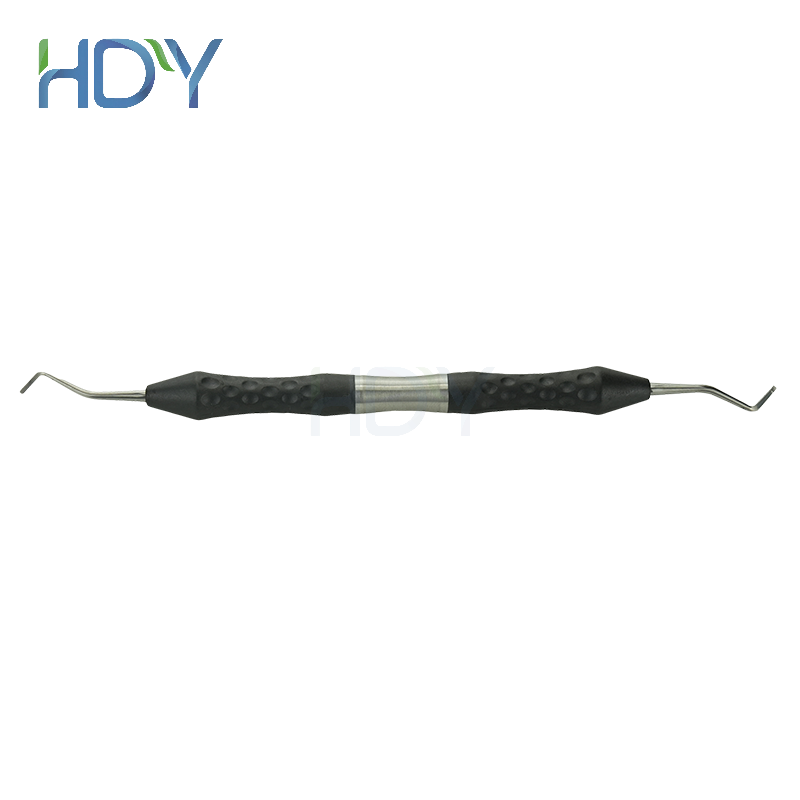
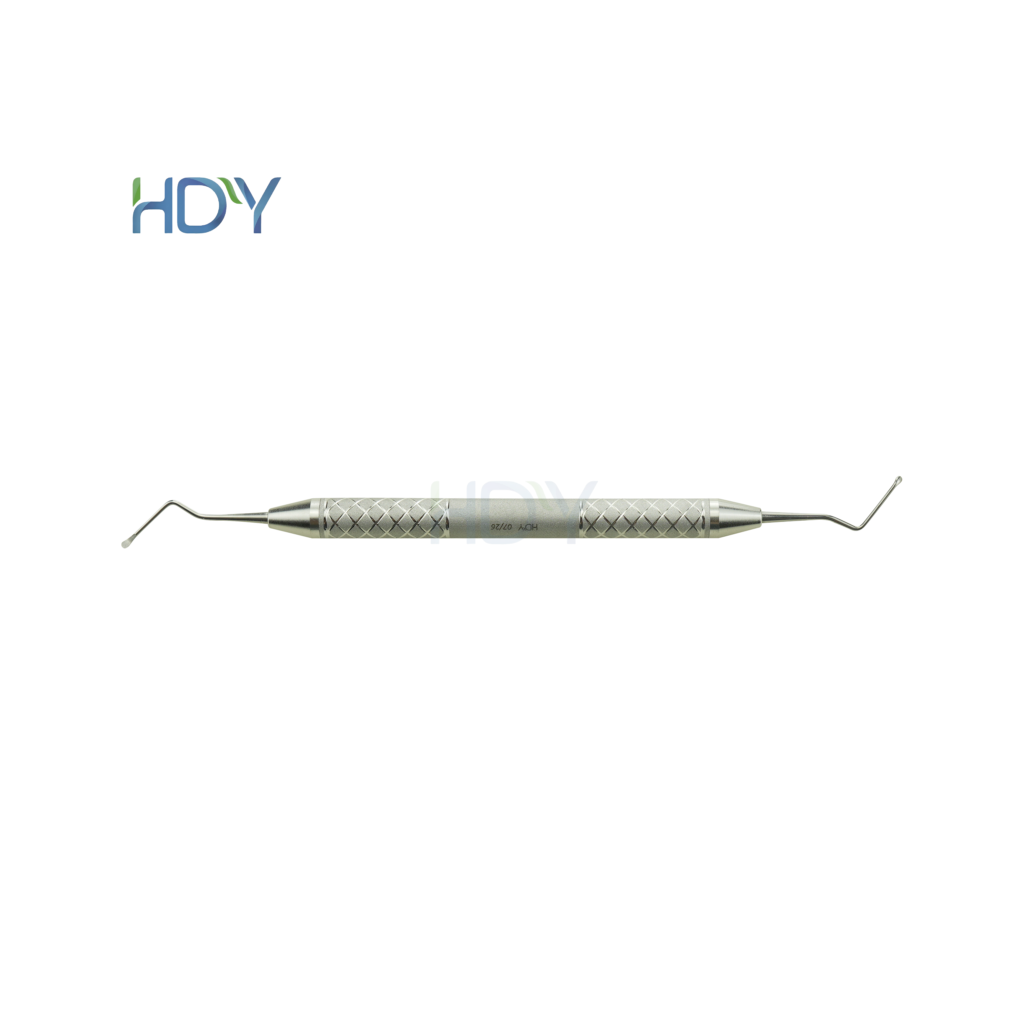
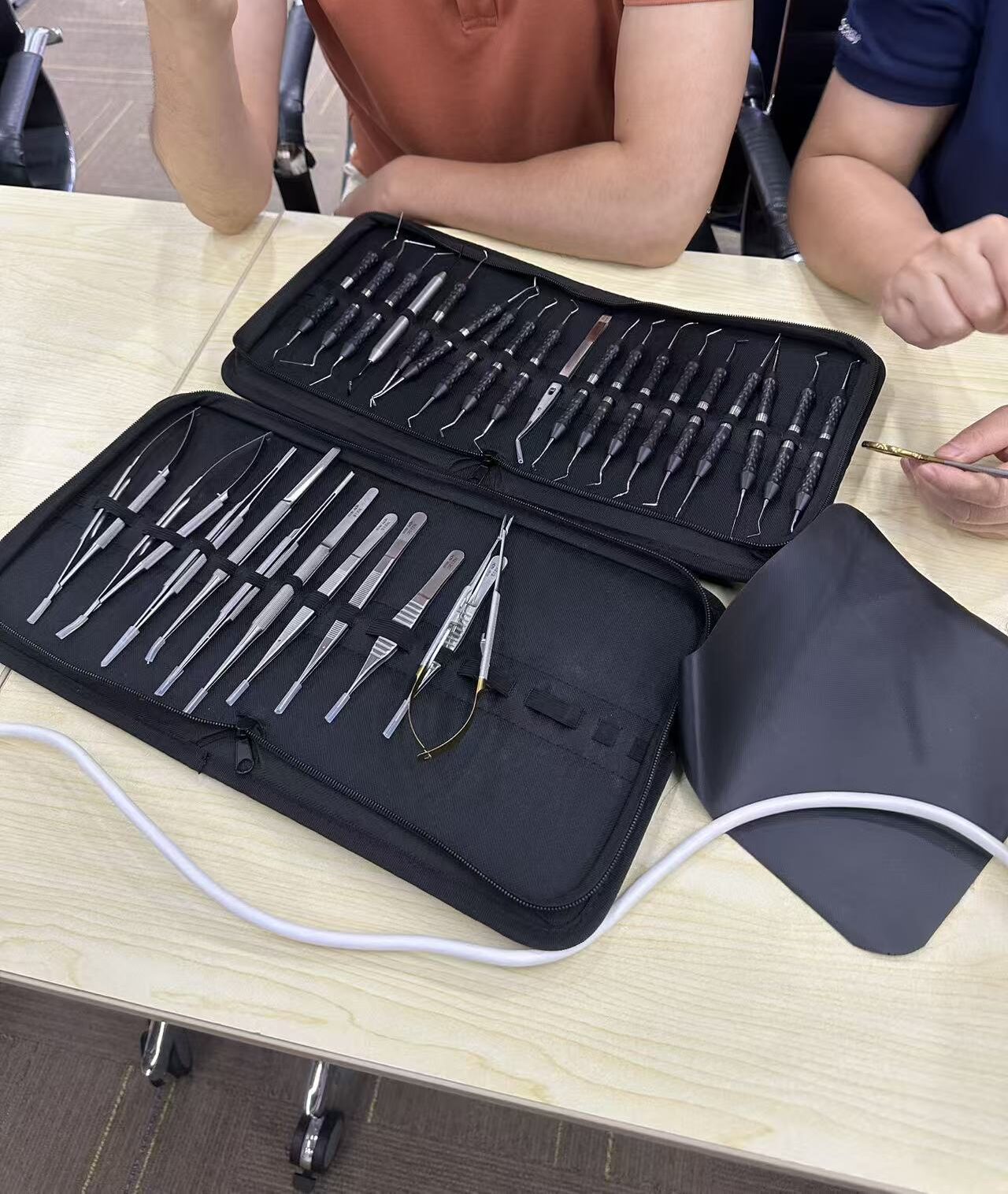
Elevators and Hand Instruments
Review the working-end profile, handle condition, surface finish and relevant design dimensions. Edge geometry should be checked according to the specific instrument specification.
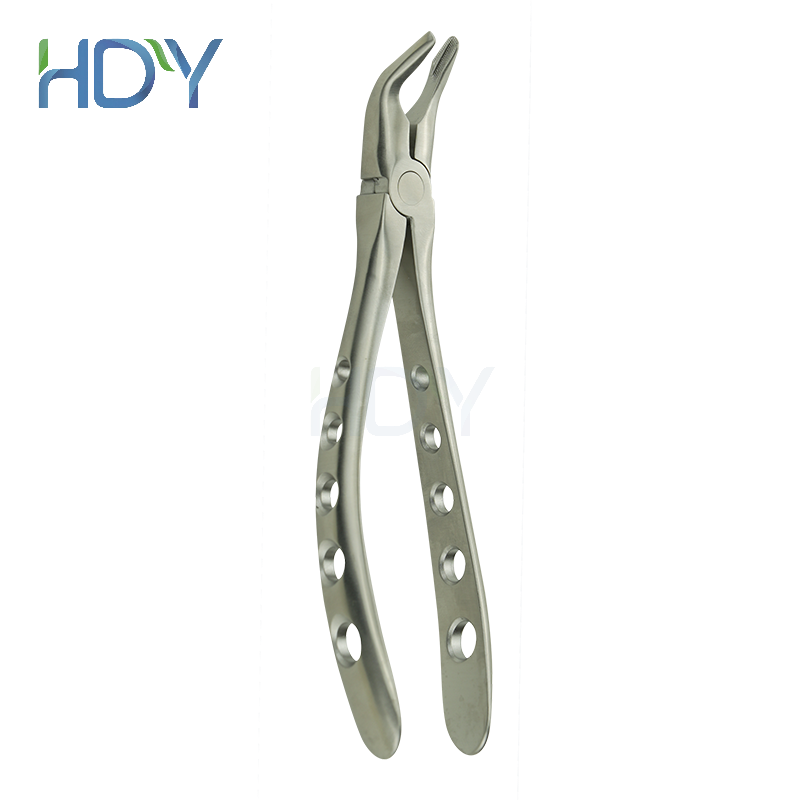
Forceps and Hinged Instruments
Where applicable, inspect joint movement, alignment, jaw engagement, closure and other product-specific functional characteristics.
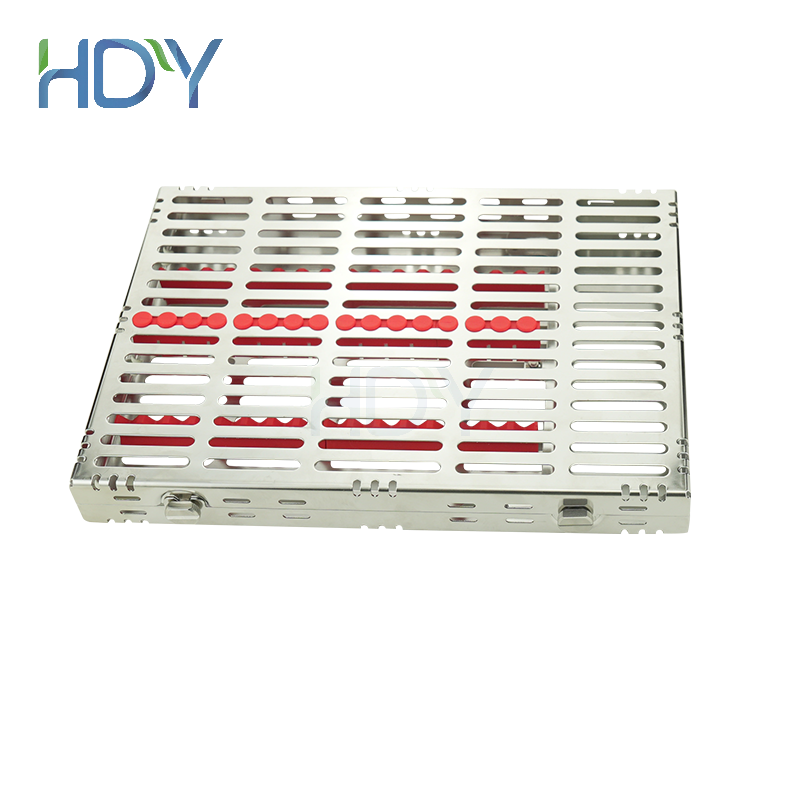
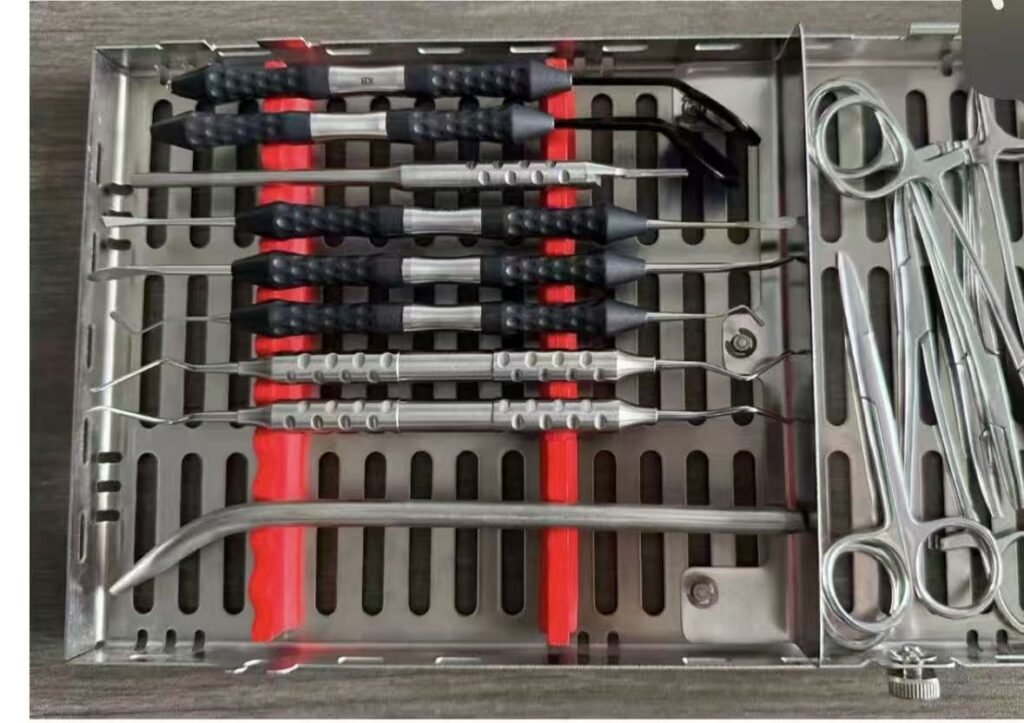
Instrument Sets and Cassettes
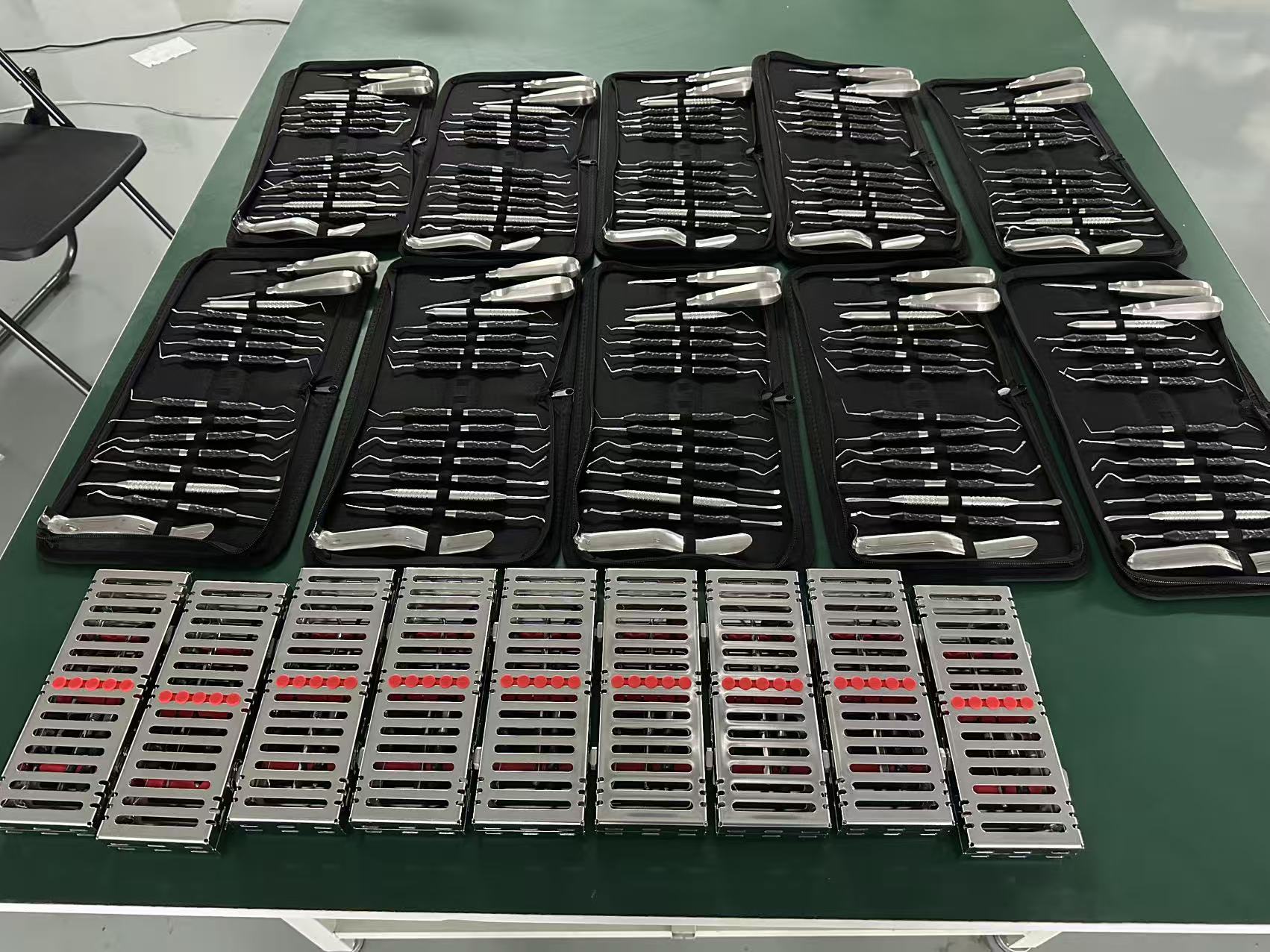
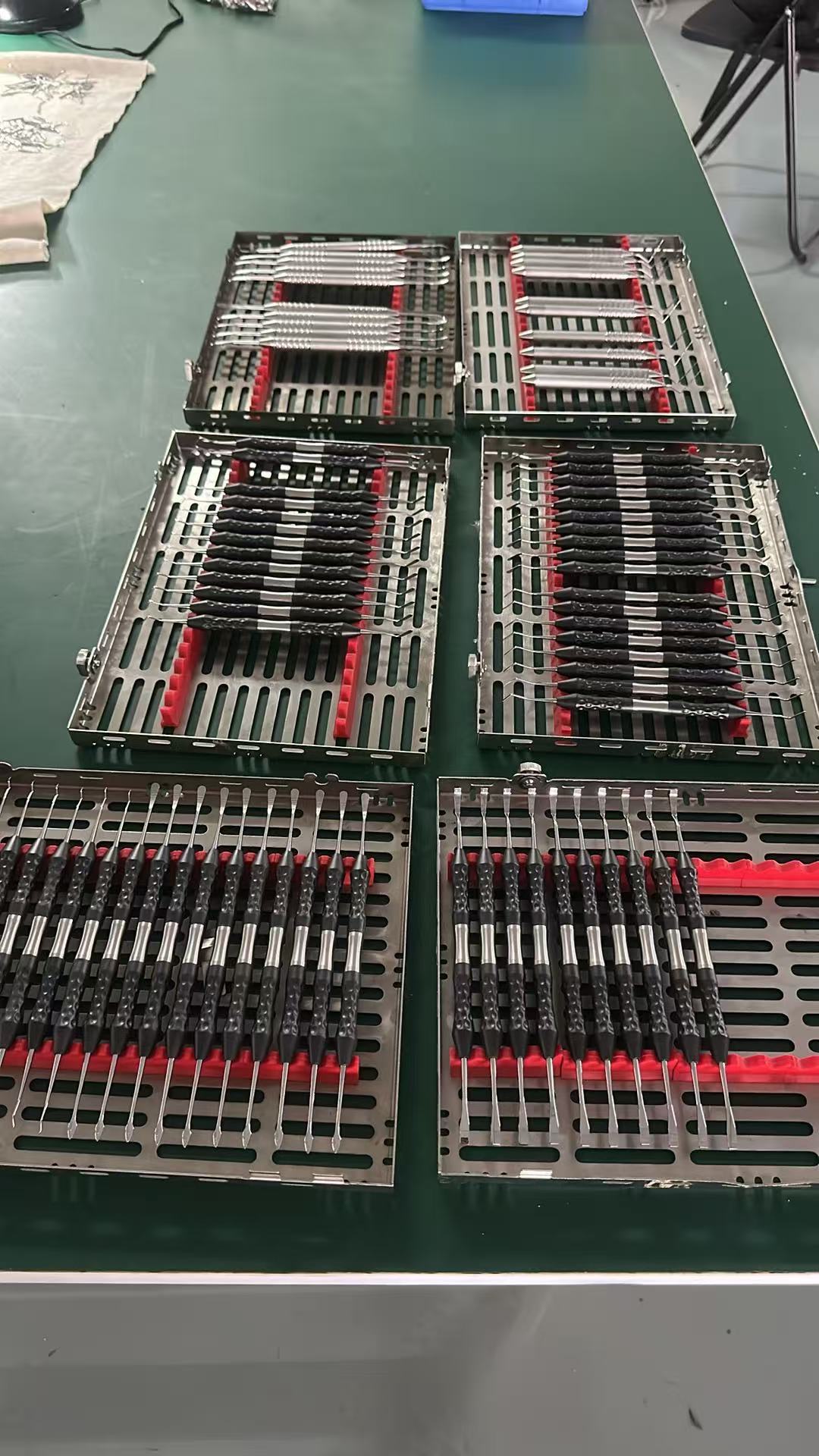
Confirm the approved contents, model references, quantity, arrangement and compatibility with the specified storage or packaging configuration.
Functional inspection should use defined acceptance criteria suitable for the particular product. Do not assume that a single functional test is appropriate for every instrument.
Final Inspection Before Packaging and Shipment
Final inspection provides a last opportunity to identify discrepancies between the finished product, approved specifications and customer order.
Product Verification
- Verify model codes and product identity.
- Check appearance and workmanship.
- Review critical dimensions where required.
- Perform applicable functional checks.
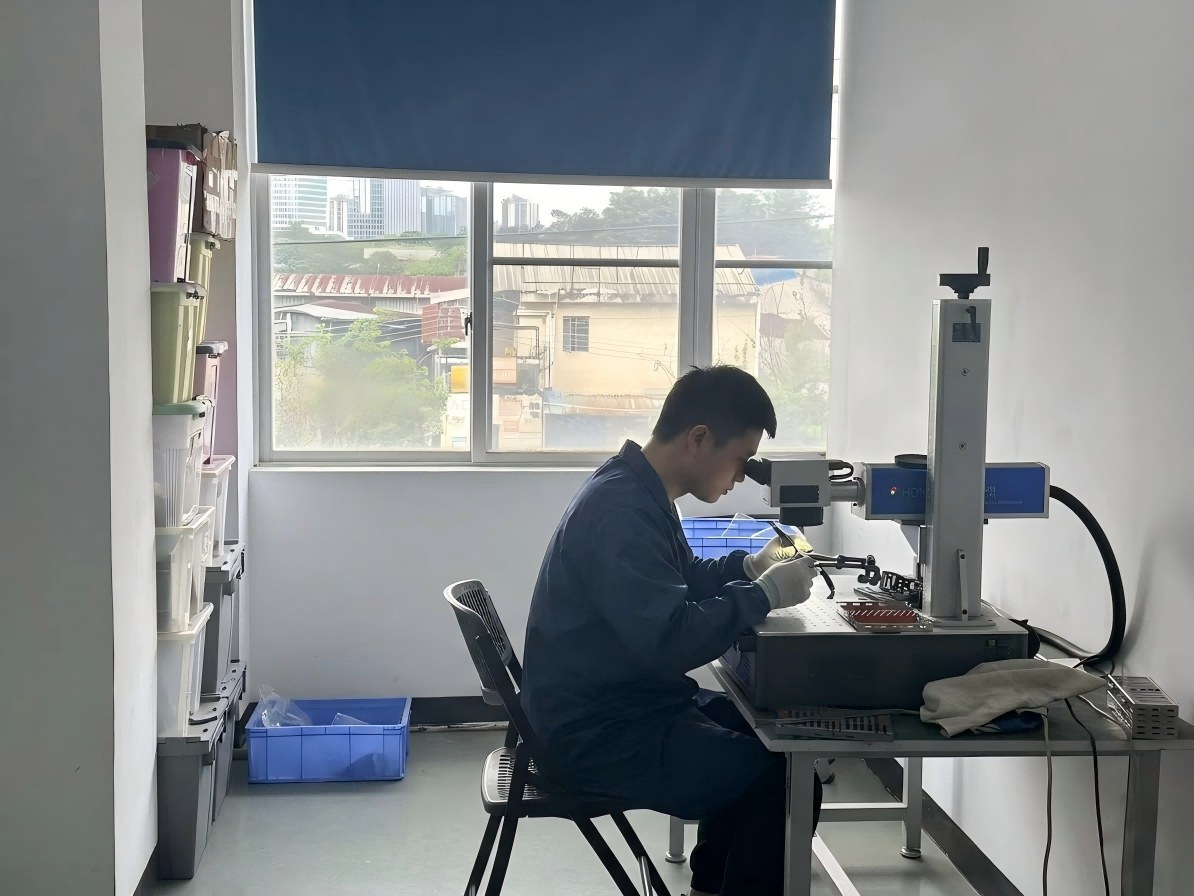
- Confirm approved logo placement and marking.
- Record and resolve identified nonconformities.
Packaging and Order Verification
- Confirm product quantity and set configuration.
- Check labels, SKU and packaging artwork.
- Verify required accompanying documents.
- Review packaging condition and protection.
- Confirm order-specific requirements have been met.
- Maintain appropriate inspection and release records.
How Buyers Can Evaluate a Dental Instrument Quality System
Use this table when reviewing a potential dental surgical instruments supplier. Ask for evidence relevant to the specific products you plan to purchase.
| Quality Area | Questions to Ask | Useful Evidence or Records |
|---|---|---|
| Material control | How are material specifications and incoming materials verified? | Applicable material records and incoming inspection records |
| Production control | How are drawings, dimensions and production requirements managed? | Approved specifications and relevant process records |
| Surface quality | What surface defects are unacceptable for this product? | Defined acceptance criteria and inspection records |
| Functional checks | Which functional characteristics are checked for the model? | Product-specific inspection criteria and results, where available |
| Nonconforming products | How are discrepancies identified, segregated and resolved? | Documented handling and corrective-action process, where applicable |
| Traceability | What production, order or batch records can be linked to the goods? | Available product, order or batch identification records |
| Documentation | Which documents apply to the selected models and destination market? | Product-specific documentation and applicable conformity records |
| Repeat orders | How are approved specifications and revisions maintained? | Approved samples, specification revisions and change records |
Quality Control Considerations at HDY
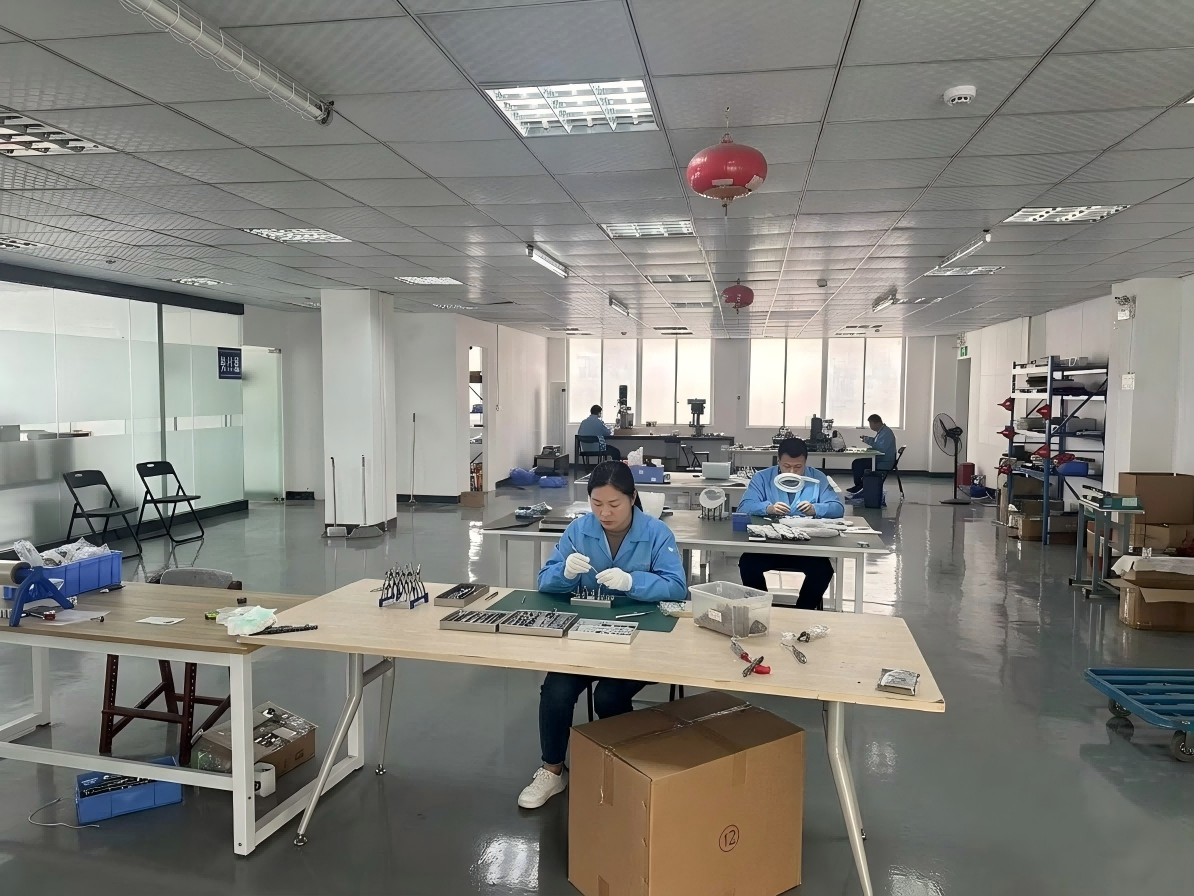
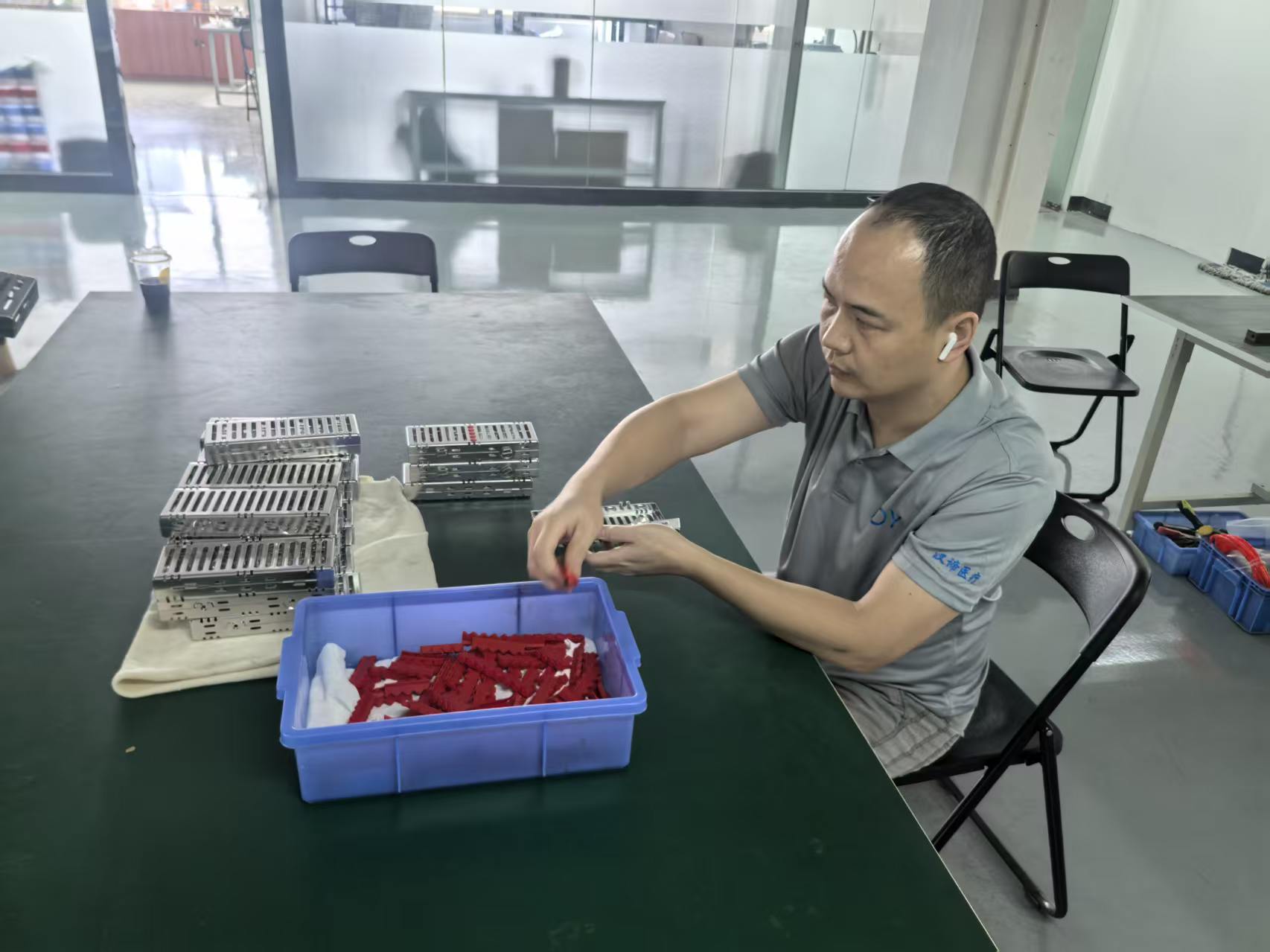
HDY Medical Technology (Guangzhou) Co., Ltd. focuses on dental and oral surgical instruments. Its manufacturing workflow includes product design, material selection, precision machining, heat treatment where applicable, surface finishing and quality checks.
For B2B projects, buyers can discuss the required instrument models, technical specifications, product identification, customization and inspection expectations with HDY before confirming an order.
Specific inspection methods, acceptance criteria, documentation and product availability should be confirmed for the selected models and project.
Discuss These Points Before Ordering
- Product models and approved specifications
- Material requirements and applicable documentation
- Sample approval and inspection expectations
- OEM logo, labeling and packaging requirements
- Order-specific acceptance criteria
- Available product and order identification records
- Procedure for handling nonconforming products
- Requirements for future repeat orders
Quality Control for Custom Dental Surgical Instruments
Custom products need clearly documented requirements. When a distributor or brand requests logo marking, packaging changes or instrument modifications, the approved specification should remain the reference for evaluation and production.
Define
Share product codes, drawings, reference samples, quantities and technical requirements.
Review
Discuss feasibility, specifications, applicable documentation and inspection expectations.
Approve
Review the sample, logo, packaging and any relevant product changes before production.
Maintain
Keep approved product references and revision information available for repeat orders.
Related Dental Instrument Manufacturing Resources
Learn more about HDY products, manufacturing and customization services.
Dental Surgical Instruments Quality Control FAQ
Common questions from dental instrument buyers, distributors and OEM/ODM customers.
What is dental surgical instruments quality control?
Dental surgical instruments quality control is the process of checking materials, manufacturing operations, product characteristics and finished goods against defined requirements. The specific checks depend on the instrument design, intended use and applicable standards.
What should be checked during raw material inspection?
Checks may include material identification, applicable supplier documentation, dimensions, visible condition and other characteristics specified for the product. Additional verification should be based on the relevant technical requirements.
Why is dimensional inspection important for dental instruments?
Dimensional inspection helps verify that a product matches its approved design and tolerances. Relevant dimensions may include overall length, working-end geometry, component alignment and other critical features defined for the instrument.
How can buyers evaluate a dental instrument manufacturer's quality control?
Buyers can review product specifications, material documentation, inspection criteria, sample approval, nonconformity handling, applicable product documents and the supplier's method for maintaining approved specifications for repeat orders.
Does a polished surface prove that a dental instrument is high quality?
No. Visual appearance is only one aspect of product evaluation. Material identity, dimensions, workmanship, functional characteristics, relevant performance evidence and applicable documentation may also be important.
What quality documents should I request from a dental instrument supplier?
Request documents relevant to the exact product and destination market, such as applicable material records, inspection records, product specifications or conformity documentation where relevant. Confirm each document's scope rather than assuming it applies to every model.
How does quality control support OEM dental instrument projects?
OEM quality control helps align customized products with approved specifications, logos, packaging and inspection expectations. Buyers and manufacturers should document approved samples and revisions to support consistent production and repeat orders.
Can HDY discuss quality requirements for customized instruments?
Buyers can contact HDY to discuss product models, specifications, samples, customization and applicable inspection expectations. Specific testing methods, acceptance criteria and available documentation should be confirmed for the requested products.
Looking for a Dental Surgical Instruments Manufacturer?
Share your required instrument models, technical specifications, order quantities and quality expectations with HDY. Discuss product selection, OEM/ODM requirements and the documentation relevant to your sourcing project.

 English
 简体中文
 Español
 Deutsch
 Français
 العربية