
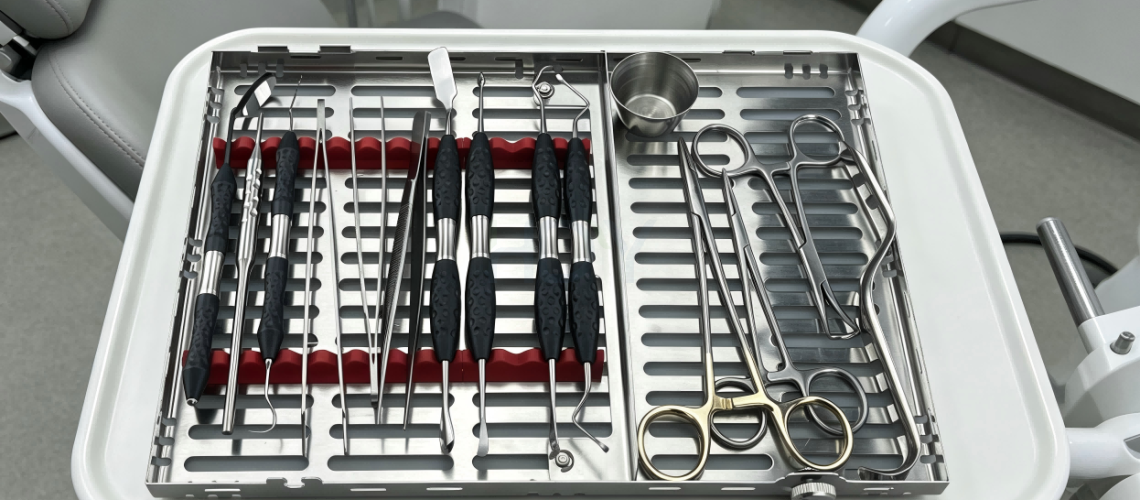
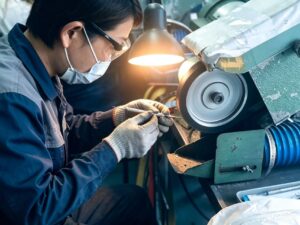
Professional dental instruments are essential tools in modern dentistry, supporting precise diagnosis, treatment, and surgical procedures. Whether used for general dentistry, periodontal treatment, implant surgery, restorative procedures, or oral surgery, maintaining instruments properly is critical for ensuring clinical safety, instrument performance, and long-term durability.
High-quality dental instruments, including dental surgical instruments, dental hand instruments, implant instruments, and periodontal instruments, are designed for repeated clinical use. However, even the best instruments require correct cleaning, sterilization, inspection, and storage procedures to maintain their original performance.
As a professional dental instrument manufacturer, HDY Medical Technology (Guangzhou) Co., Ltd. understands the importance of proper instrument care. This guide provides professional recommendations for cleaning and maintaining dental instruments based on best practices in the dental industry.
Why Proper Dental Instrument Maintenance Matters
Dental instruments are exposed to biological materials, chemicals, moisture, and mechanical stress during daily clinical procedures. Without proper maintenance, instruments may experience:
- Reduced cutting efficiency
- Corrosion and surface damage
- Loss of precision
- Increased risk of contamination
- Shortened service life
- Higher replacement costs
A professional maintenance process helps ensure:
✓ Reliable clinical performance
✓ Patient safety and infection control
✓ Longer instrument lifespan
✓ Better return on investment
✓ Compliance with healthcare standards
For dental clinics, hospitals, and dental laboratories, instrument maintenance should be considered an essential part of daily operations.
Step 1: Immediate Cleaning After Use
The first step in dental instrument maintenance begins immediately after a procedure.
Dental instruments should not be allowed to remain contaminated for extended periods because dried organic materials can become more difficult to remove.
Recommended practices include:
Remove Contaminants Promptly
After use:
- Remove visible biological residues
- Rinse instruments according to clinical protocols
- Prevent blood and tissue materials from drying on surfaces
Immediate cleaning reduces the risk of staining, corrosion, and bacterial accumulation.
Avoid Improper Handling
Dental instruments should not be:
- Left exposed for long periods
- Stored in contaminated environments
- Cleaned with unsuitable chemicals
Proper handling after use protects both instruments and healthcare workers.
Step 2: Proper Cleaning Methods for Dental Instruments
Effective cleaning removes organic residues and prepares instruments for sterilization.
There are two common professional cleaning approaches:
Manual Cleaning
Manual cleaning is commonly used for delicate or specialized instruments.
Recommended procedures:
- Wear appropriate protective equipment
- Use a soft instrument brush
- Clean under running water
- Pay attention to joints, serrations, and working surfaces
- Rinse thoroughly after cleaning
Avoid using aggressive brushes or abrasive materials because they may damage polished surfaces.
Ultrasonic Cleaning
Ultrasonic cleaning is widely used in professional dental environments.
Advantages include:
- Efficient removal of contaminants
- Cleaning of difficult-to-reach areas
- Reduced risk of instrument damage
- Improved cleaning consistency
When using ultrasonic cleaners:
- Follow manufacturer recommendations
- Use approved cleaning solutions
- Avoid overloading the cleaning chamber
- Separate delicate instruments when necessary
Step 3: Use Appropriate Cleaning Solutions
Choosing the correct cleaning solution is essential for protecting dental instruments.
Professional dental instruments are commonly manufactured from high-quality stainless steel. However, improper chemicals may damage the surface.
Avoid:
- Strong acids
- Chlorine-based chemicals
- Highly alkaline solutions
- Household cleaning products
Recommended cleaning solutions should be:
- Compatible with stainless steel
- Designed for medical instruments
- Approved for dental applications
Proper chemical selection helps prevent:
- Surface discoloration
- Corrosion
- Reduced instrument performance
Step 4: Inspection After Cleaning
Before sterilization, every dental instrument should be carefully inspected.
Professional inspection should include:
Visual Examination
Check for:
- Remaining contamination
- Surface stains
- Rust or corrosion
- Cracks or deformation
Functional Testing
Evaluate:
- Sharpness of cutting instruments
- Movement of hinged instruments
- Alignment of working parts
- Stability of instrument structures
Damaged instruments should be repaired, replaced, or removed from clinical use.
Regular inspection ensures that dental professionals always work with reliable instruments.
Step 5: Proper Sterilization Procedures
Cleaning alone does not eliminate all microorganisms. Sterilization is a critical step in infection prevention.
Dental instruments should be sterilized according to:
- Local healthcare regulations
- Manufacturer instructions
- Clinical infection control protocols
Common sterilization methods include:
Steam Sterilization (Autoclave)
Autoclaving is one of the most commonly used sterilization methods in dental clinics.
Advantages:
- Effective microorganism elimination
- Suitable for many stainless steel instruments
- Widely accepted in healthcare environments
Sterilization Preparation
Before sterilization:
- Ensure instruments are completely clean
- Dry instruments properly
- Package instruments correctly
- Avoid overcrowding sterilization containers
Correct preparation improves sterilization effectiveness.
Step 6: Lubrication and Maintenance of Hinged Instruments
Some dental instruments contain moving parts, such as:
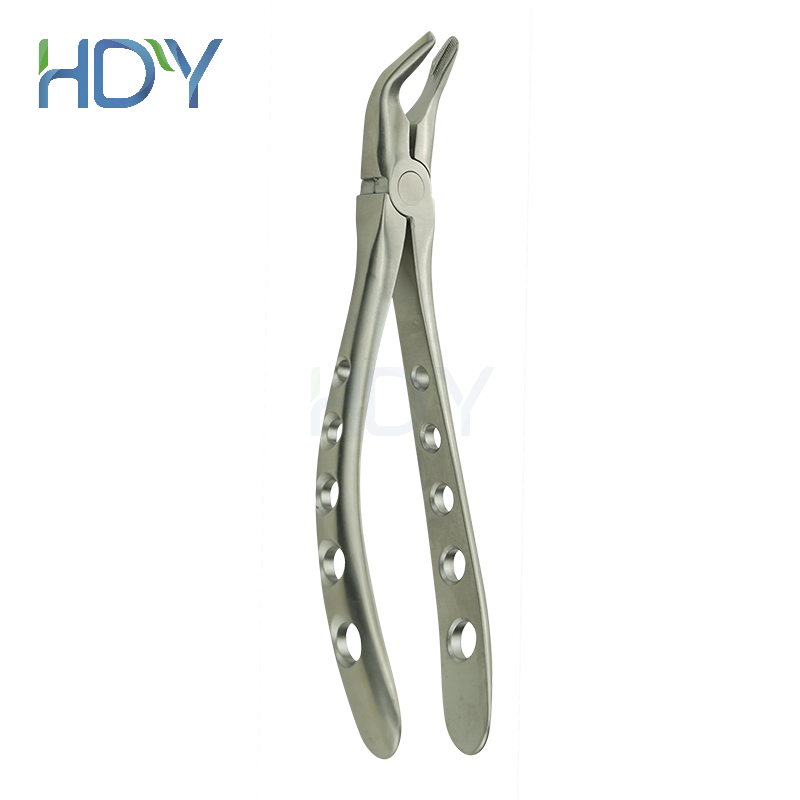
- Extraction forceps
- Surgical scissors
- Needle holders
- Hemostatic instruments
These instruments require proper lubrication.
Professional maintenance includes:
- Applying medical-grade lubricant
- Checking smooth movement
- Preventing excessive friction
Proper lubrication helps maintain:
- Smooth operation
- Precision control
- Longer service life
Only use lubricants specifically designed for medical instruments.
Step 7: Proper Storage of Dental Instruments
After sterilization, instruments should be stored correctly.
Recommended storage conditions:
- Clean and dry environment
- Protection from moisture
- Avoid unnecessary handling
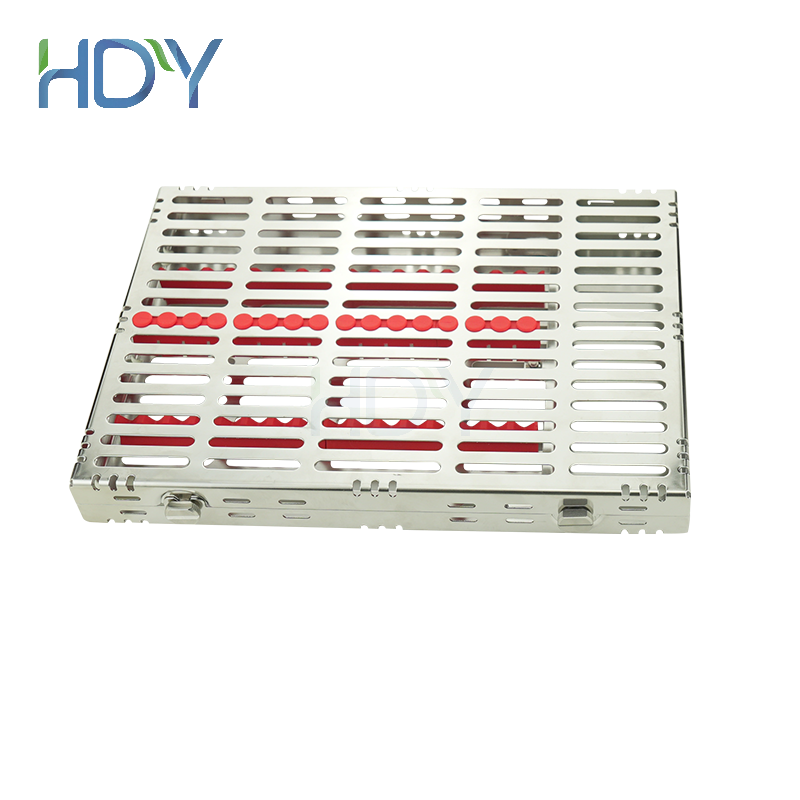
- Use appropriate packaging systems
Proper storage prevents:
- Recontamination
- Surface damage
- Environmental corrosion
Dental instruments should remain protected until their next clinical use.
Common Mistakes to Avoid When Maintaining Dental Instruments
Even professional users may accidentally shorten instrument lifespan through improper maintenance.
Avoid these common mistakes:
Using Incorrect Chemicals
Harsh chemicals may damage stainless steel surfaces.
Delaying Cleaning
Dried contaminants are harder to remove and may affect instrument appearance.
Overloading Cleaning Equipment
Overloading reduces cleaning effectiveness.
Mixing Different Metal Instruments Improperly
Some metal combinations may increase corrosion risks.
Ignoring Instrument Inspection
Damaged instruments may affect treatment accuracy and safety.
How High-Quality Manufacturing Improves Instrument Maintenance
Instrument maintenance begins with good manufacturing quality.
Professional dental instruments should be designed with:
- Premium stainless steel materials
- Precision manufacturing processes
- Durable surface finishing
- Excellent corrosion resistance
- Reliable mechanical performance
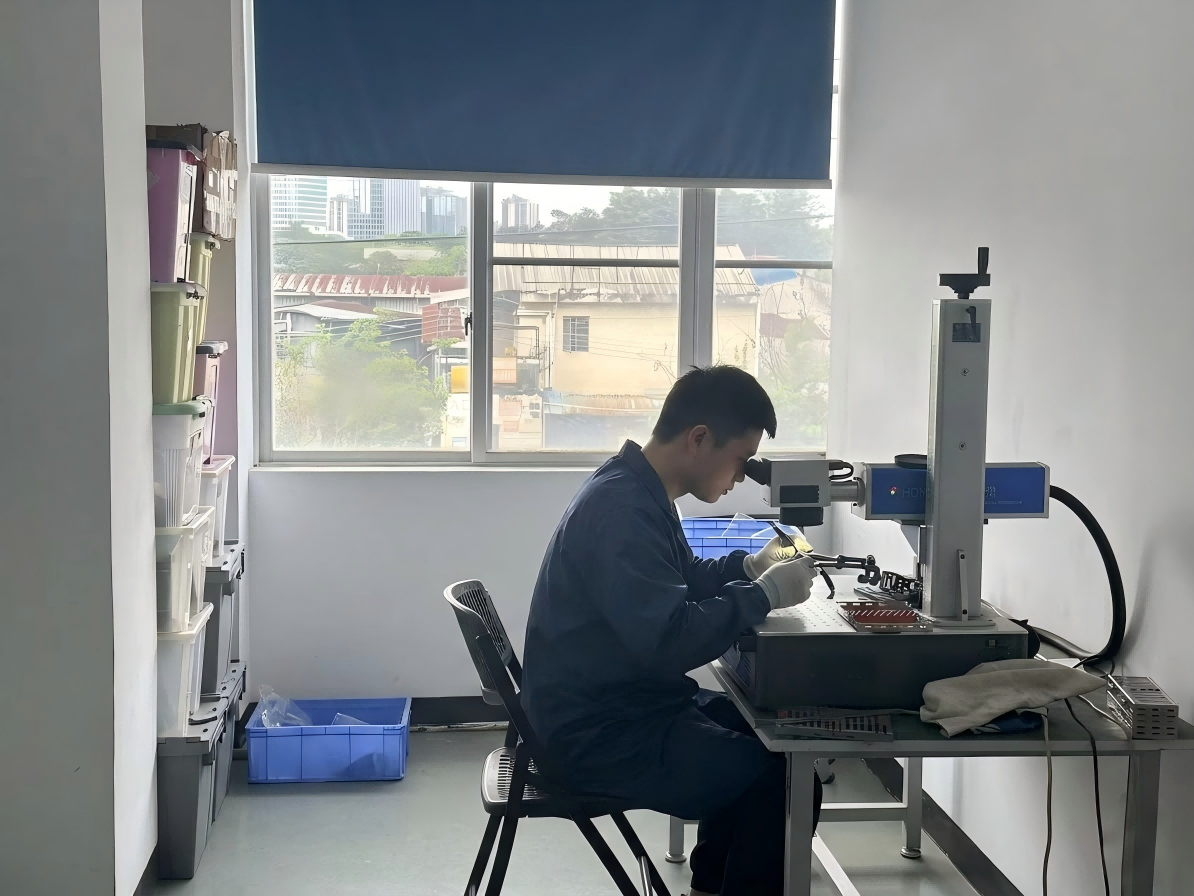
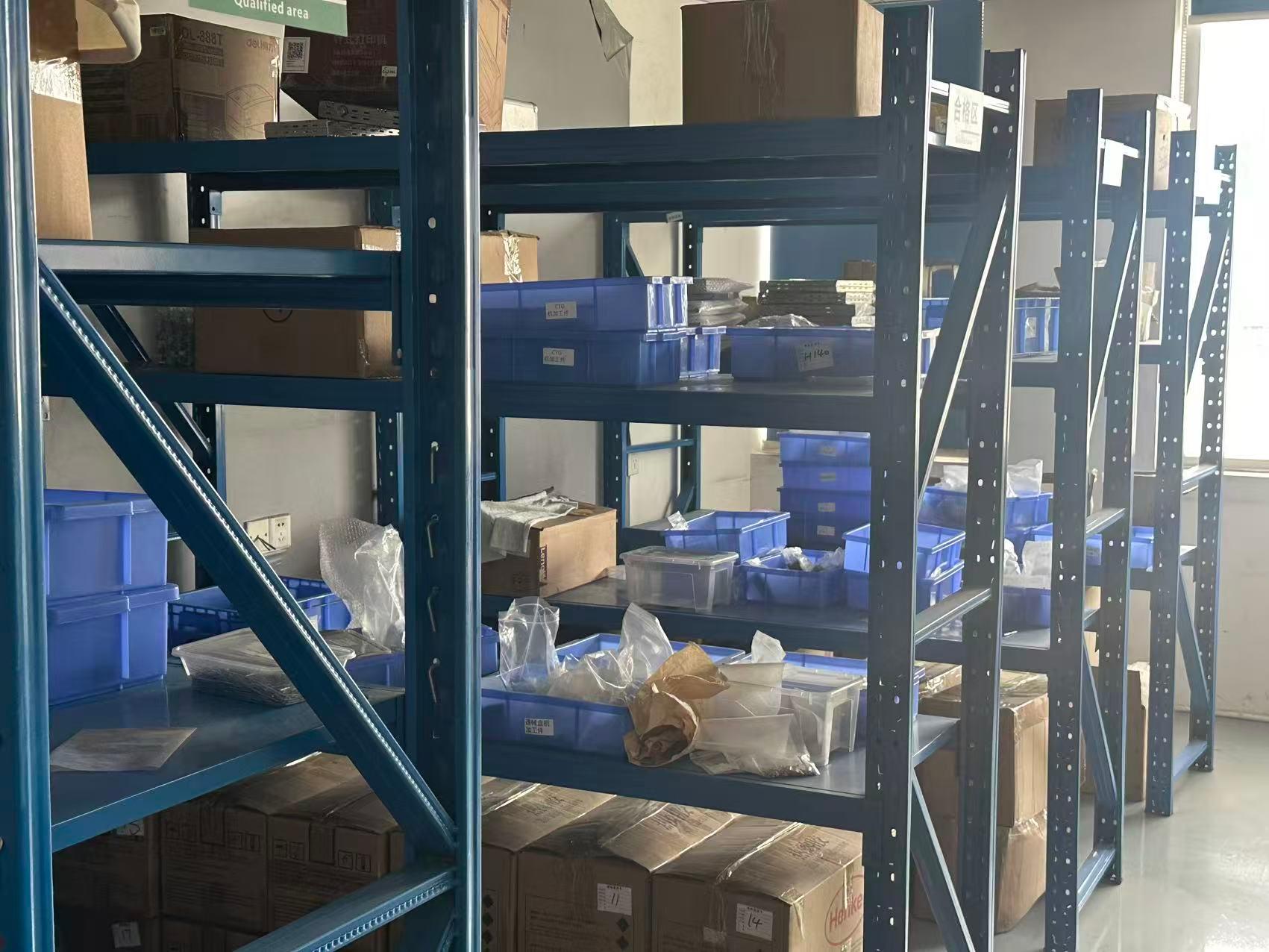
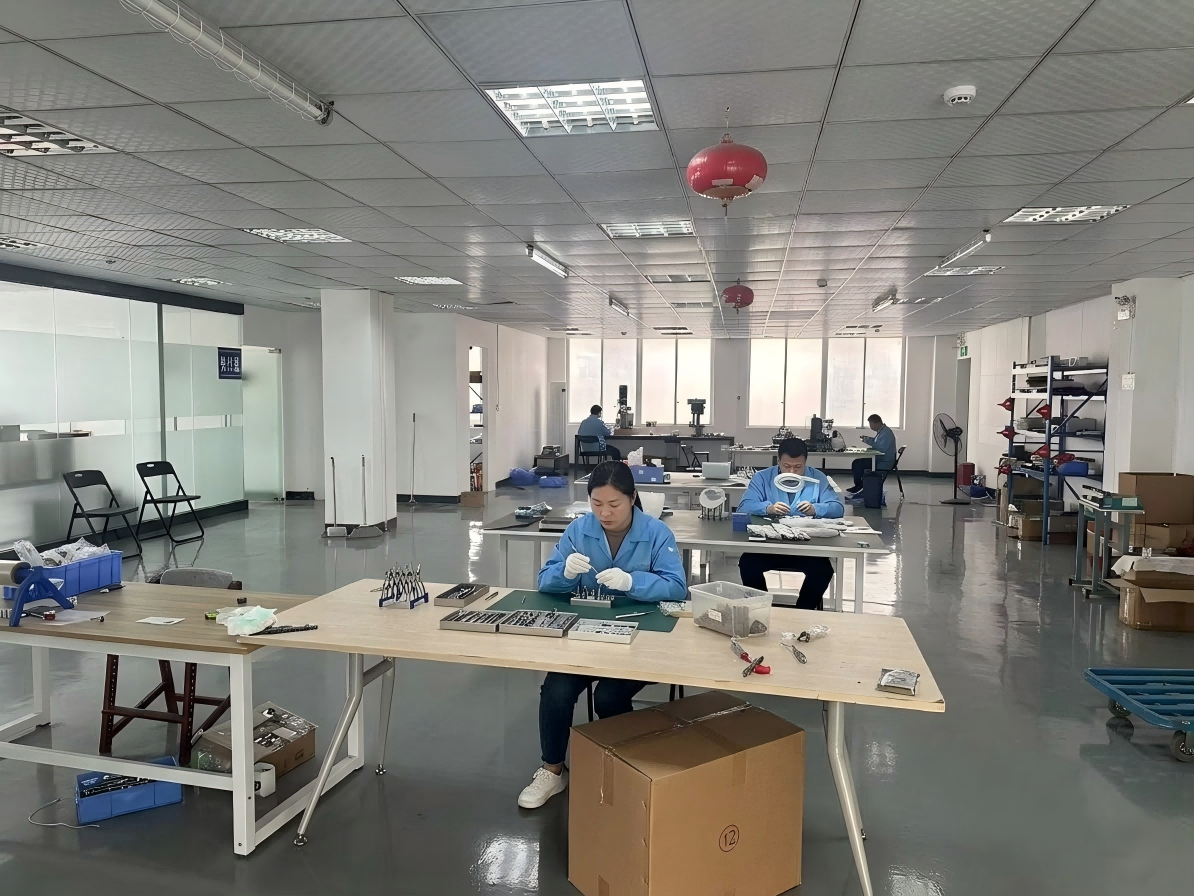
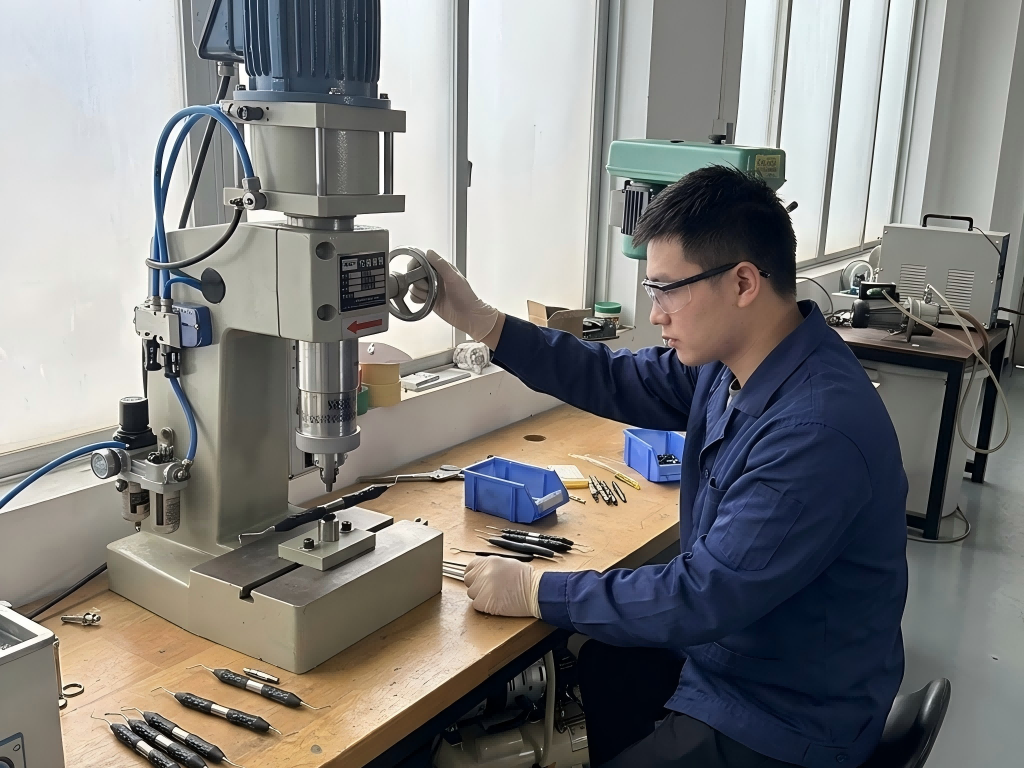
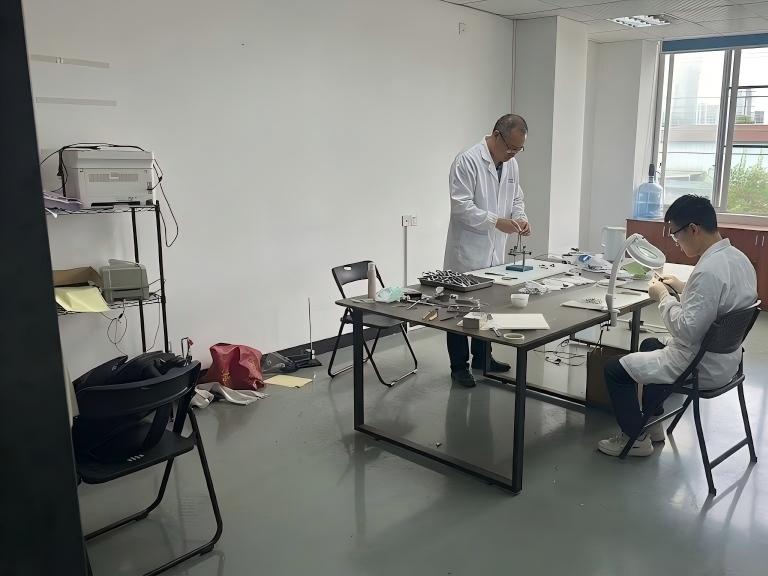
At HDY Medical Technology (Guangzhou) Co., Ltd., we focus on manufacturing professional dental instruments that meet the needs of modern dental professionals.
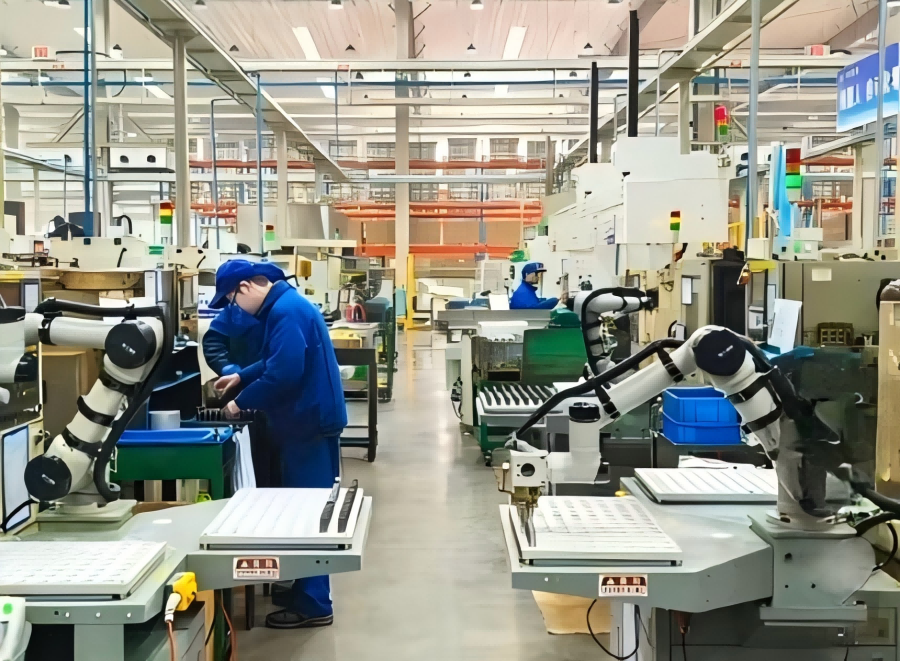
Our manufacturing process includes:
- Independent product design
- High-quality material selection
- Precision machining
- Heat treatment
- Professional polishing and finishing
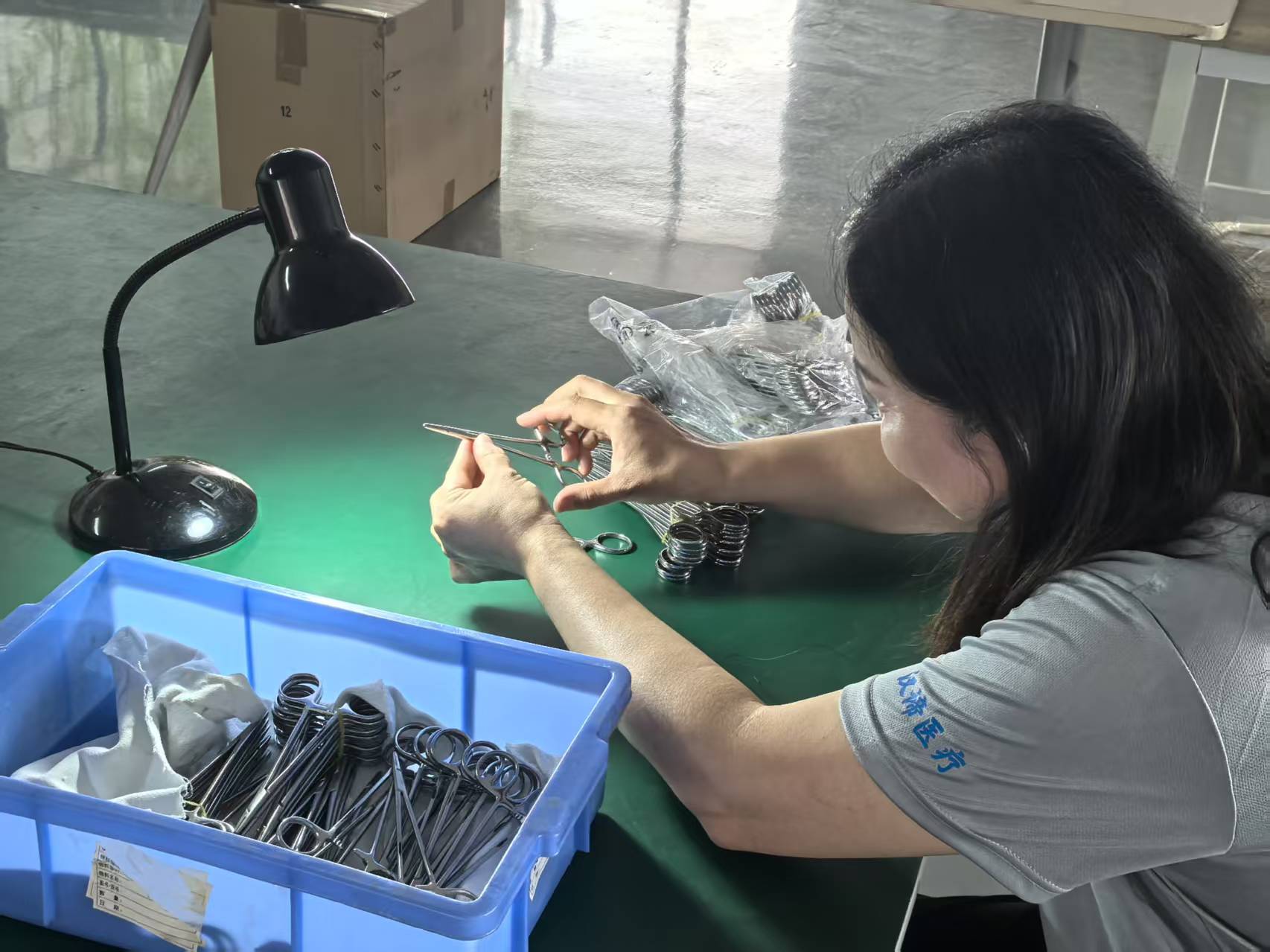
- Strict quality inspection
From dental hand instruments to dental surgical instruments, HDY products are developed to provide durability, accuracy, and dependable clinical performance.
HDY Medical Technology: Your Professional Dental Instrument Partner
As an experienced dental instrument manufacturer in China, HDY Medical Technology (Guangzhou) Co., Ltd. provides complete dental solutions for:
- Dental clinics
- Hospitals
- Dental distributors
- Dental laboratories
- Medical supply companies worldwide
Our product range covers:
- Dental surgical instruments
- Dental hand instruments
- Periodontal instruments
- Implant instruments
- Restorative instruments
- Customized OEM & ODM dental solutions
By combining advanced manufacturing technology, strict quality control, and professional service, HDY supports global dental professionals with reliable instrument solutions.
Conclusion: Proper Maintenance Protects Your Dental Investment
Professional dental instruments represent an important investment for every dental practice. Correct cleaning, sterilization, inspection, lubrication, and storage procedures can significantly improve instrument performance and service life.
By following professional maintenance guidelines and selecting reliable instruments from trusted manufacturers, dental professionals can achieve safer procedures, improved efficiency, and long-term value.
HDY Medical Technology (Guangzhou) Co., Ltd. — Professional Dental Instruments, Reliable Quality, Global Dental Solutions.
 English
  简体中文
简体中文  Español
  Deutsch
  Français