
How to Evaluate a Dental Instrument Manufacturer
Choosing the right dental instrument manufacturer is about more than comparing prices. Buyers need to evaluate material specifications, precision manufacturing, functional inspection, documentation, production consistency, and the supplier's ability to support long-term business growth.
This practical guide helps dental distributors, importers, hospitals, dental brands, and purchasing teams assess a dental instrument factory before approving samples or placing a production order.
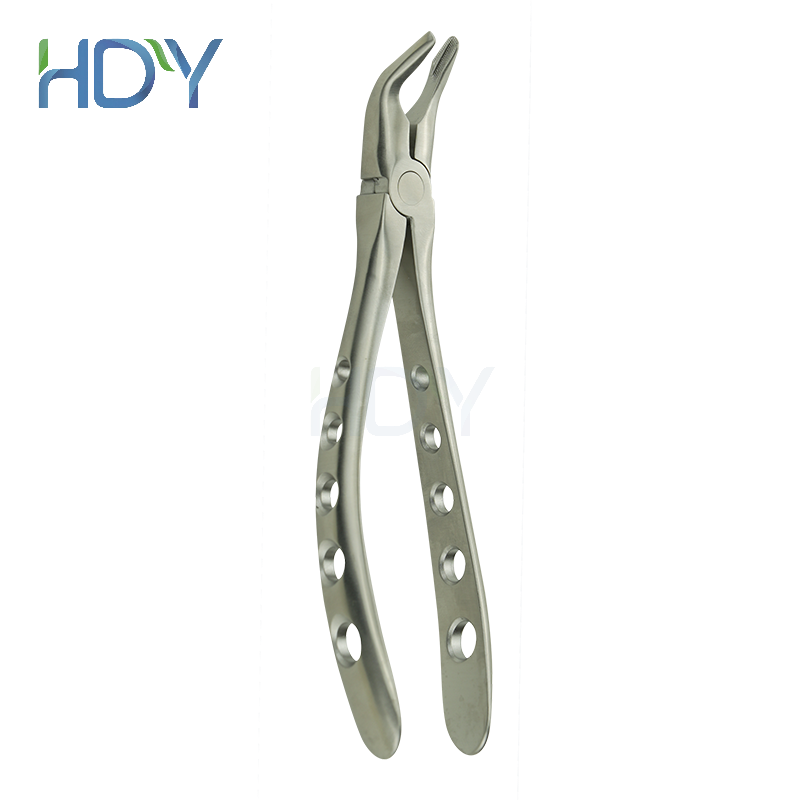
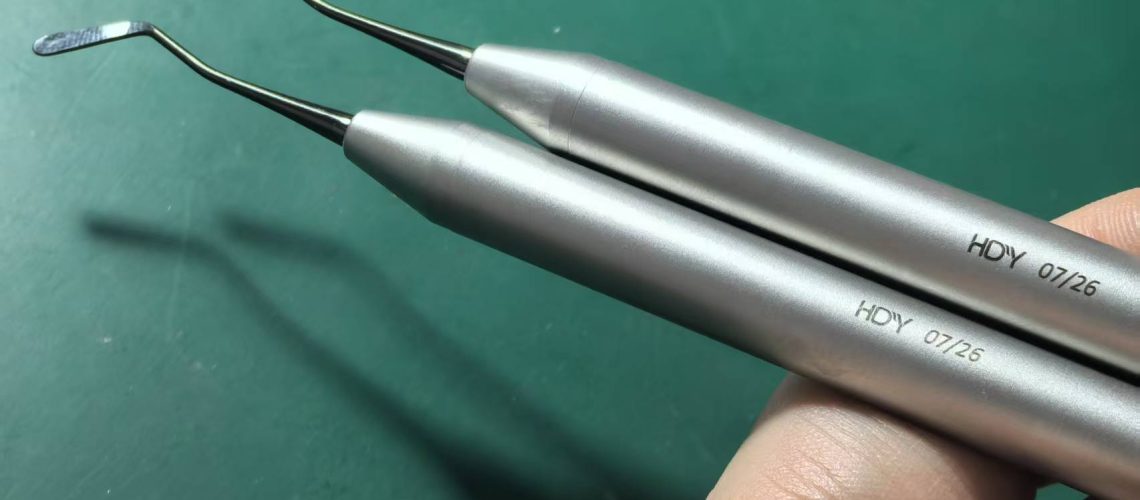
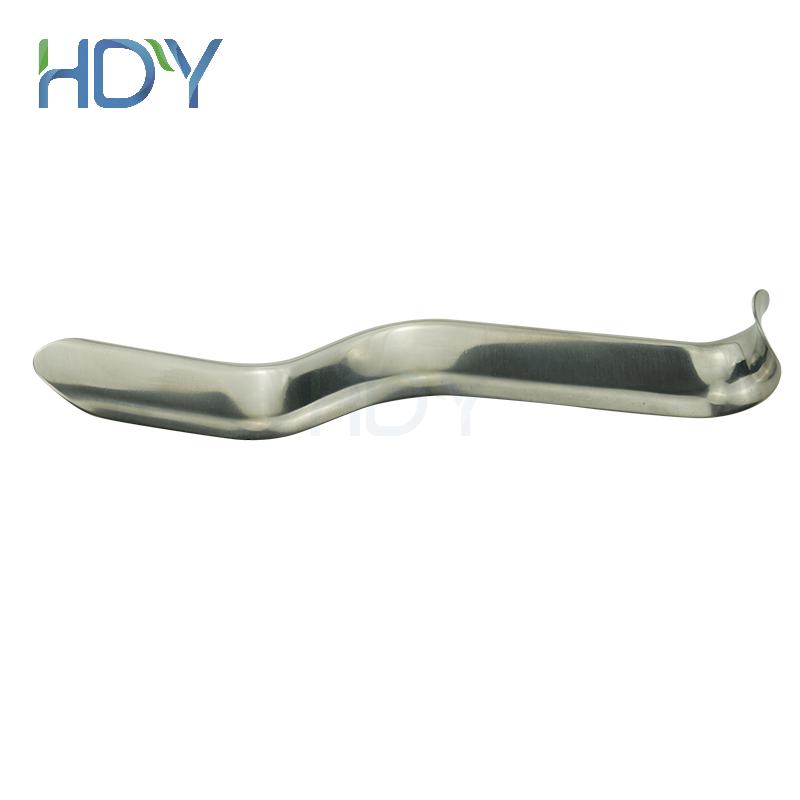
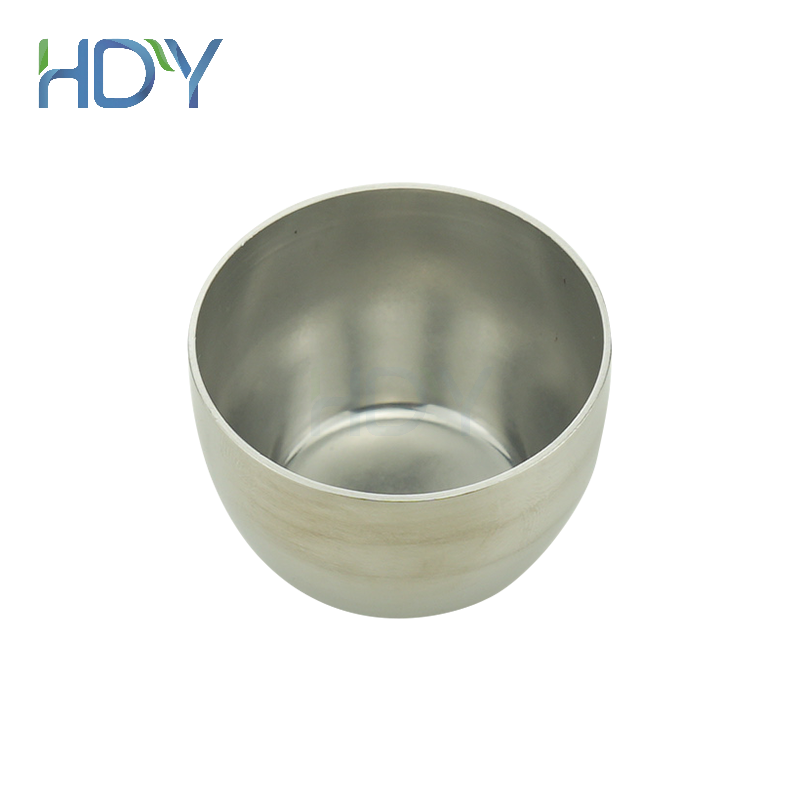
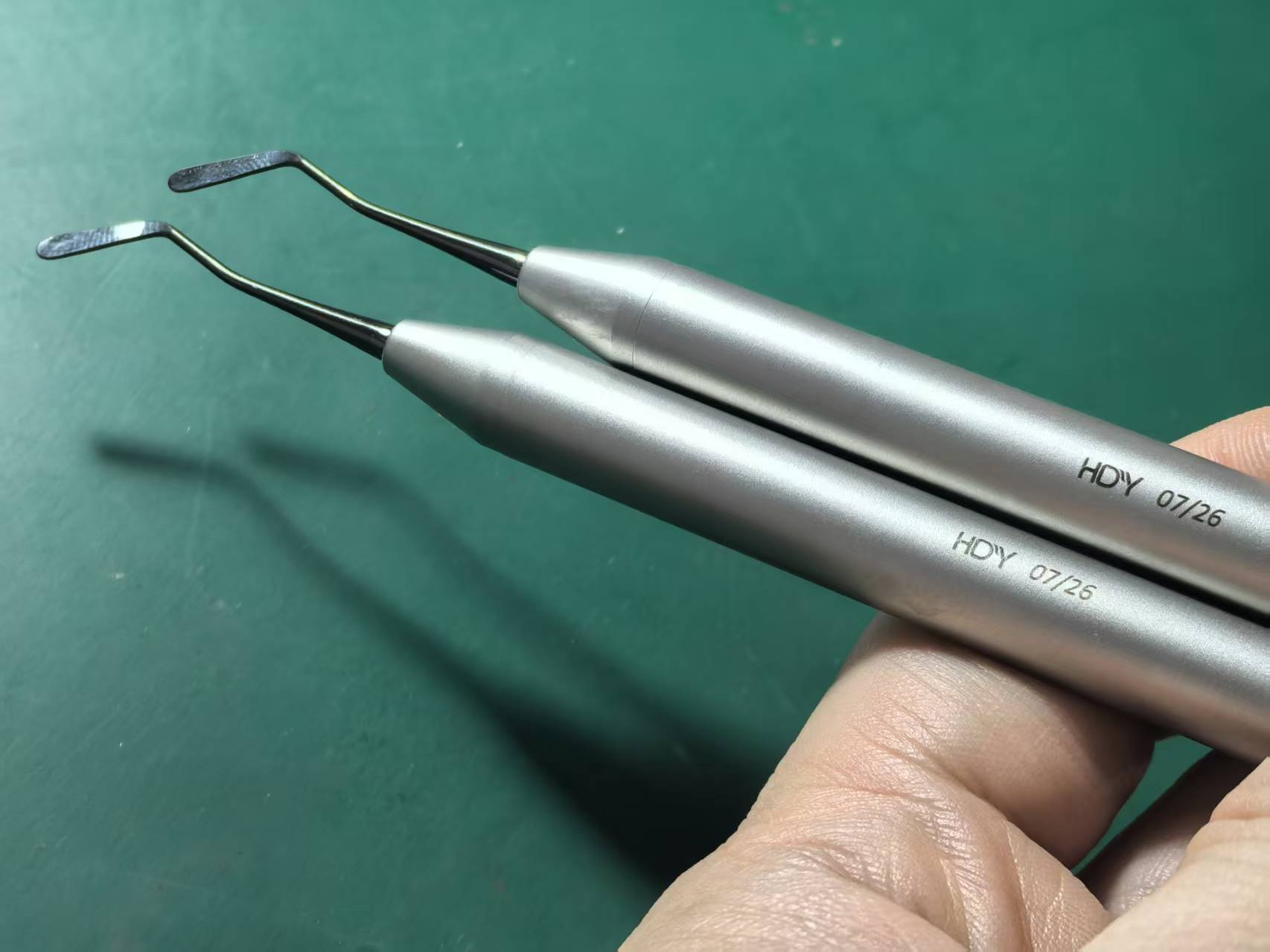
Example of a precision dental instrument from HDY's product portfolio.
Why Supplier Evaluation Matters in Dental Instrument Procurement
Dental instruments have different functional requirements. A dental mirror, periodontal probe, extraction forceps, elevator, needle holder, and surgical scissors cannot all be evaluated using the same inspection criteria.
Look Beyond Product Appearance
Product photographs can show general design and finish, but they cannot independently verify dimensions, material properties, joint movement, working-end alignment, or repeatable functional performance.
Ask for product specifications, representative samples, and applicable inspection records before making a purchasing decision.
Evaluate the Manufacturing Process
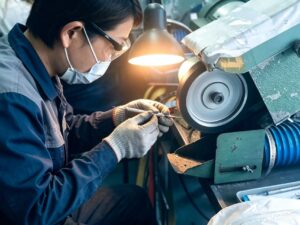
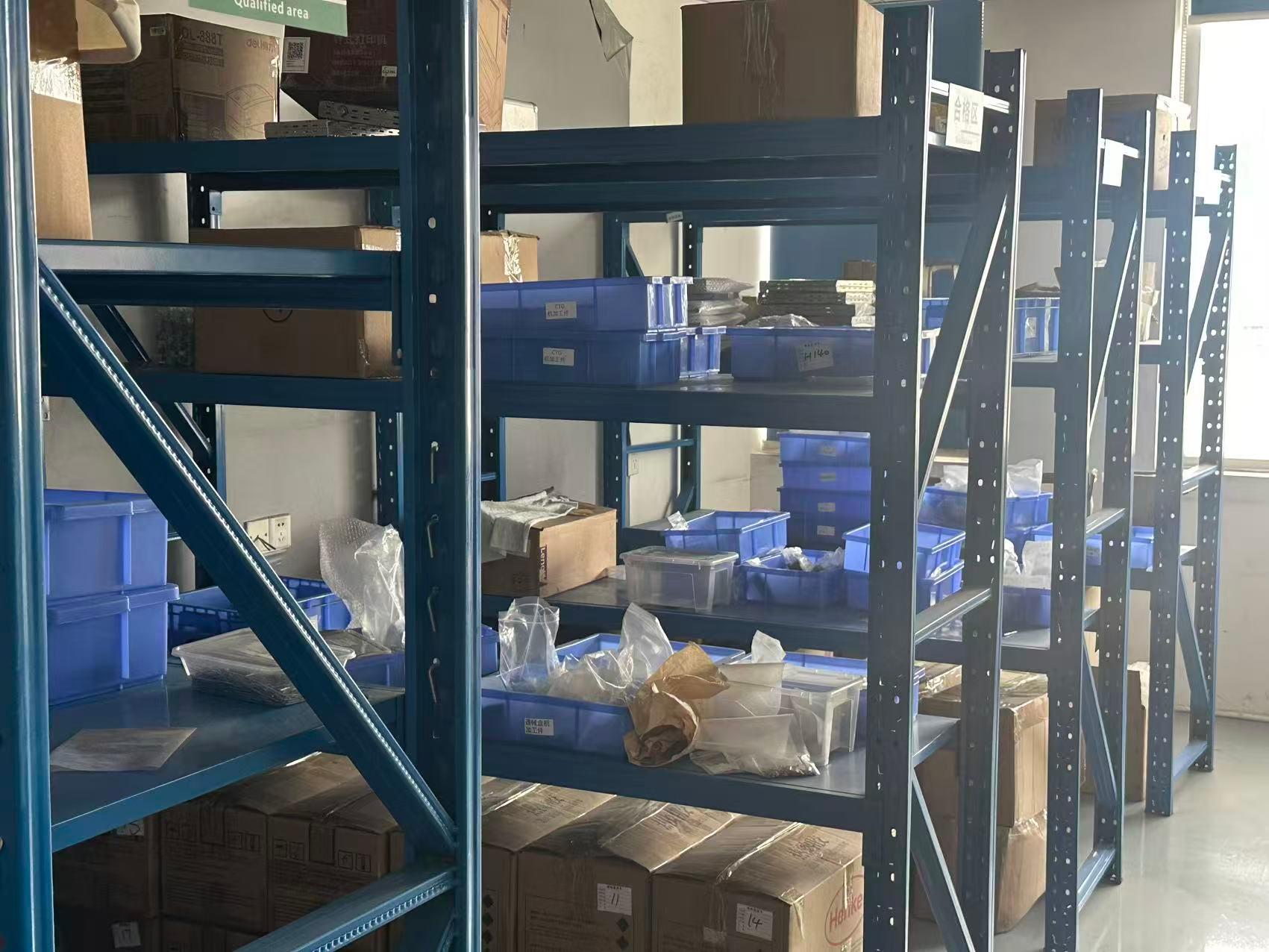
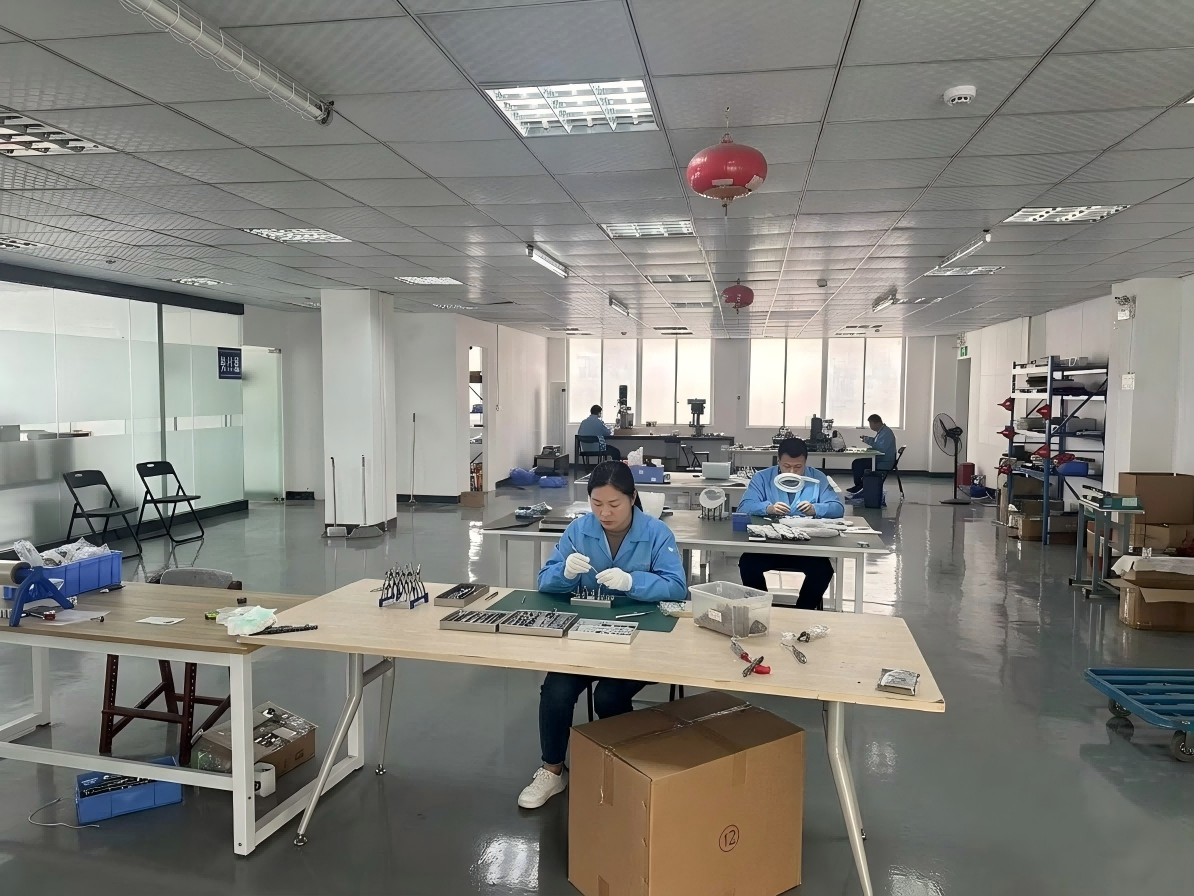
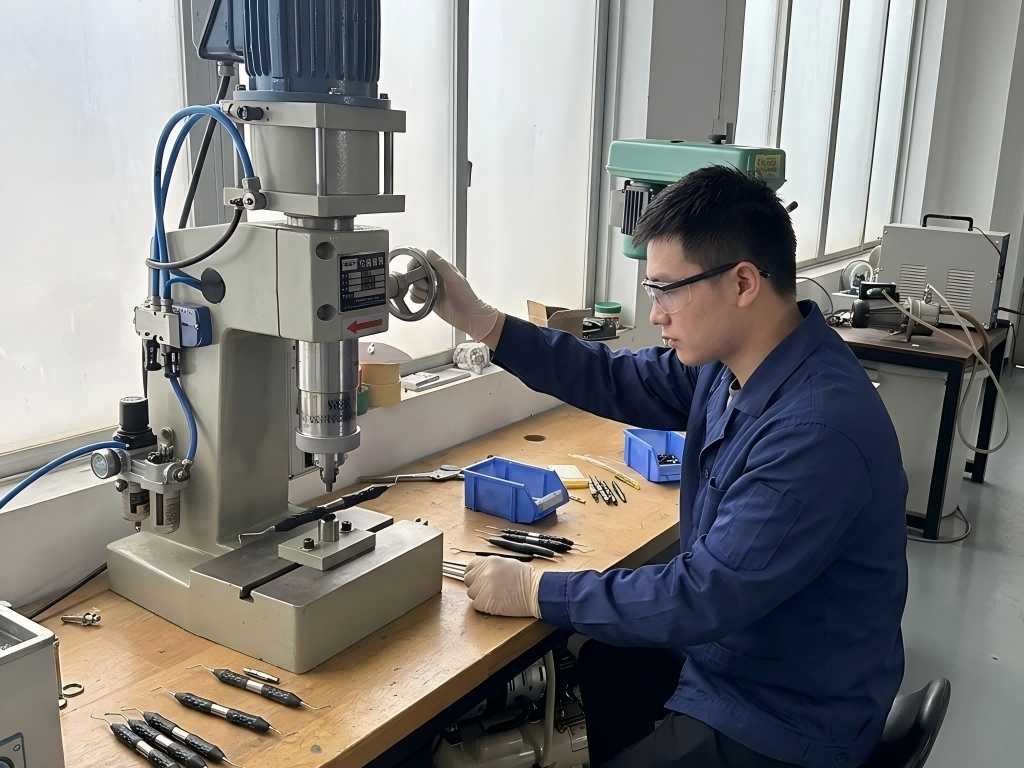
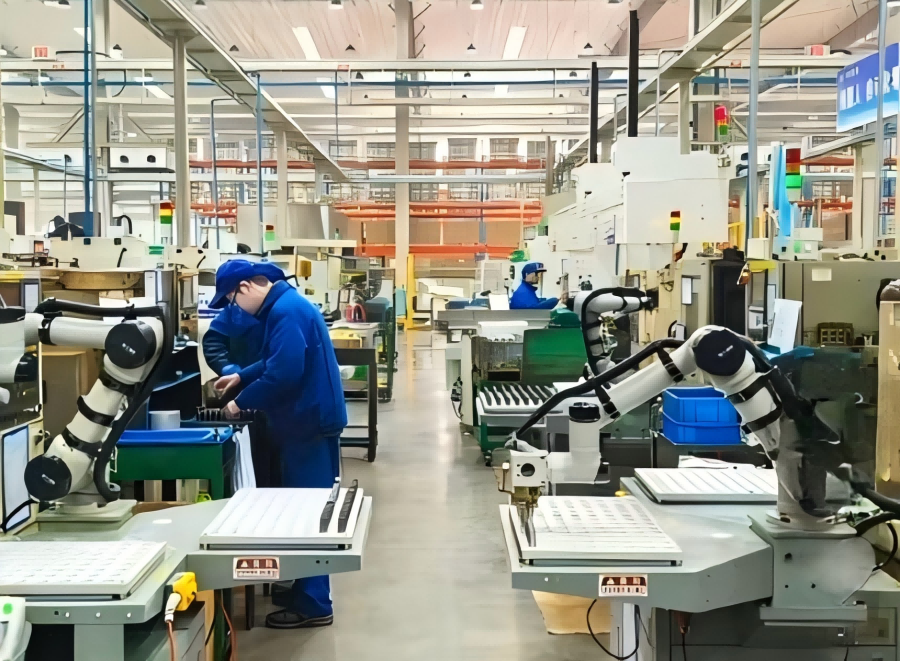
A reliable dental instrument manufacturer should be able to explain how raw materials, machining, heat treatment, surface finishing, assembly, final inspection, and packaging are controlled for the products being purchased.
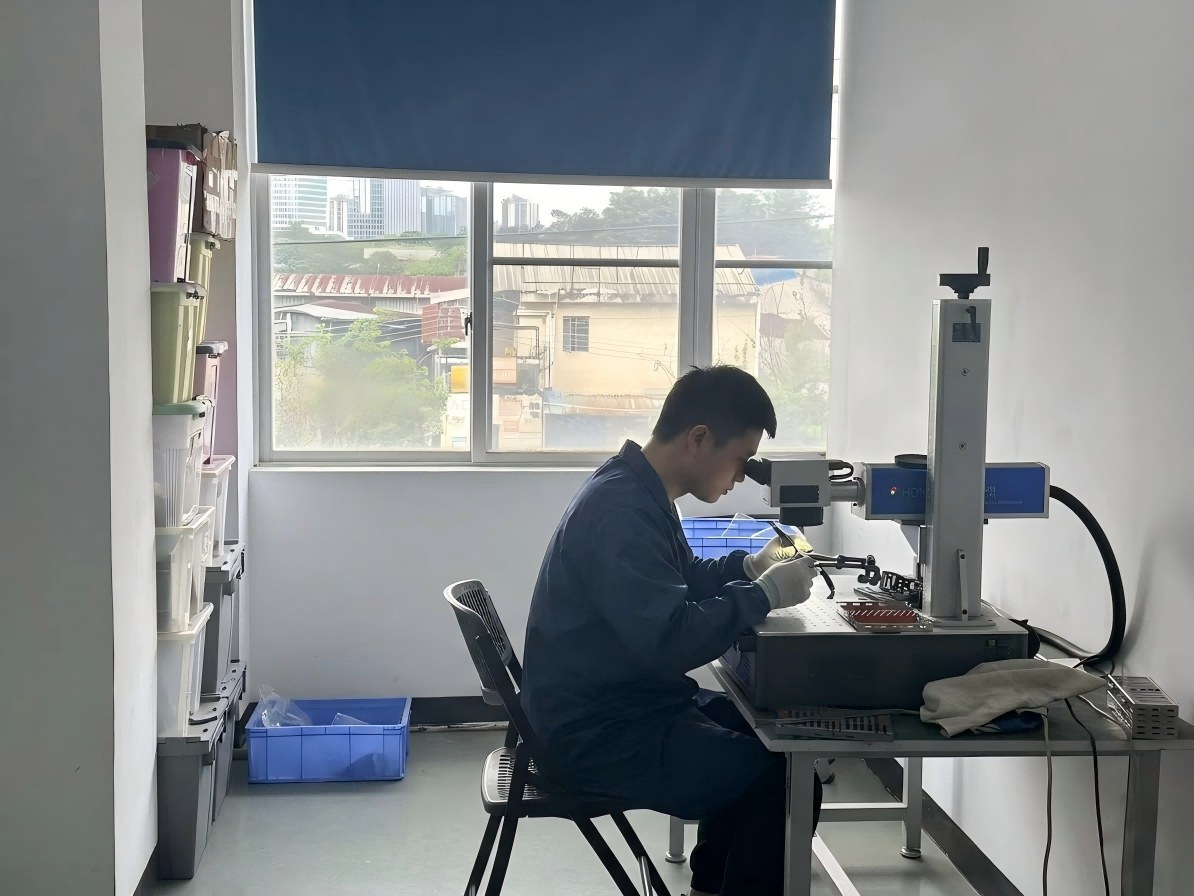
Learn more about HDY's manufacturing capabilities and quality-focused production approach.
7 Key Factors for Evaluating a Dental Instrument Factory
Use the following framework to compare potential dental instrument suppliers and organize your purchasing team's supplier-audit process.
Raw Material Quality
Confirm that the material is appropriate for the intended instrument and matches the agreed specification. Material requirements may differ between probes, forceps, elevators, scissors, and needle holders.
- Material identification and grade
- Incoming inspection procedures
- Relevant supplier and batch records
Precision Machining
Working-end dimensions, angles, symmetry, and tolerances can affect the intended function of a dental hand instrument. Define critical dimensions before production.
- Approved drawings and revisions
- Dimensional inspection methods
- Repeatability of critical features
Heat Treatment
Heat treatment requirements depend on the material, design, and intended use. Ask the manufacturer which performance properties are specified and how they are verified.
- Product-specific hardness criteria
- Applicable test methods
- Process and inspection records
Surface Finishing
Inspect surface condition and finishing quality against agreed requirements. Mirror polish, satin finishing, and other surface treatments may have different appearance and process requirements.
- Scratches, burrs, and visible defects
- Finish consistency
- Applicable cleaning and corrosion evidence
Functional Inspection
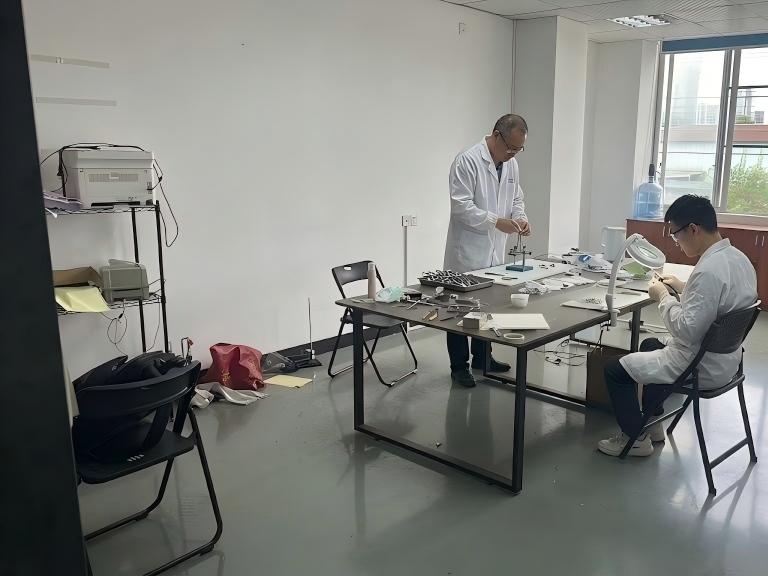
Inspection should match the instrument's design. Hinged instruments need suitable checks for alignment and movement, while working ends need criteria appropriate to their specific function.
- Jaw alignment and joint movement
- Locking, gripping, or cutting where applicable
- Working-end integrity
Identification & Packaging
Incorrect product codes, logos, labels, or quantities can create costly purchasing and distribution problems, even when the instrument itself is acceptable.
- Correct model and product code
- Approved logo and packaging artwork
- Quantity and label verification
Documentation & Consistency
Ask for records relevant to the product, order, and destination market. Confirm how the supplier compares production with approved specifications and samples.
- Product specifications and applicable reports
- Sample approval records
- Batch inspection and corrective-action process
Communication & Customization
For distributors and private-label brands, technical communication matters. The supplier should understand drawings, samples, branding, packaging, and order requirements.
Explore HDY OEM & ODM services.
Long-Term Supply Capability
Consider whether the manufacturer can support repeat orders, product-line expansion, consistent specifications, realistic lead times, and responsive after-sales communication.
Review the HDY case studies for examples of B2B cooperation.
Different Dental Instruments Require Different Inspection Criteria
A professional dental surgical instruments supplier should apply inspection criteria that match each product's construction, intended function, and approved specifications.
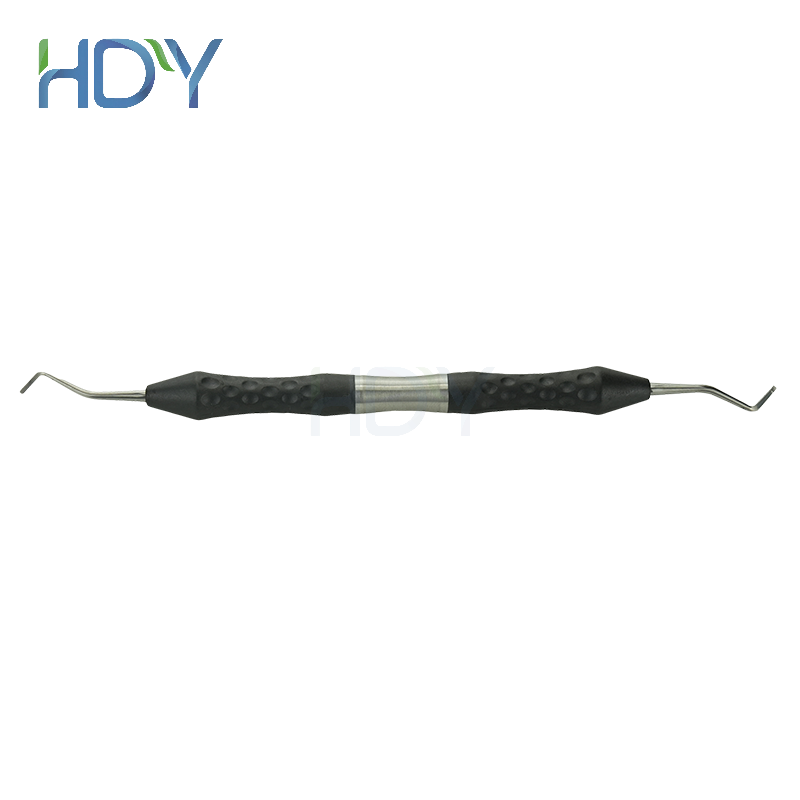
Dental Forceps
Evaluate beak alignment, gripping contact, joint movement, handle condition, surface finish, and the dimensions specified for the selected model.
Explore Dental Forceps →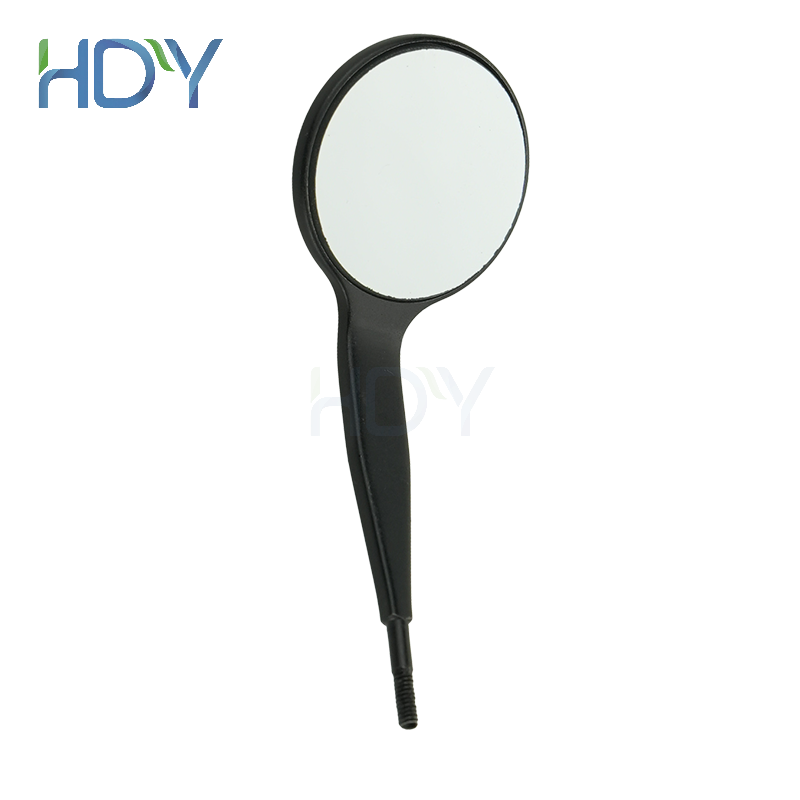
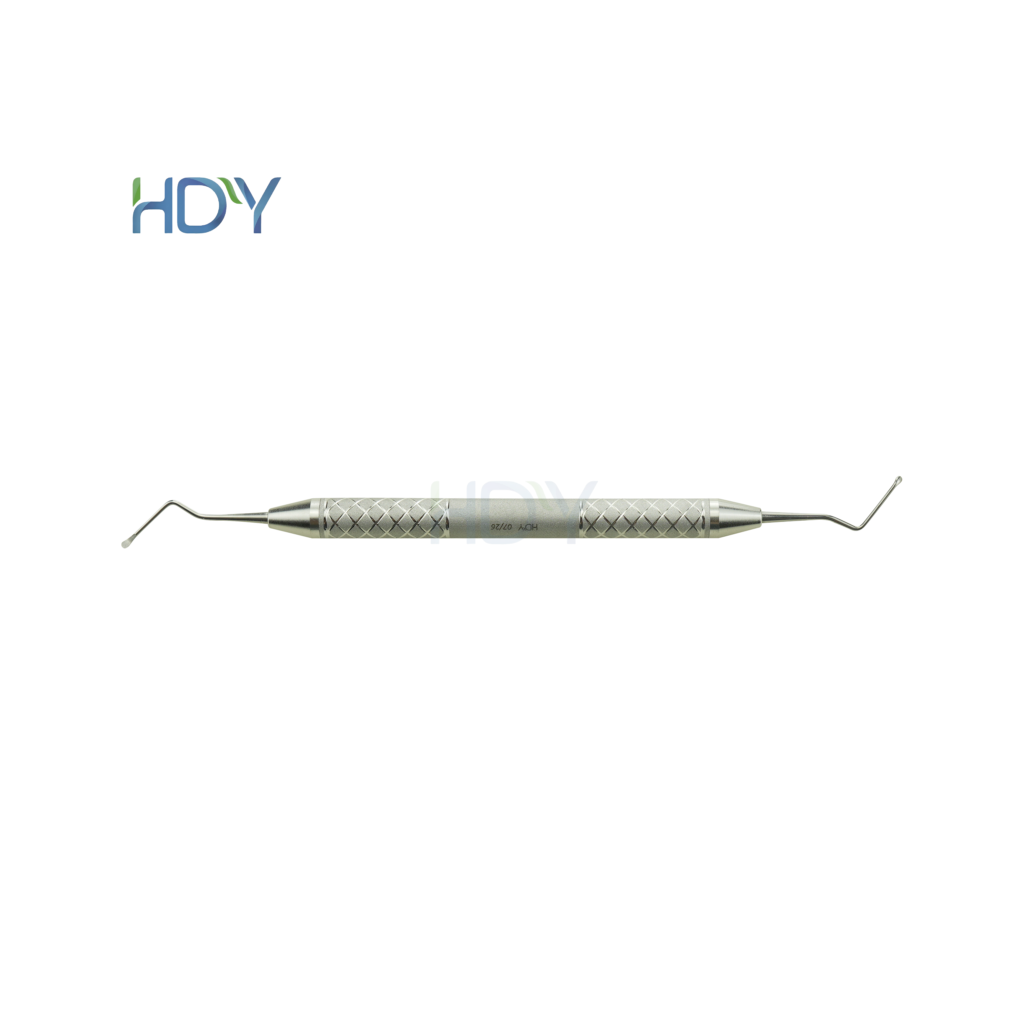
Diagnostic Instruments
Review working-end integrity, surface condition, mirror quality where applicable, handle connection, product identification, and packaging.
Explore Diagnostic Instruments →
Oral Surgical Instruments
Check dimensions, structural integrity, intended working-end performance, finish requirements, and packaging protection for each approved product.
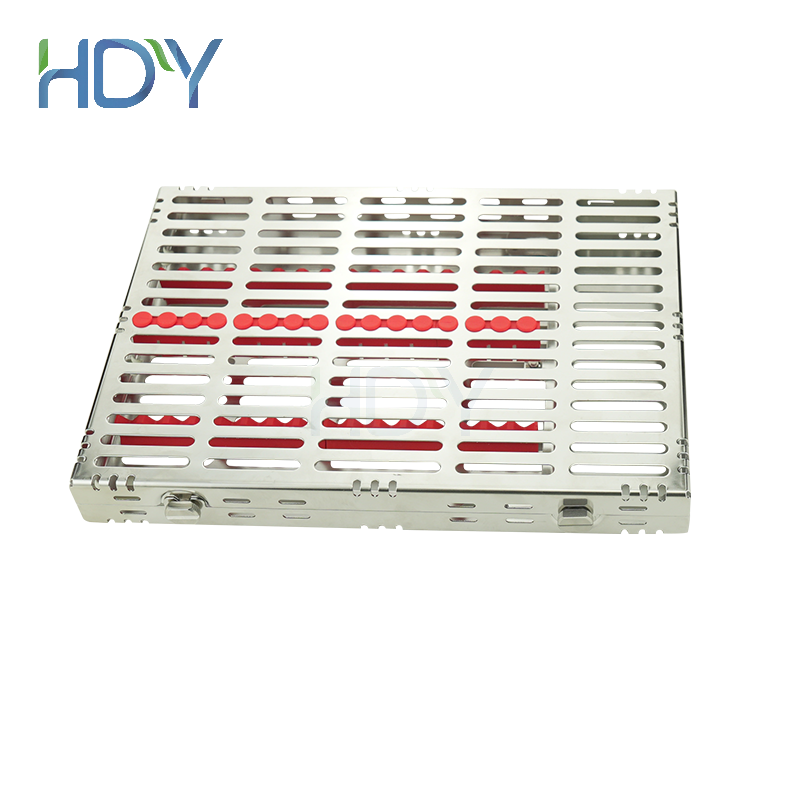
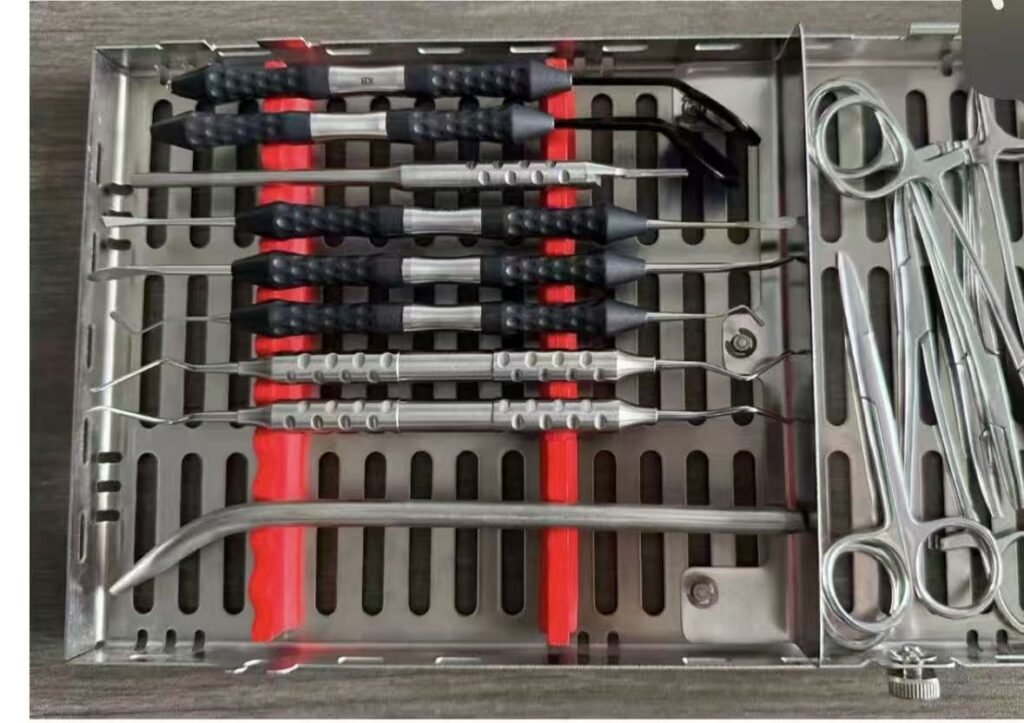
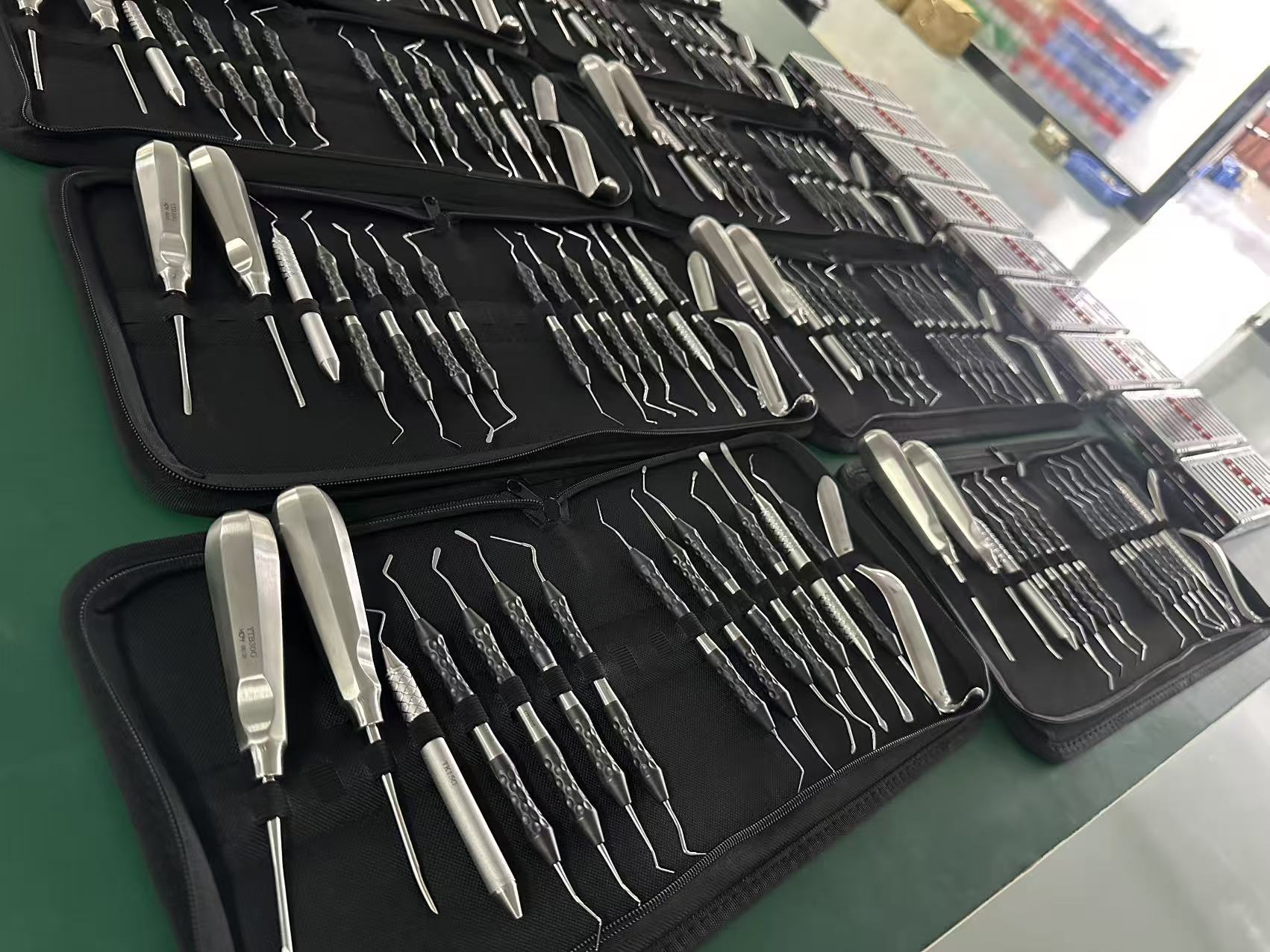
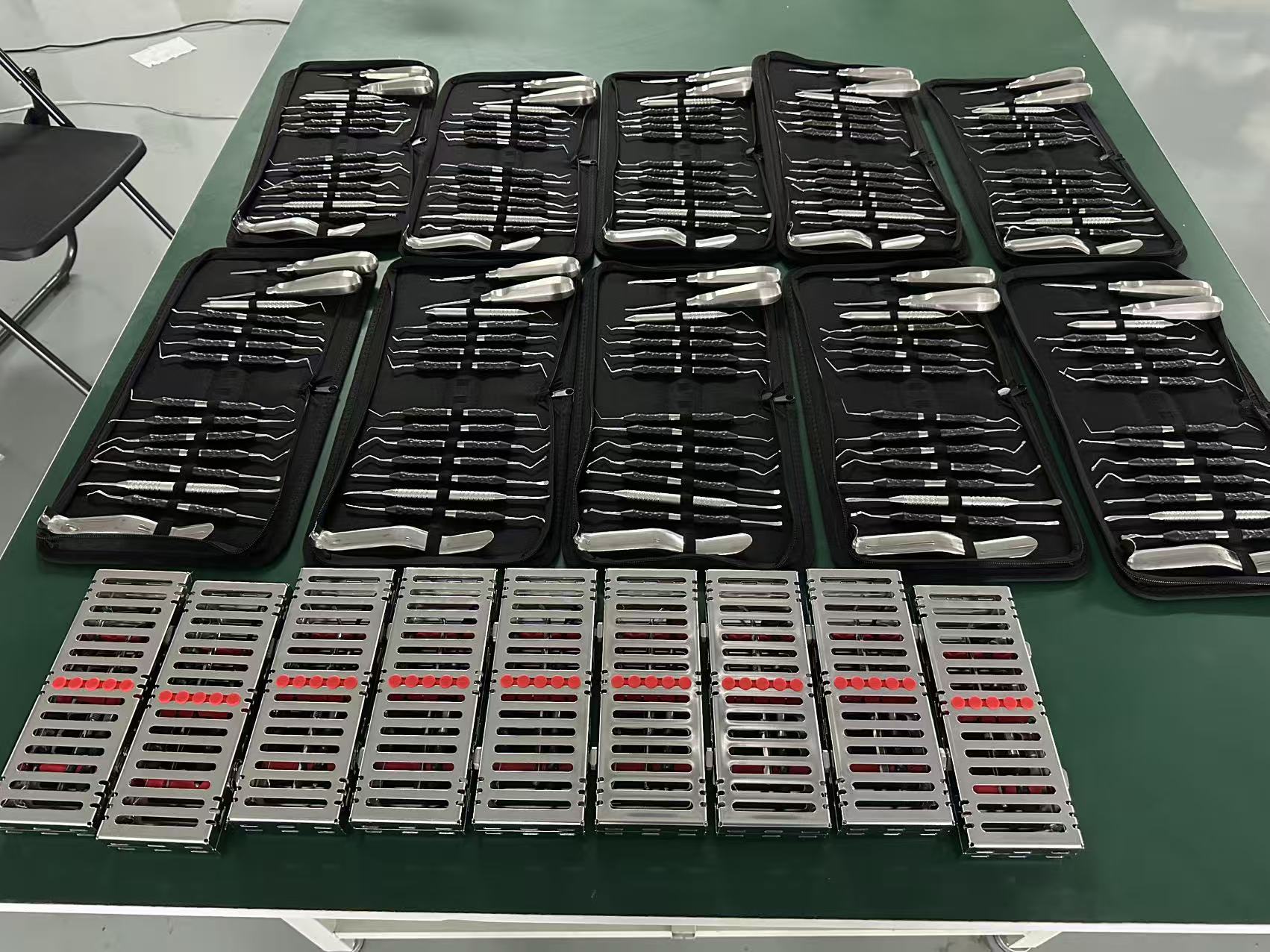
Explore Surgical Instruments →Note: Product images illustrate the product portfolio. They do not independently establish material composition, test results, or conformity status.
What to Ask About the Dental Instrument Manufacturing Process
A useful supplier audit follows the actual production route instead of relying only on a general statement that the factory has strict quality control.
Material Verification
Ask how incoming materials are identified, checked, and linked to applicable specifications or batch records.
Precision Machining
Confirm how dimensions, working-end geometry, and critical features are measured during production.
Heat Treatment
Identify the required properties and the product-specific verification method, where applicable.
Surface Finishing
Define finish requirements and how visible defects, residues, or other specified surface conditions are assessed.
Assembly & Function
Check alignment, connection security, movement, and other performance criteria relevant to the instrument design.
Final Inspection
Confirm that the release criteria cover the agreed visual, dimensional, functional, and identification requirements.
Packaging & Labels
Verify product codes, quantities, logo artwork, packaging protection, and shipping information.
Batch Consistency
Establish how repeat orders are compared with the approved sample, specification, and inspection plan.
Dental Instrument Supplier Audit Checklist
Use this checklist during supplier qualification, sample evaluation, and purchasing discussions.
| Audit Area | Questions to Ask | Evidence to Review |
|---|---|---|
| Manufacturer Identity | Can the supplier explain its production responsibilities and capabilities? | Company information, production overview, relevant facility records |
| Material Quality | How are materials selected and verified for the specific instrument? | Material specifications and applicable incoming inspection records |
| Product Specifications | Are drawings, dimensions, and revisions clearly defined? | Approved drawing, product code, specification, reference sample |
| Functional Inspection | How is product-specific function assessed? | Applicable inspection method and test records |
| Surface Quality | How are finish requirements and surface defects controlled? | Inspection criteria, samples, relevant process records |
| Compliance Documents | Which documents apply to the selected product and destination market? | Applicable certificates, declarations, reports, and regulatory records |
| OEM & ODM | Can the supplier support logo, packaging, drawings, and sample development? | Approved artwork, sample confirmation, project specifications |
| Repeat Orders | How are production batches compared with the approved standard? | Inspection plans, applicable batch records, deviation handling process |
A Manufacturing Partner for Dental Distributors and Brands
HDY Medical Technology (Guangzhou) Co., Ltd. specializes in dental and oral surgical instruments for international B2B customers. Its product portfolio covers diagnostic, periodontal, endodontic, restorative, hinged, surgical, and related instrument categories.
For buyers evaluating a dental instrument manufacturer in China, HDY offers product selection support and OEM/ODM cooperation for projects that may require customized specifications, branding, or packaging.
- Broad dental hand instrument and surgical instrument portfolio
- Manufacturing processes including machining and surface finishing
- Product-specific quality information upon request
- OEM/ODM support for distributors and private-label brands
- Communication around product requirements and sample approval
Discuss Your Product Requirements with HDY
To make a supplier evaluation more efficient, prepare the following information before contacting the manufacturer:
- Instrument names, model numbers, or product categories
- Drawings, reference samples, or technical specifications
- Estimated order quantities and purchasing schedule
- Target country and relevant documentation requirements
- Logo, packaging, and private-label requirements
Related Dental Instrument Resources
Continue your supplier research with HDY's manufacturing information, product categories, quality guidance, and customization services.
How to Choose a Reliable Dental Instrument Manufacturer
1. What should I check first when evaluating a dental instrument manufacturer?
Start with the manufacturer's identity, product specifications, material requirements, quality inspection process, and ability to provide relevant product documentation. Then evaluate representative samples against agreed criteria.
2. How can I evaluate the quality of dental surgical instruments?
Use product-specific checks for dimensions, working-end geometry, surface condition, joints, functional performance, identification, and packaging. The acceptance criteria should be defined for the particular instrument rather than applied universally.
3. Should I request samples before placing a bulk order?
Sample evaluation is a useful part of supplier qualification. Confirm the model, specifications, and inspection criteria, document any requested changes, and agree on the approved reference before authorizing production.
4. Can a dental instrument factory provide OEM and private-label services?
Some manufacturers provide OEM/ODM support such as logo marking, customized product specifications, packaging, and instrument-set configuration. Confirm the available options, minimum order quantities, development requirements, and lead times directly with the supplier.
Learn more about HDY OEM & ODM services.
5. Which quality and compliance documents should buyers request?
Requirements depend on the product, destination market, and applicable regulations. Buyers should verify relevant product specifications, test reports, declarations, certificates, and other required records for the exact models being purchased.
6. How can I assess consistency across repeat orders?
Agree on controlled specifications, approved samples, inspection methods, and acceptance criteria. Ask how production deviations are recorded and addressed, and review applicable inspection evidence for subsequent batches.
Looking for a Dental Instrument Manufacturer in China?
Whether you need standard dental hand instruments, oral surgical instruments, product samples, or an OEM/ODM project, share your requirements with HDY. Our team can discuss product options, customization needs, and the relevant quality information for your project.
Contact HDY for a Quote →
HDY Medical Technology (Guangzhou) Co., Ltd.
Email:
info@hdydent.com
|
hdydent.com
 English
 简体中文
 Español
 Deutsch
 Français
 العربية