
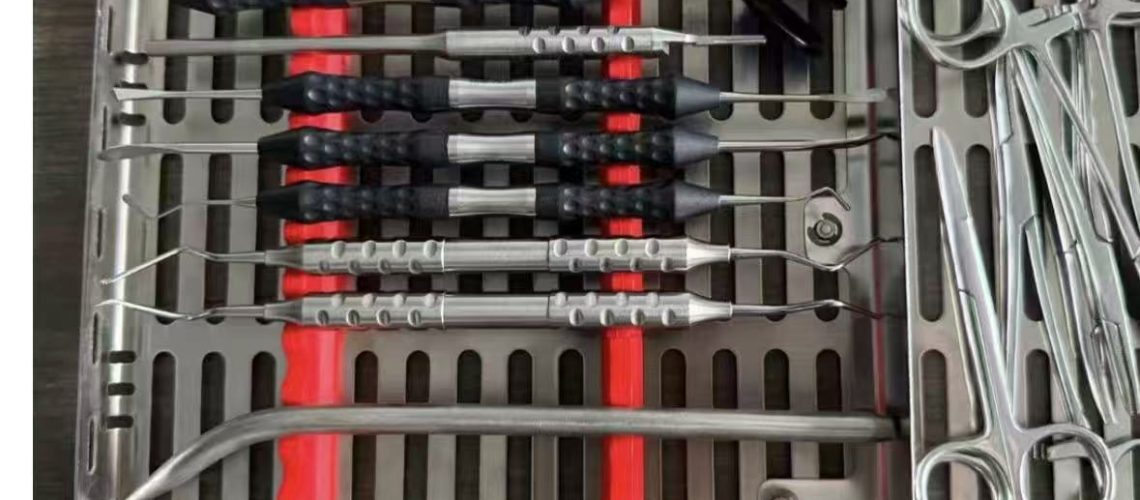

Modern composite resin restoration is no longer simply a matter of filling a prepared cavity. It is a precision-driven clinical workflow combining accurate diagnosis, minimally invasive caries removal, reliable adhesive procedures and detailed anatomical reconstruction.
At every stage, instrument design influences visibility, tactile feedback, access and control. The clinician must first identify the treatment boundary, selectively remove compromised tissue and then rebuild the tooth with an accurate contour, proximal contact and occlusal anatomy.
HDY Dental provides a coordinated range of diagnostic instruments, dental excavators and composite instruments to support this complete restorative workflow.
The objective is straightforward:
See clearly, excavate selectively and restore accurately.
1. Diagnostic Instruments: Establishing the Restorative Treatment Boundary
A predictable composite restoration begins with a careful assessment of the tooth.
Before preparation, the clinician needs to evaluate the location and extent of the lesion, the condition of the surrounding enamel and dentin, existing restorations, marginal integrity and the anatomy that will need to be reconstructed.
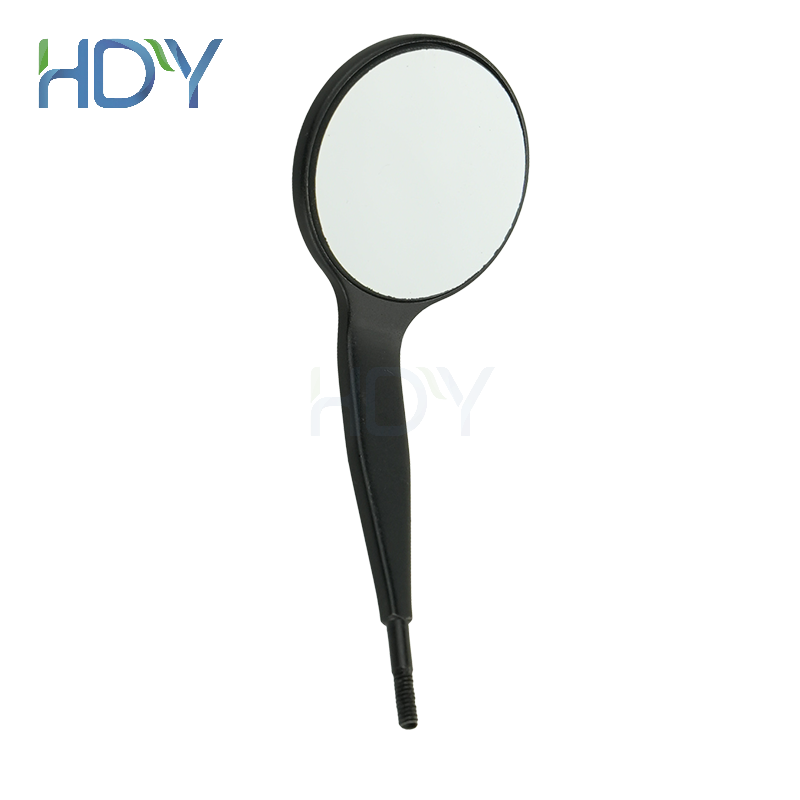
HDY K05 Single-Sided Dental Mirror

The HDY K05 single-sided dental mirror supports indirect visualization, soft-tissue retraction and illumination of areas that are difficult to inspect directly.
A clear mirror surface helps the clinician examine posterior teeth, interproximal areas and cavity margins while maintaining a stable working position. When paired with a suitable dental mirror handle, it becomes an essential component of a restorative examination setup.
Clinical functions include:
- Indirect visualization of posterior and lingual surfaces
- Retraction of the cheek, tongue and other soft tissues
- Reflection of operatory light into the treatment area
- Evaluation of cavity margins and surrounding tooth structure
- Visual inspection during composite placement and finishing
Explore more HDY dental mirrors.
HDY TZ5G #5 Dental Explorer
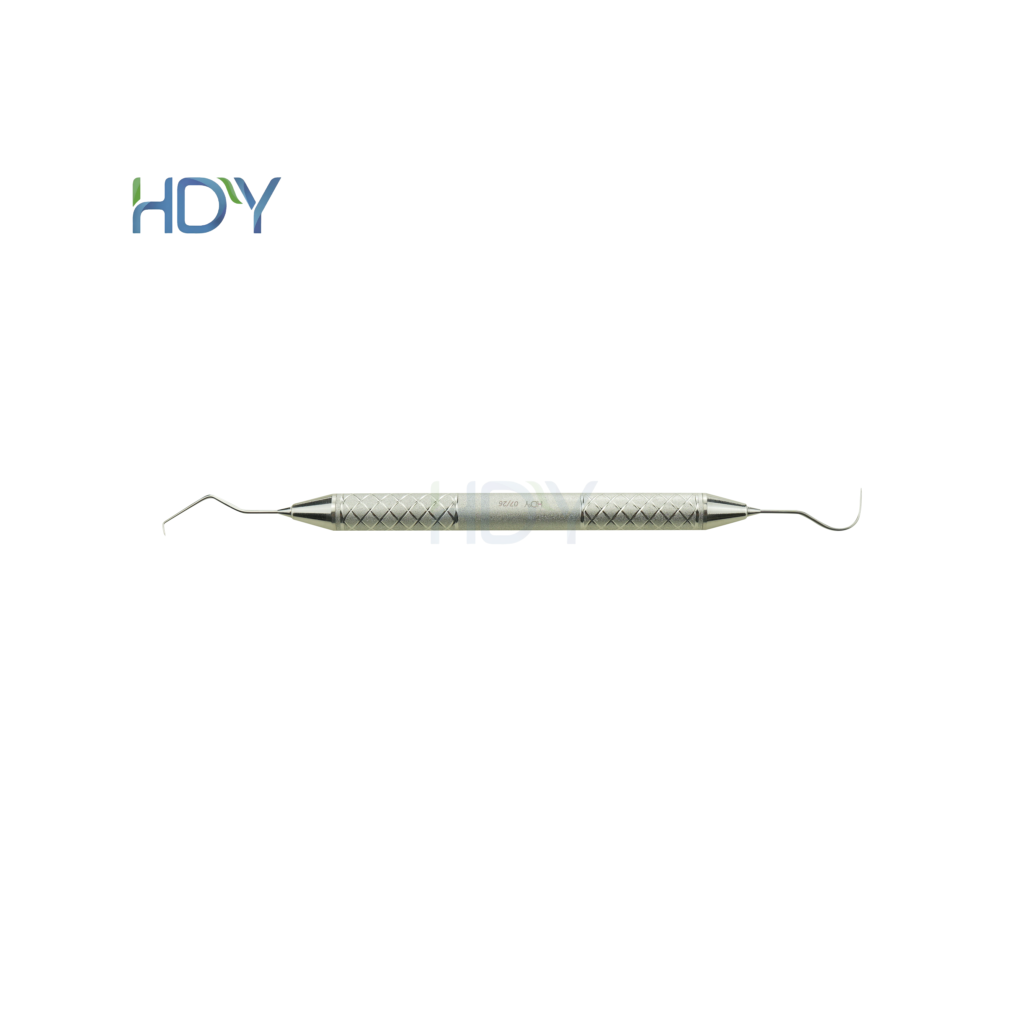
The HDY TZ5G #5 Explorer is a stainless-steel dental diagnostic instrument developed for routine oral examination and tactile detection of tooth-surface irregularities.
Its fine working end provides controlled tactile feedback when examining grooves, pits, restoration margins and prepared cavity surfaces.
Rather than relying on aggressive pressure, clinicians can use light, controlled movements to assess changes in surface texture and identify areas that may require closer visual or radiographic evaluation.
Recommended clinical approach:
- Use gentle pressure during tactile examination.
- Trace restoration and cavity margins carefully.
- Combine tactile findings with visual and radiographic assessment.
- Avoid forceful probing that may damage weakened tooth structure.
View the complete range of HDY dental explorers.
2. Dental Excavators: Selective Caries Removal and Cavity Preparation
Caries excavation requires a balance between removing infected tissue and preserving as much sound tooth structure as clinically appropriate.
Residual carious tissue may compromise cavity preparation and restorative integrity. Excessive removal, however, can unnecessarily weaken the tooth and increase the risk of pulpal exposure.
HDY offers dental excavators with different working-end diameters so clinicians can select an instrument appropriate for the size, depth and accessibility of the cavity.
HDY WX12G Excavator – 1.2 mm Metal Handle
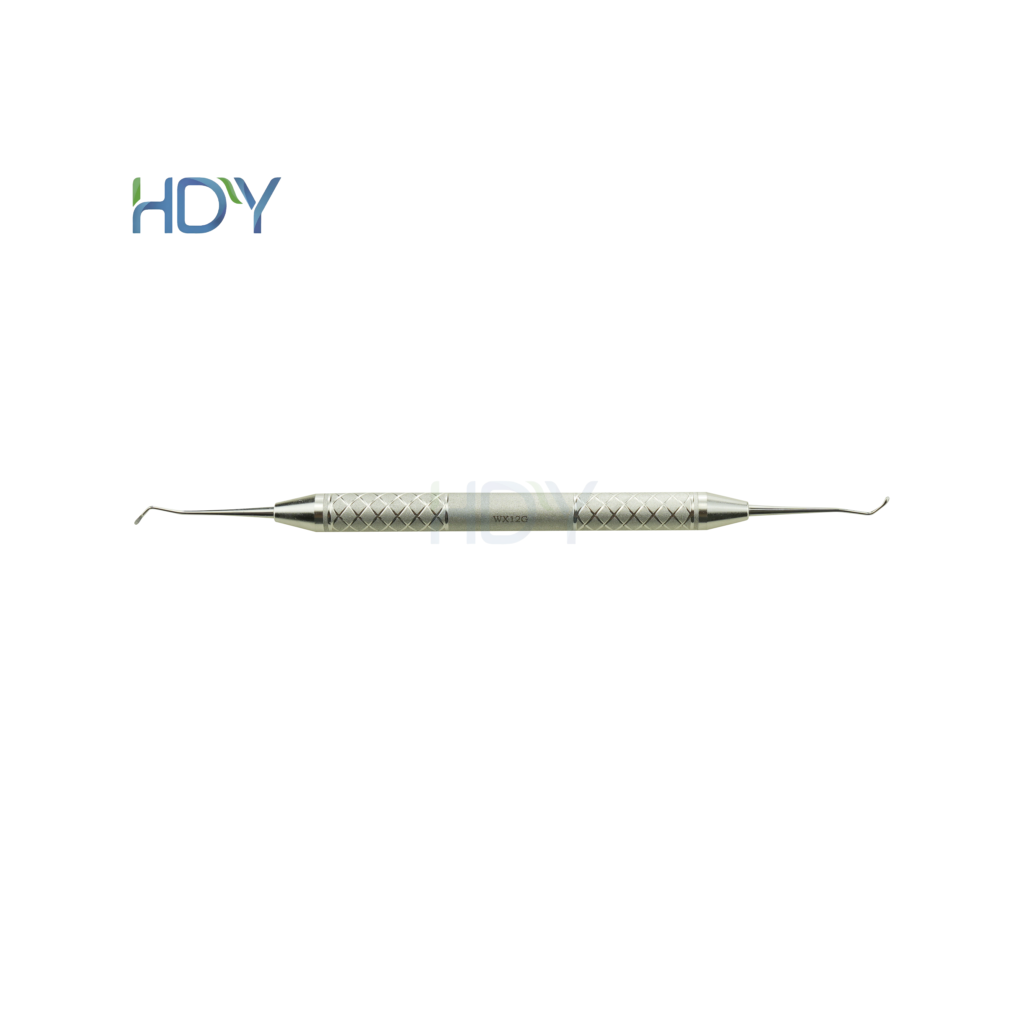
The WX12G features a 1.2 mm spoon-shaped working end and metal handle. Its relatively small working diameter supports controlled excavation in narrow cavities, pits and restricted areas.
It can be selected when access is limited or when the operator requires greater control over the amount of tissue removed.
HDY WX15G Excavator – 1.5 mm Metal Handle
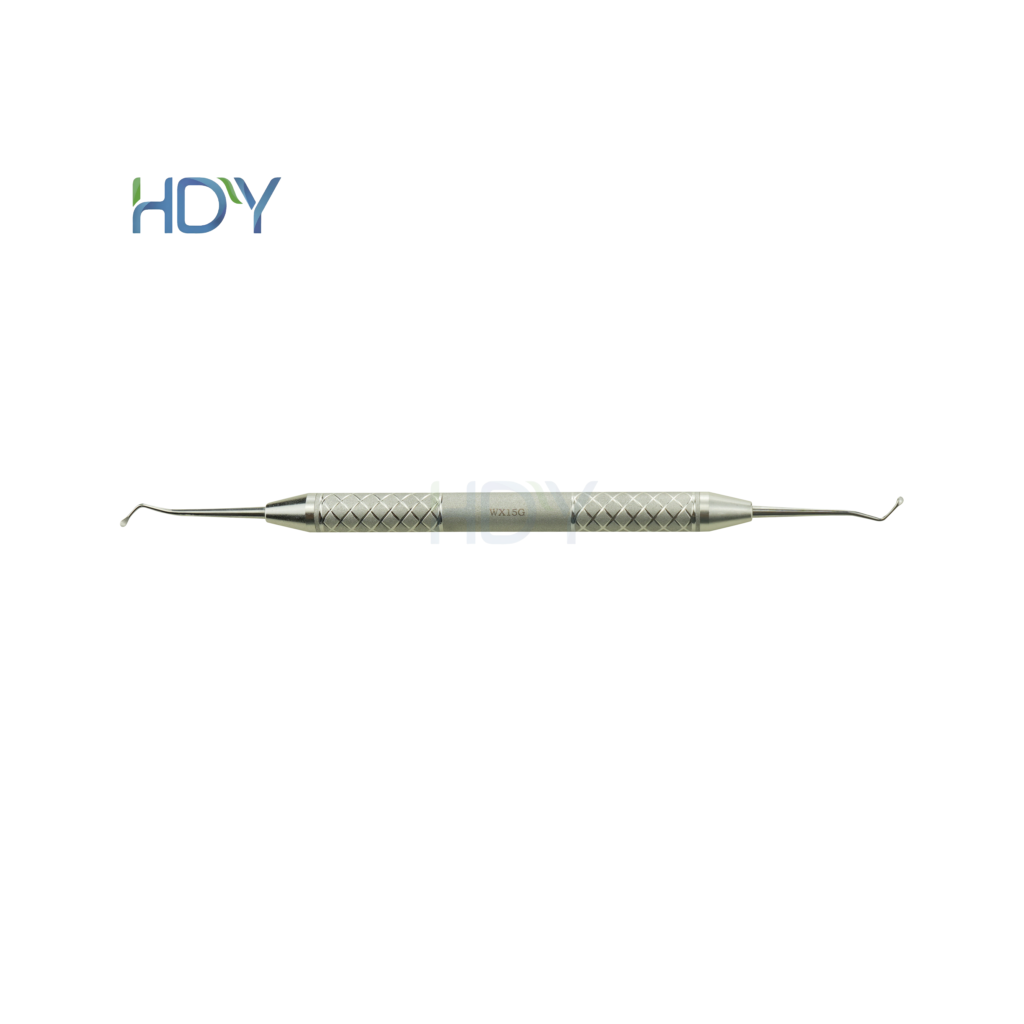
The WX15G 1.5 mm dental excavator provides a practical intermediate size for routine caries removal and cavity preparation.
Its spoon-shaped cutting end supports the removal of softened dentin while the metal handle provides stable control and tactile feedback.
HDY WX18G Excavator – 1.8 mm Metal Handle
The WX18G has a larger 1.8 mm working end for broader cavities and areas where a wider spoon excavator can be used efficiently.
The operator should select the instrument according to the actual cavity dimensions rather than using an oversized excavator in a restricted preparation.
HDY WG15G Oval Spoon Endodontic Excavator
The HDY WG15G is an oval spoon endodontic excavator designed to provide access and control in deep or confined treatment areas.
Its working-end geometry makes it suitable for procedures requiring careful manipulation within narrow spaces. Instrument selection and excavation depth should always follow the clinician’s diagnosis and the applicable treatment protocol.
Practical Excavation Sequence
A controlled excavation workflow may include:
- Establish visibility and isolation.
- Select the excavator according to cavity width and access.
- Begin with controlled removal of softened tissue.
- Progress gradually rather than applying excessive force.
- Reassess the preparation visually and tactually.
- Change to a smaller instrument when working near delicate structures.
- Clean and inspect the cavity before beginning the adhesive procedure.
HDY metal-handle excavators are manufactured from stainless steel and designed for reusable clinical workflows. Cleaning, disinfection and sterilization should follow the product instructions and the dental facility’s validated infection-control protocol.
Discover the complete range of HDY dental excavators.
3. Composite Placement Instruments: Controlled Adaptation and Anatomical Contouring
Once cavity preparation and adhesive procedures are complete, the restorative phase begins.
During composite placement, the clinician must adapt the material to cavity walls, control each increment, shape the external contour and recreate the tooth’s functional anatomy. Posterior restorations also require careful development of pits, fissures, marginal ridges and proximal form.
HDY Flexi-Thin composite instruments are divided into anterior and posterior designs.
Anterior Flexi-Thin Composite Instruments
The anterior range includes:
- CTS01G #1 Flexi-Thin Composite Instrument, Anterior
- CTS02G #2 Flexi-Thin Composite Instrument, Anterior
- CTS03G #3 Flexi-Thin Composite Instrument, Anterior
- CTS04G #4 Flexi-Thin Composite Instrument, Anterior
- CTS05G #5 Flexi-Thin Composite Instrument, Anterior
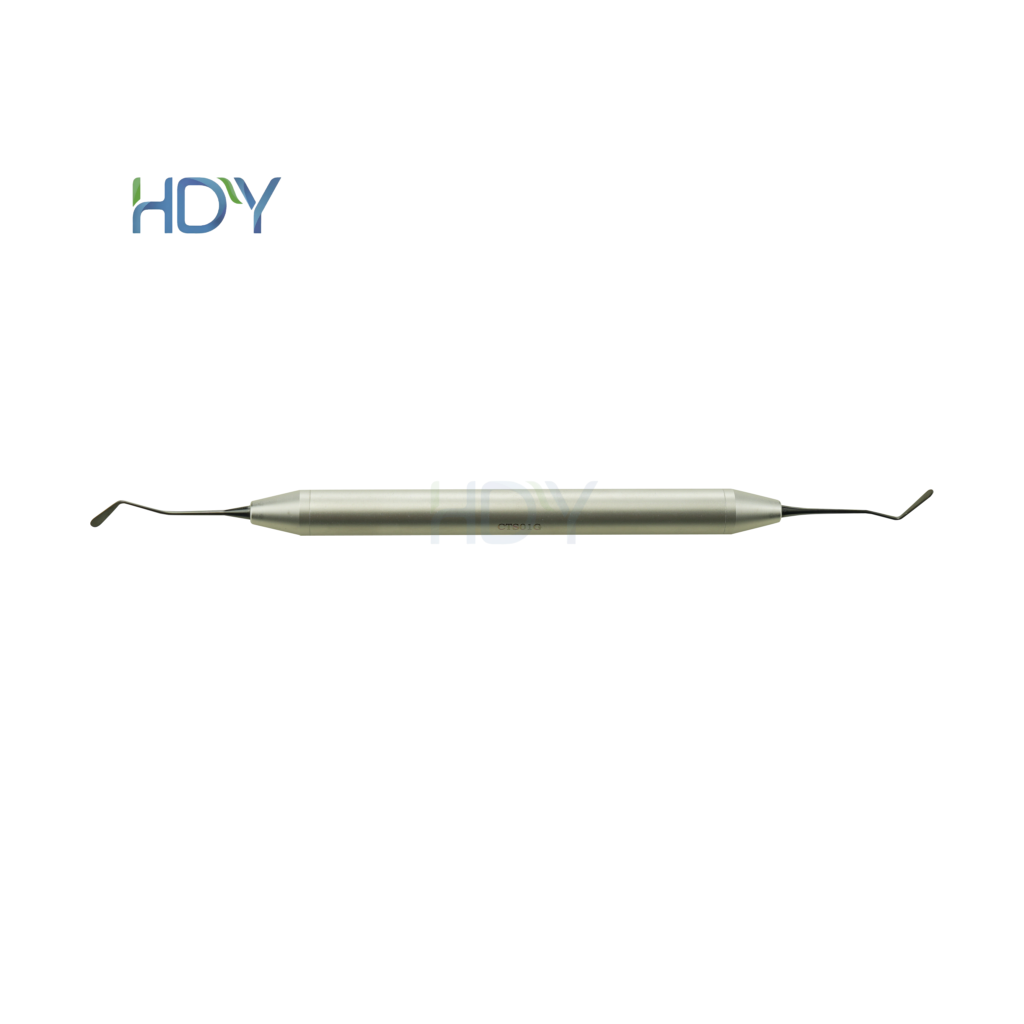
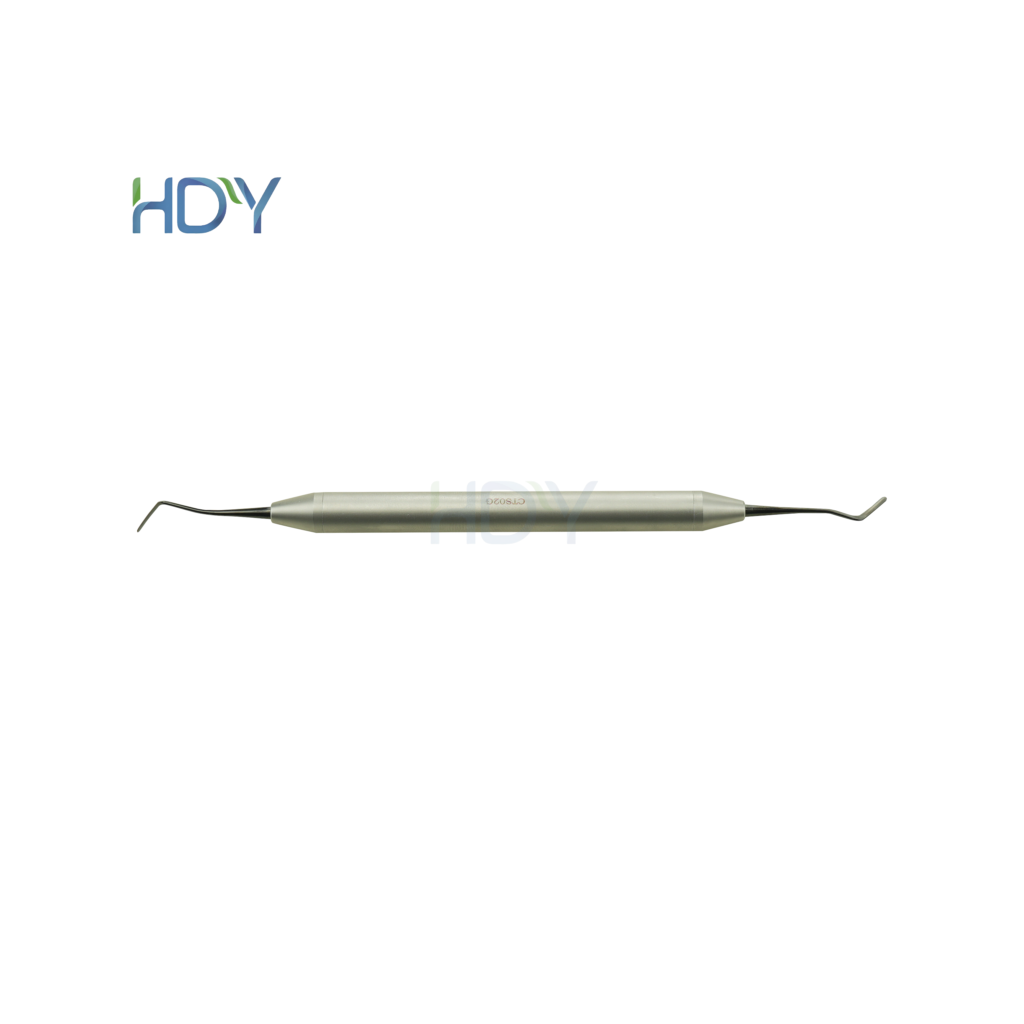
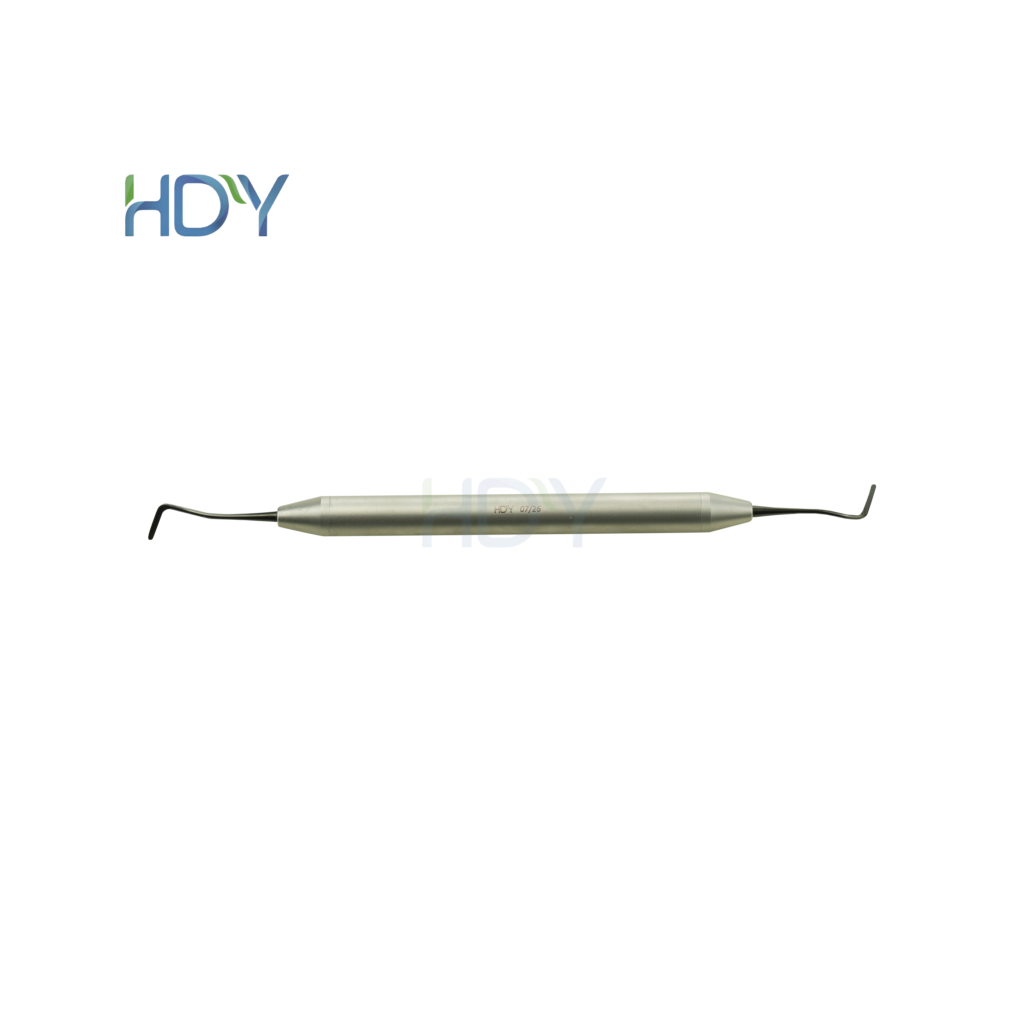
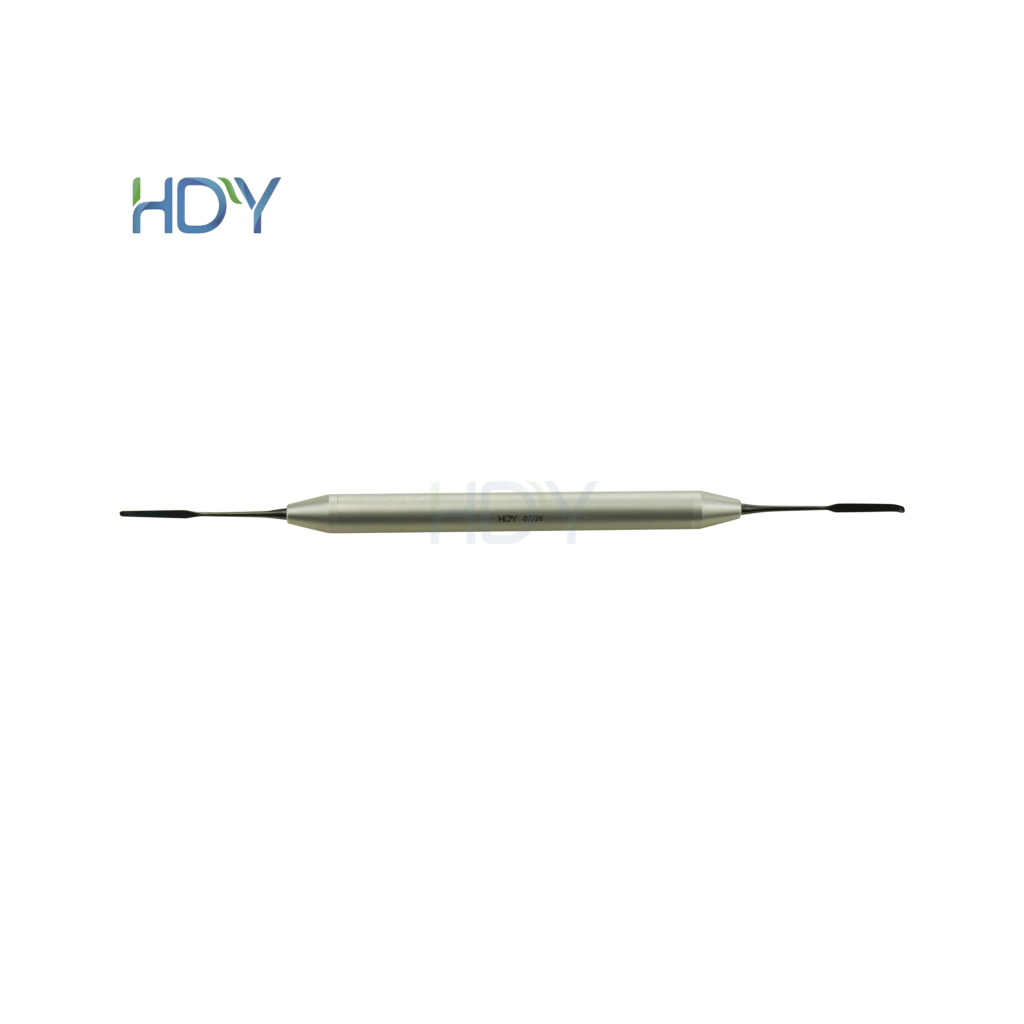
Product Description MANUFACTURER
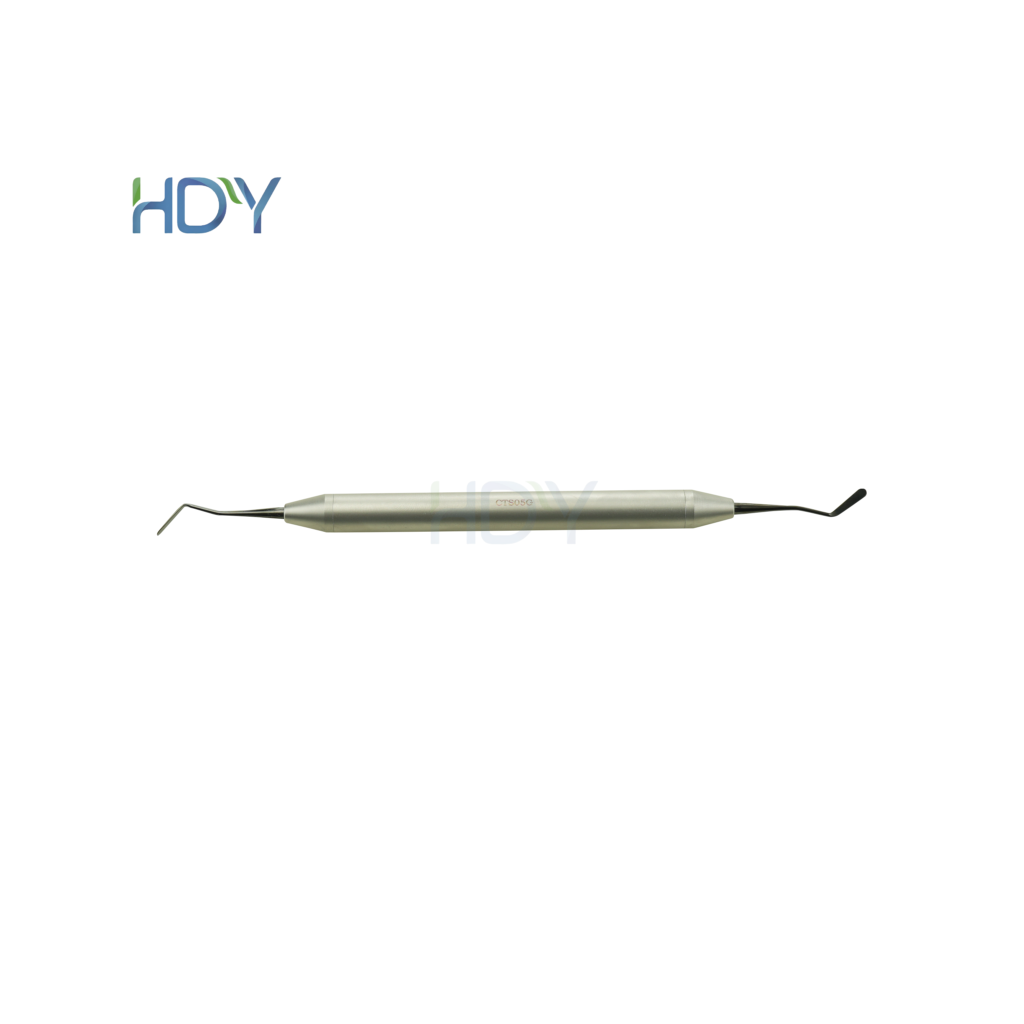
The CTS01G features an ultra-thin, flexible working end developed for accurate composite placement, adaptation, shaping and contouring in anterior restorative procedures.
Its slim design supports access to narrow anterior and interproximal areas where a bulky instrument could obstruct visibility or compromise contour control.
The anterior Flexi-Thin series may be used for:
- Anterior composite placement
- Adaptation of composite to prepared surfaces
- Interproximal contour development
- Facial and lingual surface shaping
- Fine modelling of aesthetic restorations
- Removal of excess uncured restorative material
Posterior Flexi-Thin Composite Instruments
The posterior range includes:
- CTS07G #7 Flexi-Thin Composite Instrument, Posterior
- CTS08G #8 Flexi-Thin Composite Instrument, Posterior
- CTS09G #9 Flexi-Thin Composite Instrument, Posterior
- CTS10G #10 Flexi-Thin Composite Instrument, Posterior
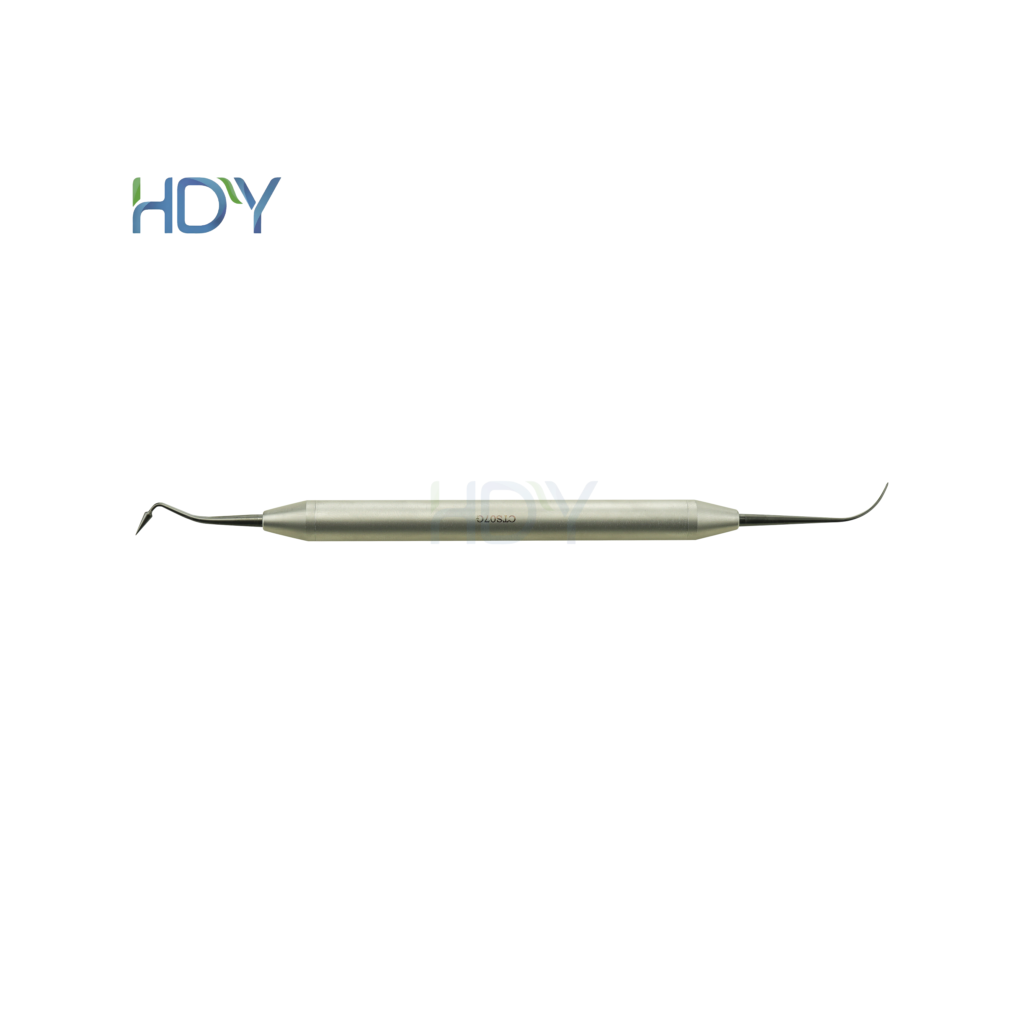
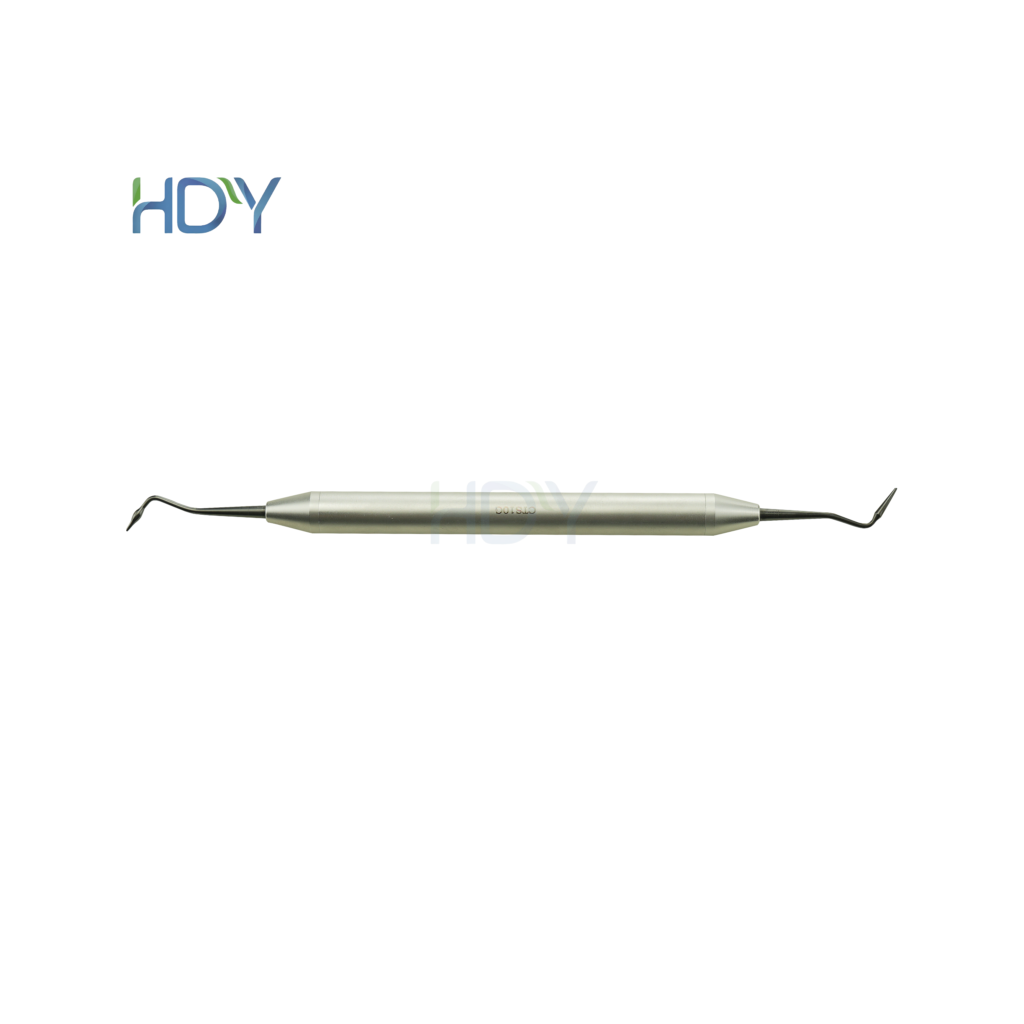
CTS07G: Conical and Ball-Shaped Working Ends
The CTS07G combines conical and ball-shaped working ends.
The conical end supports controlled placement and contouring, while the ball-shaped end can help adapt and smooth composite in pits, fissures and other posterior anatomical areas.
It is designed for:
- Posterior composite placement
- Adaptation of restorative material
- Occlusal contouring
- Pit-and-fissure anatomy
- Composite shaping and modelling
CTS08G: Cylindrical and Paddle-Shaped Design
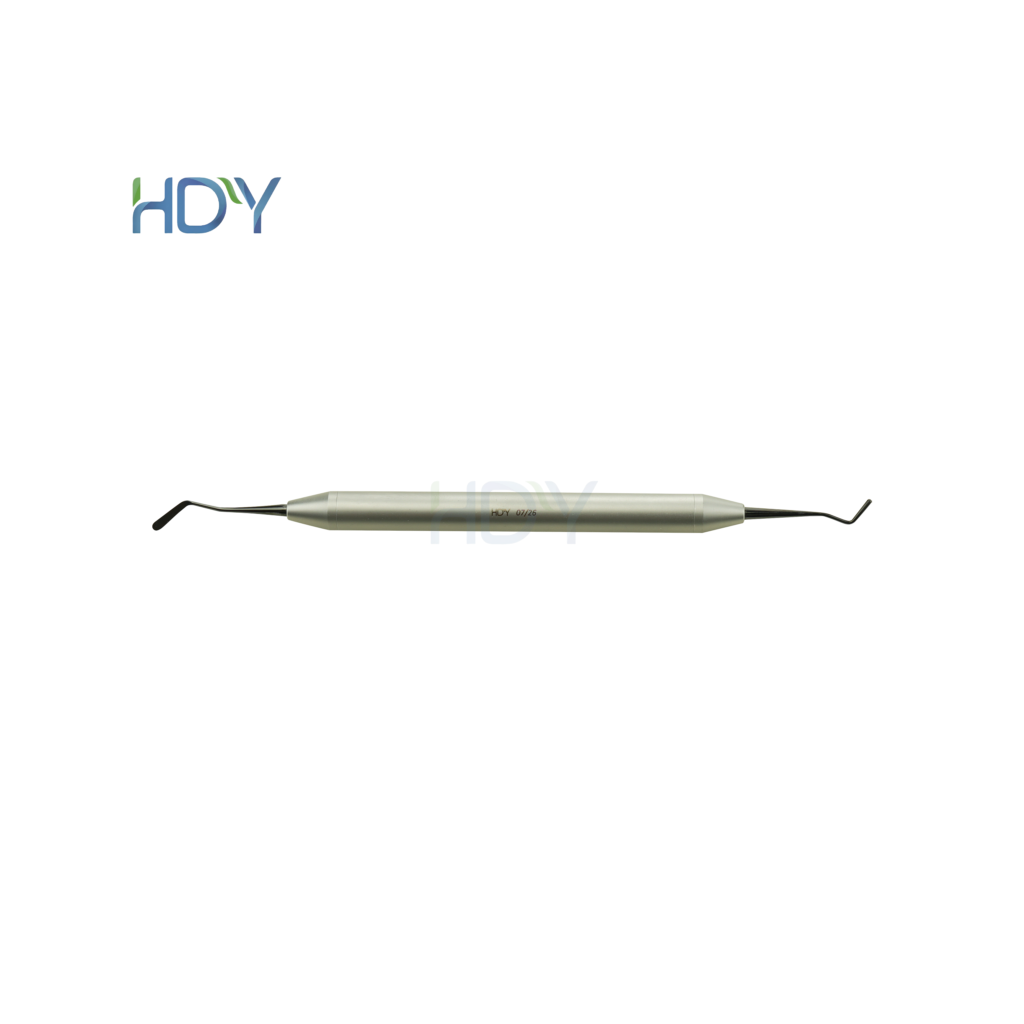
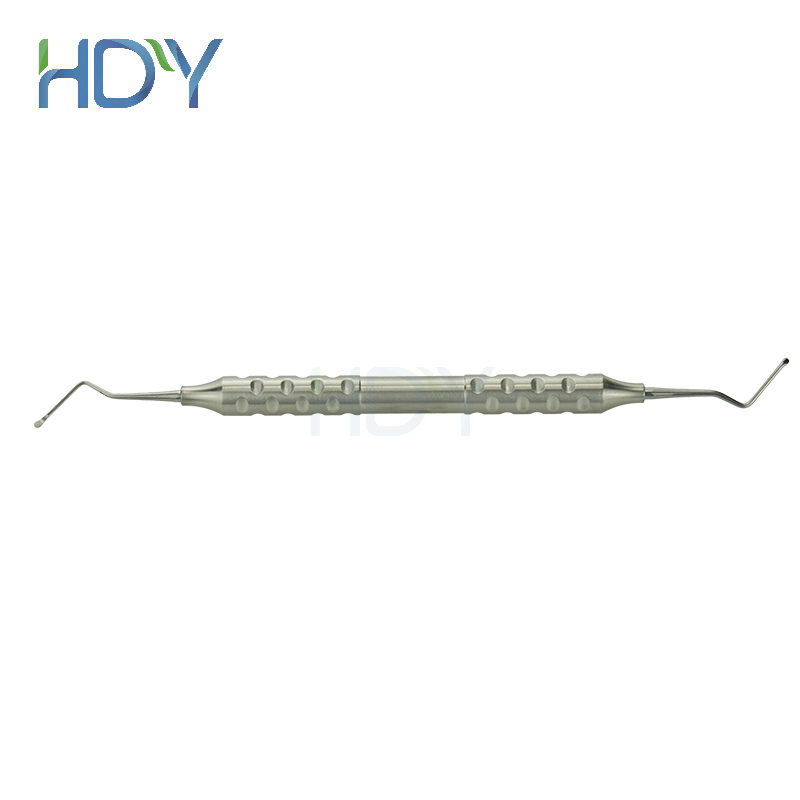
The CTS08G incorporates cylindrical and paddle-shaped working ends for posterior restorative procedures. This configuration can support controlled material placement, adaptation and surface contouring.
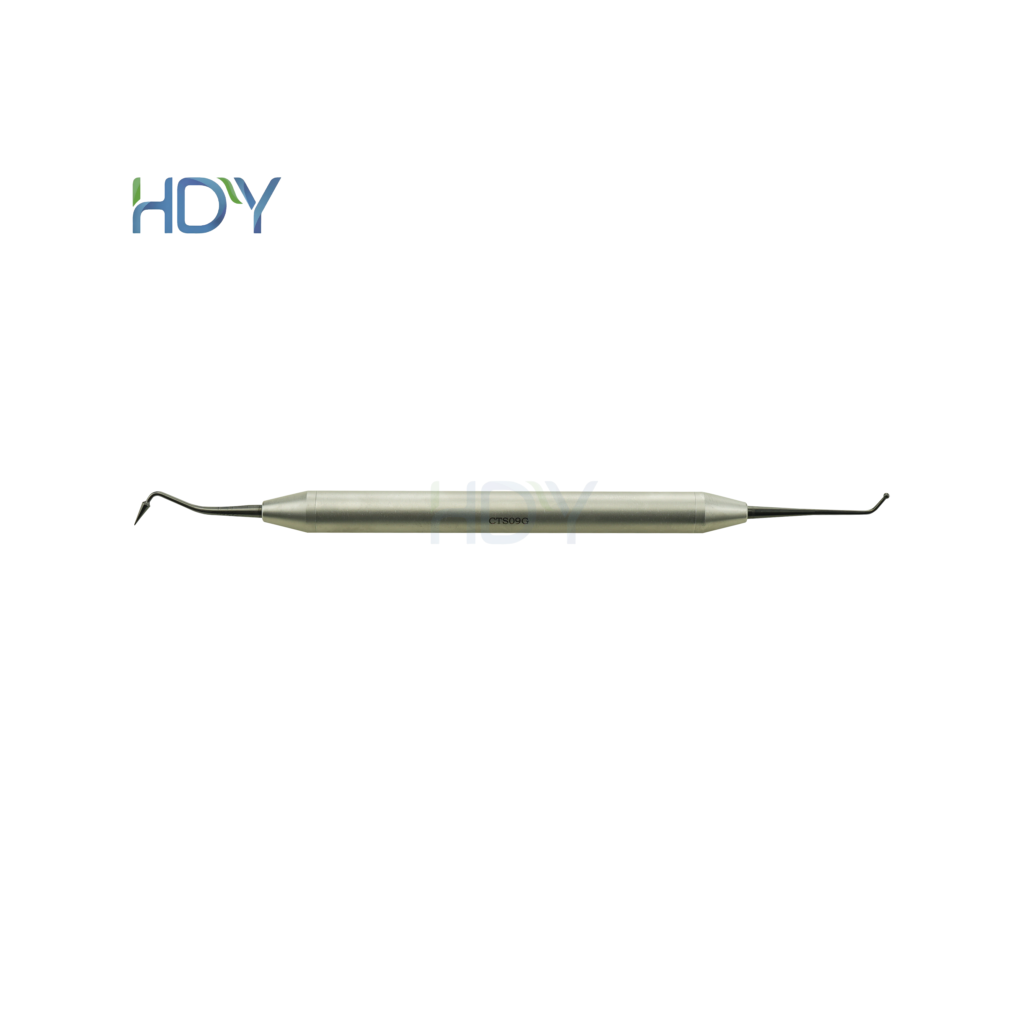
CTS09G: Posterior Flexi-Thin Composite Instrument
The CTS09G is designed for posterior composite placement, adaptation, shaping and contouring. Its slim working profile supports detailed manipulation of restorative material within posterior preparations.
CTS10G: Posterior Composite Placement and Contouring
The CTS10G extends the posterior Flexi-Thin instrument range, providing another working-end configuration for composite placement and anatomical shaping.
Because each CTS instrument has a different working-end geometry, clinicians can select the instrument according to the location of the preparation, required access and intended contour—not solely according to cavity classification.
Browse the complete HDY composite instrument range.
4. Building a Complete Composite Restoration Instrument Setup
A practical composite restoration setup may include instruments from three complementary categories:
| Clinical stage | HDY instrument | Primary purpose |
|---|---|---|
| Examination | K05 dental mirror | Indirect vision, illumination and retraction |
| Tactile assessment | TZ5G #5 explorer | Examination of grooves, surfaces and margins |
| Small-area excavation | WX12G, 1.2 mm | Controlled excavation in restricted cavities |
| Routine excavation | WX15G, 1.5 mm | General caries removal and preparation |
| Broader excavation | WX18G, 1.8 mm | Efficient excavation in larger accessible areas |
| Deep or confined access | WG15G oval spoon excavator | Controlled access in narrow treatment areas |
| Anterior restoration | CTS01G–CTS05G | Anterior placement, adaptation and contouring |
| Posterior restoration | CTS07G–CTS10G | Posterior placement and occlusal modelling |
This coordinated approach helps dental professionals organize instruments according to the actual restorative workflow instead of treating every instrument as an isolated product.
5. Clinical Considerations for Composite Placement
Instrument quality supports clinical control, but successful composite restoration also depends on correct material handling and adherence to the restorative material manufacturer’s instructions.
Important considerations include:
- Maintain effective moisture control and isolation.
- Follow the adhesive system’s instructions for use.
- Place and cure composite according to the material manufacturer’s recommended increment thickness.
- Select a composite instrument that provides suitable access without obstructing visibility.
- Avoid trapping voids during material adaptation.
- Reconstruct proximal form with an appropriate matrix and wedging system.
- Verify marginal adaptation, proximal contact and occlusion.
- Remove uncured composite from instruments promptly after use.
- Follow validated cleaning and sterilization procedures before reuse.
The frequently used “2 mm increment” concept should not be treated as a universal rule. Conventional and bulk-fill composites can have different recommended curing depths, so clinicians should always follow the instructions supplied with the selected restorative material.
6. Why Choose HDY Restorative Dental Instruments?
Complete Restorative Workflow Coverage
HDY supplies instruments for the key stages of restorative treatment:
- Diagnostic examination
- Tactile exploration
- Caries excavation
- Cavity preparation
- Composite placement
- Anatomical shaping and contouring
- Instrument organization and sterilization
Multiple Working-End Sizes and Designs
The WX dental excavator series offers different working-end diameters, while the CTS Flexi-Thin series provides multiple anterior and posterior designs.
This allows dental professionals and distributors to build instrument selections around different procedural requirements.
Stainless-Steel Construction
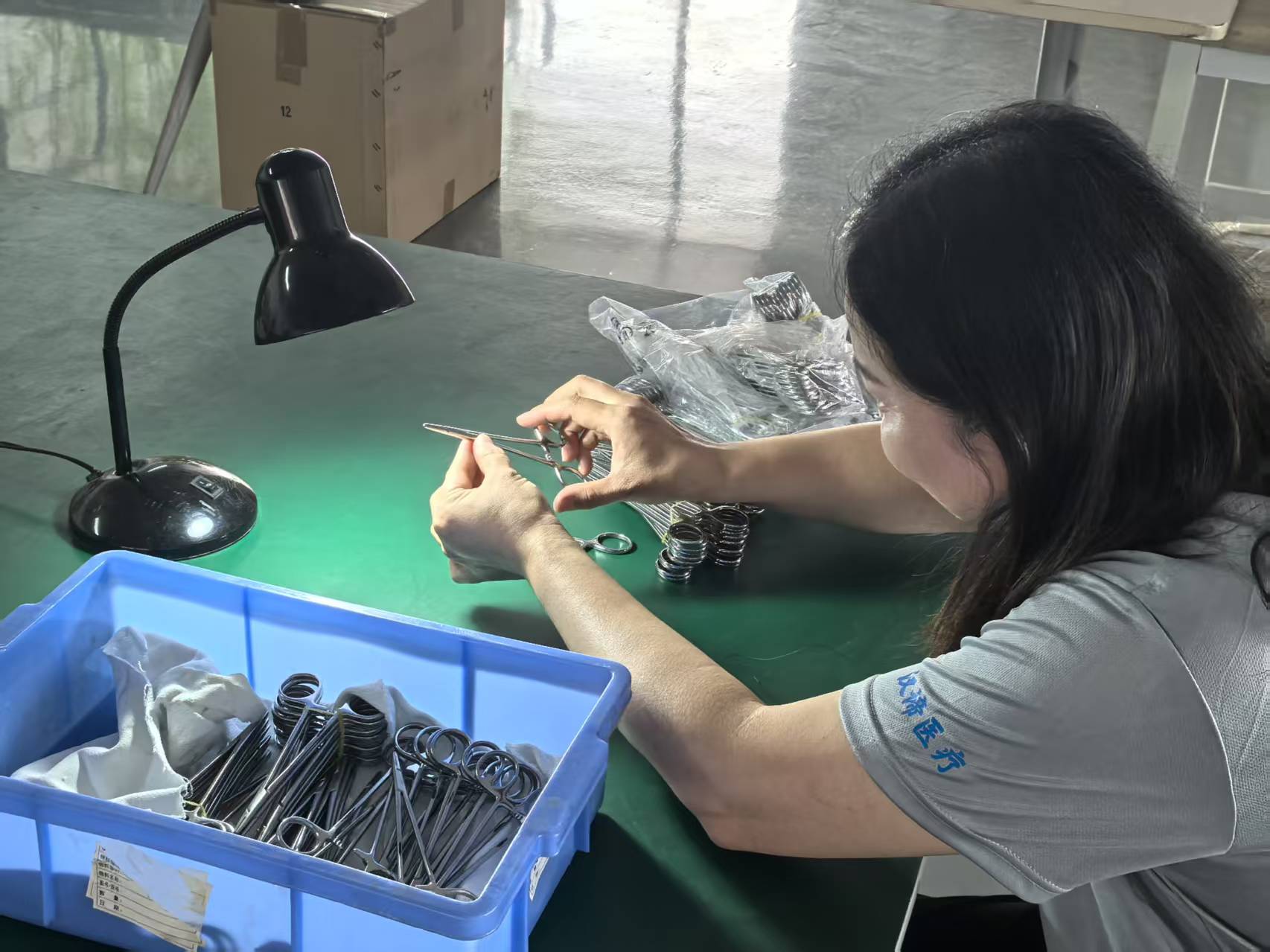
HDY restorative dental instruments are manufactured from stainless steel for durability, corrosion resistance and reliable repeated use.
Metal-Handle Control
The G-series instruments use metal handles designed to provide a stable grip and tactile feedback during precision restorative procedures.
Reusable and Autoclavable
Individual product pages identify applicable HDY stainless-steel instruments as reusable and autoclavable. Users should follow the official reprocessing instructions and their facility’s sterilization protocol.
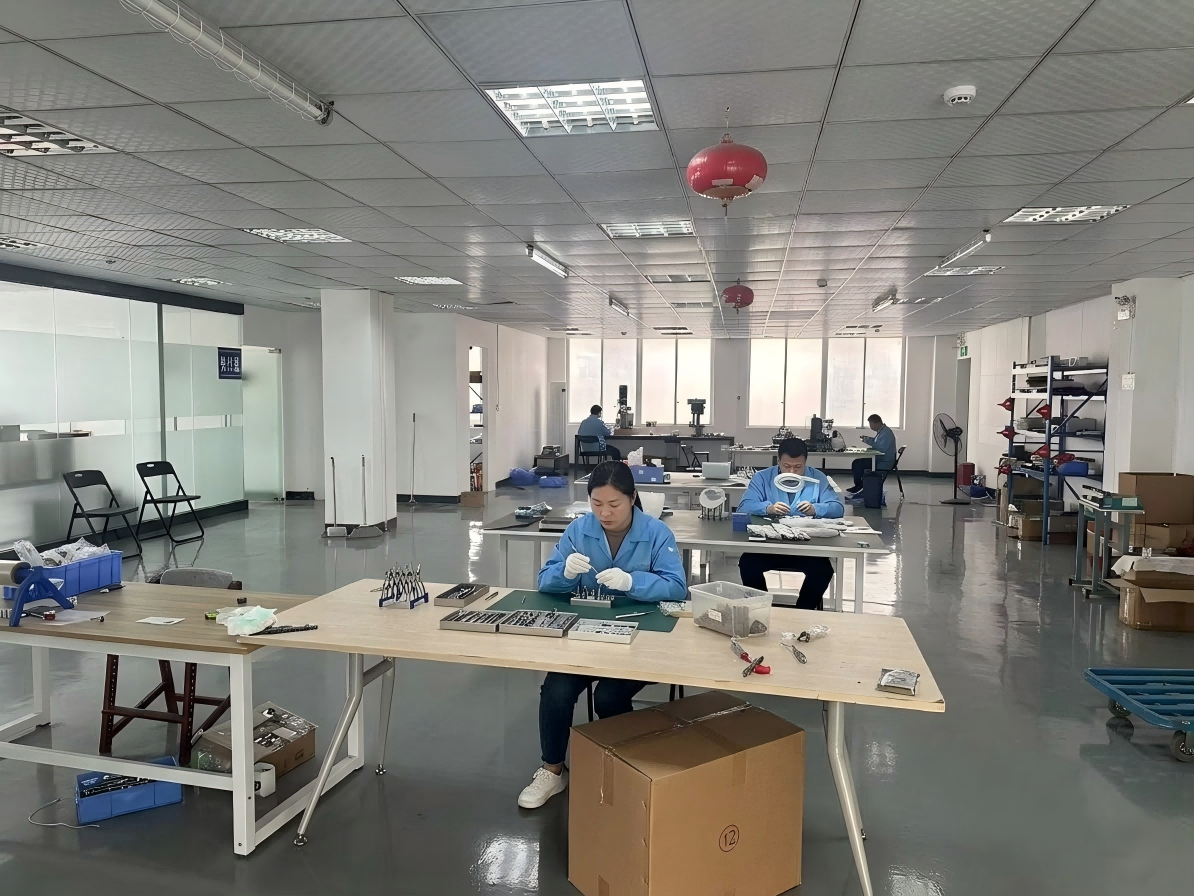
OEM and ODM Dental Instrument Manufacturing
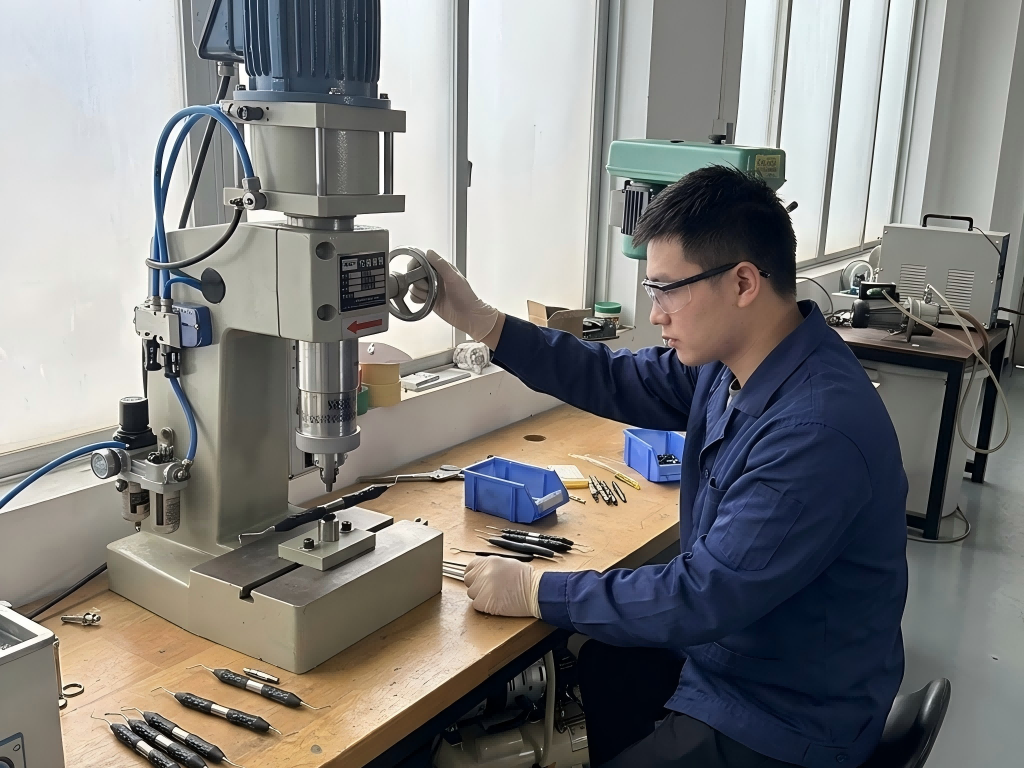
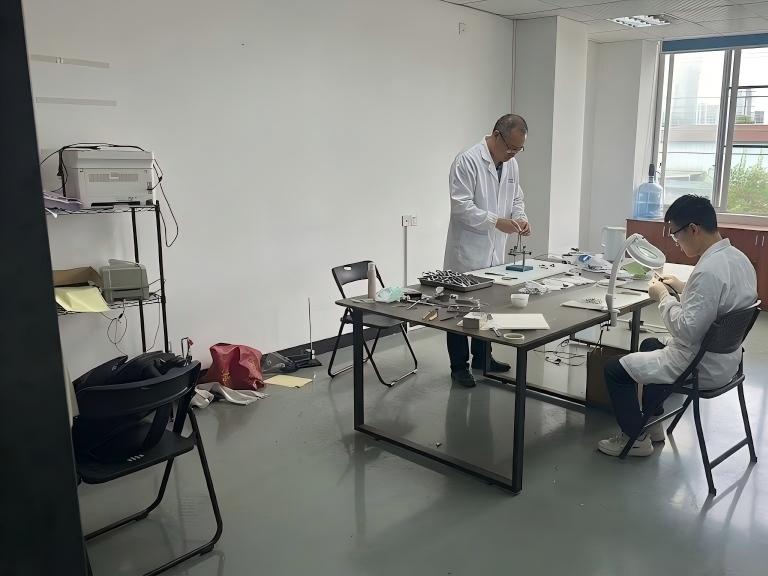
As a professional dental instrument manufacturer in China, HDY provides flexible OEM and ODM dental instrument services, including:
- Private-label dental instruments
- Custom working-end development
- Instrument handle customization
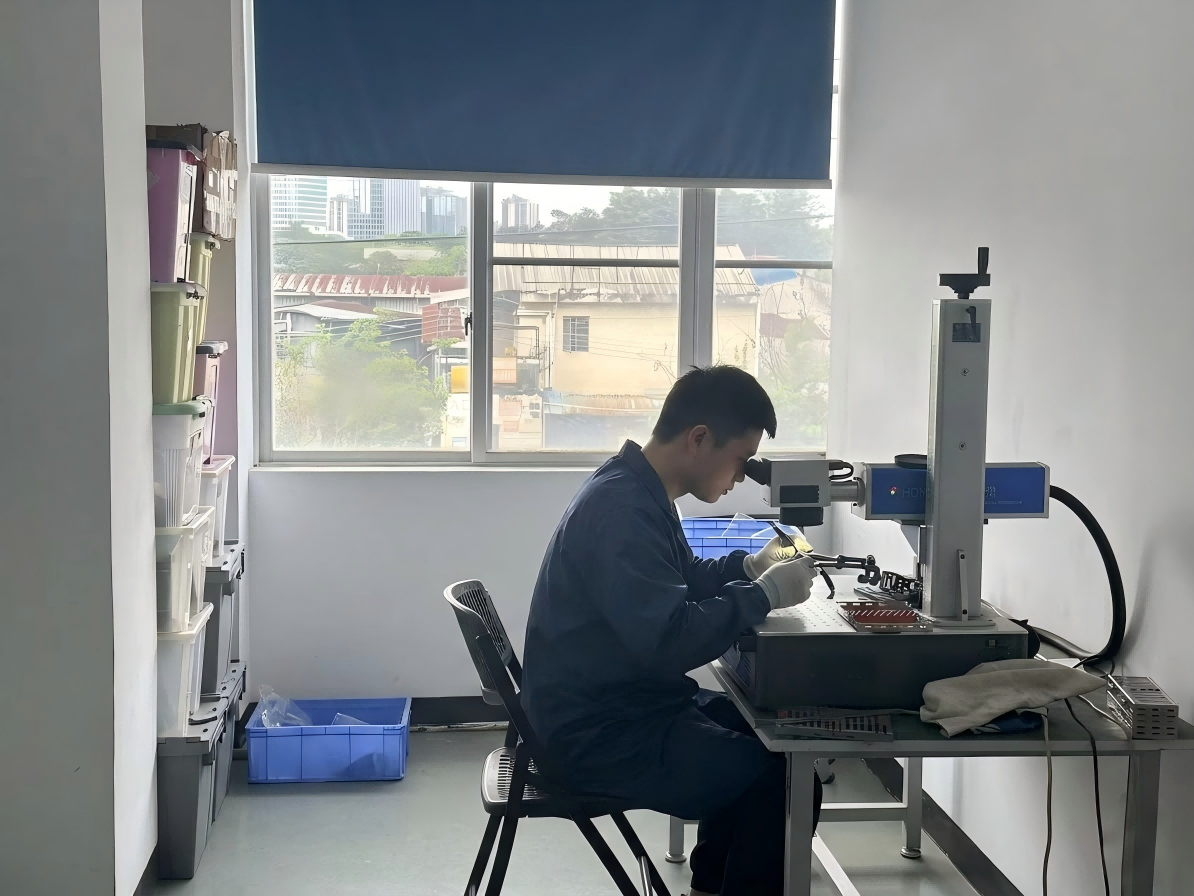
- Laser logo engraving
- Customized colours and surface finishes
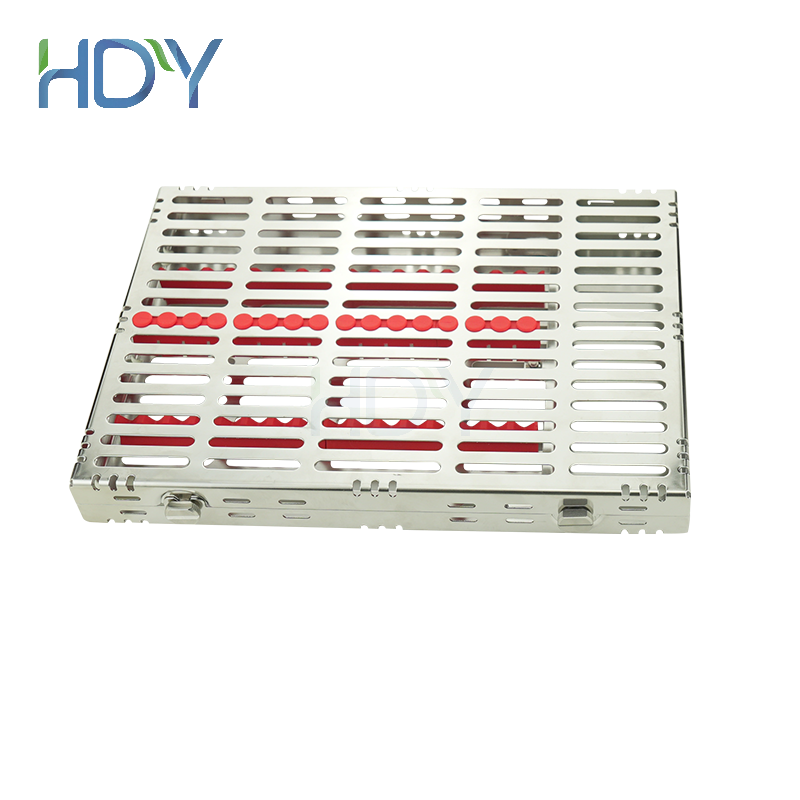
- Dental instrument cassette solutions
- Packaging design and customization
- Sampling and product development support
These services help dental distributors, clinics, hospitals and international brands develop differentiated restorative instrument portfolios.
Precision Instruments for Predictable Restorative Dentistry
Composite resin restoration is a form of tooth reconstruction performed within a millimetre-scale operating field.
Clear visualization supports accurate diagnosis. Controlled excavation helps preserve valuable tooth structure. Purpose-designed composite instruments allow restorative material to be placed, adapted and shaped with greater precision.
By integrating dental diagnostic instruments, dental excavators and Flexi-Thin composite instruments, HDY provides a coordinated instrument solution for modern restorative dentistry.
Request HDY Product or OEM Information
Are you looking for restorative dental instruments, distributor pricing, product samples or an OEM composite instrument solution?
Contact HDY Dental to discuss:
- Composite instrument models
- Dental excavator selections
- Diagnostic instrument kits
- Wholesale and distributor enquiries
- Private-label manufacturing
- Custom instrument development
- Logo and packaging customization
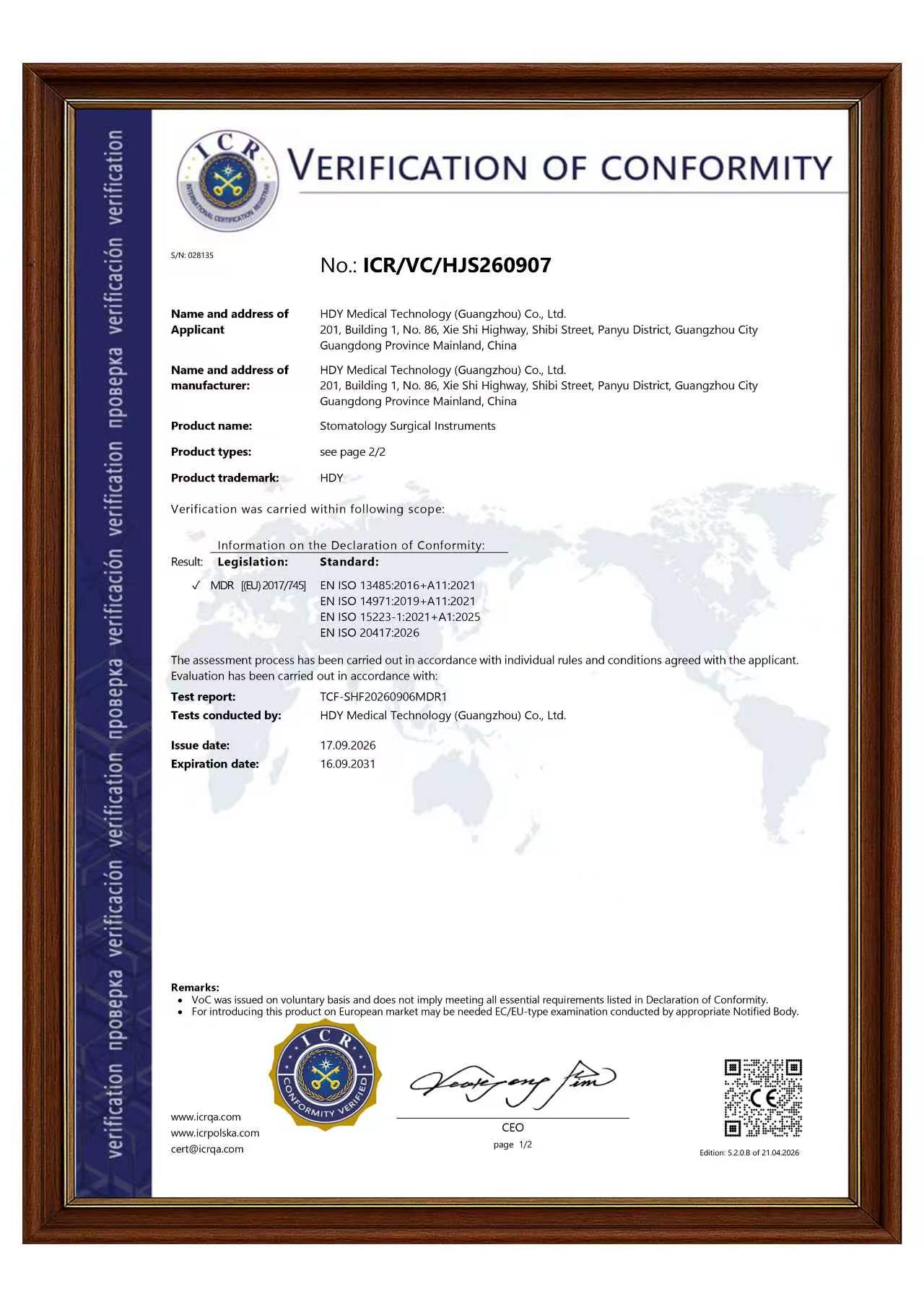
HDY Medical Technology (Guangzhou) Co., Ltd.
Professional Manufacturer of Dental and Oral Surgical Instruments
Email: info@hdydent.com
Website: https://hdydent.com/
 English
  简体中文
简体中文  Español
  Deutsch
  Français