

Custom Dental Instrument Manufacturer for OEM and ODM Projects
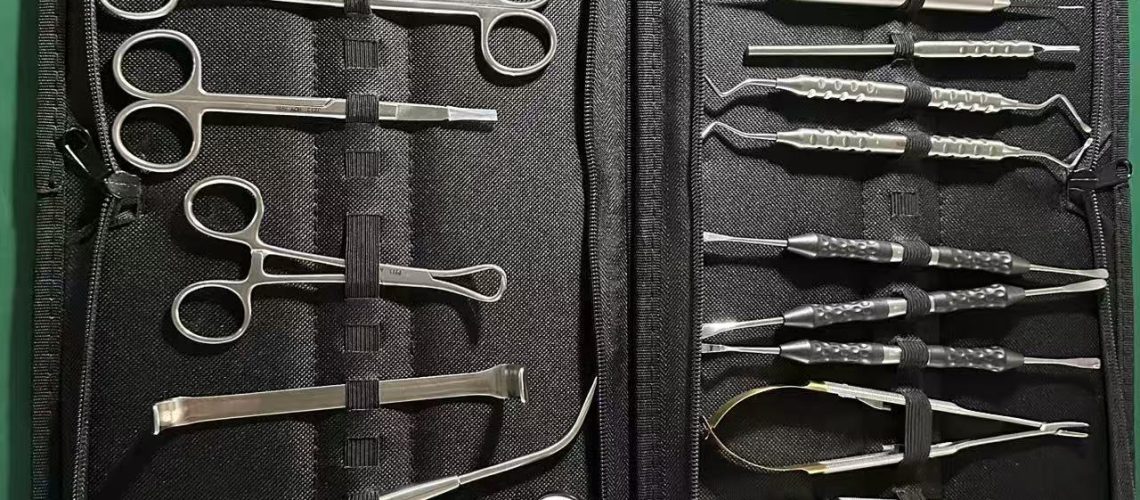
Turn a technical drawing, physical reference sample or defined clinical requirement into a controlled dental instrument development project. HDY supports dental brands, distributors and professional buyers from structure review and material selection through prototyping, sample approval, production and customized packaging.
Send Your Drawing or SampleView OEM & ODM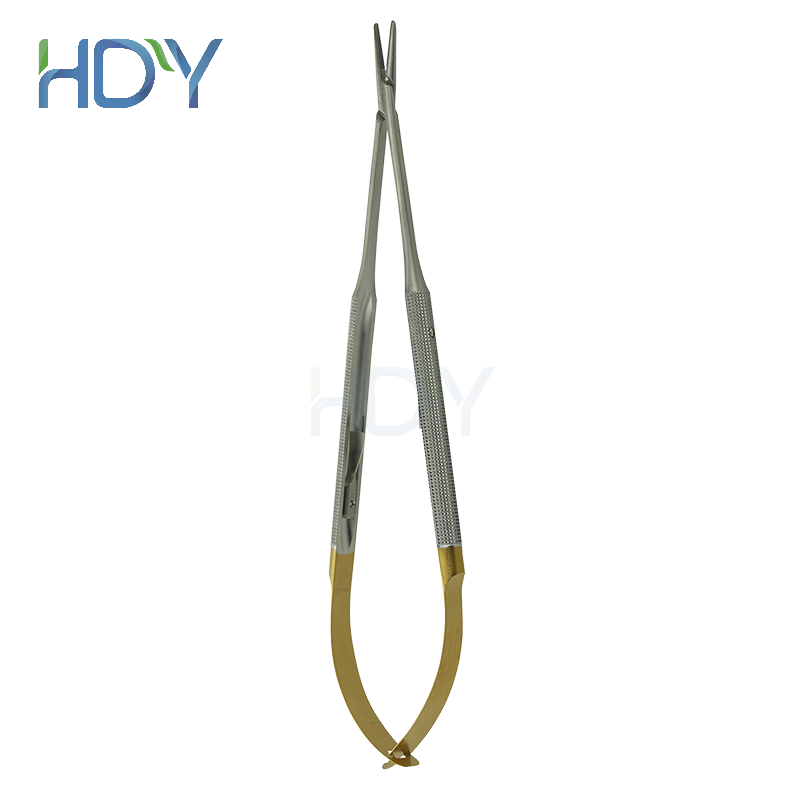 PRECISION INSTRUMENT DEVELOPMENT
When Standard Dental Instruments Are Not Enough
Standard instruments are suitable when their working-end form, access angle, handle and dimensions match the intended procedure. A custom project becomes relevant when a buyer needs a different clinical reach, working geometry, ergonomic preference, brand position or procedure-set configuration.
A credible custom dental instrument manufacturer must translate the proposed change into measurable specifications. “Make the tip thinner” or “improve the grip” is not yet a production requirement. The intended use, critical dimensions, target access, loading, surface condition and processing requirements must be clarified before prototyping.
Three Ways to Start a Custom Instrument Project
HDY can begin its feasibility review from different reference types. The clearer the input, the faster the project team can identify open questions and define the next development step.
From a Technical Drawing
Submit dimensions, tolerances, working-end geometry, angles, handle requirements, material preferences and any critical functional notes. HDY reviews manufacturability and identifies specifications that need confirmation.
From a Physical Sample
Provide a legally owned or authorized reference sample together with the required changes. The sample can support dimensional evaluation, structural discussion and preparation of a new project specification.
From a Clinical Requirement
Describe the intended procedure, tooth or surgical position, visibility, access limitations, handling issue and desired outcome. This route normally requires more technical discussion before prototype definition.
Evaluate the Intended Use Before Designing the Instrument
Clinical context determines whether the proposed geometry is appropriate and which measurements must become controlled production characteristics.
Procedure
Define the intended examination, treatment, surgery or material-handling task.
Position
Identify anterior, posterior, root-end, soft-tissue or other target access.
Vision
Clarify direct, indirect or microscope-assisted use and visibility constraints.
Working End
Define critical tip dimensions, shape, angle, surface and functional contact.
Processing
Confirm reusable workflow, applicable instructions and destination requirements.
Convert User Needs into Controlled Geometry
The functional structure of a dental instrument includes more than its visible tip. The working-end form, neck transition, shaft angle, handle and connection between these elements determine access, control and loading behavior.
Working-End Definition
- Tip width, diameter or thickness
- Blade, spoon, ball or point geometry
- Edge and surface condition
- Left/right or paired configurations
Handle & Overall Structure
- Neck length and entry angle
- Handle diameter, weight and texture
- Single- or double-ended design
- Balance and model identification
Custom Dental Instruments Across Multiple Product Types
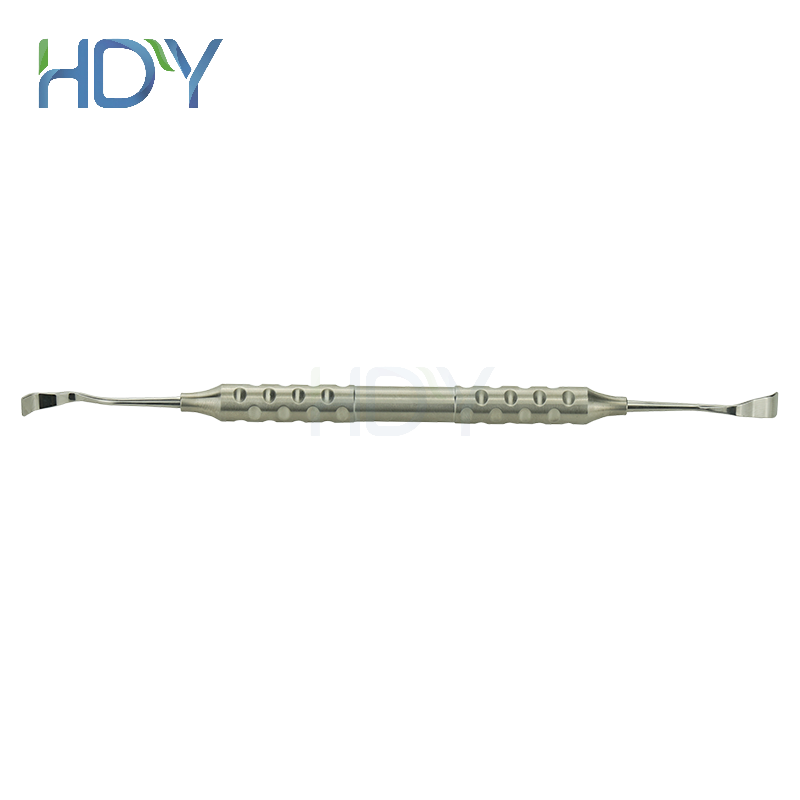
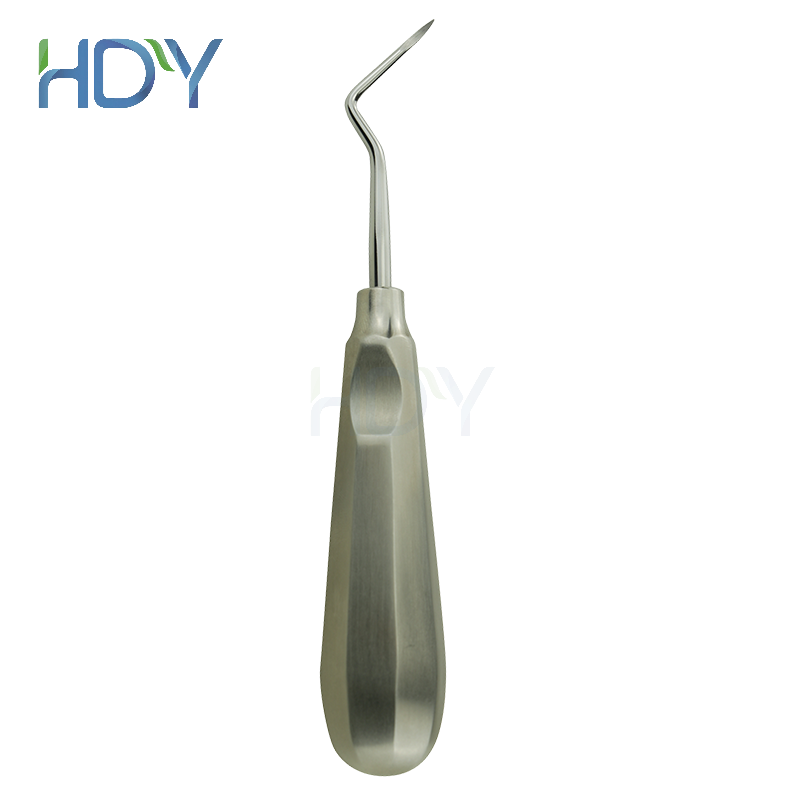
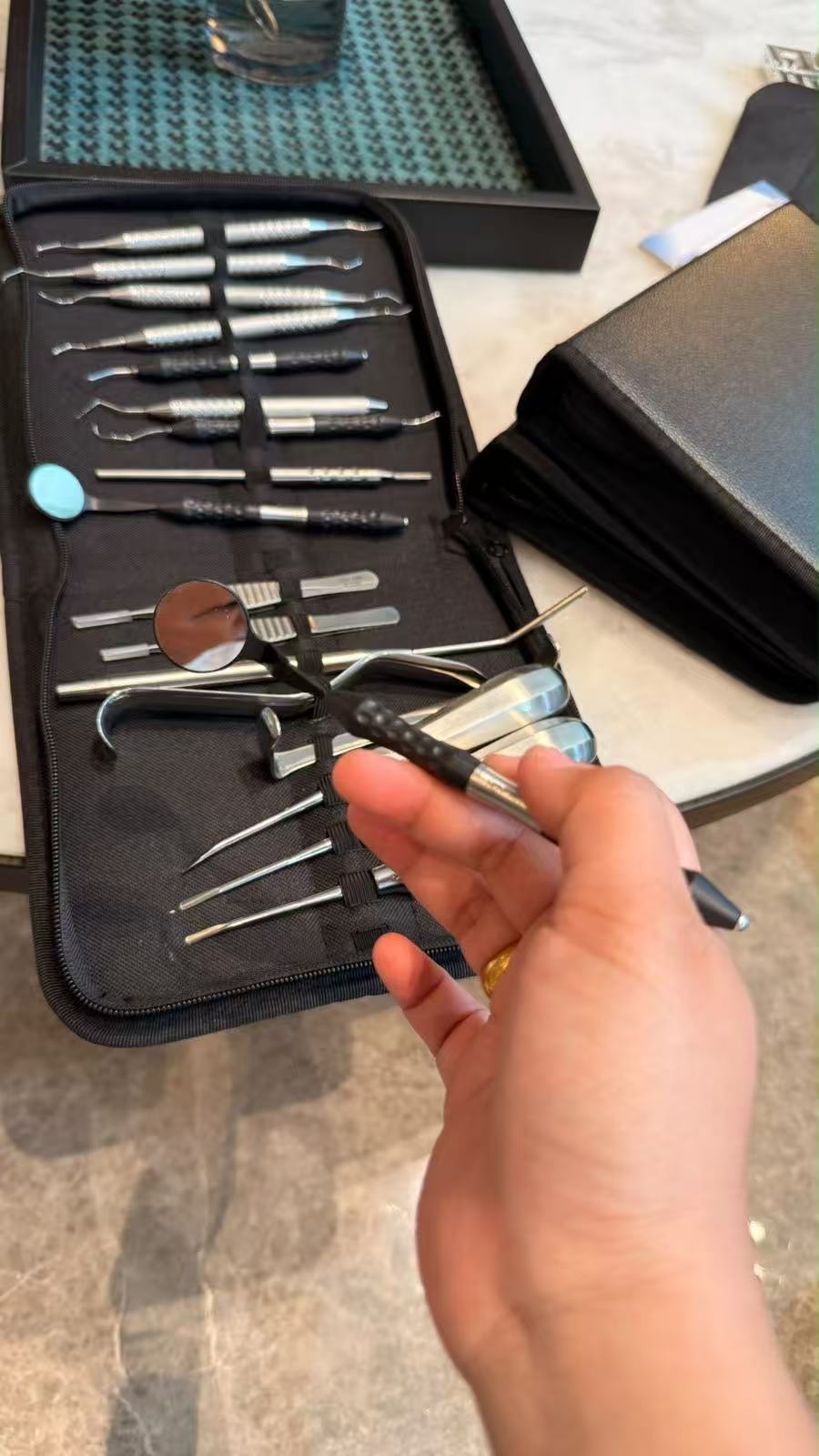
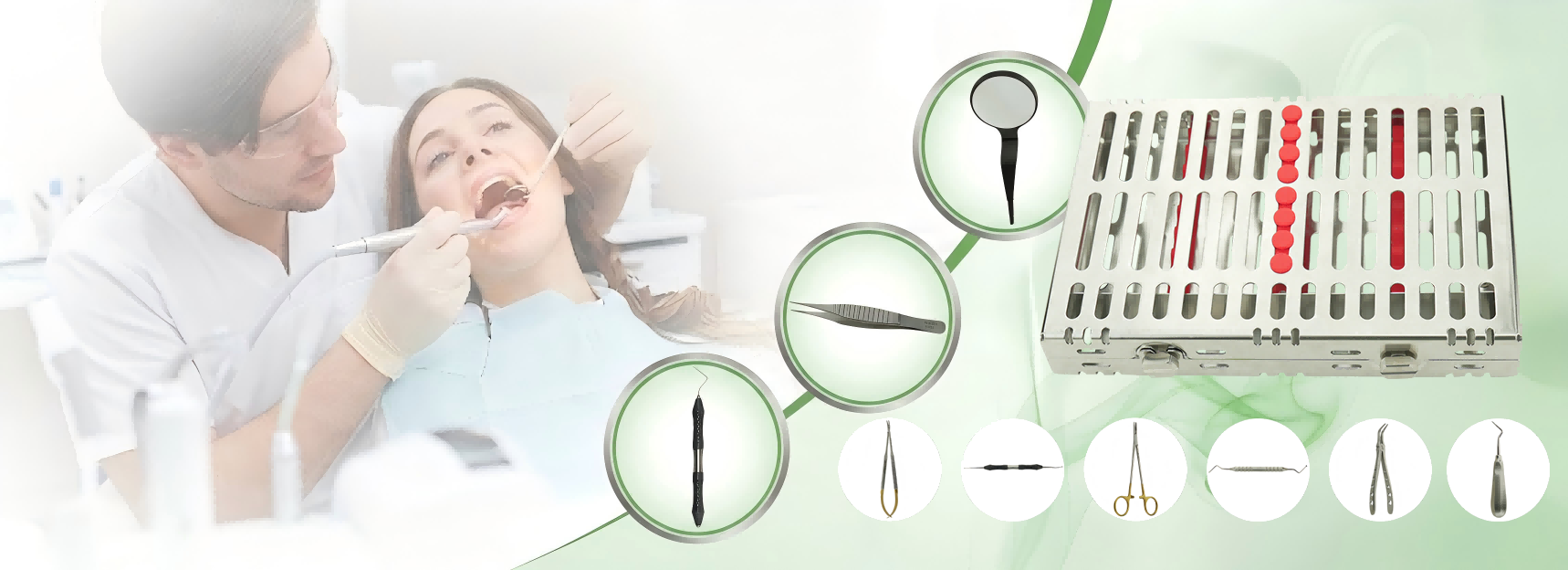
These HDY products illustrate the variety of working ends, handle structures, hinged mechanisms and set components that may inform a custom development discussion.
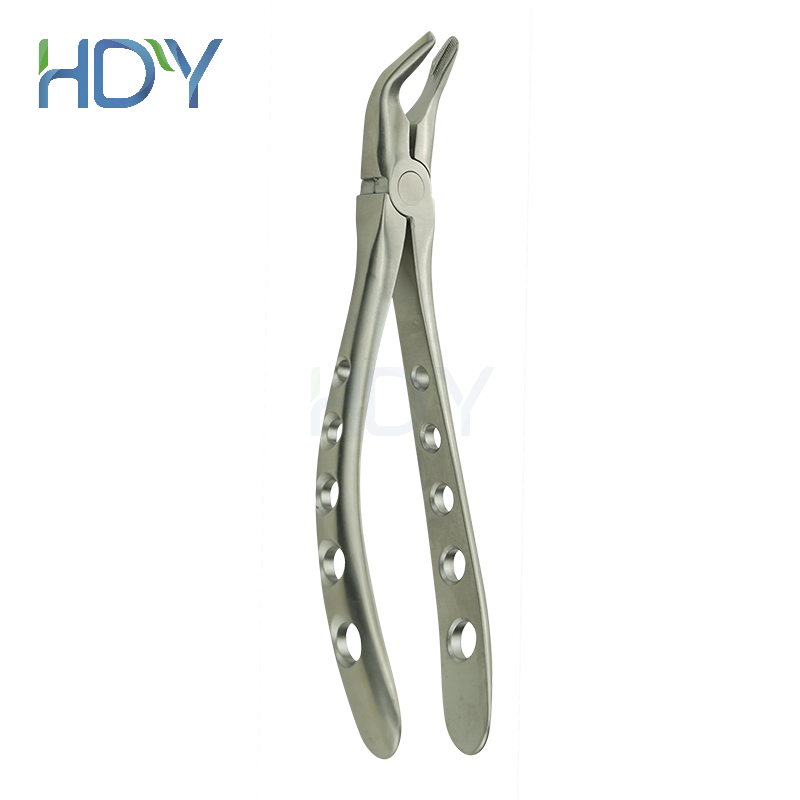
Precision Hinged Instruments
Review overall length, straight or curved access, joint movement, jaw alignment, locking behavior and handle ergonomics.
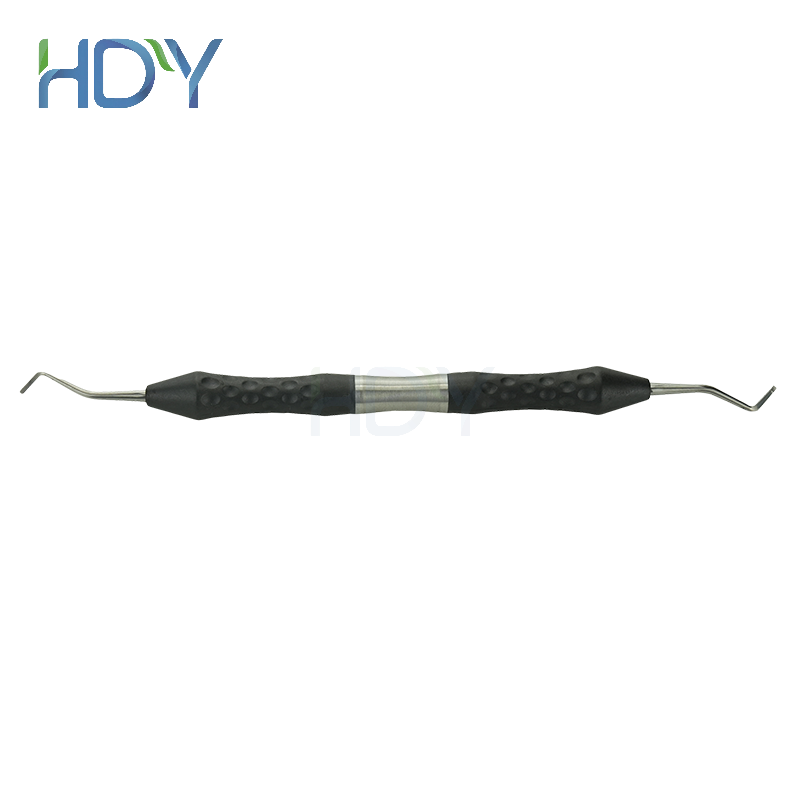
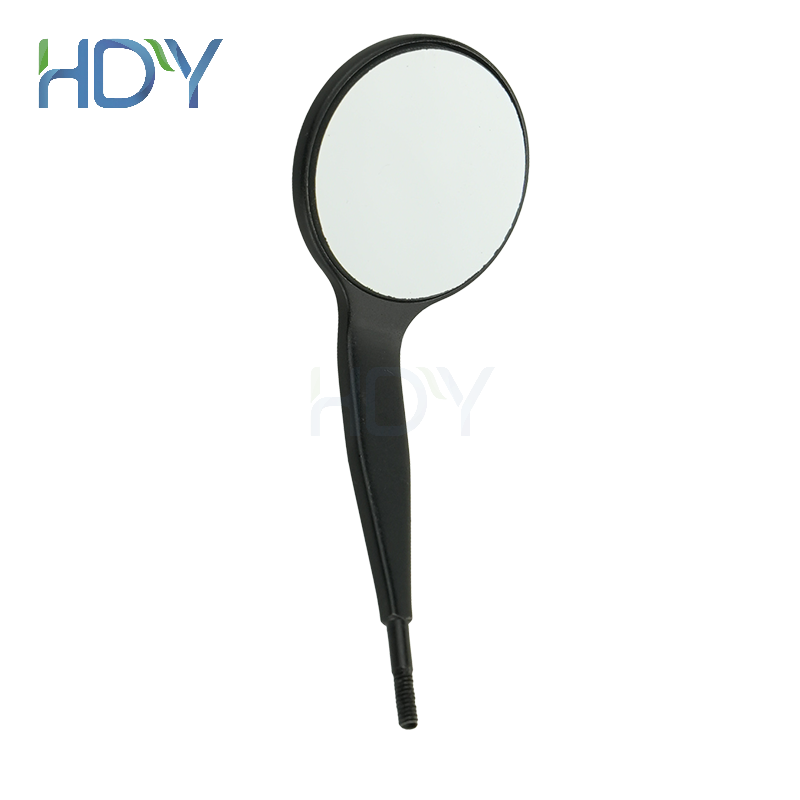
Working-End Instruments
Define tip profile, cutting or contact surface, neck angle, shaft transition, finish and intended loading conditions.
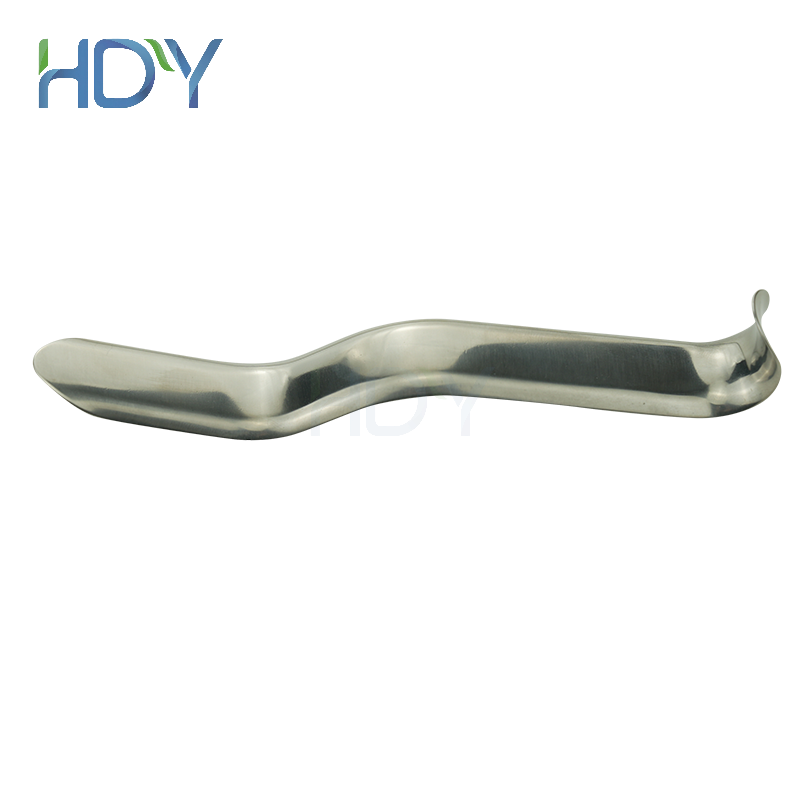
Elevators & Surgical Tools
Evaluate blade or working-end geometry, handle diameter, grip texture, strength requirements and controlled surface treatment.
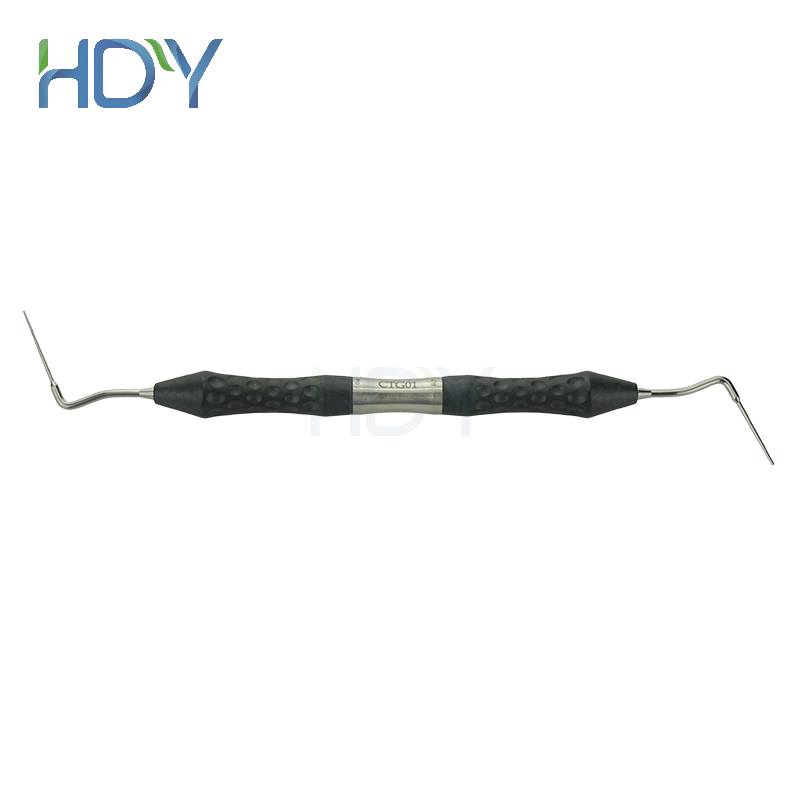
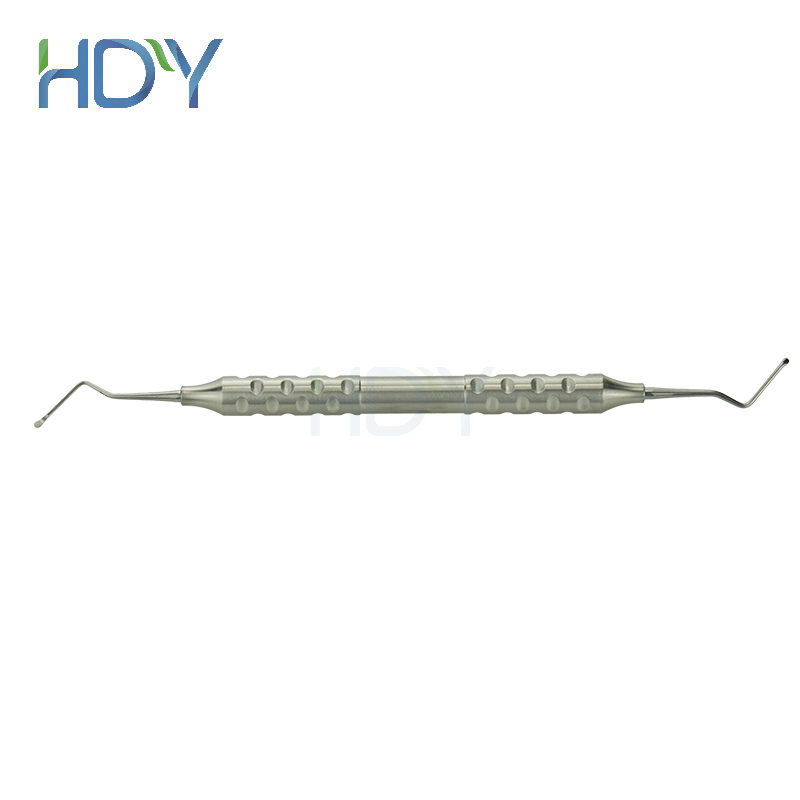
Fine Endodontic Instruments
Discuss small working-end dimensions, dual-ended combinations, tactile control, visibility and specialty set requirements.
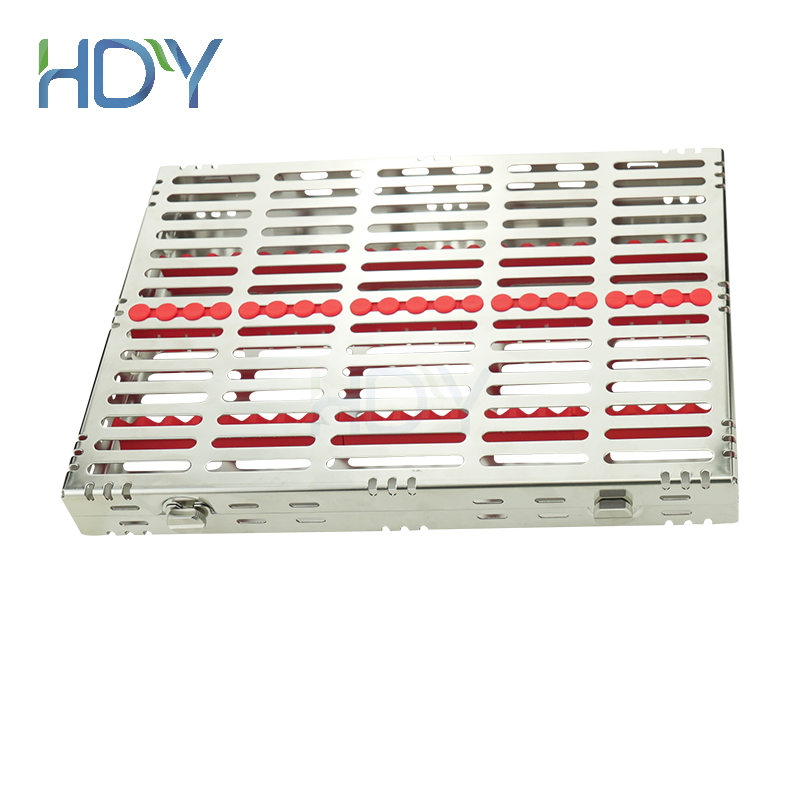
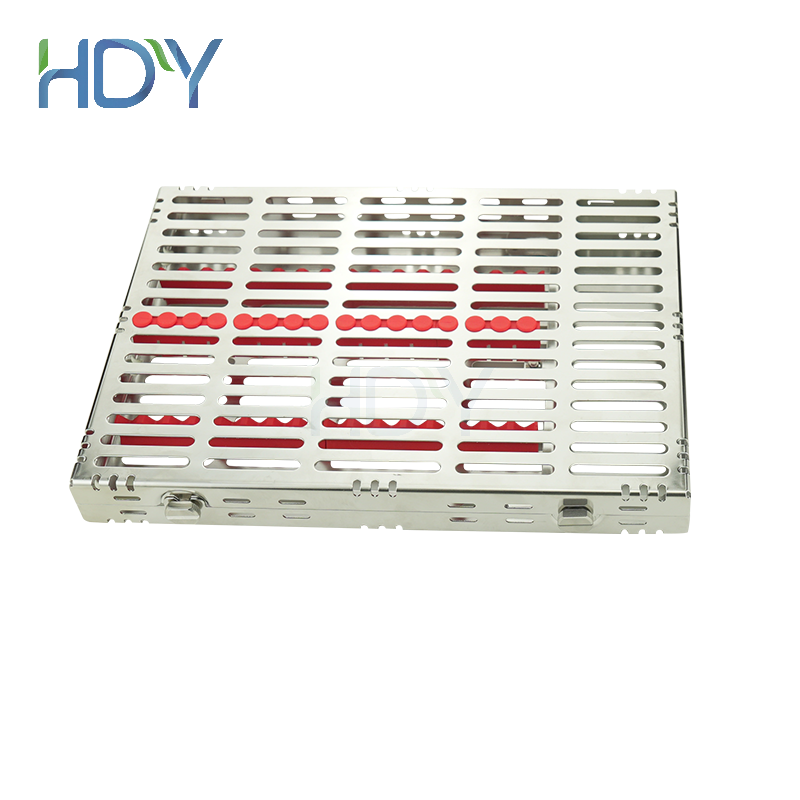
Instrument Sets & Cassettes
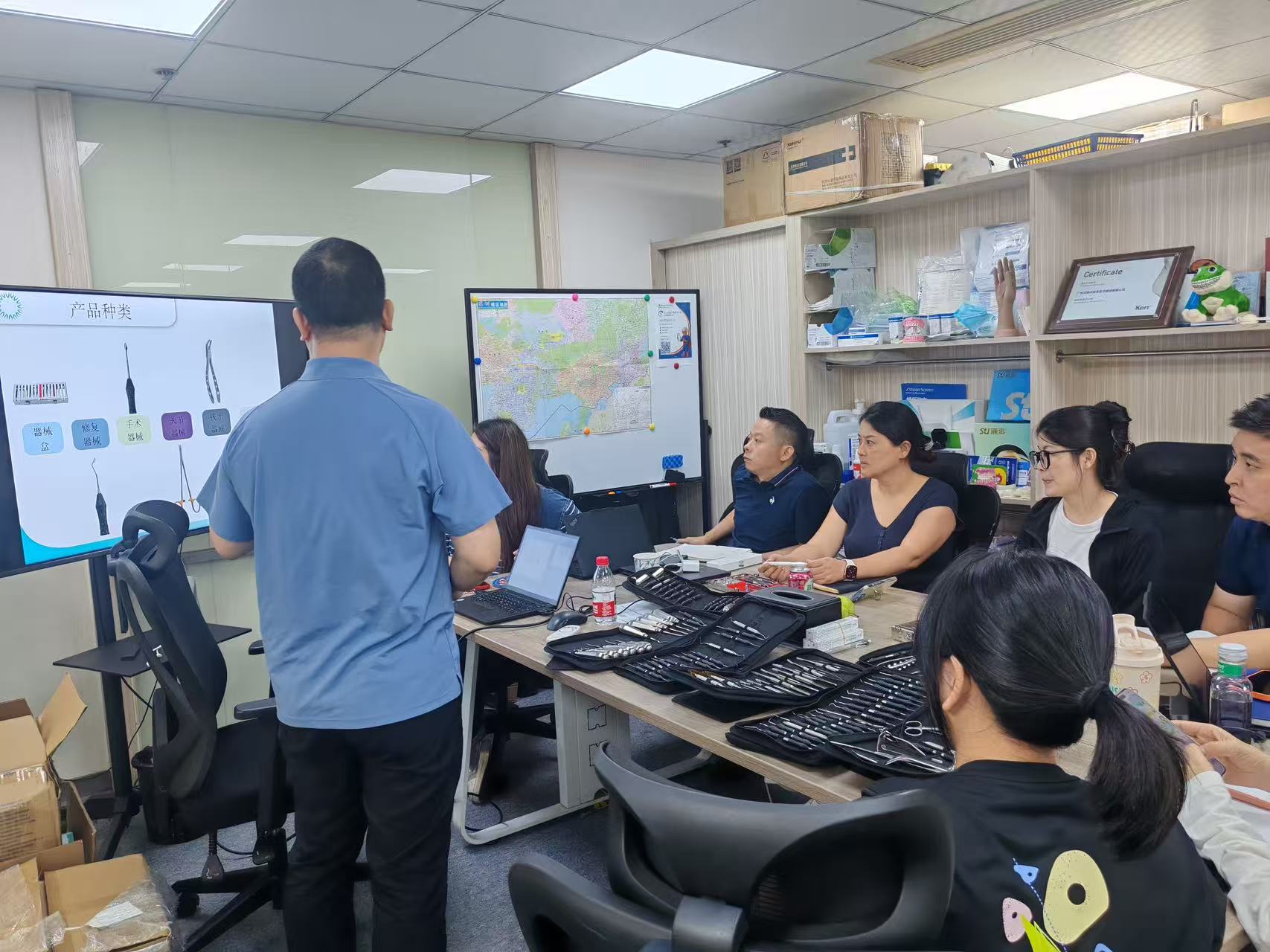
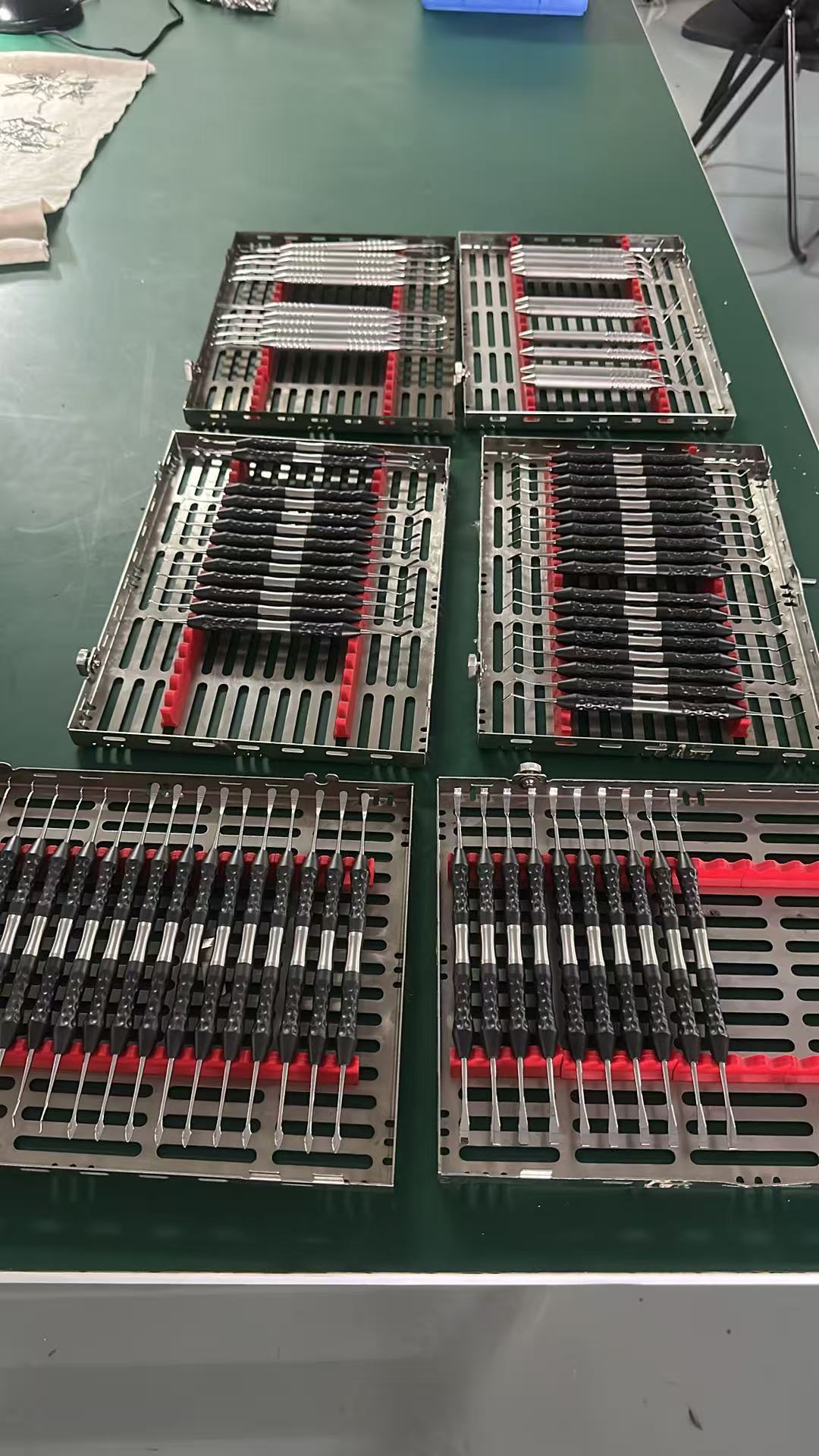
Combine approved instruments into procedure-focused sets. Discuss cassette capacity, retention layout, instrument identification, logo marking and packaging as one coordinated project.
The Process Must Match the Instrument Function
A material name alone does not define finished performance. A fine explorer, elevator, cutting instrument, needle holder and cassette can require different balances of hardness, toughness, elasticity, corrosion resistance, manufacturability and surface condition.
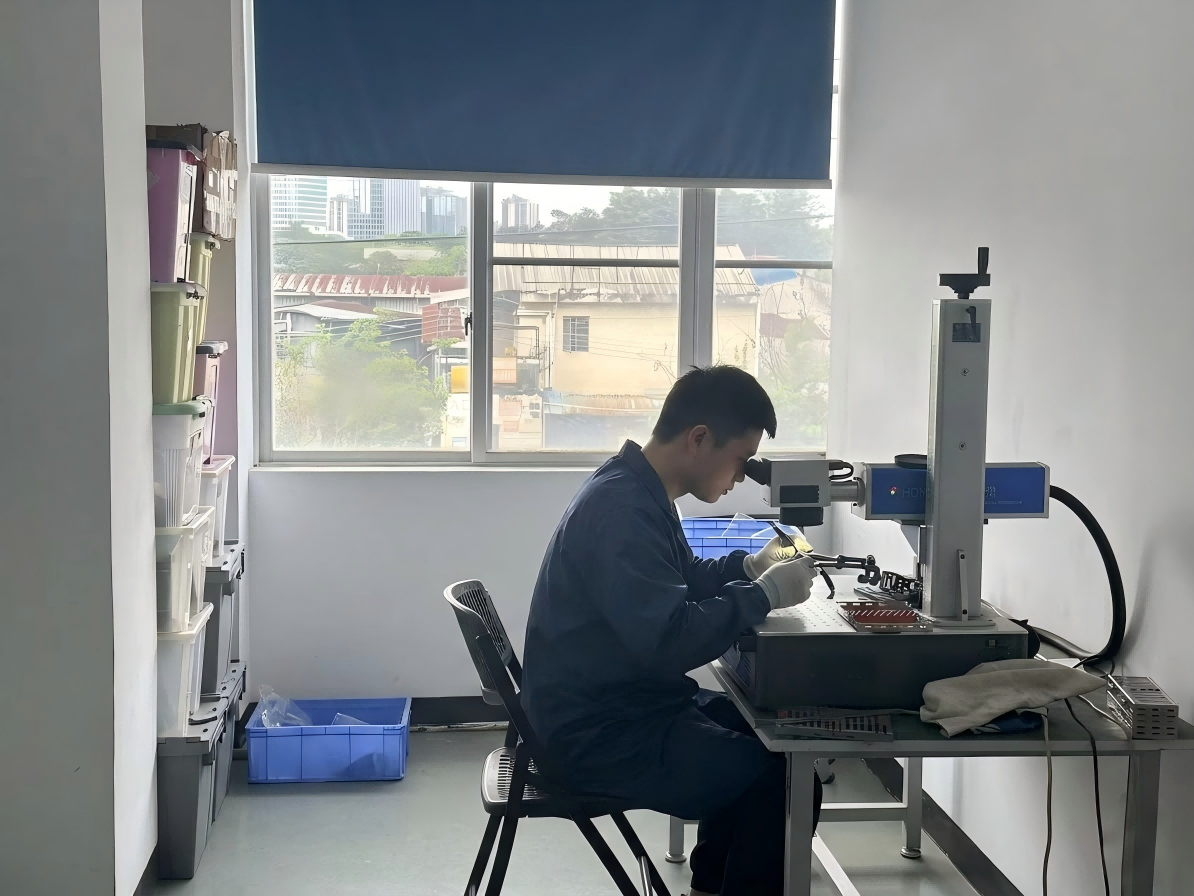
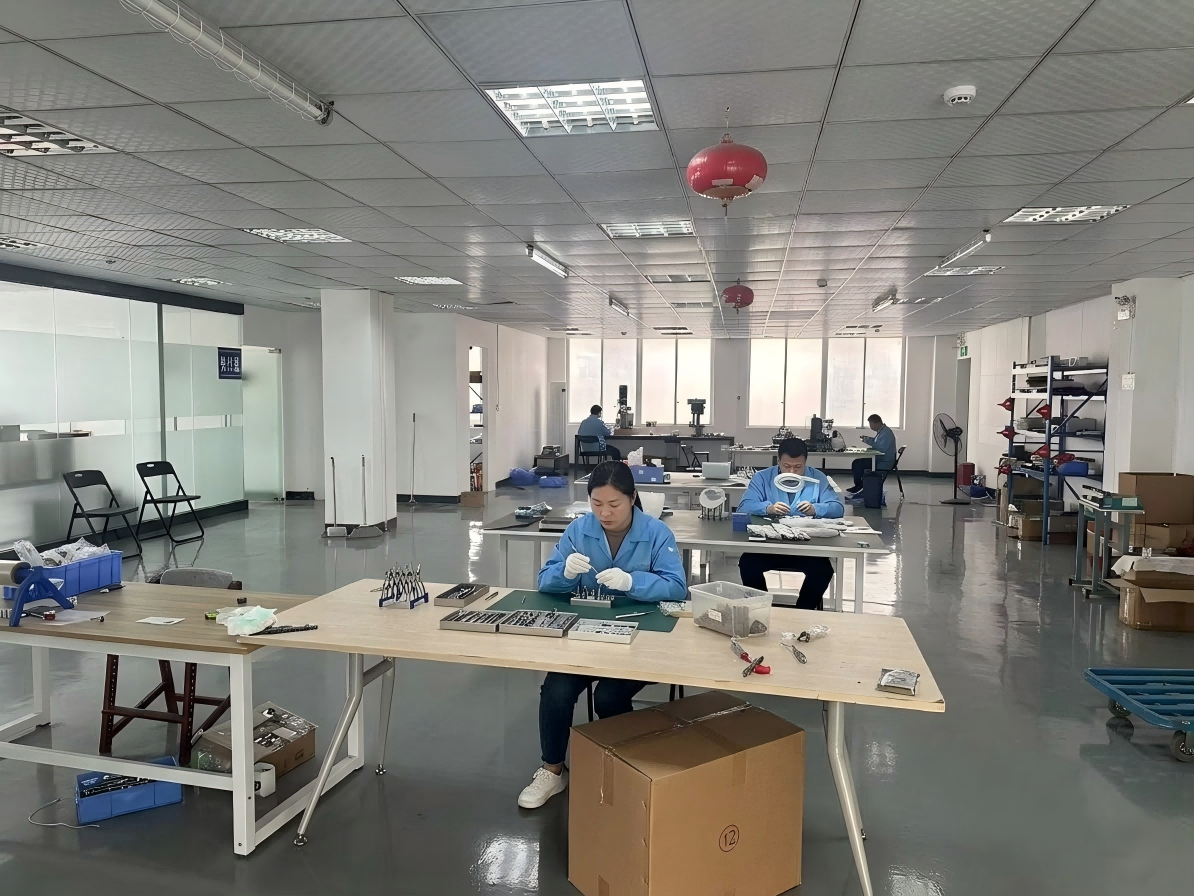
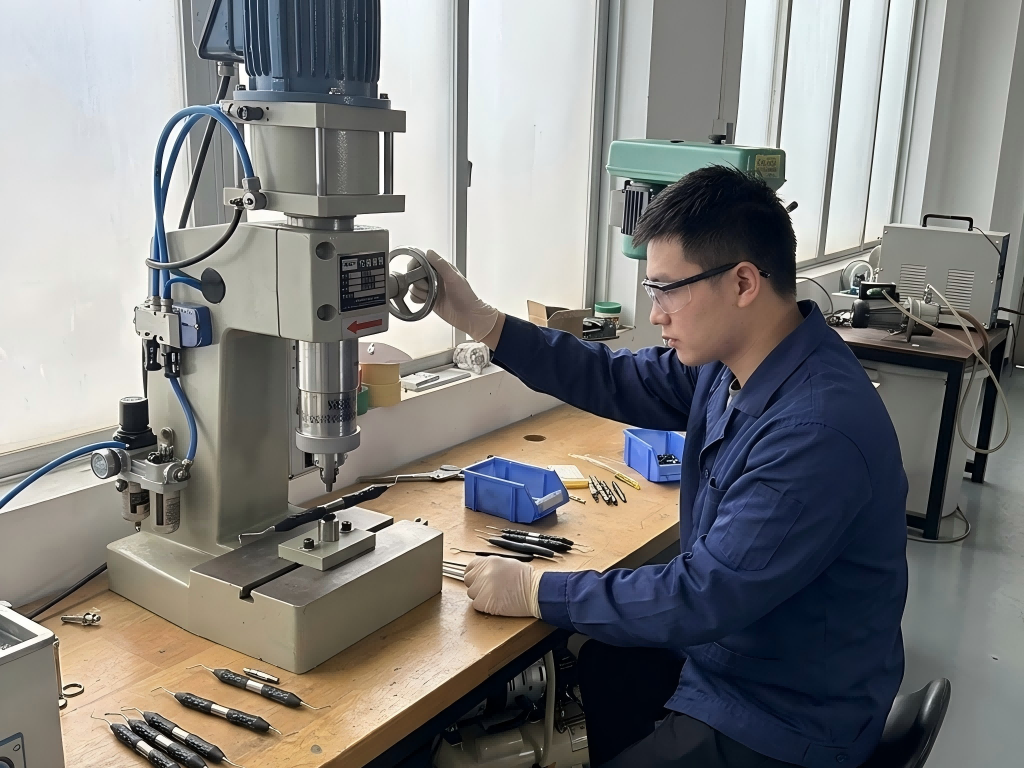
HDY’s published OEM capabilities include product design, CNC precision machining, heat treatment, mirror polishing, satin finishing, laser marking and surface passivation. The processes selected for a custom project should be documented against the approved instrument specification.
Review HDY Manufacturing CapabilitiesCreate an Objective Approval Standard
The approved sample should be supported by documented criteria. Visual appearance alone cannot confirm dimensions, mechanical behavior or clinical suitability.
| Review stage | What should be confirmed | Typical project output |
|---|---|---|
| Technical review | Intended use, critical dimensions, access, materials, handle and processing assumptions | Open-question list and preliminary specification |
| Prototype manufacturing | Manufacturability of the proposed working end, shaft, joint or handle structure | Prototype or development sample |
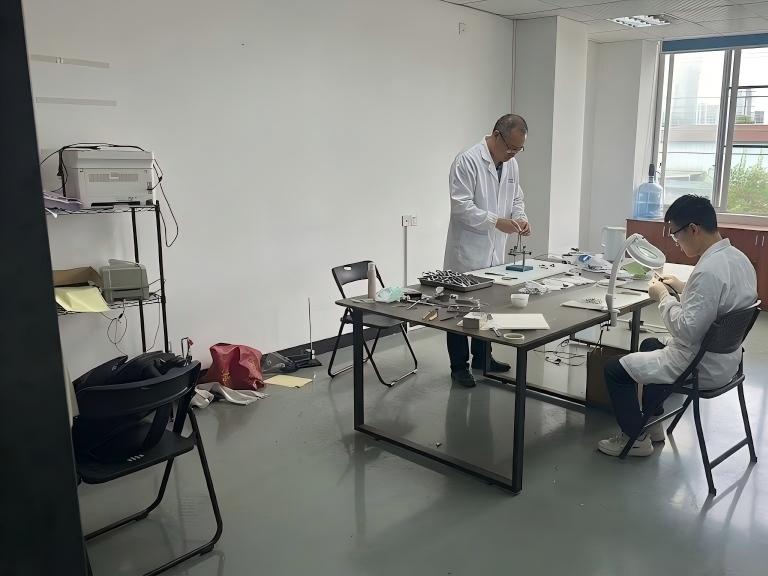
| Dimensional verification | Tip size, width, angle, length, symmetry and other controlled measurements | Inspection record against drawing |
| Surface inspection | Burrs, unwanted edges, scratches, polish or satin consistency and marking position | Visual and surface acceptance record |
| Customer evaluation | Functional handling assessed by qualified reviewers under the buyer’s protocol | Written approval or revision request |
Lock the Specification Before Scaling the Order
Production should begin from the agreed reference, not from informal descriptions scattered across emails.
Approved Sample
Retain the accepted physical or documented reference.
Production Spec
Freeze model, dimensions, materials, finish and marking.
Inspection Plan
Define critical visual, dimensional and functional checks.
Batch Production
Manufacture and monitor against approved requirements.
Packaging
Verify SKU, label, logo, quantity and export packing.
What Can Be Discussed in a Custom Project?
Information Buyers Should Submit
A complete request reduces avoidable clarification cycles and helps separate development requirements from branding-only customization.
| Required information | What to include | Why it matters |
|---|---|---|
| Reference material | Drawing, authorized physical sample, photographs or current model | Establishes the initial design basis |
| Clinical application | Procedure, target position, access, vision and handling problem | Explains why the proposed structure is needed |
| Critical specification | Dimensions, tolerances, angle, handle, finish and material preferences | Identifies measurable acceptance criteria |
| Commercial quantity | Prototype count, first order and estimated annual demand | Supports process and commercial evaluation |
| Target market | Destination country and buyer-specific documentation requirements | Frames applicable project requirements |
| Brand & packaging | Logo artwork, labeling, cassette and packaging expectations | Defines the finished private-label presentation |
| Project schedule | Target sample date, review window and requested production timing | Allows realistic planning after feasibility review |
Custom Dental Instrument Development Questions
Can HDY manufacture dental instruments from drawings?
HDY states that it supports OEM and ODM manufacturing based on customer drawings or samples. A technical and commercial feasibility review is required before sample or production confirmation.
Can a custom project start from a physical sample?
Yes, a legally owned or authorized sample can support structural and dimensional discussion. Buyers should also identify the intended modifications, application and critical acceptance requirements.
Is logo engraving considered instrument development?
Logo marking is normally branding customization. A true development project changes or creates functional structure, working-end geometry, dimensions, handle characteristics or a coordinated instrument system.
How should a prototype be approved?
Use written criteria covering critical dimensions, surface condition, function, ergonomics, markings and packaging. Qualified reviewers should assess clinical suitability under the buyer’s controlled evaluation process.
What determines MOQ and lead time?
Instrument type, development complexity, tooling, manufacturing processes, customization content, packaging and order quantity can all affect MOQ and timing. Request a project-specific assessment from HDY.
Request a Custom Instrument Evaluation
Send your drawing, authorized reference sample or clinical requirement together with critical dimensions, estimated quantity, destination market, branding needs and target schedule. HDY will review the project and identify the next development step.
 English
  简体中文
简体中文  Español
  Deutsch
  Français