

How to Choose a Professional Microsurgical Instrument Manufacturer
Endodontists should evaluate more than a catalog or a low unit price. Working-end precision, clinical workflow coverage, material stability, ergonomic control and reprocessing guidance all affect the value of a microsurgical instrument system.
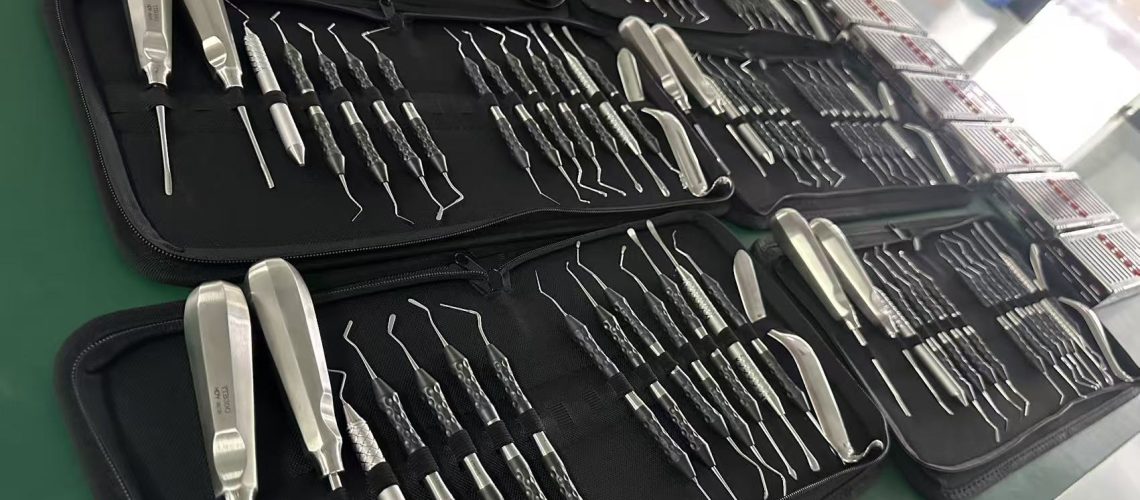
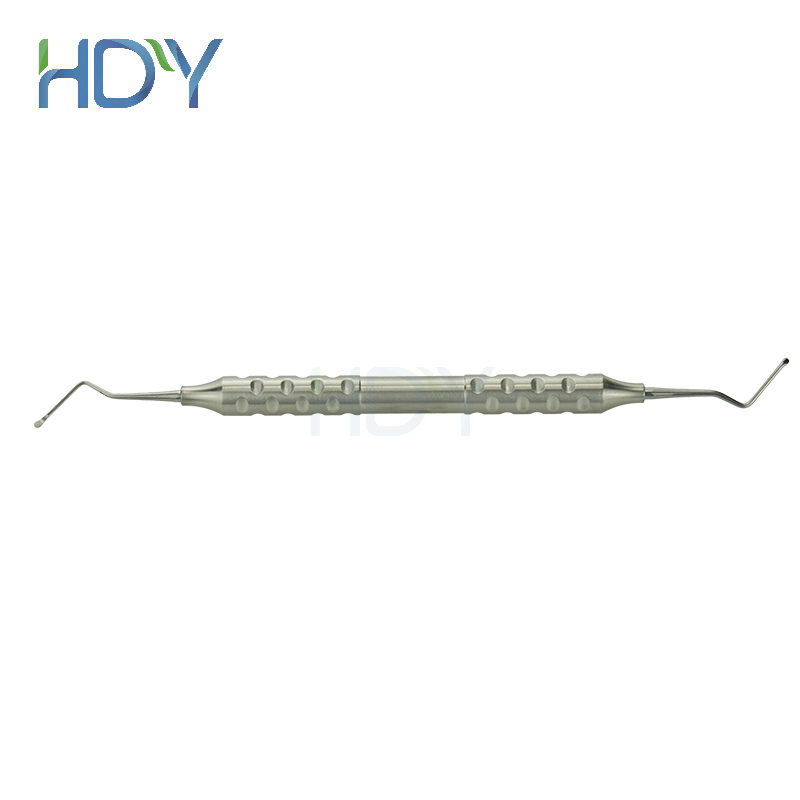
Contact HDY MedicalFor a clinical user, choosing a microsurgical instrument manufacturer for dentists is not the same as choosing an ordinary consumable supplier. A micro-explorer, micro-mirror or root-end condenser enters a restricted surgical field where a small change in tip size, curve, balance or surface quality can influence access and control.
This guide provides a practical framework for endodontists, dental clinics and hospitals to evaluate a manufacturer before purchasing endodontic microsurgical instruments. It also explains how HDY Medical addresses these requirements through its TZ7/TZ8 explorers, KX4 mirror and CTG04/05/06 micro-condensers.
1. Why Manufacturer Selection Matters to Clinical Users
Working-end precision affects clinical handling
Micro-instruments are selected because conventional working ends may be too large or poorly oriented for millimeter-scale procedures. A manufacturer should therefore control tip dimensions, curve direction, surface condition and working-end integrity.
Handle balance affects control
An instrument can have the correct tip but still feel unstable if the handle is poorly balanced or difficult to grip with gloves. Ergonomics influence how confidently the clinician introduces and withdraws an instrument under magnification.
Materials affect long-term value
Instruments are repeatedly exposed to blood, cleaning agents, moisture, steam sterilization and, in the case of condensers, root-end filling materials. Material selection and surface finishing affect corrosion resistance and service stability.
Product range affects workflow coverage
A single “universal” instrument rarely covers anterior and posterior access, fine and wider cavities, direct and reflected vision. A professional manufacturer should provide a coordinated model system.
2. Does the Manufacturer Understand Clinical Workflow?
A catalog may contain many instruments without showing how they work together. A clinically oriented manufacturer should organize products around the actual procedure.
Exploration
The range should include fine instruments for root-apex localization, surface inspection, crack assessment and retrograde cavity-margin evaluation.
Reflected inspection
The manufacturer should provide a micro-mirror compact enough to inspect root surfaces and restricted posterior anatomy without dominating the field.
Retrograde preparation
Even if the manufacturer does not supply the ultrasonic unit, it should explain how its explorers and mirror support inspection before and after preparation.
Root-end filling
Different cavity widths and tooth positions require a logical range of condenser sizes and working-end angles.
Cleaning and sterilization
The clinical workflow continues after surgery. The manufacturer should provide information about cleaning, sterilization compatibility and tip protection.
3. Evaluate the Product Range
A professional endodontic instrument manufacturer should cover the main manual instrument requirements of apical microsurgery.


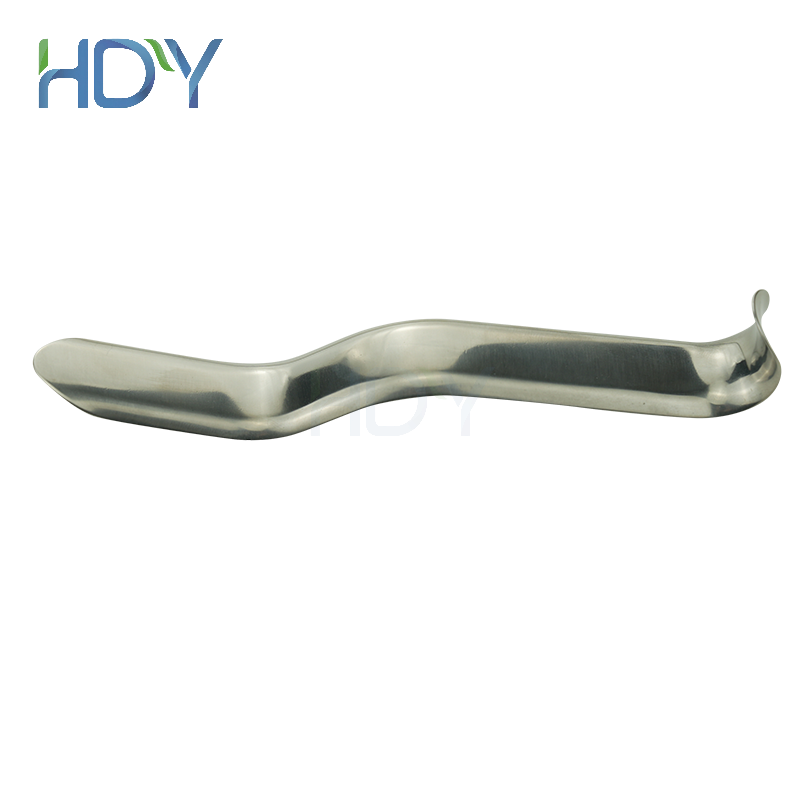
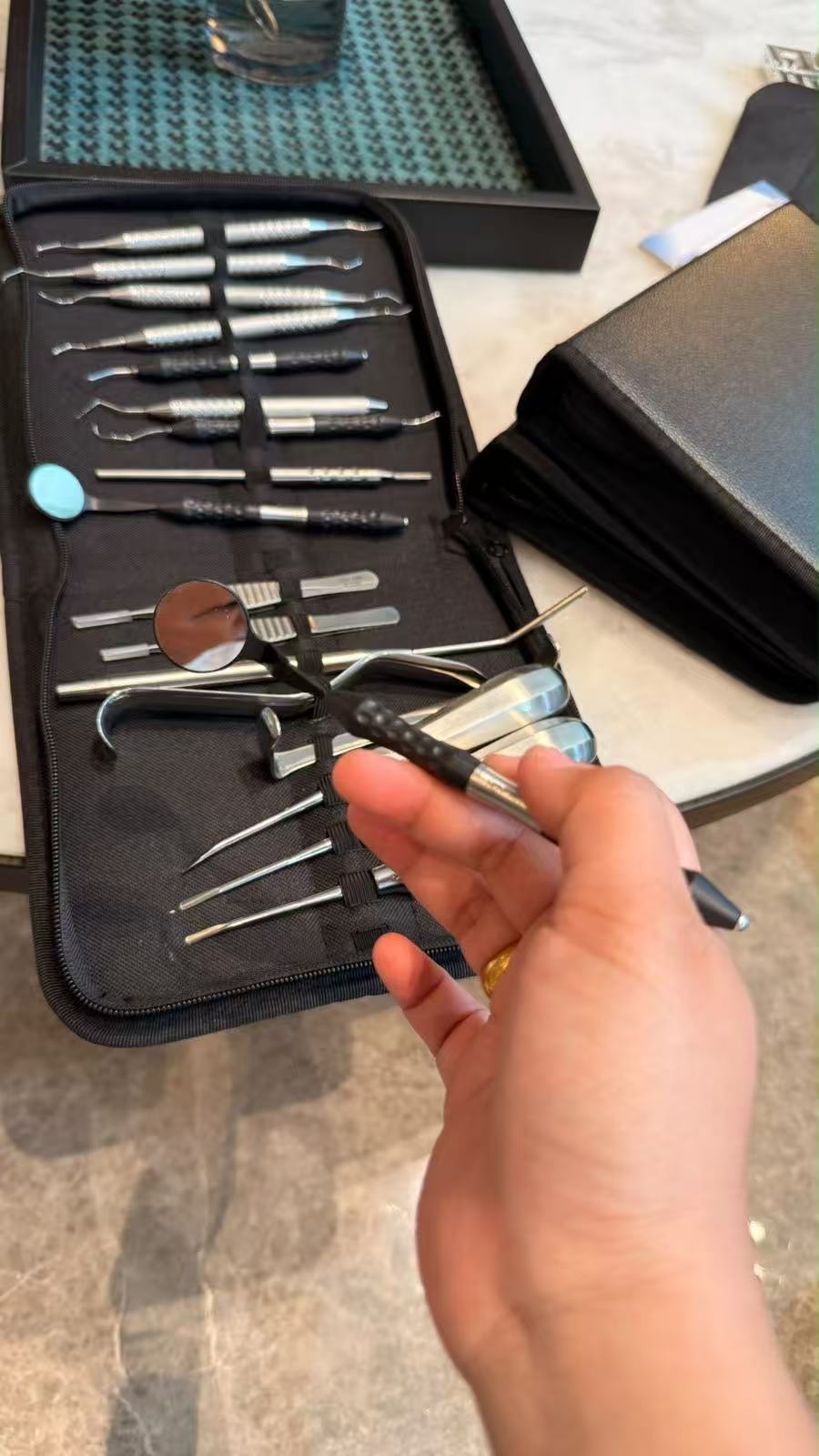
KX4 Micro-Mirror
A compact 9 × 4 mm mirror for root-end, lateral-wall and retrograde cavity inspection.

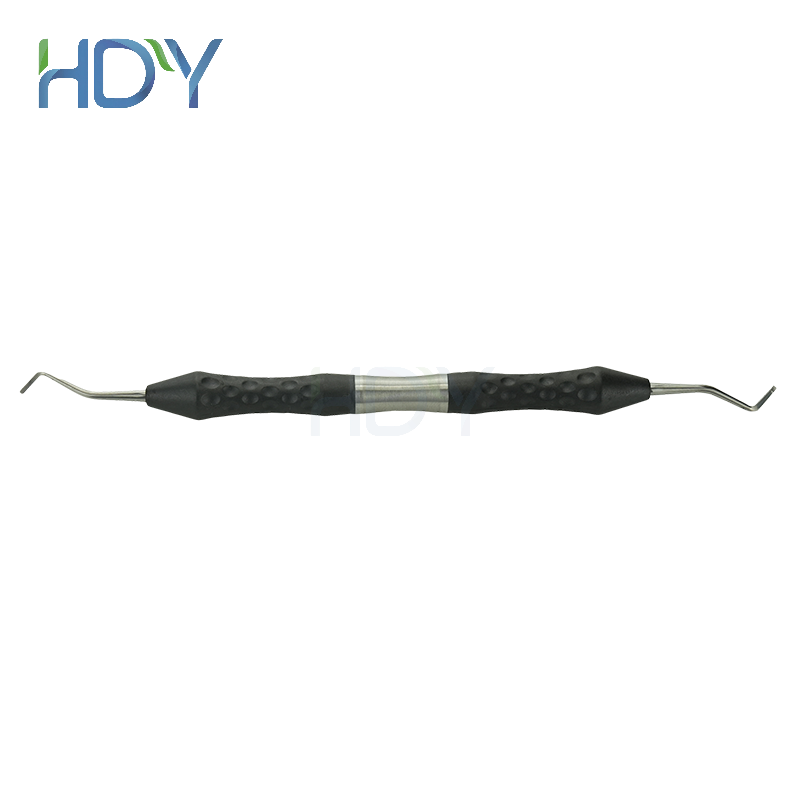
CTG04 / 05 / 06
0.5 and 0.9 mm, curved posterior and straight anterior condenser options.
Product-range questions for buyers
- Are anterior and posterior explorers available?
- Is there a dedicated micro-mouth mirror?
- Are condenser sizes matched to fine and wider preparations?
- Are straight and curved working ends available?
- Can instruments be supplied as a complete set?
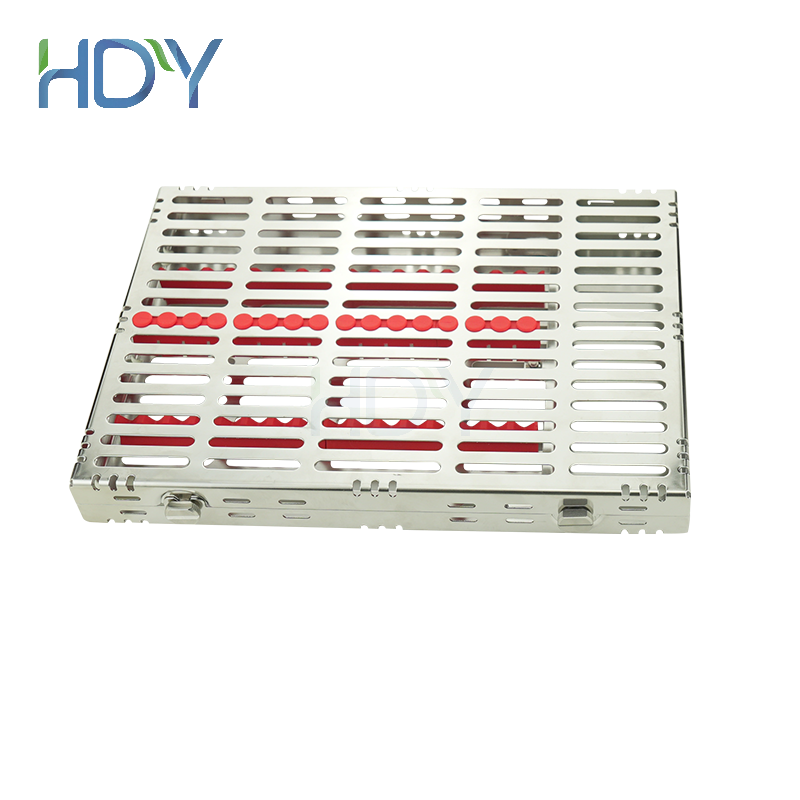
- Can a compatible cassette protect the working ends?
HDY’s complete microsurgical instrument category allows end users to review both polymer-handle and metal-handle options.
4. Check Working-End Precision
For micro-instruments, the working end is the most clinically sensitive area. Evaluation should cover more than whether the instrument “looks fine” in a product photo.
Dimensions and Geometry
- Declared tip size
- Curve direction
- Left/right consistency
- Anterior/posterior orientation
- Symmetry where applicable
Surface and Integrity
- Smooth surface finish
- No burrs or sharp unintended edges
- Clean transition between shaft and tip
- No visible distortion
- Stable attachment to the handle
Ask for measurable product specifications
A credible product page should state working-tip size, direction, material, intended application and sterilization information. For example, HDY identifies CTG04 as a 0.5 mm left/right micro-condenser and CTG05 as a 0.9 mm left/right model.
5. Check Material and Corrosion Resistance

Medical-Grade Stainless Steel
HDY specifies medical-grade stainless steel for its CTG micro-condensers, with corrosion-resistant construction and compatibility with repeated steam sterilization up to 134°C.
Material quality should be evaluated in relation to the clinical environment. Instruments may contact blood, moisture, cleaning agents and filling-material residues. Poor cleaning or unsuitable material can compromise the surface and precision working end.
Questions to ask the manufacturer
- What material grade is used?
- What surface finish is applied?
- Is the instrument reusable?
- What sterilization temperature is specified?
- How should material residue be removed?
- What inspection is recommended before reuse?
6. Evaluate Handle Ergonomics
Endodontic microsurgery may require prolonged concentration and small controlled movements. Handle ergonomics should support stability rather than add fatigue.
What to Assess
- Overall weight
- Front-to-back balance
- Grip texture
- Diameter and hand fit
- Rotation control
- Performance with wet gloves
Clinical Questions
- Does the handle obscure the microscopic view?
- Can the working end be rotated predictably?
- Is the instrument stable during light contact?
- Does the grip remain secure with gloves?
- Is fatigue noticeable during longer procedures?
Where possible, clinics should compare handle options or request samples before standardizing a department-wide set. HDY offers microsurgical models with different handle configurations, allowing buyers to select according to preferred tactile feel.
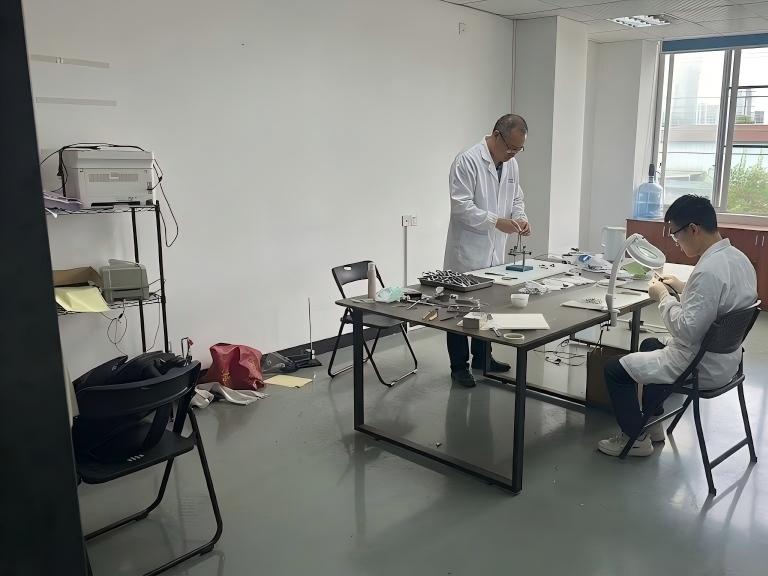
7. Ask About Quality Inspection
A professional manufacturer should inspect the instrument throughout production rather than rely only on a final visual check.
Raw-material inspection
The manufacturer should verify that incoming material matches the specified requirements before working ends are formed.
Working-end dimensional inspection
Tip size, curves, direction and geometry should be checked against the model specification.
Surface inspection
Inspectors should look for burrs, scratches, rough transitions and defects that could affect cleaning or clinical handling.
Functional and final inspection
The instrument should be checked for handle stability, working-end integrity, finish and model identification before release.
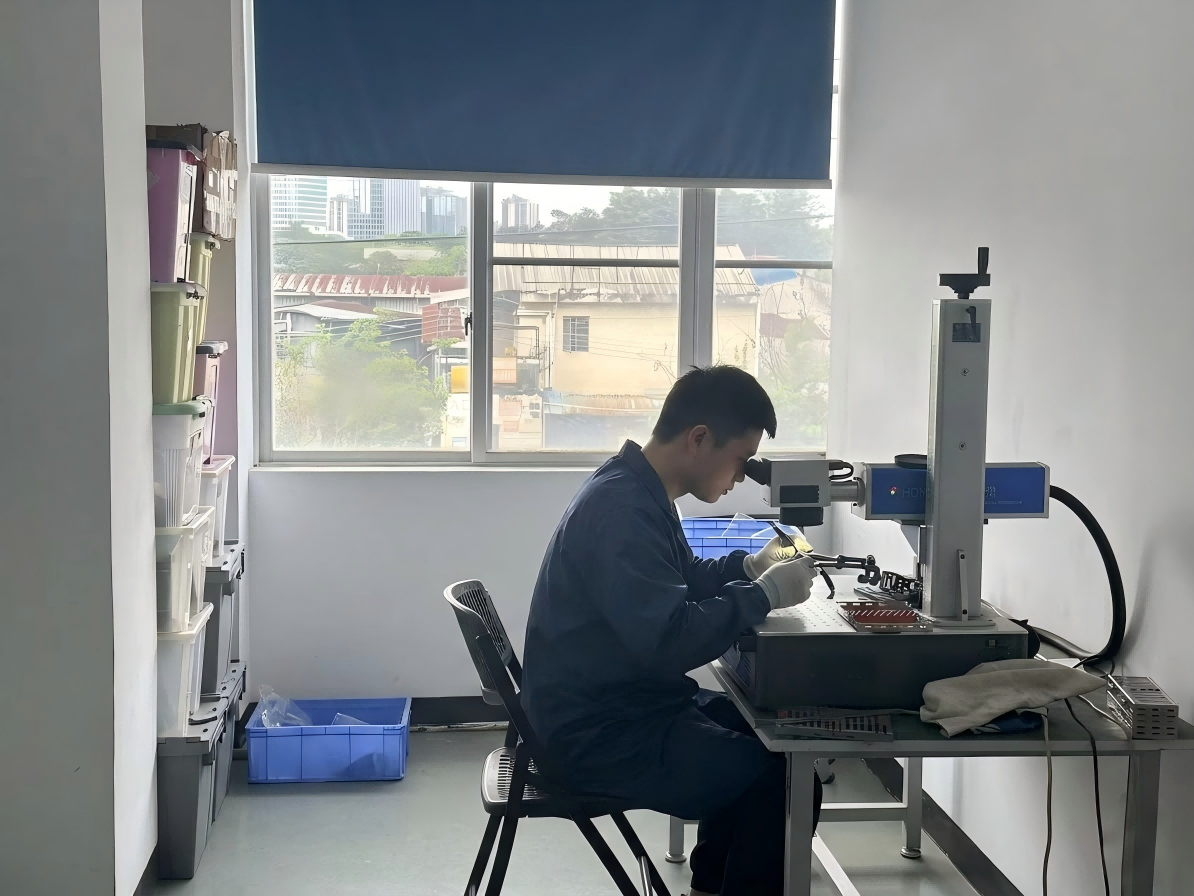
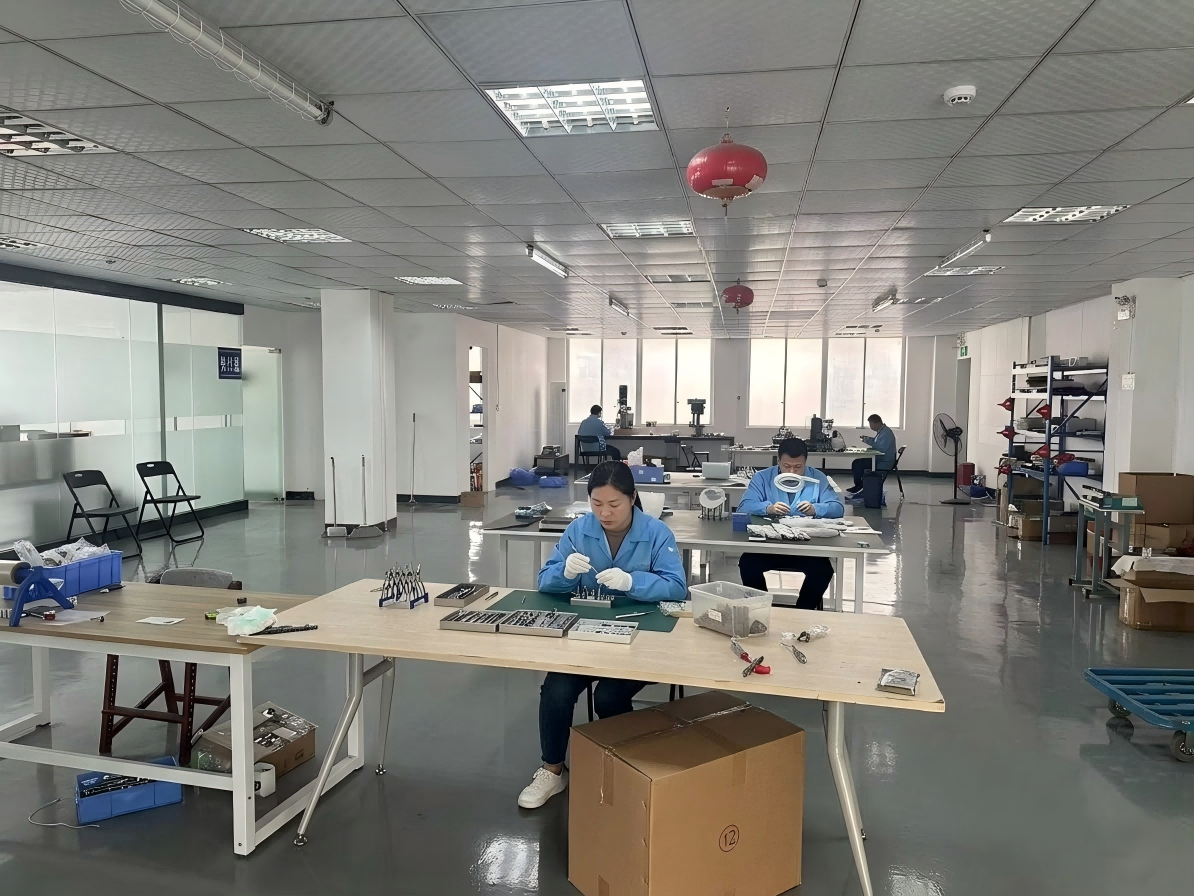
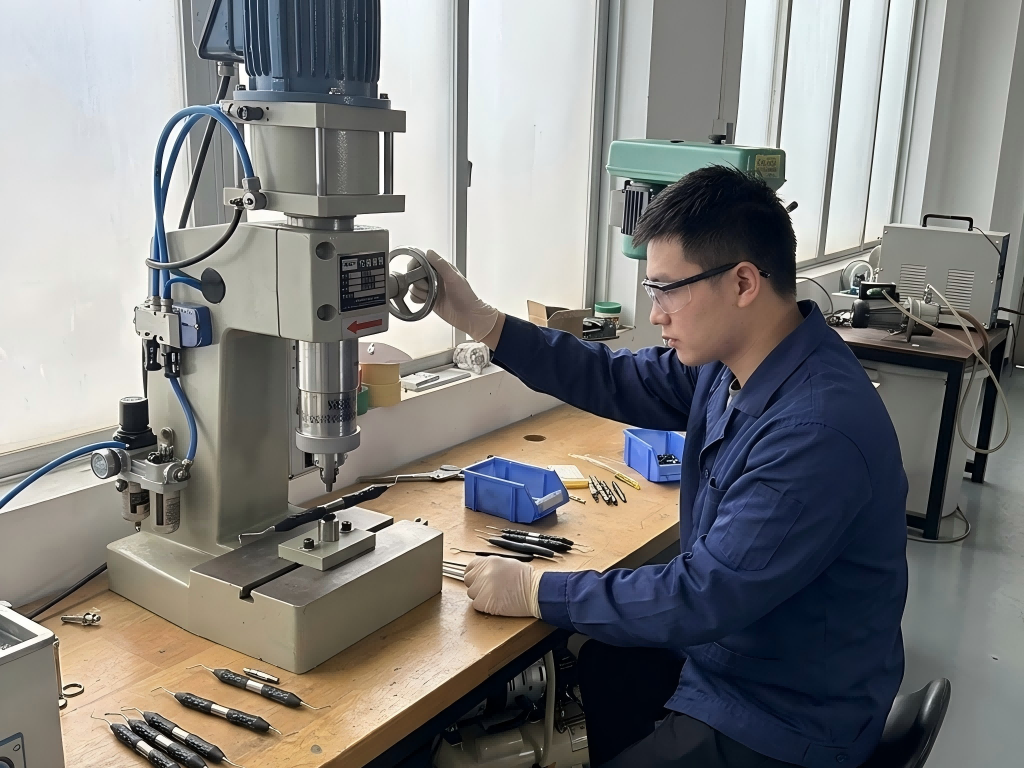
HDY describes its manufacturing strengths as including precision machining, heat treatment, fine surface finishing and strict quality inspection. Buyers can learn more through the HDY company website and its detailed product specifications.
8. Confirm Sterilization Instructions
A reusable instrument is only clinically useful when the manufacturer clearly communicates how it should be cleaned, protected and sterilized.
Cleaning instructions
Fine tips should be cleaned promptly. Blood, bioceramic or MTA-type material should not be allowed to dry and harden on working ends.
Sterilization compatibility
Ask for the stated sterilization method and temperature. HDY’s CTG models are listed as fully autoclavable up to 134°C.
Tip protection
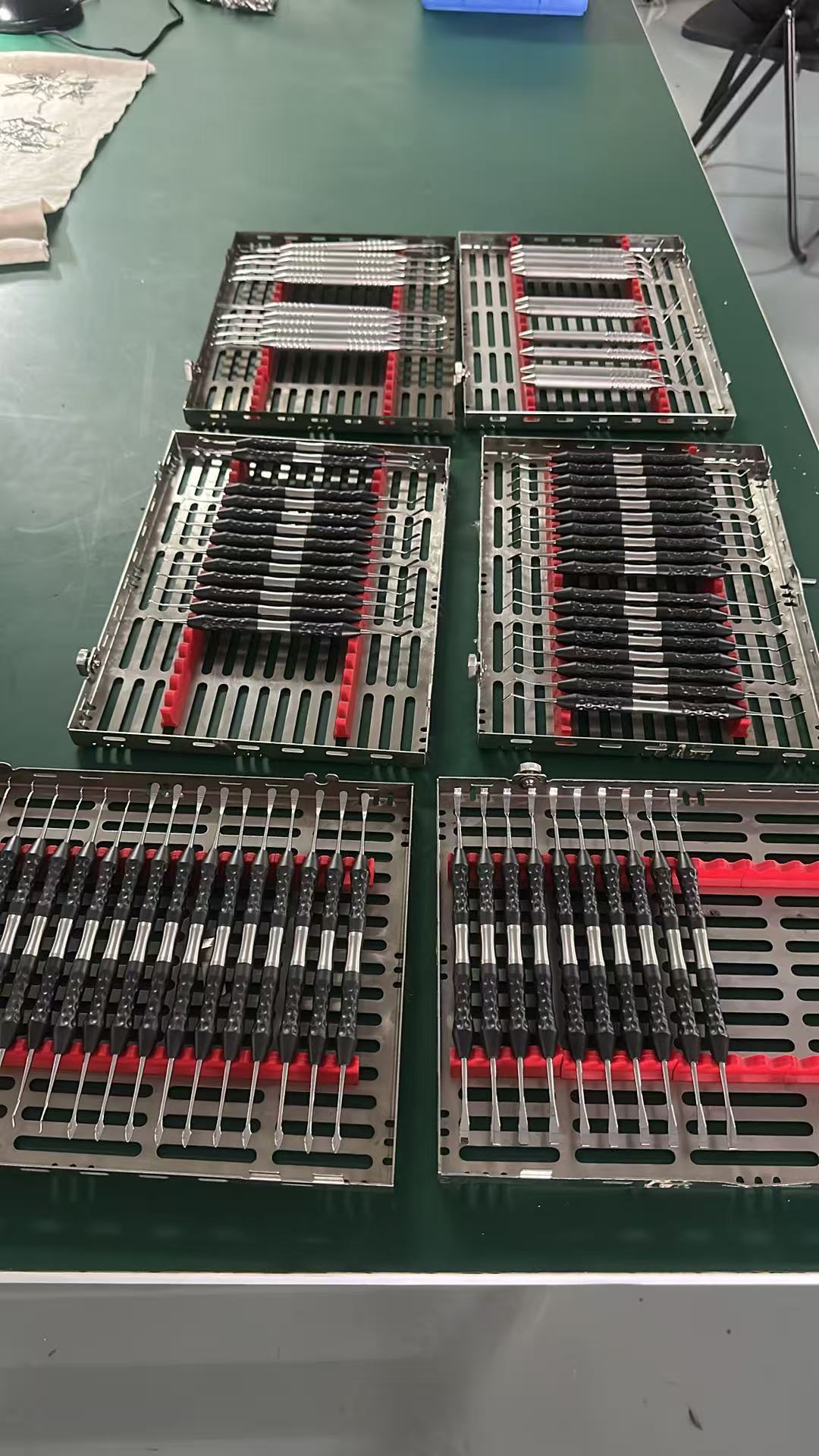
Micro-explorers and condensers should not collide with heavy instruments during transport or reprocessing. A cassette should hold them in a fixed position.
Pre-use inspection
The clinic should inspect every fine working end under magnification for bending, wear, residue or surface damage before use.
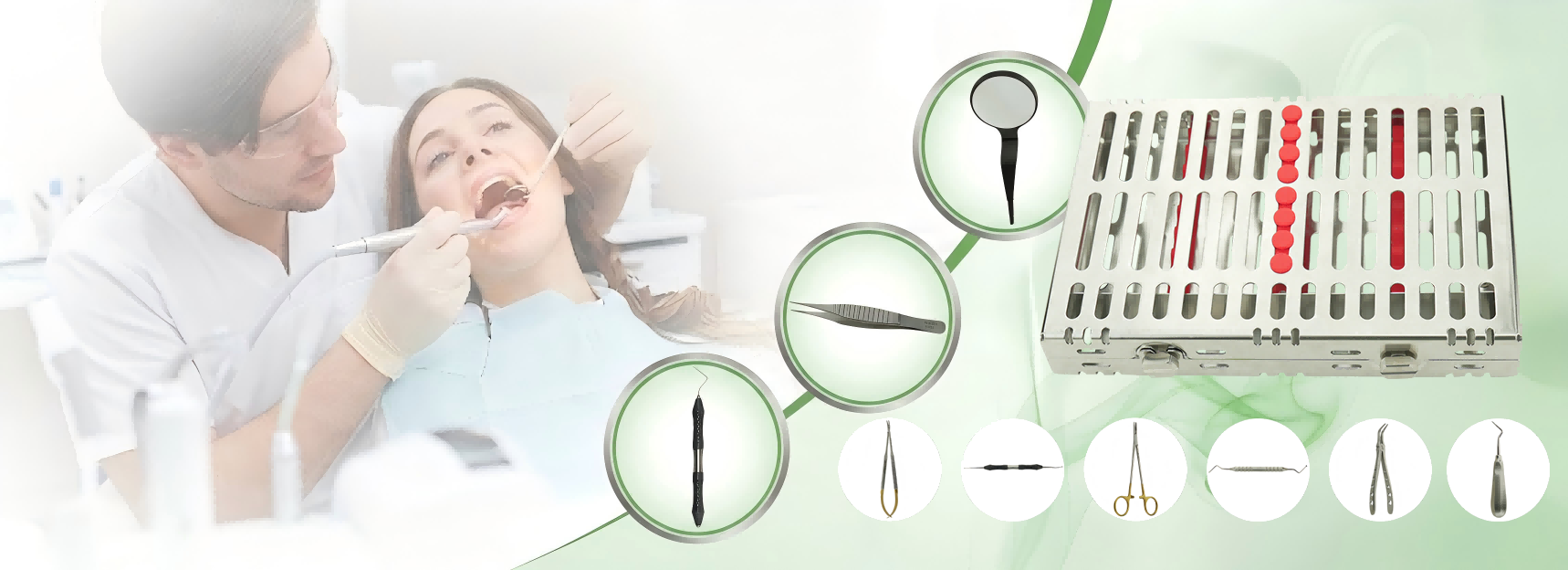
Review the HDY dental cassette range when configuring standardized clinical sets.
9. Can the Manufacturer Provide Clinical Selection Support?
A manufacturer should help the buyer select instruments according to clinical need rather than simply recommend the largest possible order.
Selection by Tooth Position
TZ7 for anterior access, TZ8 for posterior access, CTG06 for straight anterior filling, and CTG04/05 for curved posterior filling.
Selection by Procedure
Exploration, reflected inspection and root-end filling require different instrument functions.
Standardized Hospital Sets
Hospitals may need multiple identical cassette configurations based on daily surgical volume and sterilization turnaround.
Product Documentation
Model names, working-end dimensions, materials, intended applications and care information should be readily available.
Information to send with an inquiry
- Main procedures performed
- Anterior, posterior or comprehensive case mix
- Preferred handle style
- Number of clinicians and daily procedures
- Required individual instruments or complete sets
- Cassette and replacement-inventory requirements
10. Why HDY Meets These Requirements
HDY Medical Technology (Guangzhou) Co., Ltd. is a professional manufacturer of dental and oral surgical instruments. Its endodontic microsurgical system is divided by clinical access, observation and filling requirements.
| Evaluation Area | HDY Product Response |
|---|---|
| Anterior exploration | TZ7 Anterior Micro-Explorer |
| Posterior exploration | TZ8 Posterior Micro-Explorer |
| Reflected inspection | KX4 9 × 4 mm Micro-Mirror |
| Fine posterior filling | CTG04 0.5 mm Left/Right |
| Wider posterior filling | CTG05 0.9 mm Left/Right |
| Anterior filling | CTG06 0.5/0.9 mm Straight |
| Instrument organization | HDY Dental Cassettes |
This product matrix lets end users purchase one instrument, an anterior or posterior configuration, or a complete six-instrument apicoectomy set.
11. How End Users Can Purchase from HDY
Step 1: Submit the required models
List TZ7, TZ8, KX4 and any CTG models needed, or request a complete set recommendation.
Step 2: Explain the clinical application
Tell HDY whether the instruments will be used for anterior, posterior or comprehensive endodontic microsurgery.
Step 3: Confirm quantity and configuration
Specify whether the request is for one clinician, a dental clinic, a specialist center or multiple hospital sets.
Step 4: Request product details and pricing
Confirm working-end sizes, handle preferences, cassette requirements and replacement quantities.
Step 5: Arrange product supply
After confirming the quotation and order details, coordinate supply directly with the HDY team.
End-User Manufacturer Evaluation Checklist
| Evaluation Item | What the Buyer Should Confirm |
|---|---|
| Product completeness | Does the range cover exploration, observation and root-end filling? |
| Working-end precision | Are tip size, direction, surface and geometry clearly controlled? |
| Material | Is medical-grade stainless steel specified where applicable? |
| Sterilization | Are cleaning and repeated high-temperature sterilization instructions available? |
| Ergonomics | Does the handle support long microscopic procedures and gloved control? |
| Clinical support | Can the manufacturer recommend models and complete sets? |
| Supply capability | Can individual instruments, complete sets and replacements be supplied consistently? |
Contact HDY, a Professional Manufacturer of Endodontic Microsurgical Instruments
Send your target procedures, preferred models and required quantities. HDY can help configure individual instruments or complete anterior, posterior and comprehensive microsurgical sets.
Contact HDY MedicalFrequently Asked Questions
Should a clinic buy microsurgical instruments from a manufacturer or a general supplier?
A manufacturer with a procedure-specific product system can provide clearer specifications, model matching and complete-set support. Clinics should still evaluate quality documentation and service before ordering.
What specifications should be available for a micro-condenser?
At minimum, buyers should confirm working-end size, direction, material, intended application, finish and sterilization compatibility.
Why are separate anterior and posterior explorers necessary?
Anterior and posterior teeth create different access paths. Purpose-oriented working-end geometry can improve positioning and reduce the need for unstable instrument angles.
Can HDY provide a complete microscopic apicoectomy set?
Yes. Buyers can request TZ7, TZ8, KX4, CTG04, CTG05 and CTG06 as a coordinated set and add a suitable instrument cassette.
Can hospitals order multiple standardized configurations?
Yes. Hospitals can specify the number of clinicians, daily procedure volume and sterilization turnaround to determine the required number of sets.


 English
  简体中文
简体中文  Español
  Deutsch
  Français