
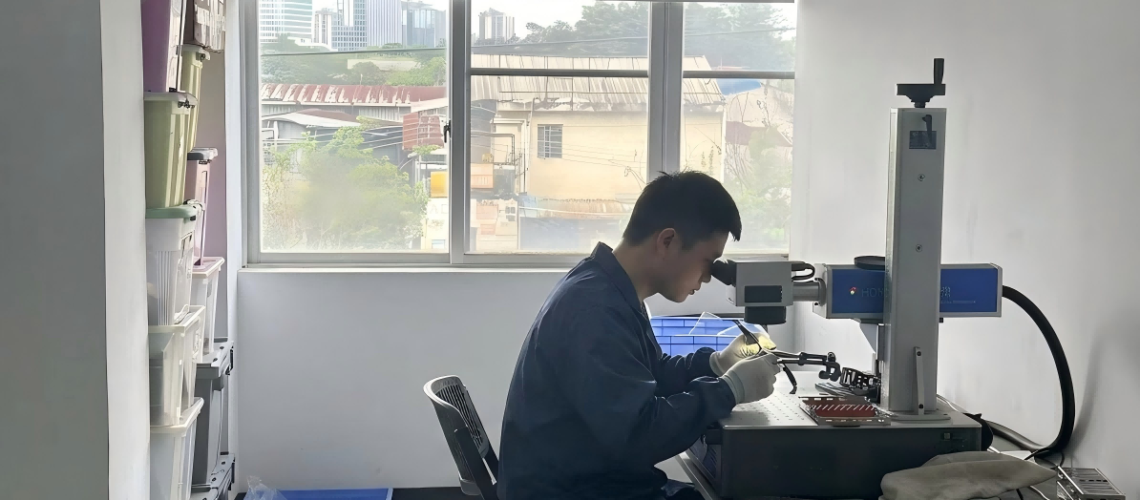
Dental instruments are precision tools designed to provide accuracy, efficiency, and safety during clinical procedures. Over time, repeated use, cleaning, and sterilization can gradually reduce the sharpness and performance of certain instruments, especially periodontal instruments, dental scalers, curettes, excavators, and other cutting instruments.
Proper sharpening is an essential part of professional dental instrument maintenance. Correct sharpening techniques help restore instrument effectiveness, extend service life, and ensure optimal clinical performance.
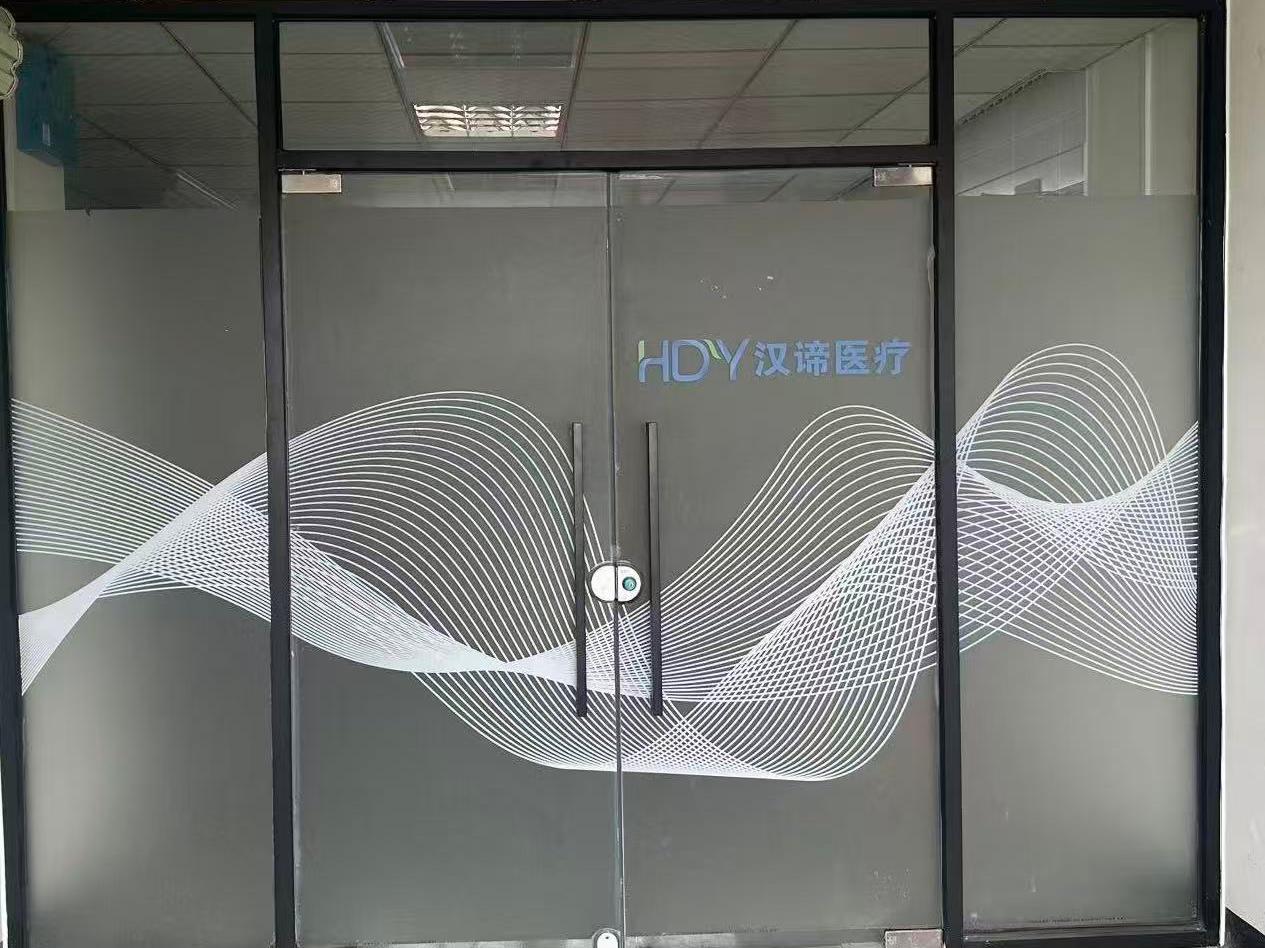
As a professional dental instruments manufacturer, HDY Medical Technology (Guangzhou) Co., Ltd. understands the importance of instrument precision and maintenance. This guide explains the professional principles, methods, and best practices for sharpening dental instruments.
Why Dental Instrument Sharpening Is Important
Sharp dental instruments are essential for accurate and efficient procedures. A dull instrument can negatively affect both clinical performance and operator experience.
Regular sharpening helps maintain:
- Precise cutting ability
- Effective calculus removal
- Reduced operator fatigue
- Improved tactile sensitivity
- Better treatment efficiency
- Longer instrument lifespan
For periodontal and surgical procedures, instrument sharpness directly affects the clinician’s ability to perform controlled and minimally invasive treatments.
Which Dental Instruments Need Sharpening?
Not all dental instruments require sharpening. Instruments with cutting edges require regular evaluation and maintenance.
Common sharpened dental instruments include:
1. Periodontal Instruments
Examples:
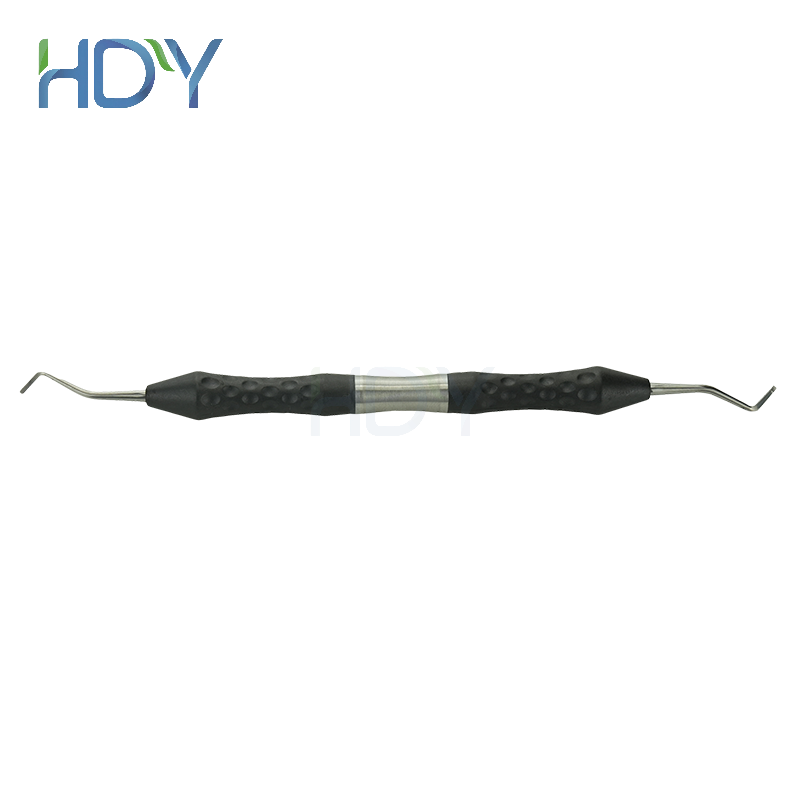
- Dental scalers
- Periodontal curettes
- Gracey curettes
- Universal curettes
These instruments rely on sharp working edges for effective calculus removal and root surface treatment.
2. Restorative Instruments
Examples:
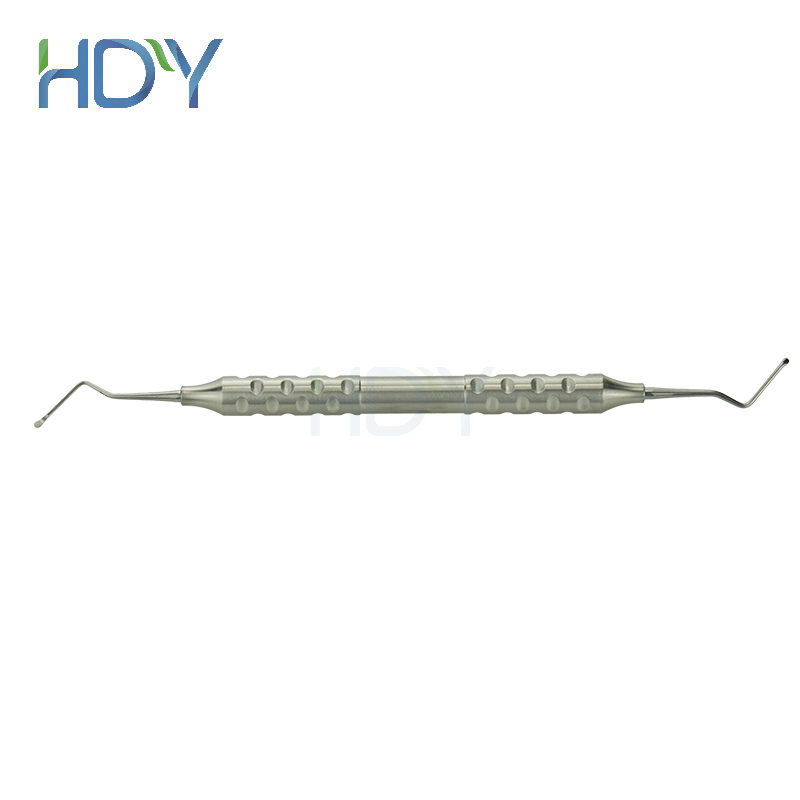
- Excavators
- Carvers
- Hand cutting instruments
Maintaining sharp edges helps improve precision during restorative procedures.
3. Surgical Cutting Instruments
Some surgical instruments require specialized maintenance to preserve their cutting performance.
How to Identify a Dull Dental Instrument
Before sharpening, dental professionals should evaluate whether an instrument actually requires sharpening.
Common signs of a dull instrument include:
Reduced Cutting Efficiency
A sharp instrument should engage calculus or tissue effectively without excessive pressure.
Increased Force Required
If more pressure is needed during use, the cutting edge may have become dull.
Reduced Tactile Sensitivity
A dull instrument often provides less feedback during clinical procedures.
Visible Edge Changes
Under magnification, a dull edge may appear:
- Rounded
- Flattened
- Irregular
Regular inspection helps determine the correct maintenance timing.
Professional Dental Instrument Sharpening Methods
There are several commonly used sharpening methods in dentistry.
Method 1: Manual Sharpening with a Sharpening Stone
Manual sharpening is one of the most traditional and widely used methods.
Common sharpening stones include:
- Arkansas stones
- India stones
- Ceramic stones
Basic Sharpening Procedure:
Step 1: Clean the Instrument
Before sharpening:
- Remove debris
- Clean the instrument thoroughly
- Dry completely
A clean instrument allows better control during sharpening.
Step 2: Identify the Original Cutting Angle
Maintaining the original angle is critical.
Each instrument is designed with a specific cutting geometry. Changing this angle may:
- Reduce effectiveness
- Damage the working end
- Shorten instrument lifespan
The goal is not to create a new edge but to restore the original design.
Step 3: Stabilize the Instrument
Hold the instrument securely and maintain consistent contact between the sharpening stone and cutting edge.
Avoid excessive pressure because it may:
- Remove too much metal
- Change instrument shape
- Reduce durability
Step 4: Sharpen Along the Correct Direction
Move the stone or instrument using controlled strokes while maintaining:
- Correct angle
- Consistent pressure
- Smooth movement
The sharpening process should restore the edge gradually.
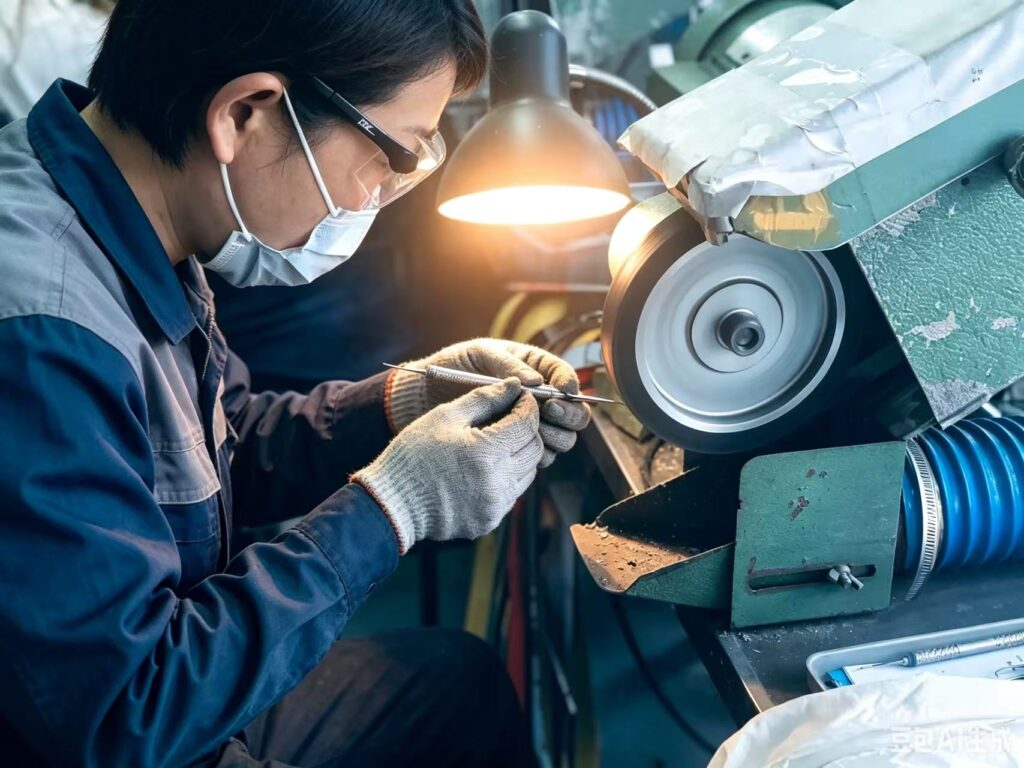
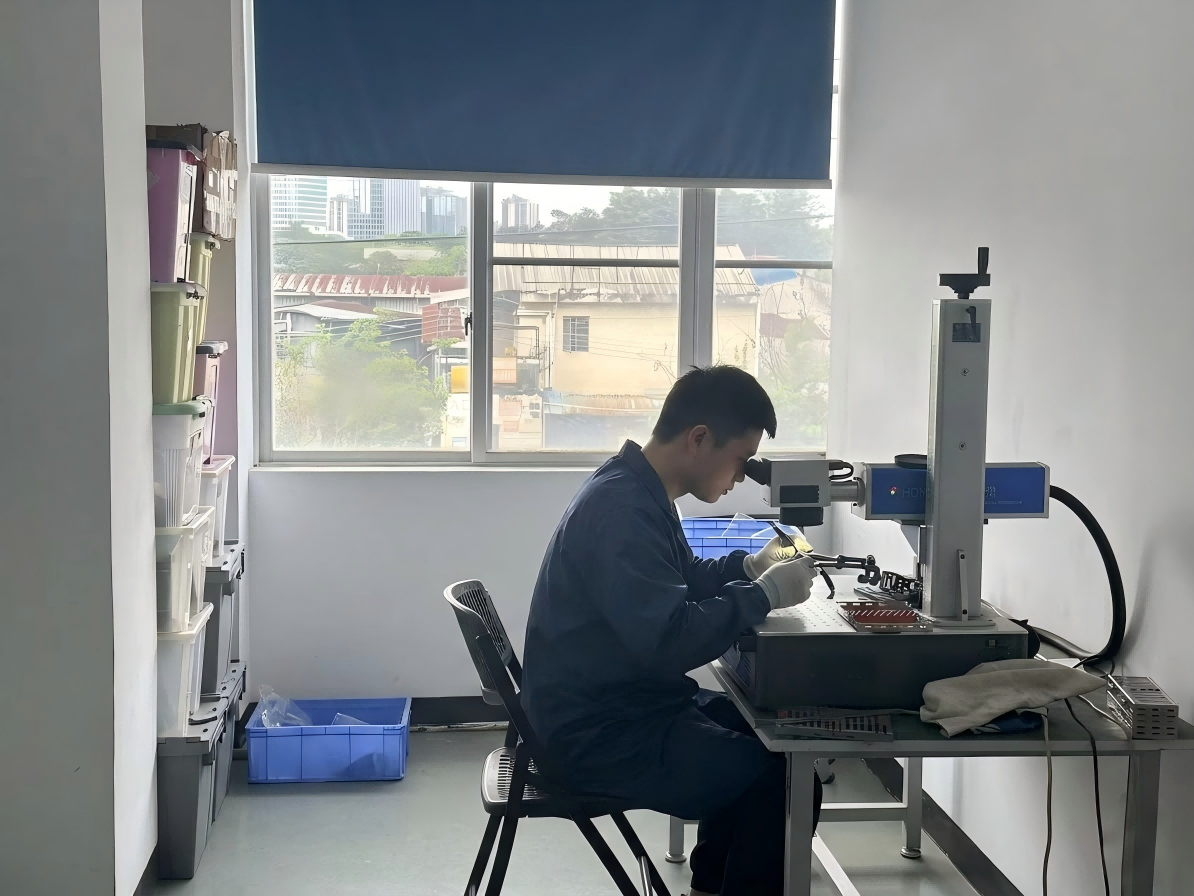
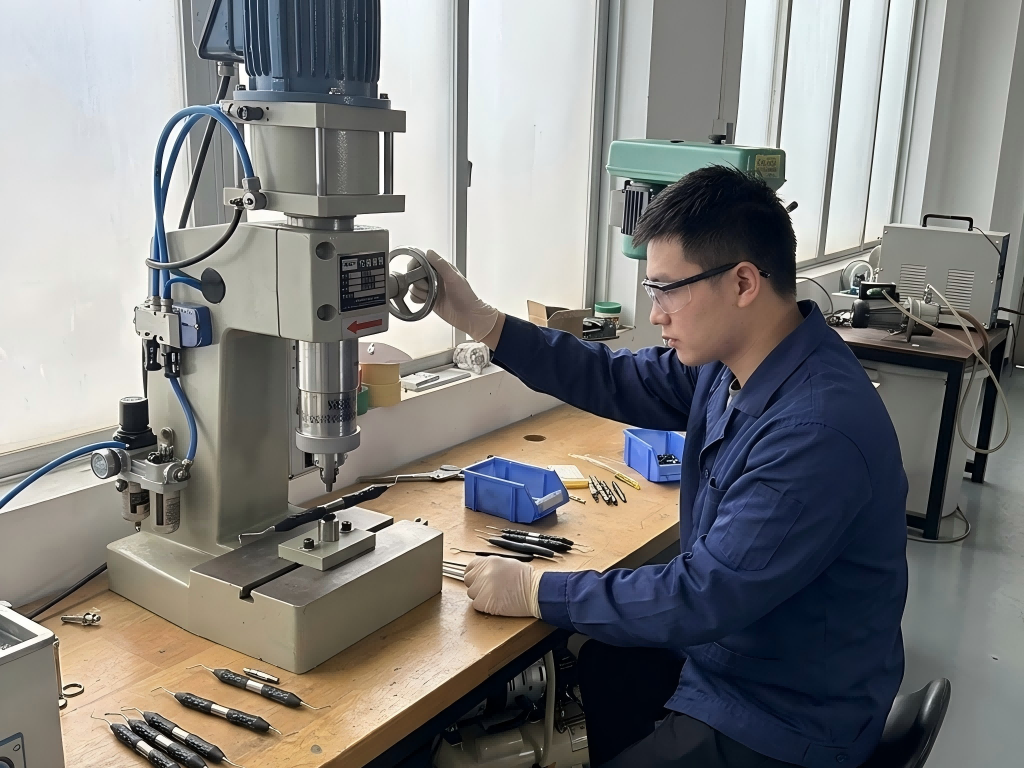
Method 2: Using Rotary Sharpening Devices
Some dental professionals use mechanical sharpening systems.
Advantages include:
- Faster sharpening
- Consistent results
- Reduced manual effort
However, improper use may cause:
- Overheating
- Excessive metal removal
- Changes in instrument geometry
Rotary sharpening should only be performed by trained personnel following equipment guidelines.
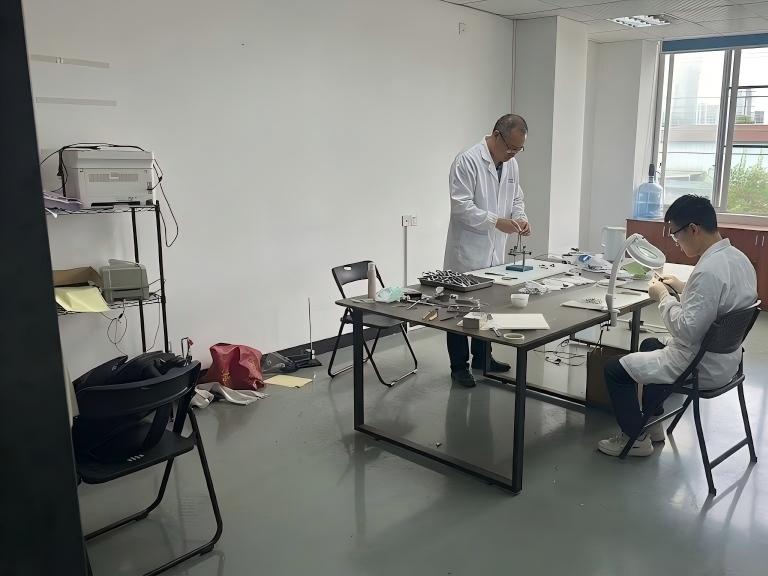
Method 3: Professional Instrument Maintenance Services
For high-value or specialized dental instruments, professional maintenance services may be preferred.
Benefits include:
- Expert evaluation
- Precision sharpening
- Preservation of original design
- Reduced risk of damage
Many dental clinics choose professional maintenance solutions to protect their instrument investment.
Common Sharpening Mistakes to Avoid
Incorrect sharpening can permanently damage dental instruments.
1. Changing the Instrument Shape
Removing excessive metal may alter the original design and reduce clinical performance.
2. Sharpening at the Wrong Angle
Incorrect angles create inefficient cutting edges.
3. Applying Excessive Pressure
Heavy pressure may shorten instrument lifespan.
4. Using Poor-Quality Sharpening Tools
Low-quality stones or improper equipment may damage precision surfaces.
5. Sharpening Too Frequently
Unnecessary sharpening removes metal and reduces instrument durability.
Sharpen only when performance evaluation indicates the need.
How to Maintain Dental Instruments After Sharpening
After sharpening, proper maintenance is necessary to preserve performance.
Recommended steps:
Clean Thoroughly
Remove all metal particles created during sharpening.
Inspect the Cutting Edge
Check:
- Edge smoothness
- Instrument shape
- Working condition
Sterilize Properly
Follow professional sterilization procedures before clinical use.
Store Correctly
Protect instruments from moisture, contamination, and mechanical damage.
The Relationship Between Manufacturing Quality and Sharpening Performance
The ability of a dental instrument to maintain sharpness depends greatly on manufacturing quality.
Professional dental instruments require:
- High-grade stainless steel
- Precise heat treatment
- Accurate machining
- Advanced surface finishing
- Consistent quality control
Poor-quality materials may:
- Lose sharpness quickly
- Corrode easily
- Deform during use
- Require frequent replacement
High-quality manufacturing creates instruments that provide better durability and long-term performance.
HDY Medical Technology: Professional Dental Instrument Solutions
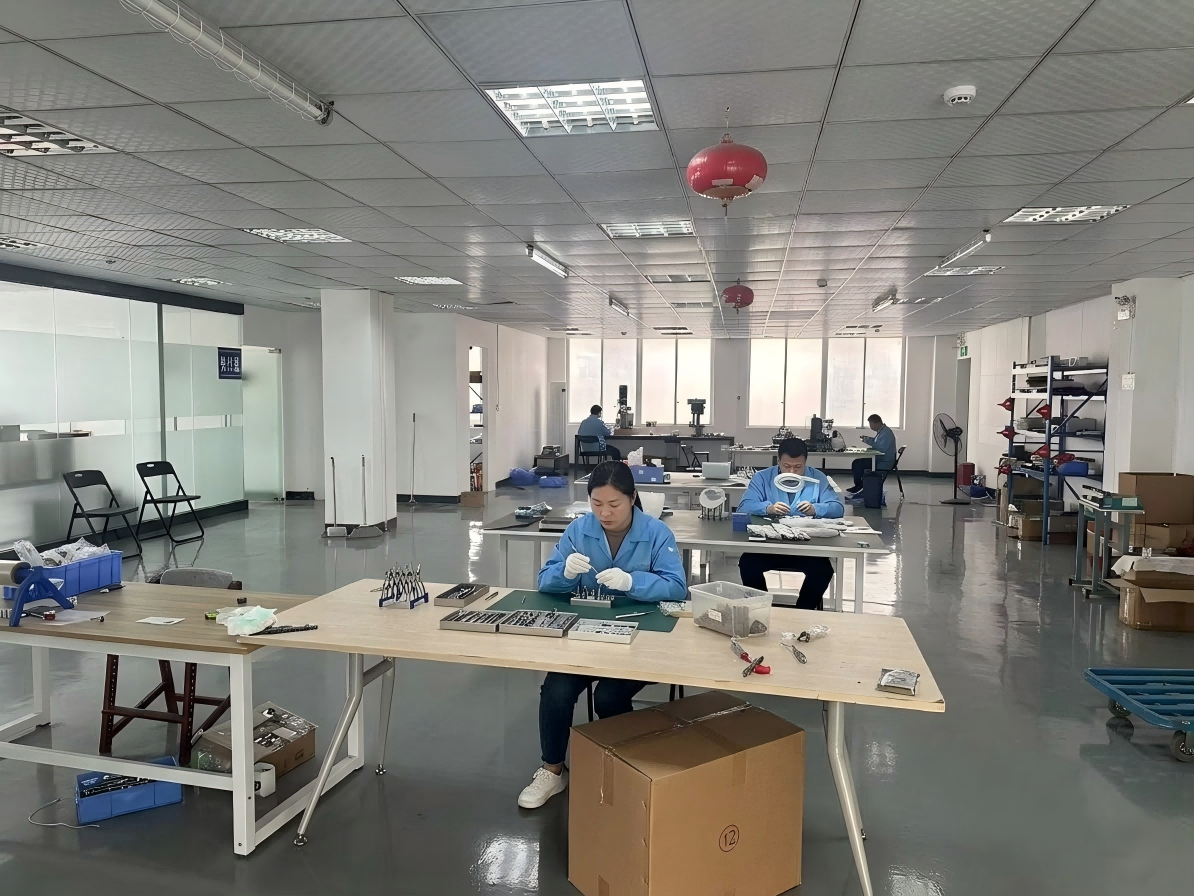
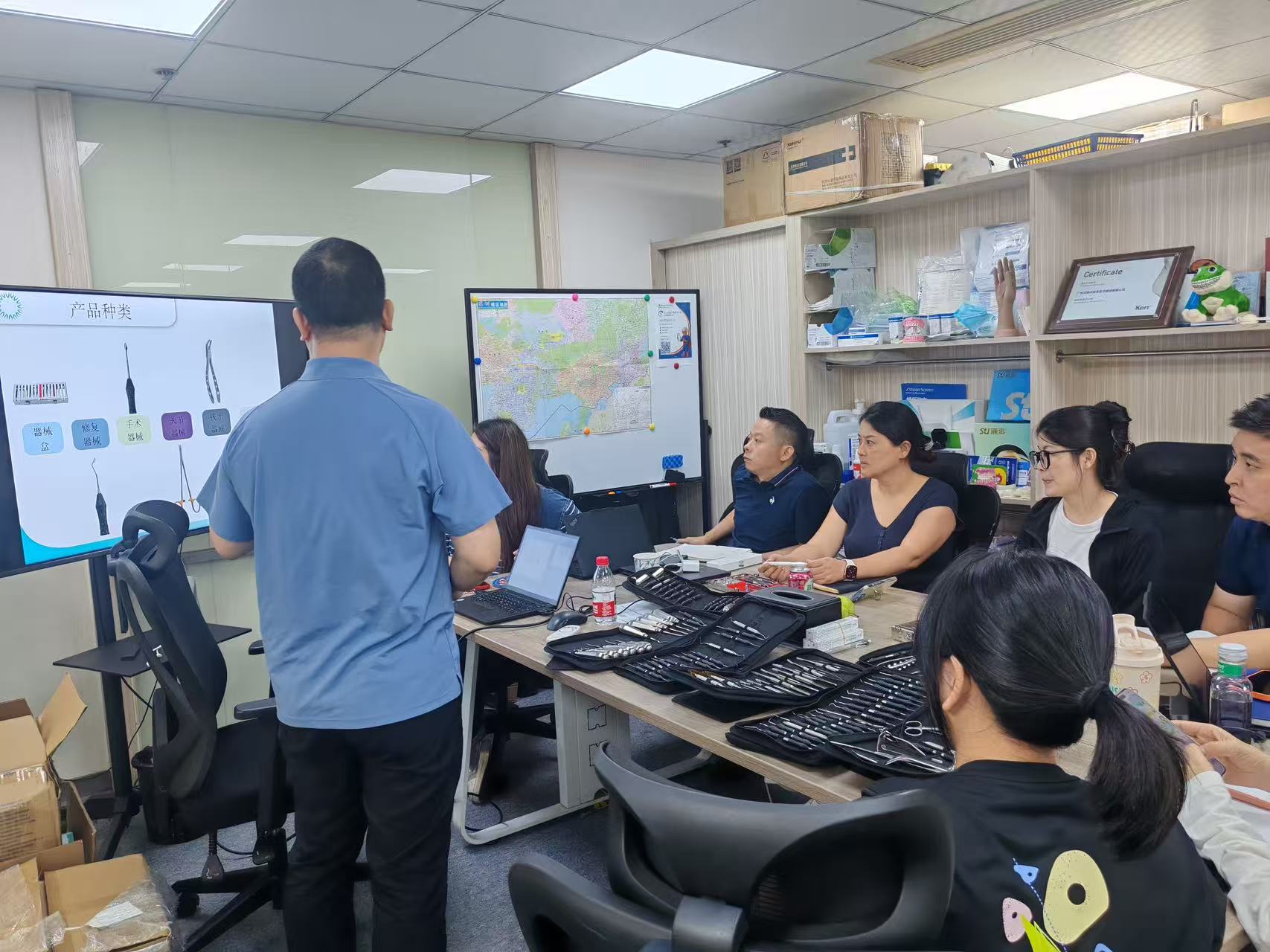
HDY Medical Technology (Guangzhou) Co., Ltd. is a professional manufacturer specializing in high-quality dental instruments for global dental professionals.
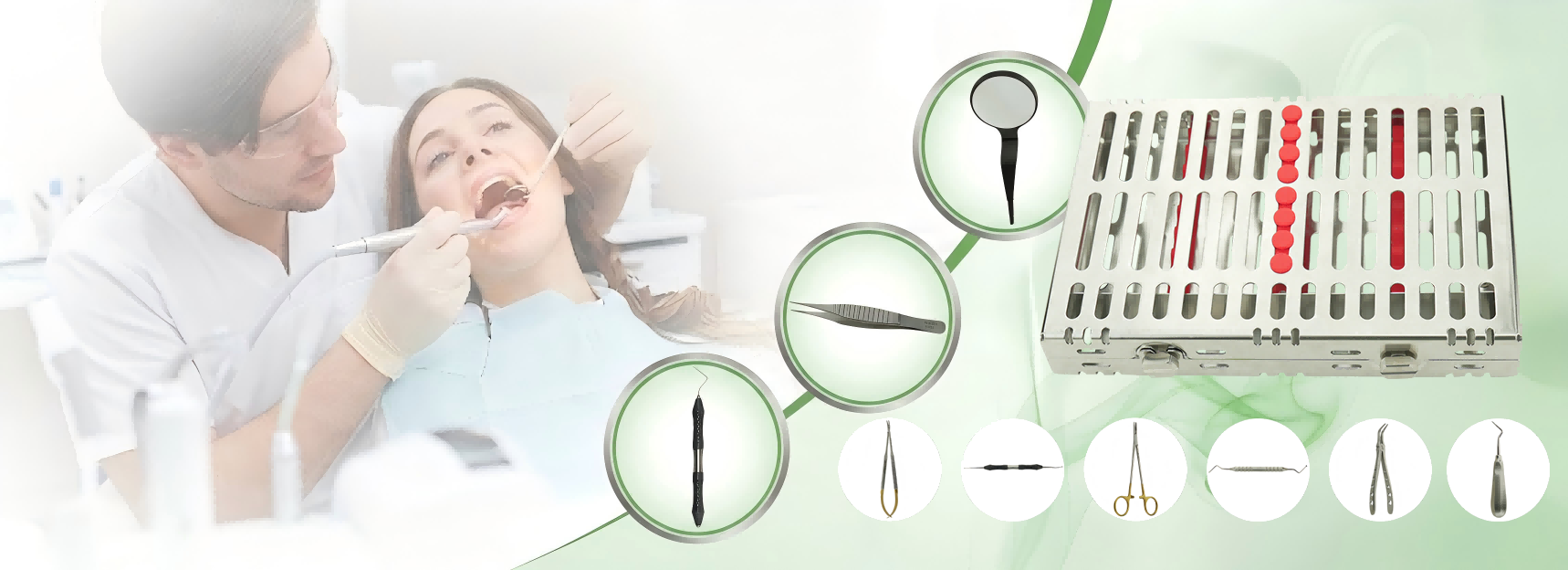
Our product range includes:
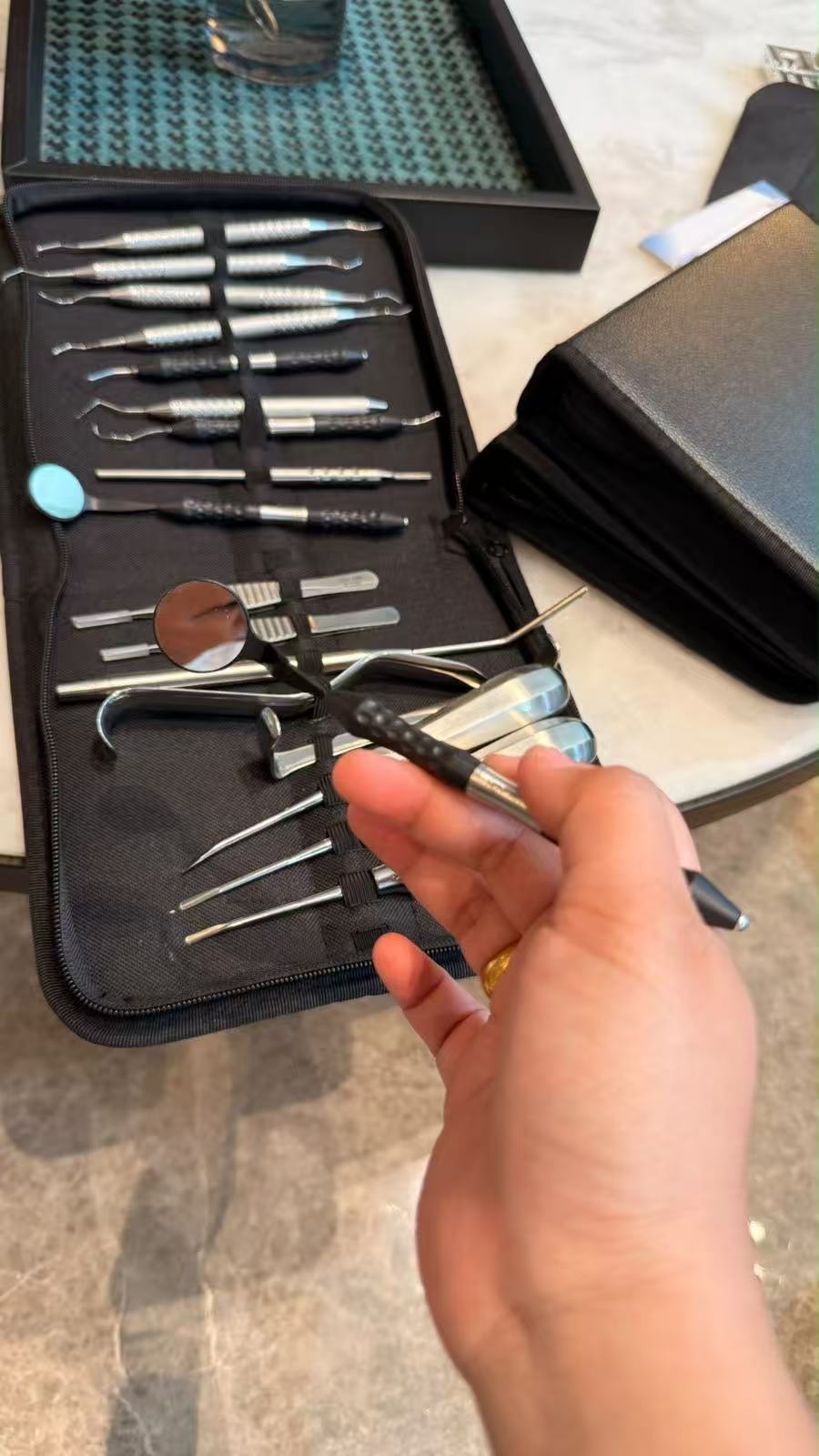
- Dental surgical instruments
- Dental hand instruments
- Periodontal instruments
- Implant instruments
- Restorative instruments
- Customized OEM & ODM dental solutions
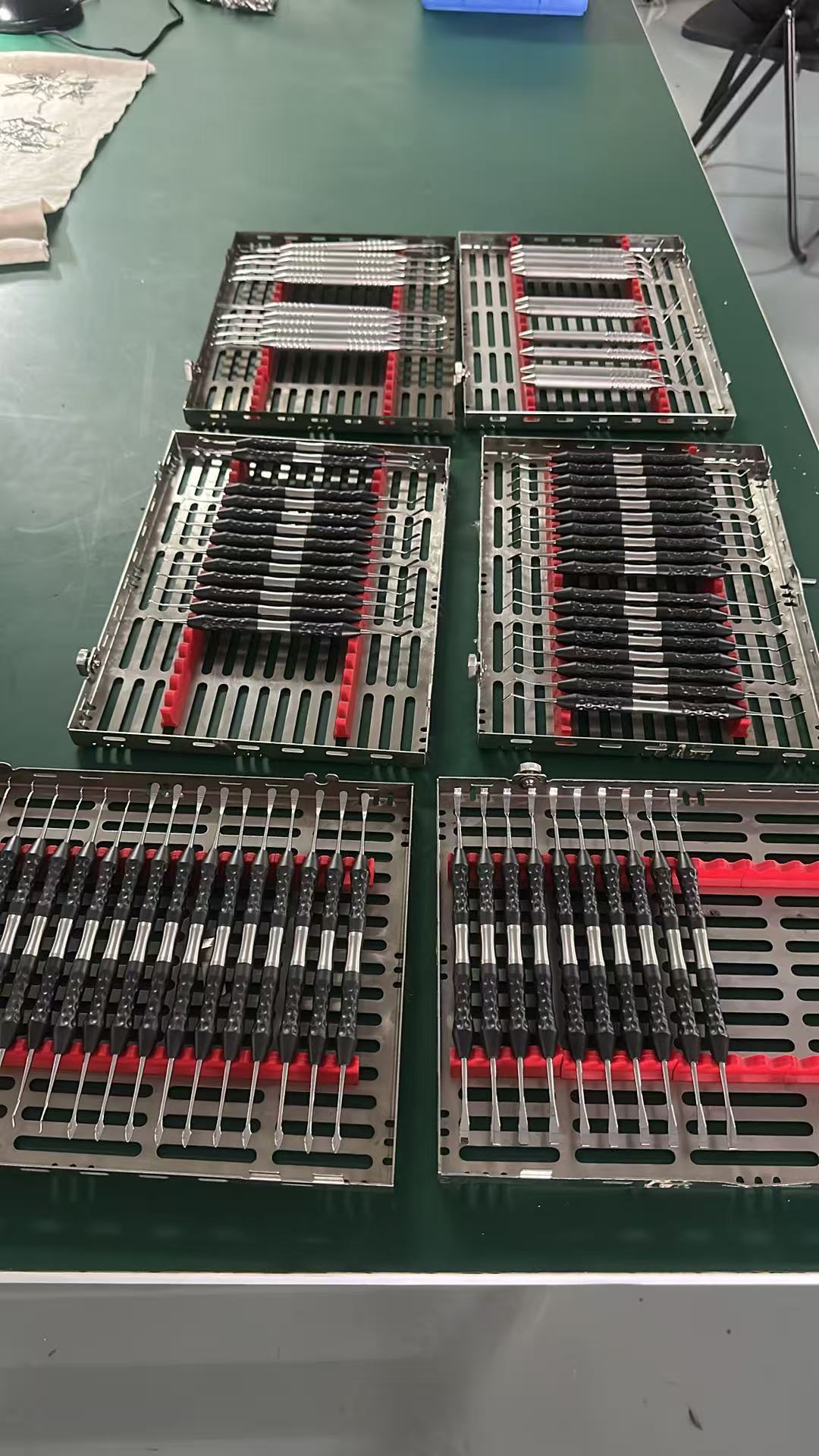
HDY focuses on precision manufacturing and strict quality control throughout every production stage, including:
- Product design
- Premium material selection
- Precision machining
- Heat treatment
- Surface polishing
- Final inspection
Through advanced manufacturing technology, HDY produces dental instruments designed for excellent performance, durability, and clinical reliability.
Choosing Reliable Dental Instruments for Long-Term Performance
Proper sharpening and maintenance can significantly extend the life of dental instruments. However, starting with high-quality instruments is the foundation of long-term performance.
Dental clinics, hospitals, and distributors should choose manufacturers that provide:
✓ Professional manufacturing experience
✓ Reliable material quality
✓ Consistent product standards
✓ Comprehensive product support
✓ OEM & ODM capabilities
With strong manufacturing expertise and global service experience, HDY Medical Technology (Guangzhou) Co., Ltd. provides dependable dental instrument solutions for customers worldwide.
Conclusion
Sharpening dental instruments is an important skill in professional dental instrument maintenance. By using correct techniques, maintaining proper angles, avoiding excessive metal removal, and following appropriate cleaning and sterilization procedures, dental professionals can maximize instrument performance and lifespan.
High-quality instruments combined with professional maintenance practices help dental teams achieve better clinical efficiency and reliable patient care.
HDY Medical Technology (Guangzhou) Co., Ltd. — Professional Dental Instruments Manufacturer Providing Reliable Solutions for Global Dental Professionals.
 English
  简体中文
简体中文  Español
  Deutsch
  Français