

The Direct Vision Rule for Impacted Third Molars
Crown and root separation, controlled surgical access, and instrument coordination for mandibular wisdom tooth extraction.
Impacted third molar extraction is not simply a matter of applying greater force. In many surgical cases, the more controlled approach is to create access, reduce resistance, separate the tooth when indicated, and retrieve individual segments under adequate visualization.
Impacted Wisdom Tooth Extraction: Think Disassembly, Not Force
Mandibular third molars can present restricted access, limited retromolar space, complex root morphology and close anatomical relationships with the mandibular canal. These factors make preoperative assessment and surgical access important components of treatment planning.
A controlled extraction strategy can be understood as three consecutive objectives:
Create Access
Establish adequate visualization and working space before attempting significant tooth movement.
Reduce Resistance
Where clinically indicated, sectioning or selective bone removal can convert a difficult extraction path into more manageable segments.
Retrieve Each Segment
Elevators and forceps can then be selected according to the geometry, position and available access of each segment.
1. Preoperative Assessment: More Than Impaction Depth
Pell & Gregory and Winter classifications remain useful descriptive systems for impacted third molars. However, surgical planning also requires consideration of the individual patient's anatomy, radiographic findings and access limitations.
Mouth Opening
Restricted opening can significantly affect visibility, instrument angulation and posterior access.
Retromolar Space
The relationship between the distal second molar and mandibular ramus can influence the available extraction path.
Root Morphology
Root curvature, divergence, hypertrophy, fusion and developmental morphology should be evaluated before selecting the extraction strategy.
Mandibular Canal Relationship
The relationship between the roots and mandibular canal should be carefully evaluated when planning a lower third molar procedure.
Panoramic imaging is useful for initial assessment, but buccolingual root relationships can be difficult to determine from a two-dimensional image. When additional three-dimensional information is clinically justified, CBCT may provide useful anatomical information for surgical planning.
HDY's broader dental surgical instruments guide explains how extraction forceps, elevators, surgical curettes, periosteal elevators and retractors fit into an integrated oral surgery instrument system.
HDY Extraction Forceps: Match the Instrument to Access and Anatomy
Forceps selection should follow the tooth position, remaining tooth structure, root morphology and intended path of removal. HDY's extraction portfolio includes conventional, molar-specific, apical and root-focused forceps.
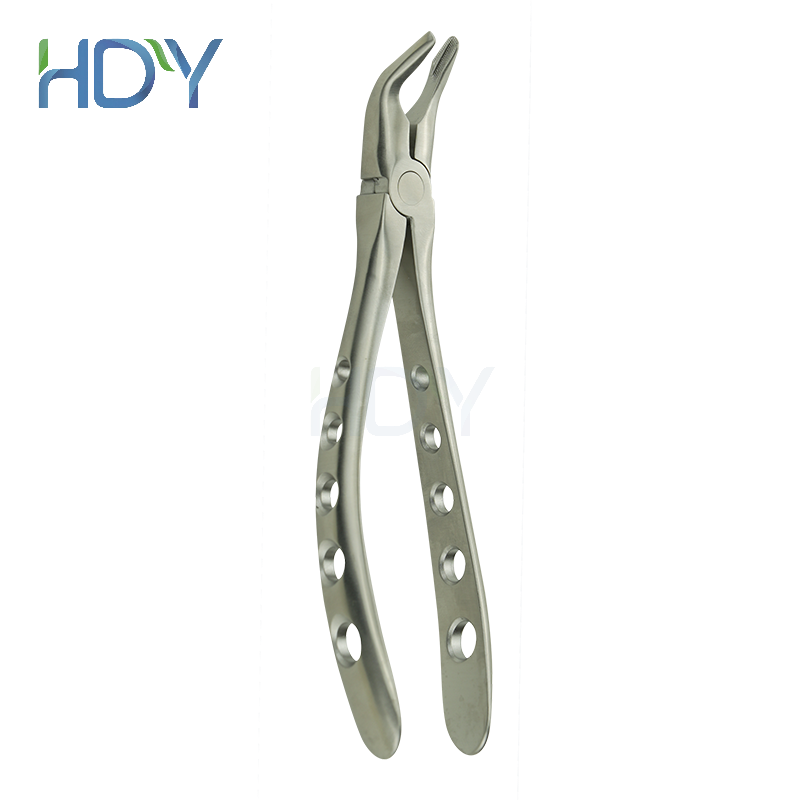
BY150 Apical Forceps
Apical and root-access forceps can be useful when the remaining root structure provides limited coronal engagement and the selected instrument geometry is appropriate for the clinical situation.
Explore the HDY BY150 Apical Forceps .
For a broader selection, visit the HDY Dental Forceps category.
2. Incision and Flap: Adequate Access Supports Direct Vision
A surgical approach should provide sufficient access for visualization, irrigation, instrument positioning and controlled tooth sectioning when indicated. The appropriate flap design and extent are determined by the clinician and the individual anatomy.
HDY's oral surgery portfolio includes periosteal elevators for flap reflection and cheek retractors for maintaining the surgical field.
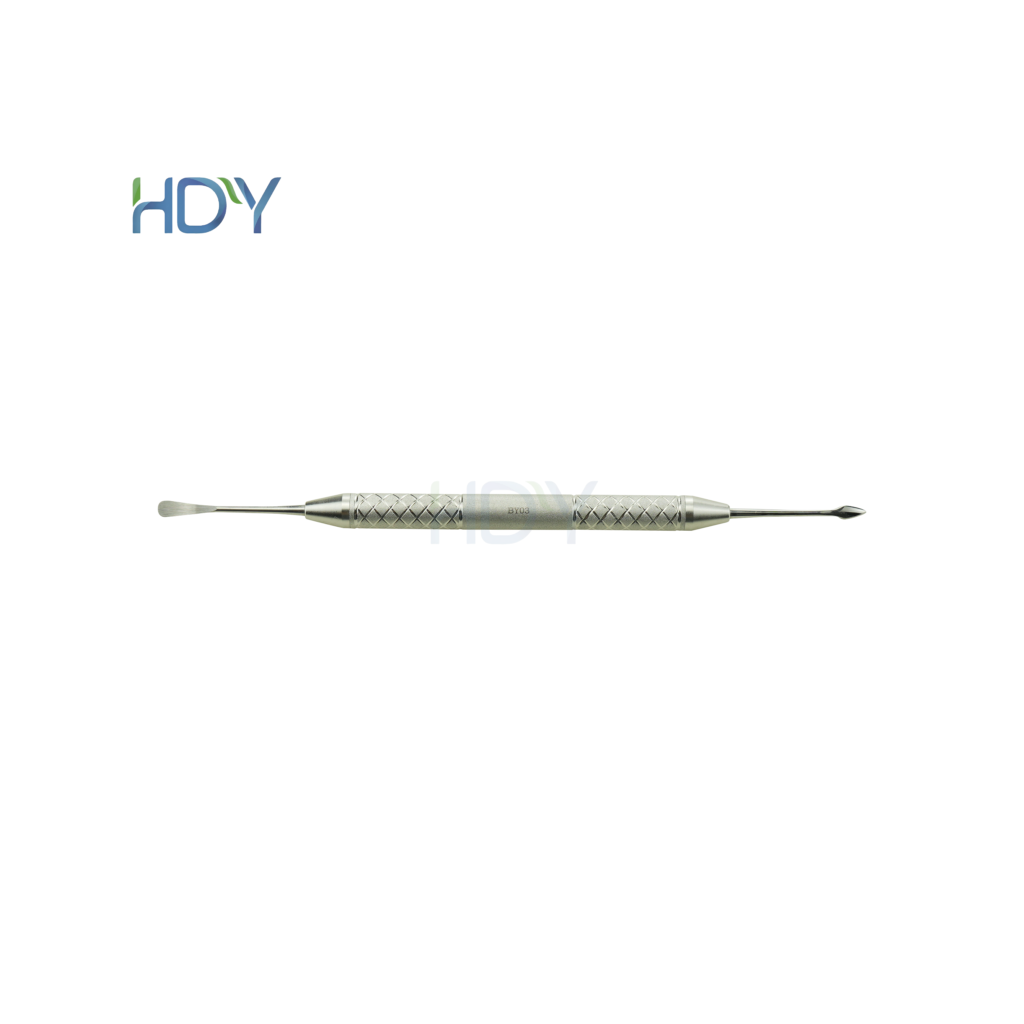
BY03G Buser Periosteal Elevator
Designed for controlled soft-tissue elevation and flap management during oral surgical procedures.
View BY03G →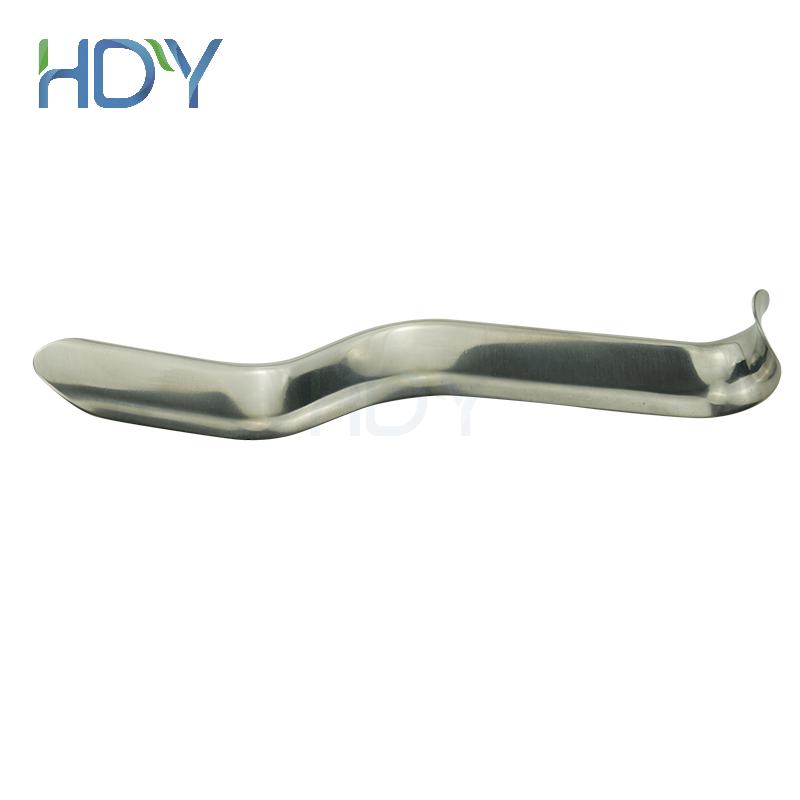
LG02 Minnesota Cheek Retractor
Supports cheek, lip and flap retraction to improve access to posterior and lateral oral surgical areas.
View LG02 →HDY's Precision Oral Surgery Instruments article provides additional information about periosteal elevators, retractors, curettes and other instruments used for controlled oral surgical access.
3. Crown Sectioning: Reduce Resistance Instead of Increasing Force
In selected impacted third molar cases, tooth sectioning can change the geometry of removal. Instead of attempting to deliver the entire tooth through a restricted path, the crown and/or roots can be divided when clinically appropriate so that individual components can be mobilized separately.
For mesioangular or distoangular impactions, the exact sectioning strategy depends on tooth position, root anatomy, surrounding bone, access and the clinician's treatment plan.
Once an appropriate separation has been created, an elevator may be used to mobilize the selected segment, followed by an appropriate forceps or root instrument for retrieval.
Elevator and Forceps Coordination
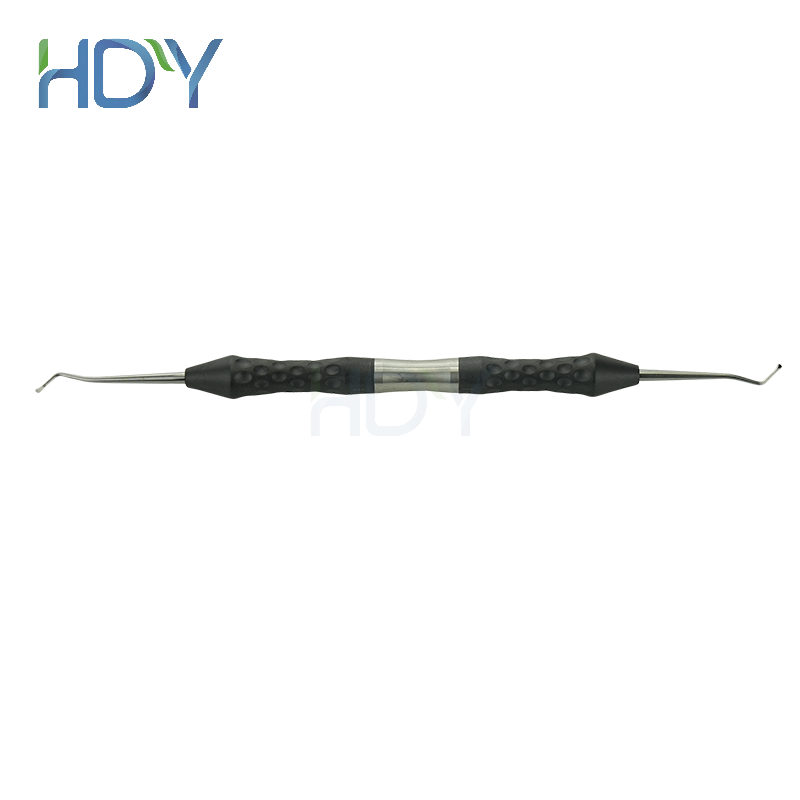
HDY's elevator portfolio includes straight, curved, reinforced and Luxator-style designs. Instrument geometry should be matched to the available access and the segment being mobilized.
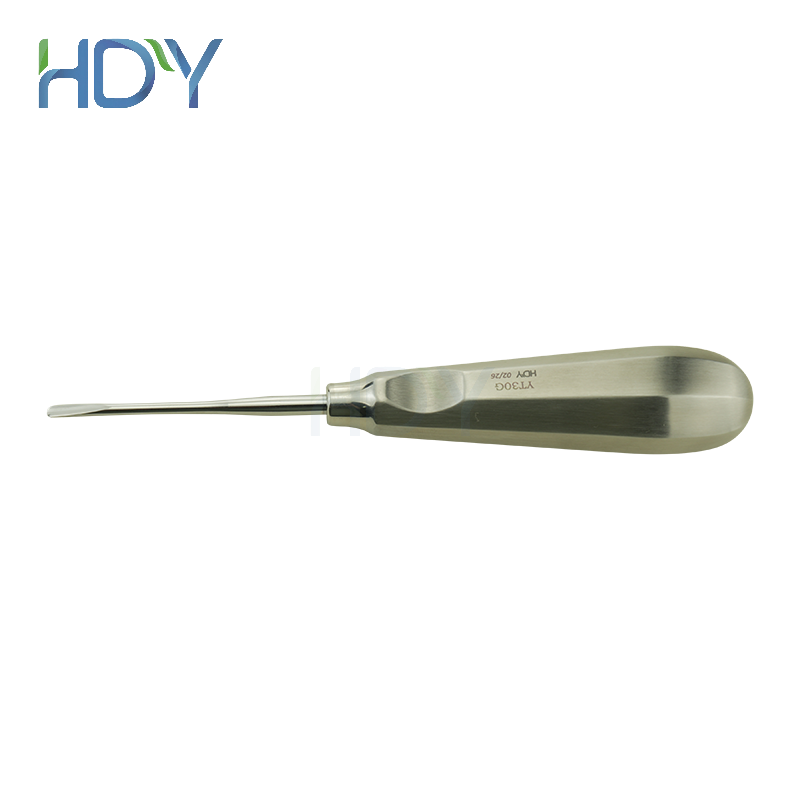
YT30G Forta Elevator — Straight
A 3 mm reinforced straight elevator designed for tooth and root elevation and controlled extraction applications.
View YT30G →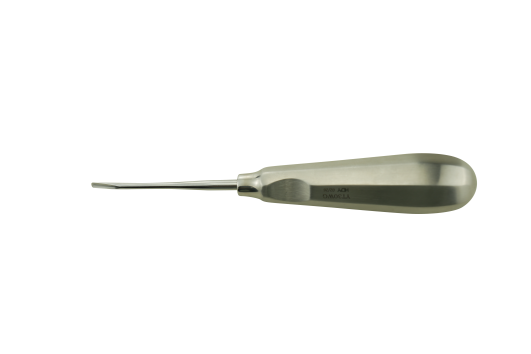
YT30WG Forta Elevator — Angled
The angled configuration provides an alternative approach for posterior access and selected extraction situations.
View YT30WG →Luxator Elevators for Narrow Access
When a thin working end is appropriate, Luxator-style elevators can provide an alternative instrument geometry for periodontal space access and controlled tooth mobilization.
Explore the complete HDY Luxator Elevator range, including straight and angled configurations.
4. Three Operational Principles for Anatomical Protection
Maintain Visualization
Instrument placement should be guided by the visible anatomy and the planned path of movement. If access or visualization becomes inadequate, reassessment and additional exposure may be appropriate.
Avoid Uncontrolled Apical Loading
Elevator use should remain controlled and anatomy-dependent. Increasing force without understanding the resistance can create unnecessary stress on surrounding structures.
Stop When Resistance Changes
A sudden change in resistance can indicate an unexpected root position, fracture, insufficient access or another anatomical limitation. The appropriate response is reassessment rather than simply increasing force.
Root Separation and Retrieval
Root morphology can make en-bloc delivery inappropriate in selected impacted third molars. Divergent, curved, fused or enlarged roots may require a different path of removal.
Where root sectioning is clinically indicated, creating a controlled separation can allow each root segment to be addressed independently. Narrow elevators may then assist mobilization, while apical or root forceps can provide a more controlled method of retrieval when adequate purchase exists.
BY151 Apical Forceps
HDY BY151 is an apical/root-access forceps configuration designed for controlled engagement of accessible tooth and root structures.
Explore BY151 Apical Forceps →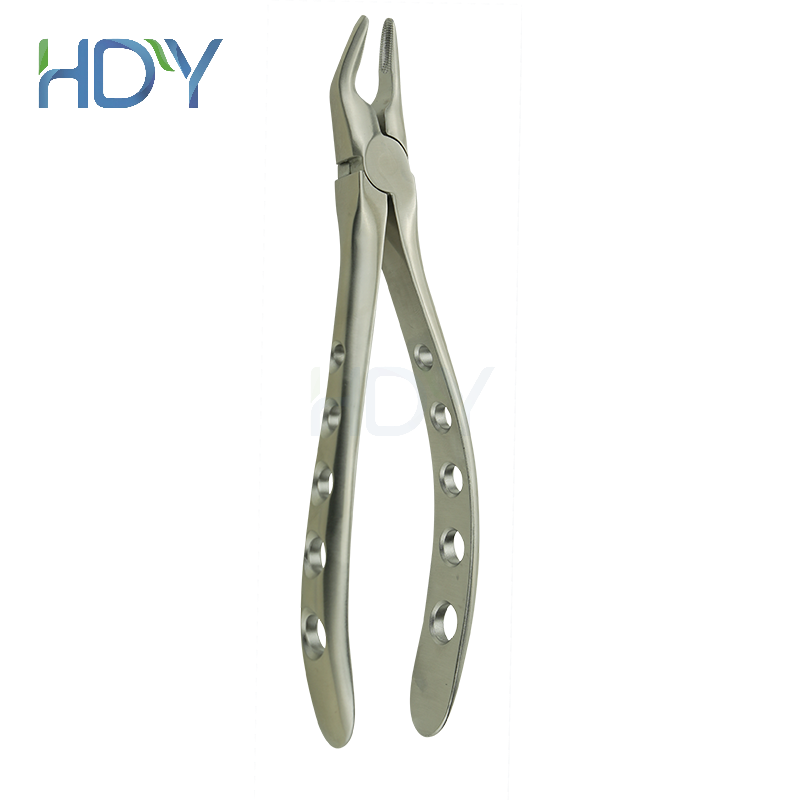
Socket Management After Fragment Retrieval
After extraction and fragment retrieval, the surgical site should be assessed and managed according to the clinical situation. Surgical curettes can form part of the instrument setup when debridement or removal of tissue and debris is indicated.
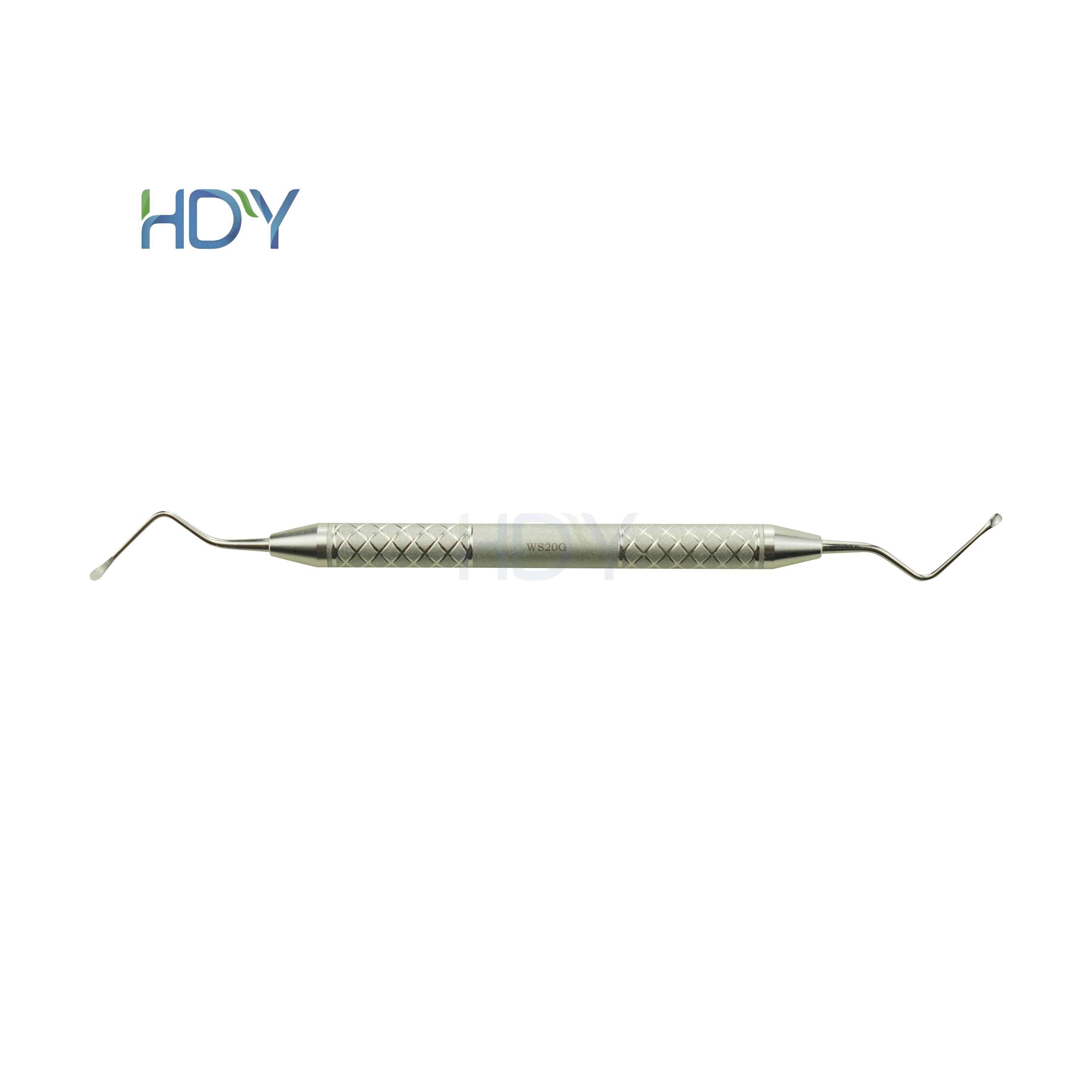
WS20G Surgical Curette
Compact working-end geometry for selected oral surgical curettage and extraction-socket management applications.
View WS20G →Complete Surgical Curette Range
HDY provides multiple curette diameters and configurations for different oral surgery and debridement requirements.
Explore Surgical Curettes →The HDY Instrument Workflow for Impacted Third Molars
A procedure-focused instrument system can help organize the surgical workflow from exposure to fragment retrieval and site management.
| Surgical Stage | Instrument Category | HDY Example | Functional Role |
|---|---|---|---|
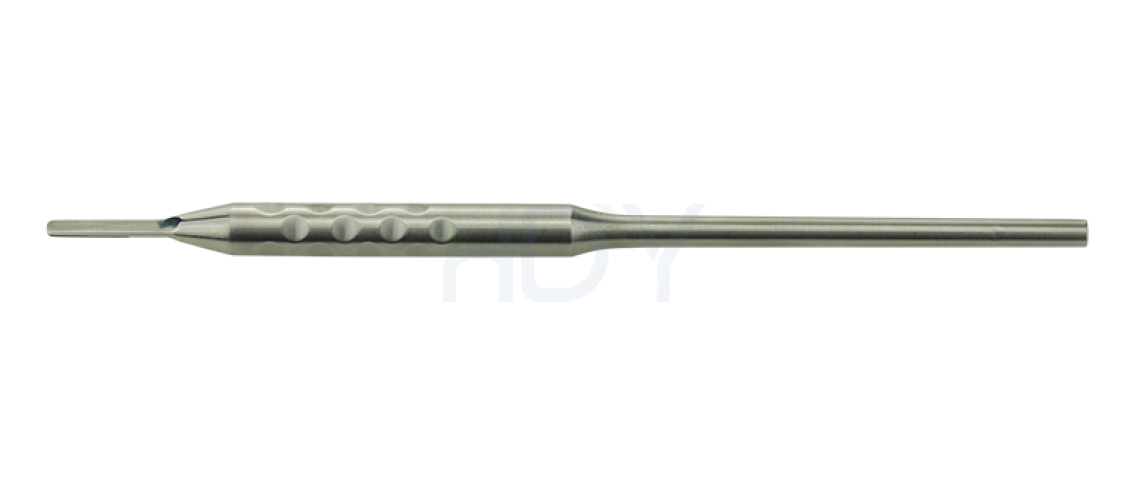
| Incision | Scalpel / Scalpel Handle | DB02 | Controlled surgical access. |
| Flap Reflection | Periosteal Elevator | BY03G / BG08G / BG09G | Controlled soft-tissue elevation and flap management. |
| Surgical Exposure | Cheek Retractor | LG02 / LG07 | Maintain access and visibility. |
| Tooth Mobilization | Dental Elevator / Luxator | YT30G / YT30WG / Luxator Series | Controlled elevation and mobilization according to anatomy and access. |
| Fragment Retrieval | Extraction / Apical Forceps | BY150 / BY151 | Controlled engagement of accessible tooth or root segments. |
| Site Management | Surgical Curette | WS20G–WS35G | Selected socket debridement and tissue/debris removal. |
For clinics and distributors looking to build a complete procedure-based set, see HDY's Dental Surgical Instruments Set Selection Guide .
Direct Vision Is a Surgical Strategy, Not Just an Instrument Feature
The value of a dental surgical instrument is closely connected to how well its geometry supports the planned surgical access. A periosteal elevator needs to support controlled flap reflection. A retractor needs to maintain an unobstructed field. An elevator needs to match the available access and tooth geometry. Forceps need to engage stable tooth structure without relying on uncontrolled force.
This approach is consistent with HDY's broader oral-surgery instrument philosophy: controlled exposure, deliberate tissue handling and procedure-specific instrument selection. HDY's current oral surgery portfolio includes periosteals, retractors, elevators, forceps, surgical curettes and related instruments.
Why Instrument Selection Matters for Dental Distributors
For dental distributors, hospitals and private-label dental brands, impacted third molar extraction is a useful example of why a surgical instrument portfolio should contain multiple geometries rather than one universal instrument.
Multiple Elevator Geometries
Straight, curved, reinforced and Luxator-style configurations can address different access requirements.
Extraction Forceps
Standard, molar, apical and root-specific patterns can support different tooth and root configurations.
Surgical Access Instruments
Periosteals, retractors and surgical scissors help create a coordinated oral surgery setup.
Procedure-Based Sets
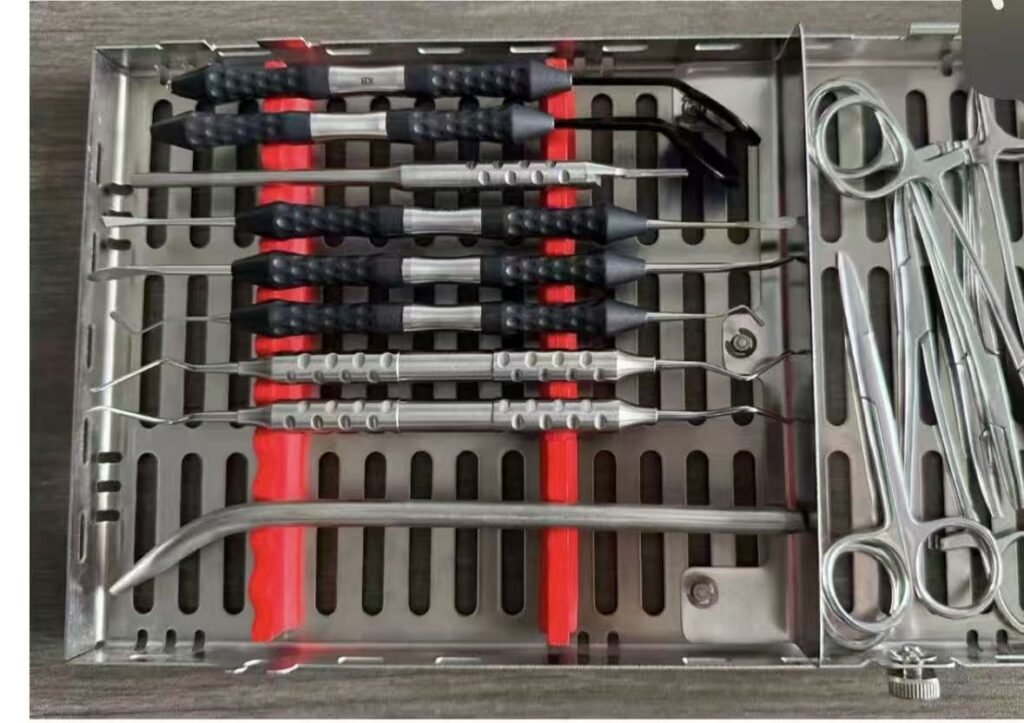
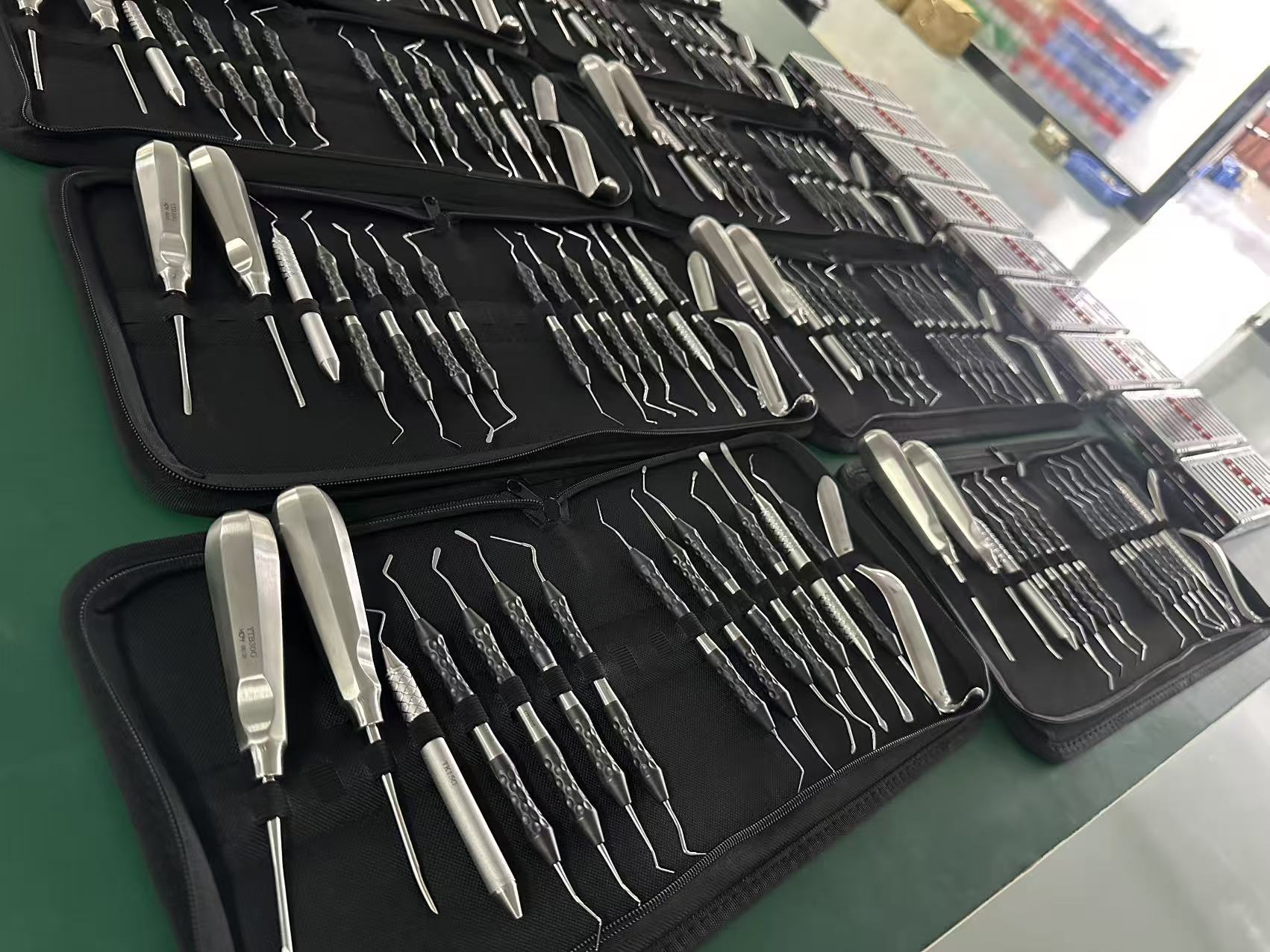
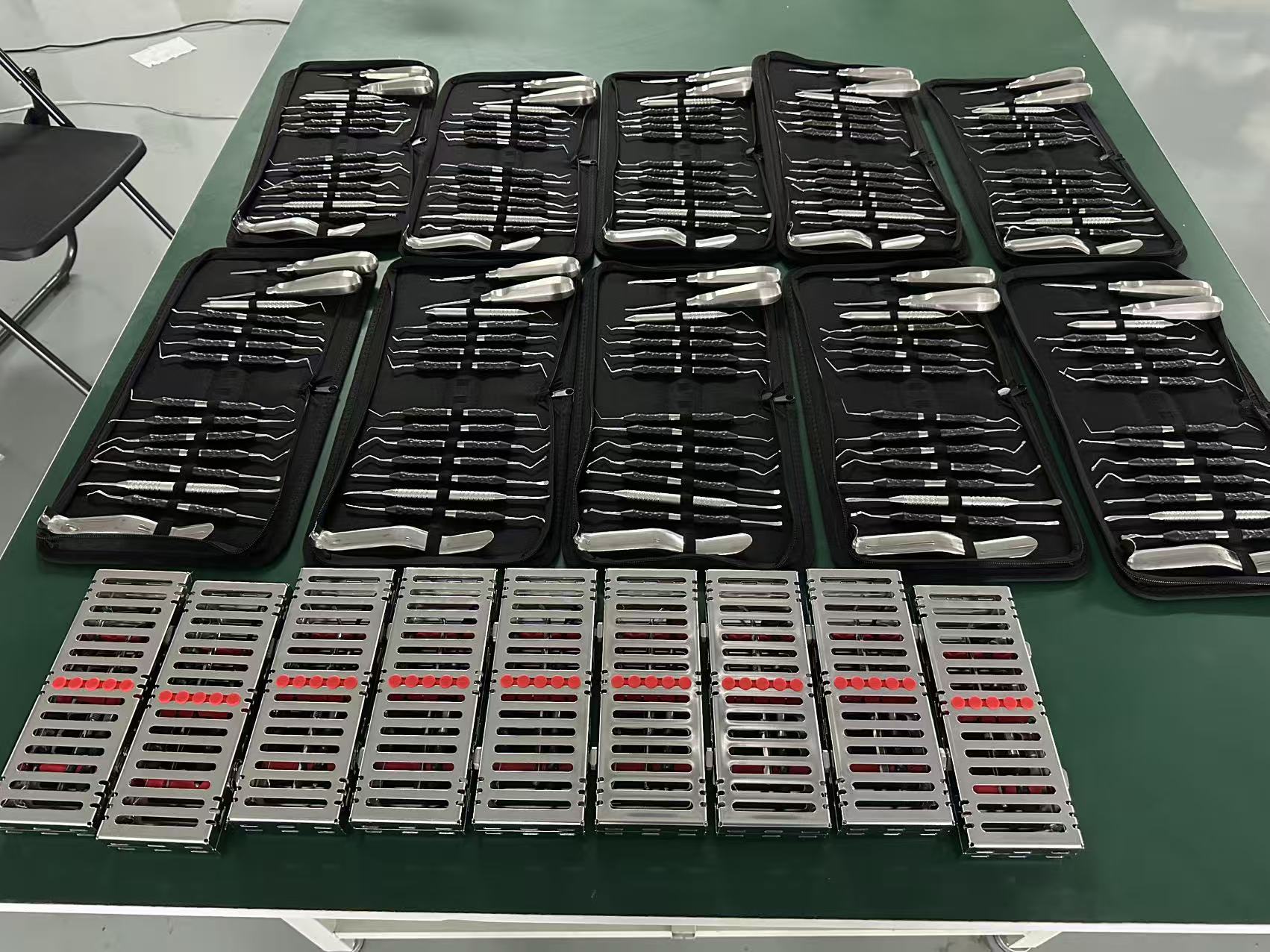
Elevators, forceps, curettes and supporting instruments can be combined into customized dental surgical instrument kits.
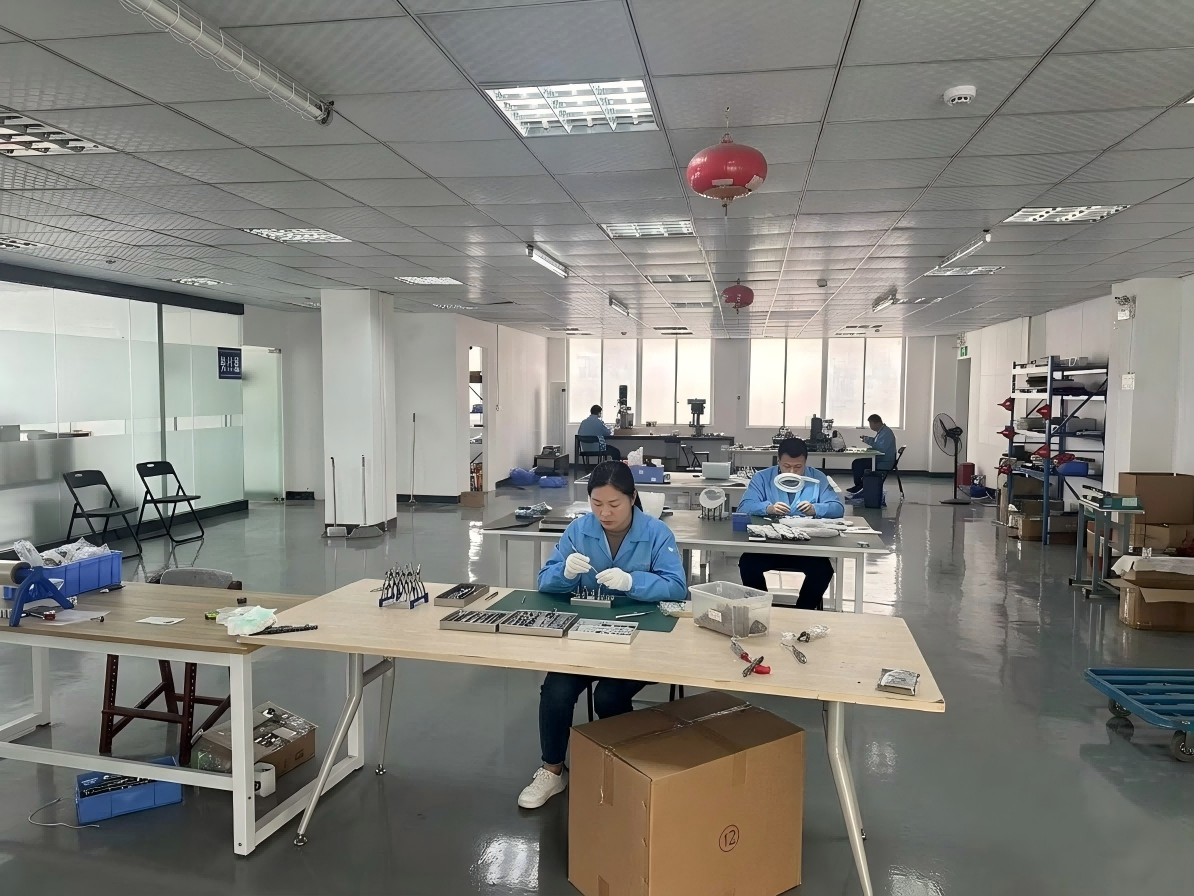
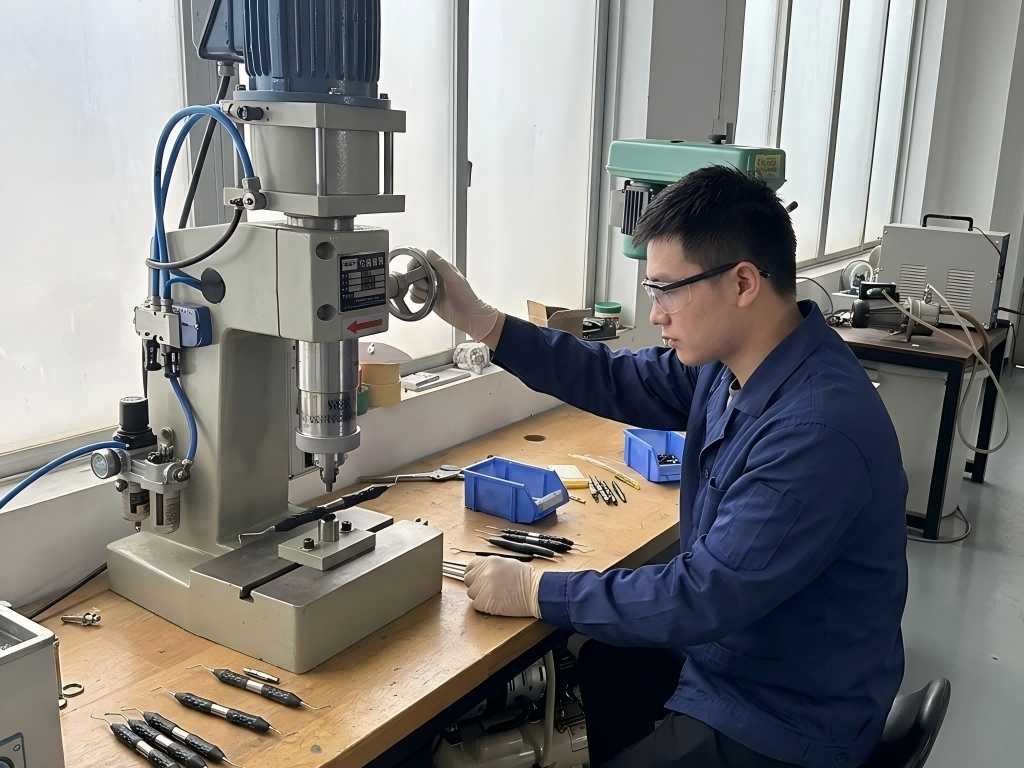
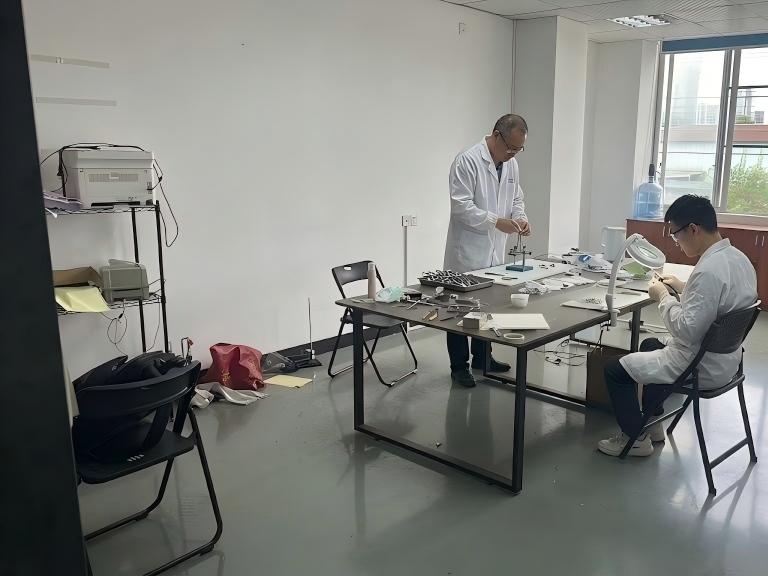
HDY provides OEM & ODM dental instrument manufacturing for dental brands, distributors, clinics and hospitals, including custom instrument development, branding, packaging and procedure-based instrument configurations.
The Core Principle: Better Access, Less Uncontrolled Force
Impacted third molar extraction should be planned around anatomy rather than force. Preoperative imaging establishes the anatomical roadmap. Appropriate surgical access provides visibility. Selective sectioning can reduce mechanical resistance when indicated, while elevators and forceps provide controlled retrieval of individual segments.
The objective of an instrument system is therefore not simply to withstand more force. It is to provide the geometry, control and access needed for the planned surgical workflow.
Looking for Impacted Wisdom Tooth Extraction Instruments?
HDY Medical Technology (Guangzhou) Co., Ltd. manufactures dental surgical instruments including extraction forceps, elevators, Luxator Elevators, periosteal elevators, cheek retractors and surgical curettes.
Standard products and OEM / ODM instrument solutions are available for dental distributors, clinics, hospitals and private-label brands.
Explore Dental Elevators Explore Dental Forceps OEM & ODM Solutions
 English
 简体中文
 Español
 Deutsch
 Français
 العربية