
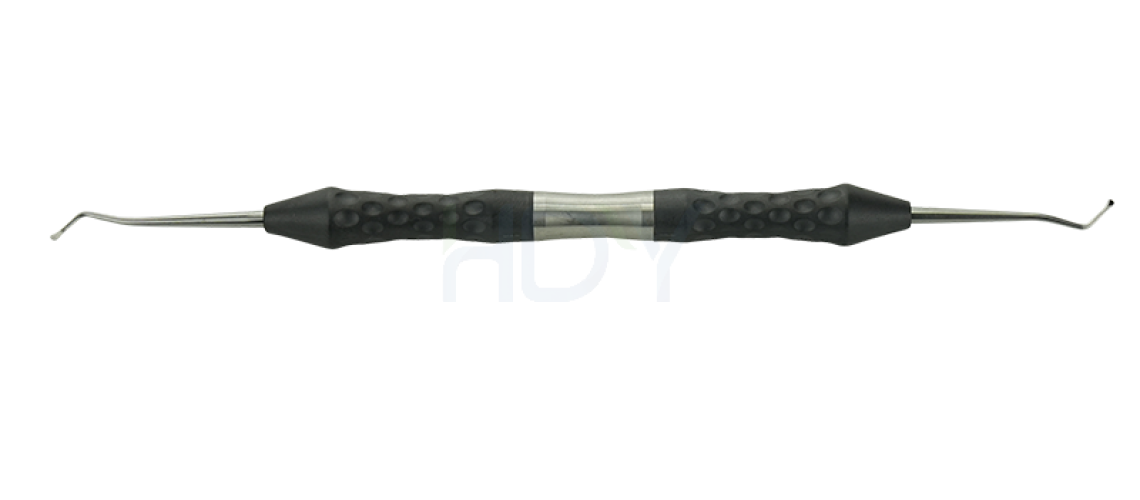
Introduction: Understanding the Dental Excavator Instrument
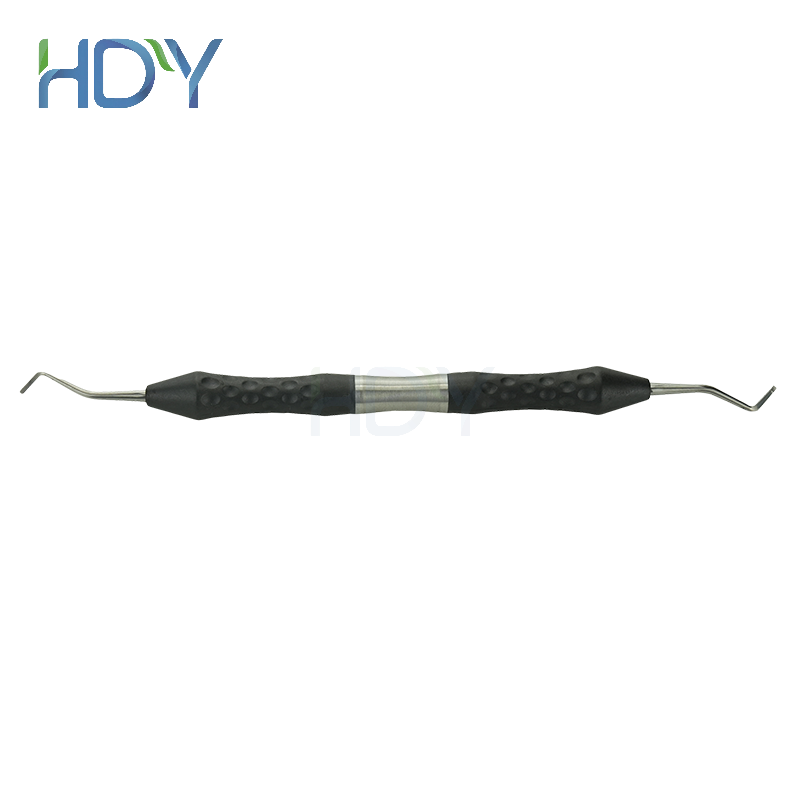
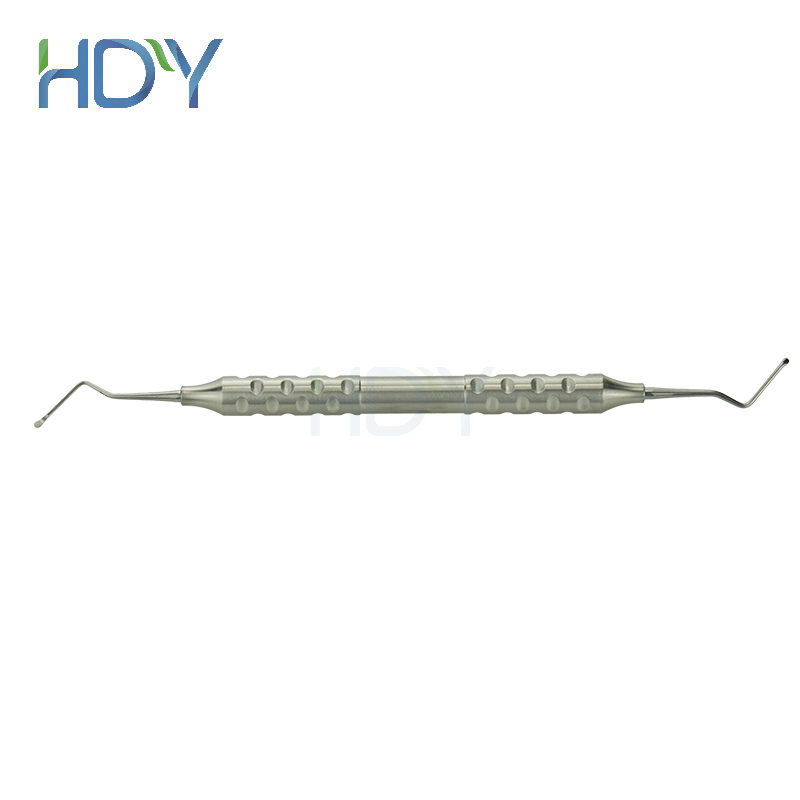
The dental excavator instrument is one of the most important dental hand instruments used in restorative dentistry. It is primarily designed for the removal of softened carious dentin, temporary filling materials, and debris during cavity preparation procedures.
For dentists and dental professionals, selecting the right excavator and mastering proper operating techniques can significantly improve treatment efficiency, cavity preparation accuracy, and patient comfort.
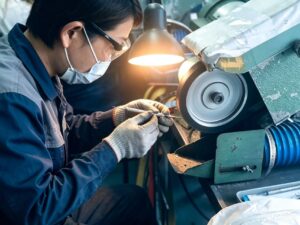
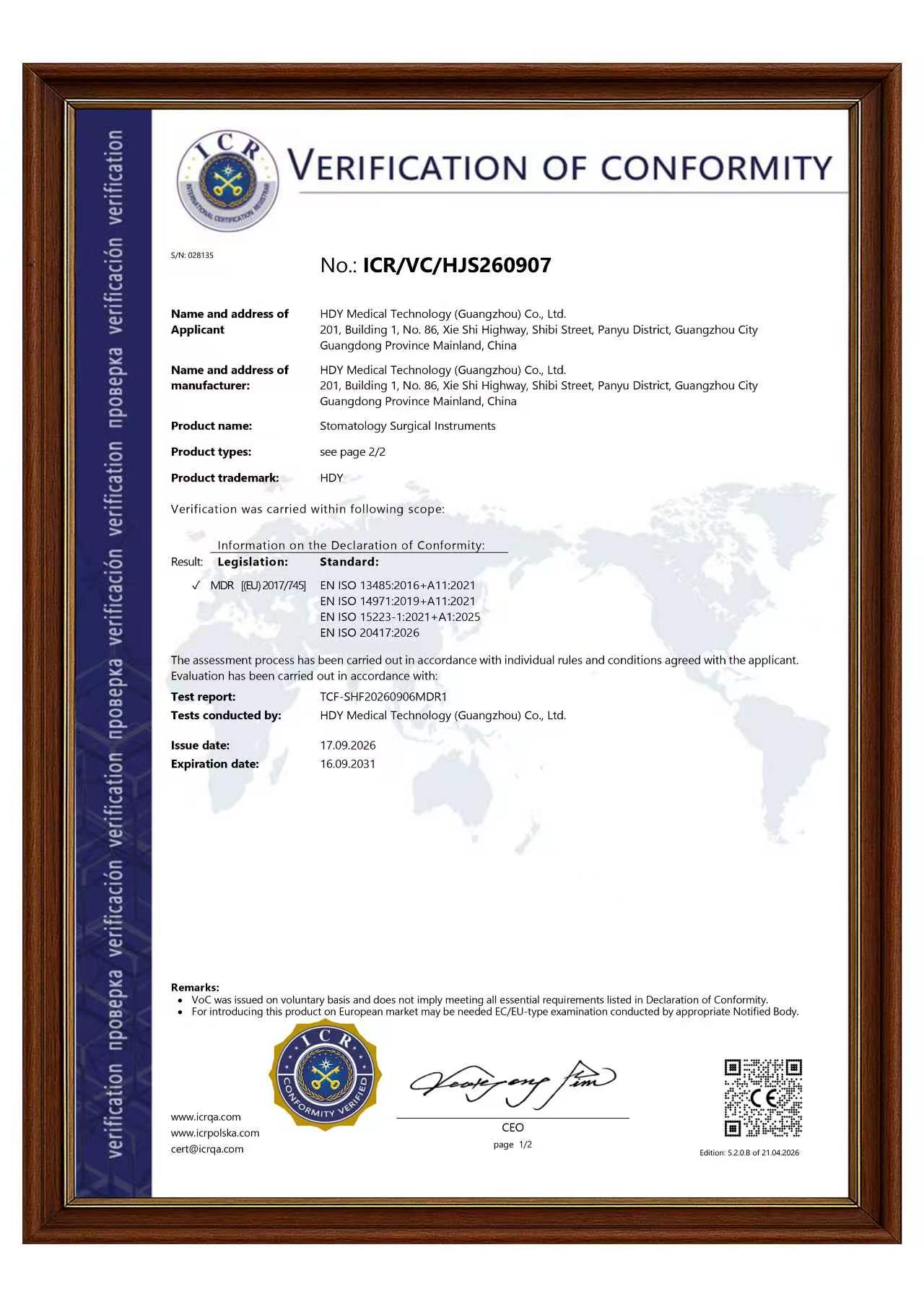
As a professional dental instrument manufacturer, HDY Medical Technology (Guangzhou) Co., Ltd. produces high-quality dental hand instruments designed for precision, durability, and reliable clinical performance. This article explains the function, types, and professional usage techniques of dental excavator instruments.
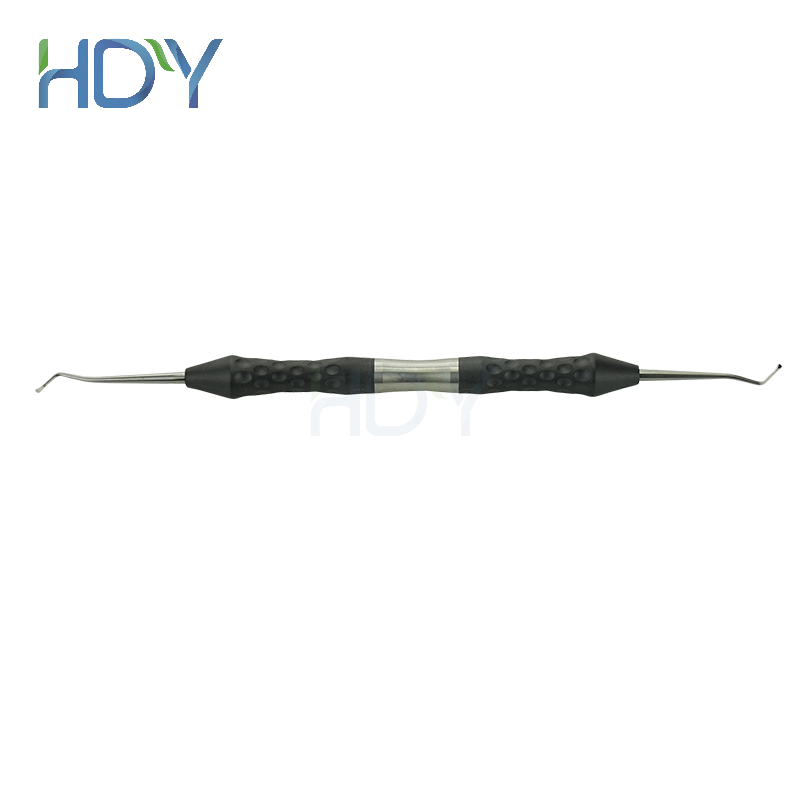
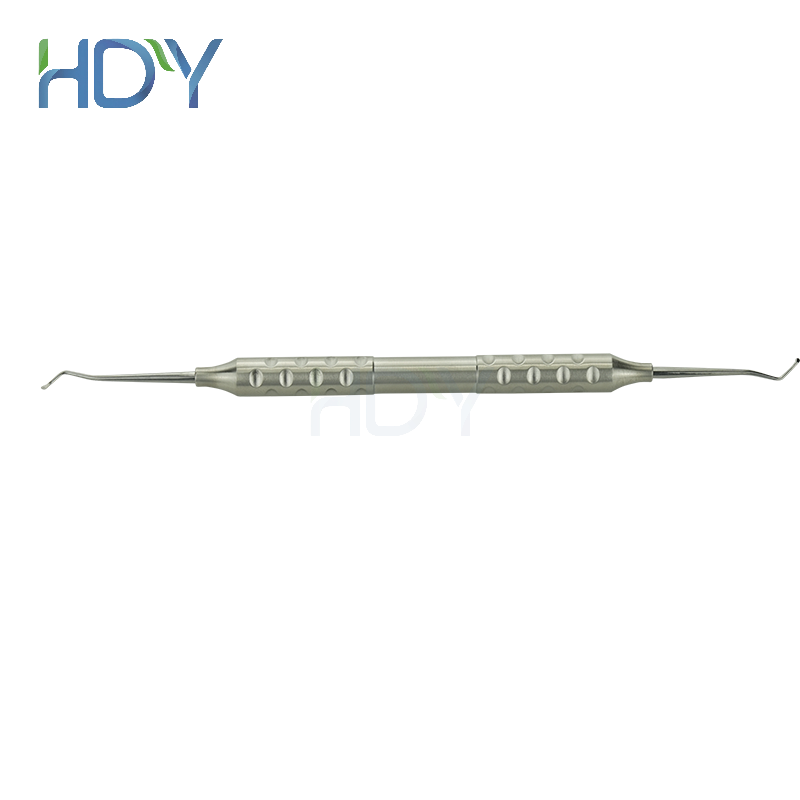

What Is a Dental Excavator Instrument?
A dental excavator is a manual dental instrument with a small working end designed to remove unwanted materials from tooth structures.
Unlike rotary instruments such as dental burs, excavators allow dentists to perform controlled manual removal of softened tissue and materials.
Dental excavators are commonly used in:
- Caries removal
- Temporary filling removal
- Cavity cleaning
- Removal of softened dentin
- Access refinement during restorative procedures
The instrument provides excellent tactile feedback, allowing dentists to distinguish between healthy and affected tooth structures.
Main Functions of Dental Excavator Instruments
1. Removal of Dental Caries
The primary function of a dental excavator is removing infected or softened carious dentin.
During cavity preparation, the dentist uses the excavator to:
- Remove decayed dentin
- Clean the cavity floor
- Preserve healthy tooth structure
- Prepare the tooth for restoration
Because excavators are manually controlled, they allow precise removal of affected tissue while minimizing unnecessary removal of healthy enamel and dentin.
2. Removal of Temporary Fillings
Dental excavators are also widely used to remove temporary restorative materials.
Common temporary materials include:
- Temporary cement
- Zinc oxide-based materials
- Temporary restorative compounds
The excavator helps dentists:
- Break and lift temporary materials
- Clean residual filling material
- Prepare the cavity for permanent restoration
3. Cavity Cleaning and Preparation
Before placing a permanent restoration, the cavity must be properly cleaned.
Dental excavators assist in:
- Removing remaining debris
- Refining cavity walls
- Improving visibility
- Supporting restoration preparation
4. Removing Softened Dentin During Minimal Intervention Dentistry
Modern dentistry increasingly focuses on preserving healthy tooth structure.
Dental excavators support minimally invasive techniques by allowing dentists to selectively remove infected dentin while preserving affected but potentially remineralizable tissue.
Types of Dental Excavator Instruments
Dental excavators are available in different designs depending on clinical requirements.
1. Spoon Excavator
The spoon excavator is the most commonly used type.
Features:
- Curved spoon-shaped working end
- Sharp cutting edges
- Designed for scooping motion
Applications:
- Removing caries
- Cleaning cavities
- Removing temporary materials
Advantages:
- Excellent tactile feedback
- Precise control
- Effective for soft dentin removal
2. Discoid-Cleoid Excavator
This instrument combines two working ends:
- Discoid end
- Cleoid end
Uses:
- Carving restorative materials
- Removing excess material
- Refining anatomical details
It is commonly used during restorative procedures.
3. Angle Excavator
Angle excavators are designed with angled working ends.
Advantages:
- Improved access to difficult areas
- Better visibility
- Suitable for posterior teeth
They are useful when working in areas where straight instruments have limited accessibility.
Dental Excavator Instrument Usage Techniques
Correct technique is essential to maximize efficiency and protect tooth structure.
Technique 1: Selecting the Correct Excavator
Before starting, choose an excavator based on:
- Location of the cavity
- Size of carious lesion
- Access direction
- Required working angle
For example:
- Small spoon excavators → precise caries removal
- Larger excavators → removal of larger softened areas
- Angled excavators → posterior access
Using the correct instrument improves control and reduces unnecessary force.
Technique 2: Establish Proper Instrument Grip
The recommended grip is usually the modified pen grasp.
Benefits:
- Better control
- Improved tactile sensitivity
- Reduced hand fatigue
The instrument should be held firmly but comfortably.
Avoid excessive pressure because it may:
- Damage healthy tooth structure
- Cause instrument deformation
- Reduce clinical precision
Technique 3: Use Controlled Scraping and Scooping Motions
Dental excavators are designed for controlled cutting movements.
Recommended movements include:
- Gentle scraping
- Short scooping strokes
- Controlled removal toward the operator
Avoid aggressive digging because excessive force may remove unnecessary tooth structure.
The goal is selective removal of softened tissue.
Technique 4: Maintain Proper Working Angle
The angle between the instrument and tooth surface affects efficiency.
Proper positioning helps:
- Engage the cutting edge effectively
- Improve removal efficiency
- Reduce operator fatigue
Dentists should maintain stable finger support and avoid uncontrolled movements.
Technique 5: Use Tactile Feedback
One major advantage of manual excavators is tactile sensation.
Experienced dentists can distinguish:
Soft Carious Dentin
- Easier cutting
- Less resistance
Healthy Dentin
- Firmer resistance
- More difficult to remove
Using tactile feedback helps preserve healthy tooth structure.
Technique 6: Clean and Inspect During the Procedure
During cavity preparation:
- Remove debris regularly
- Maintain clear visibility
- Check cavity condition
- Evaluate remaining dentin
Proper visibility improves treatment accuracy.
Common Mistakes When Using Dental Excavators
1. Applying Excessive Force
Dental excavators are precision instruments, not tools for aggressive removal.
Excessive pressure may:
- Remove healthy tissue
- Reduce instrument lifespan
- Increase patient discomfort
2. Using a Dull Excavator
A sharp cutting edge is essential.
A dull excavator may:
- Require more pressure
- Reduce efficiency
- Provide poor tactile feedback
Regular inspection and maintenance are necessary.
3. Choosing the Wrong Instrument Size
An oversized excavator may reduce control, while a very small excavator may increase procedure time.
Selecting the correct size improves clinical performance.
Maintenance of Dental Excavator Instruments
Professional maintenance helps extend instrument lifespan.
Recommended practices:
Cleaning
- Remove biological debris immediately
- Use appropriate dental instrument cleaning solutions
Sterilization
- Follow professional sterilization protocols
- Ensure compatibility with autoclave procedures
Inspection
Check:
- Cutting edge condition
- Working tip integrity
- Surface condition
Storage
Store instruments in:
- Dry environments
- Protective trays
- Sterilized packaging
Why Choose High-Quality Dental Excavator Instruments?
The performance of a dental excavator depends heavily on manufacturing quality.
Professional dental excavators require:
- Premium stainless steel
- Precise machining
- Proper heat treatment
- Excellent surface finishing
- Reliable corrosion resistance
High-quality manufacturing ensures:
- Sharp and durable working edges
- Comfortable handling
- Long service life
- Consistent clinical performance
HDY Medical Technology: Professional Dental Hand Instrument Manufacturer
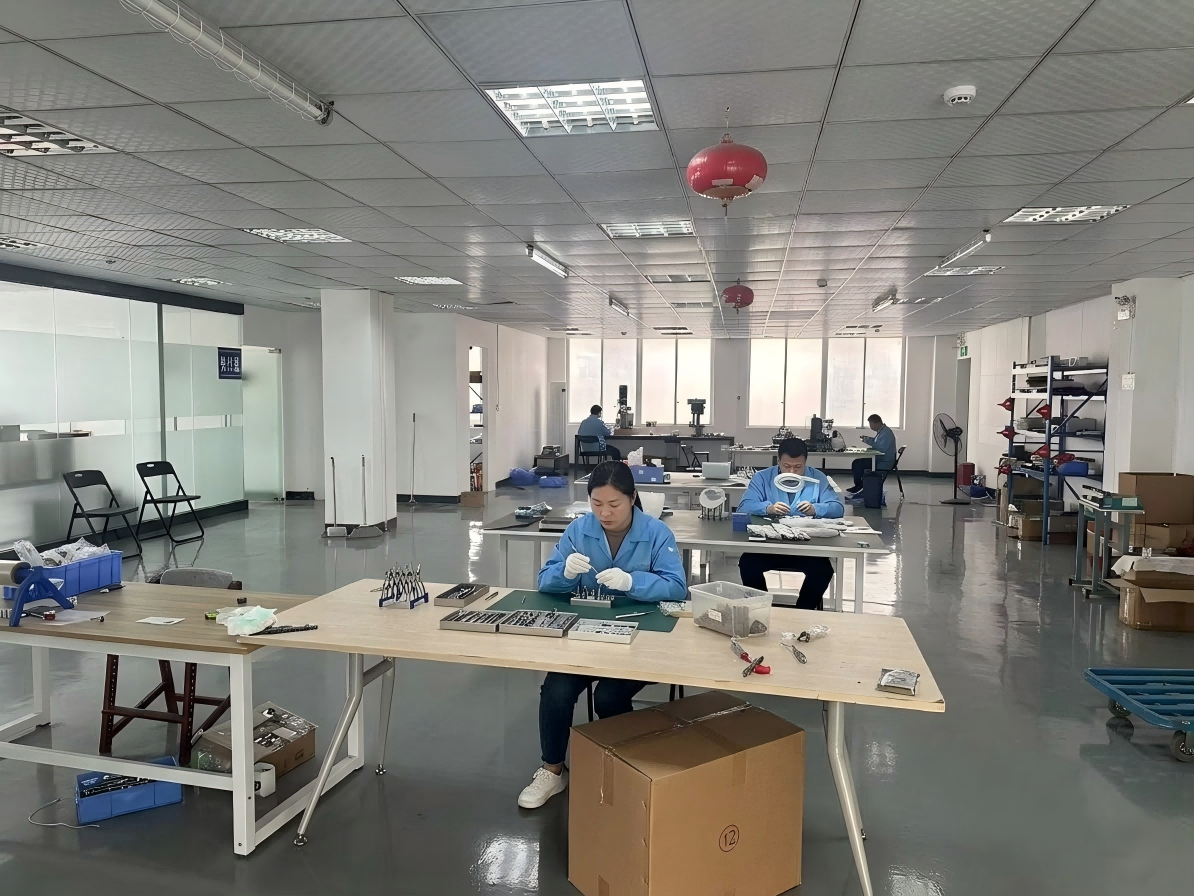
HDY Medical Technology (Guangzhou) Co., Ltd. specializes in manufacturing professional dental instruments for global dental professionals.
Our product range includes:
- Dental excavators
- Dental hand instruments
- Periodontal instruments
- Dental surgical instruments
- Implant instruments
- Restorative instruments
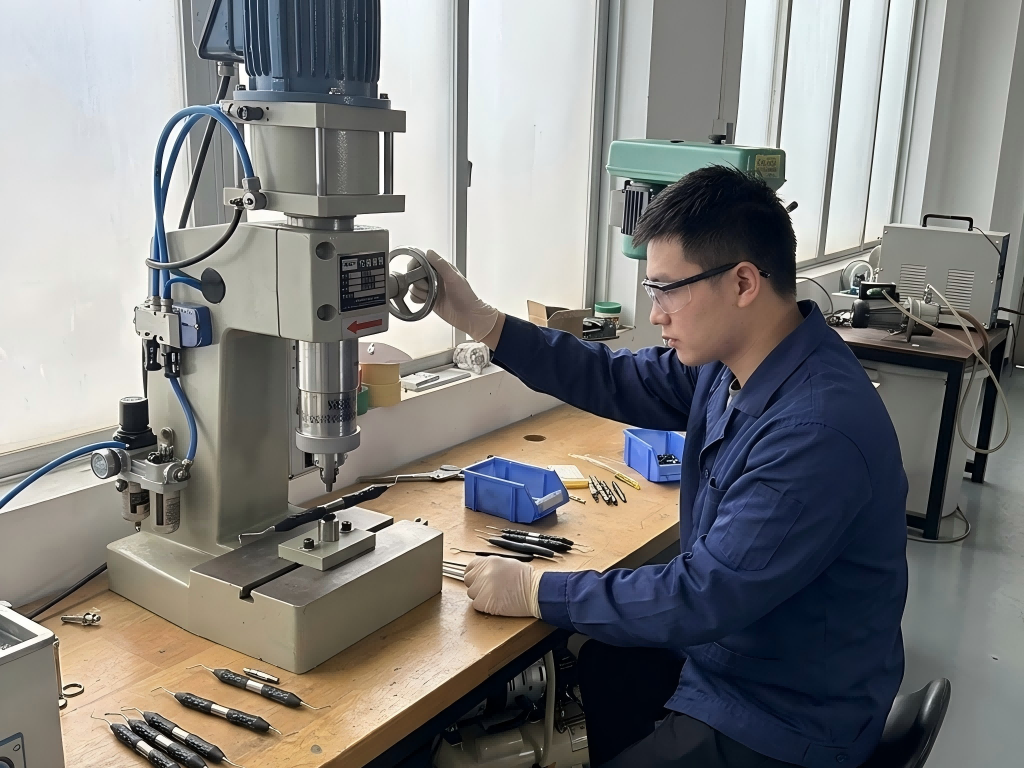
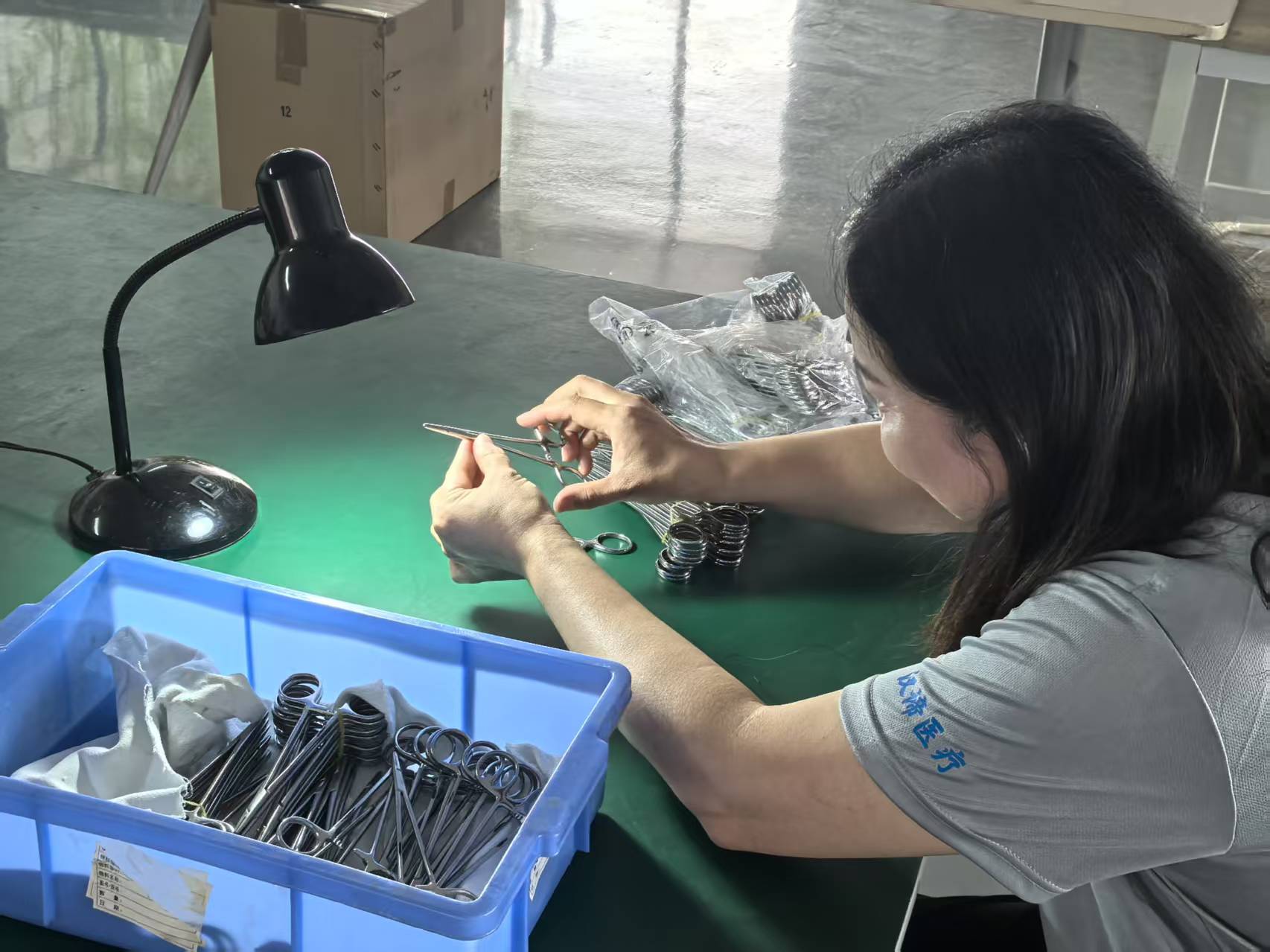
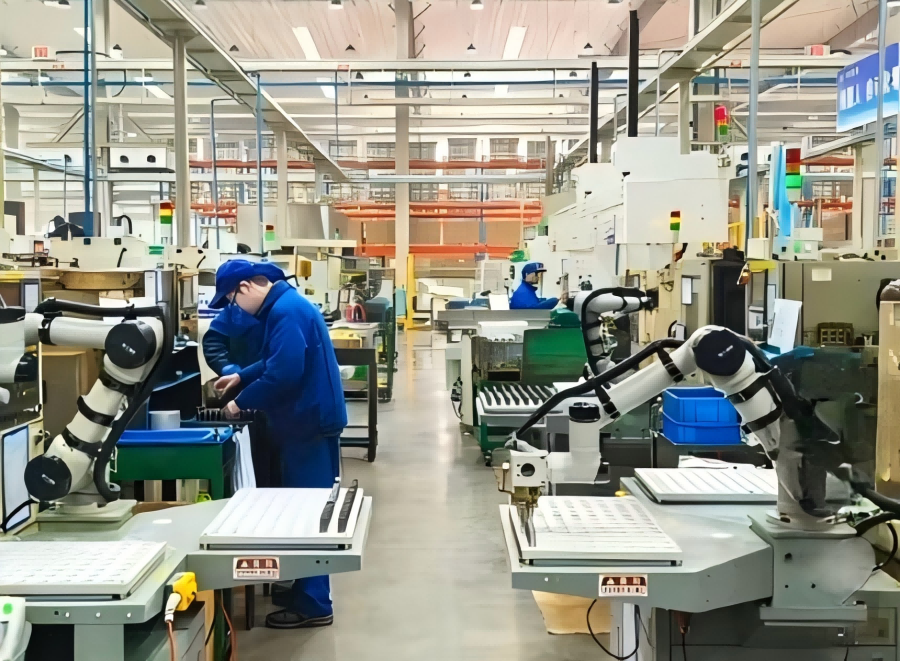
HDY controls the complete manufacturing process:
- Independent product design
- Premium material selection
- Precision machining
- Heat treatment
- Surface polishing
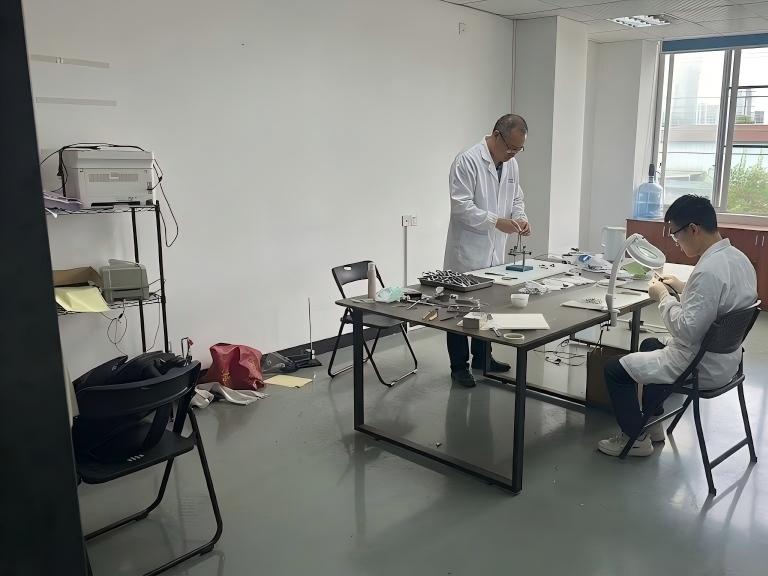
- Quality inspection
Customized Dental Excavator Solutions from HDY
For distributors, dental brands, and healthcare suppliers, HDY provides OEM and ODM solutions.
Customization options include:
✓ Custom handle designs
✓ Logo engraving
✓ Private labeling
✓ Customized instrument sets
✓ Packaging solutions
✓ Bulk production support
Whether you need standard dental excavators or customized dental hand instrument kits, HDY provides professional manufacturing support.
Conclusion
The dental excavator instrument is an essential tool in restorative dentistry, especially for removing caries and temporary fillings. Its effectiveness depends on proper instrument selection, controlled operating techniques, sharp working edges, and professional maintenance.
For dental clinics, distributors, and dental brands, choosing a reliable manufacturer ensures consistent quality and long-term value.
HDY Medical Technology (Guangzhou) Co., Ltd. — Professional Dental Hand Instruments Manufacturer Providing Reliable Solutions for Global Dental Professionals.

 English
  简体中文
简体中文  Español
  Deutsch
  Français