
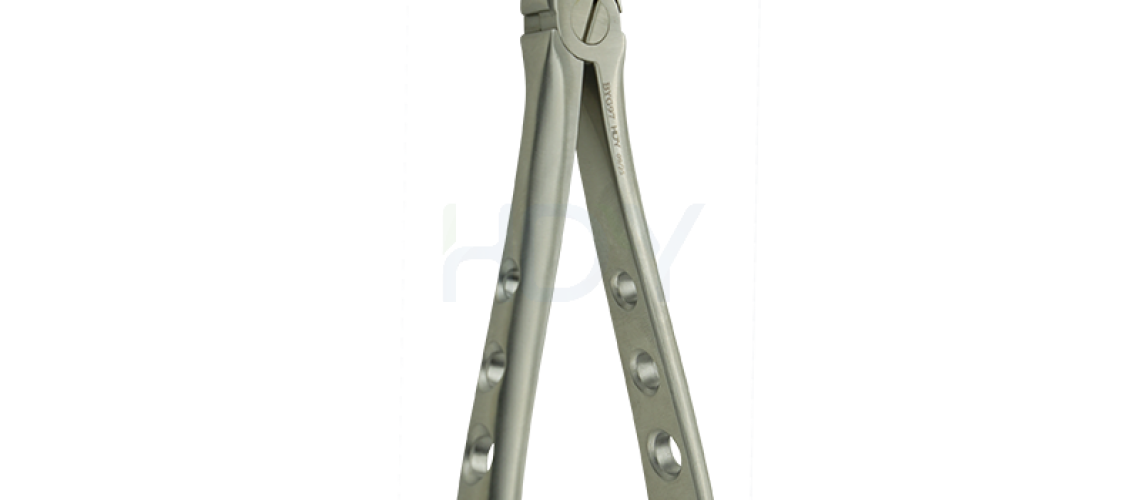

The “Groove” Philosophy for Broken Roots
A controlled approach to difficult broken root extraction: improve access, establish a stable purchase point, engage the root fragment, and remove it along a predictable path.
A Controlled Approach to Difficult Broken Root Extraction
Broken roots require a different mechanical strategy from intact tooth extraction.
Broken roots are among the more demanding situations in dental extraction. Once the crown has fractured or the remaining root fragment is positioned below the gingival margin, conventional forceps may no longer provide sufficient access or purchase.
The objective should not simply be to increase extraction force. Instead, difficult root removal is often better approached by improving visibility, access, purchase, and control.
“Create access. Establish a controlled purchase point. Engage the root fragment. Remove it along a predictable path.”
Why Broken Roots Require a Different Strategy
The remaining root fragment may have limited structure and restricted access.
Limited Coronal Structure
After crown or coronal fracture, there may be insufficient structure for conventional forceps engagement.
Restricted Access
A root fragment positioned below the gingival margin may require improved visualization and access before controlled engagement is possible.
Complex Root Anatomy
Root curvature, diameter, depth, and surrounding bone can all influence the available path of movement.
The Groove Concept
The “groove” represents a controlled access strategy rather than simply a physical cut.
When the remaining root fragment cannot be securely engaged, creating a suitable purchase area can transform an unstable extraction into a more controlled procedure.
The purpose is to provide the extraction instrument with a defined area of contact rather than relying on uncontrolled pressure against the surrounding bone or root surface.
Step 1: Assess the Remaining Root
Before attempting removal, evaluate the position and morphology of the retained fragment.
- Root length
- Root curvature
- Root diameter
- Fragment depth
- Surrounding bone
- Available visual access
- Remaining tooth structure
Anatomical Assessment
Radiographic assessment is particularly important when the root fragment is deeply positioned, curved, or close to important anatomical structures.
The extraction plan should be based on the actual root anatomy rather than assuming that every retained root can be removed using the same technique.
Step 2: Establish Clear Access
Better access can provide more predictable engagement while reducing the need for uncontrolled leverage.
When the root fragment is hidden below the gingival margin or surrounded by obstructing tooth structure, visibility and access become critical.
The objective is to expose enough of the root to allow controlled instrument engagement. When clinically indicated, obstructing tooth structure may need to be removed or an appropriate access area created.
Do not increase force before improving access.
Step 3: Create a Controlled Purchase Point
A defined purchase area can provide a more stable point for controlled instrument engagement.
Controlled Contact
Establish a suitable area of contact on the remaining root rather than relying on unstable engagement.
Appropriate Access
Create only the access required for appropriate instrument engagement according to the clinical situation.
Directed Movement
A stable purchase point can help convert unpredictable force into more controlled movement.
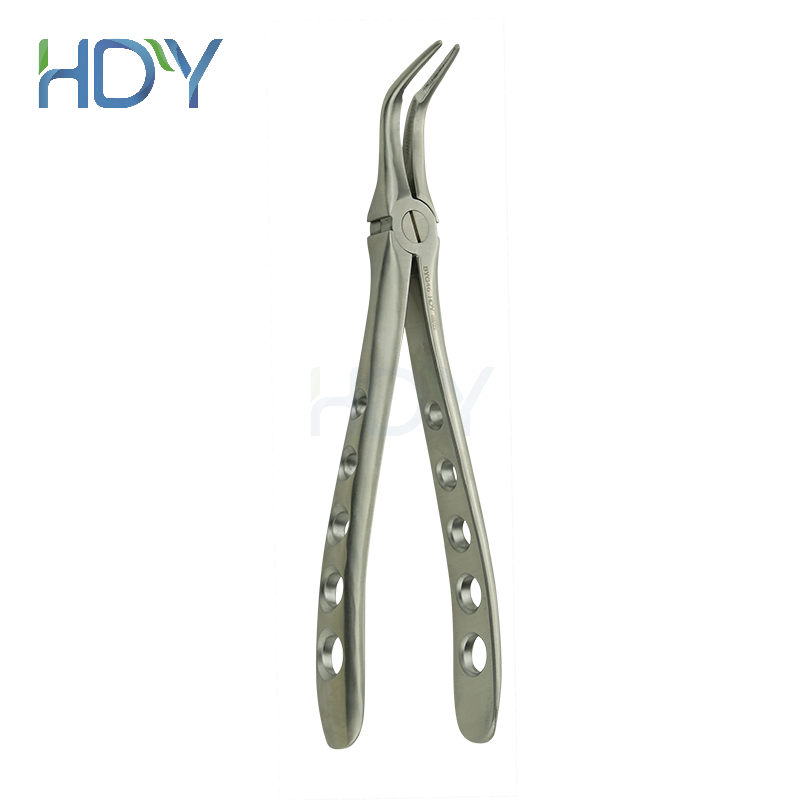
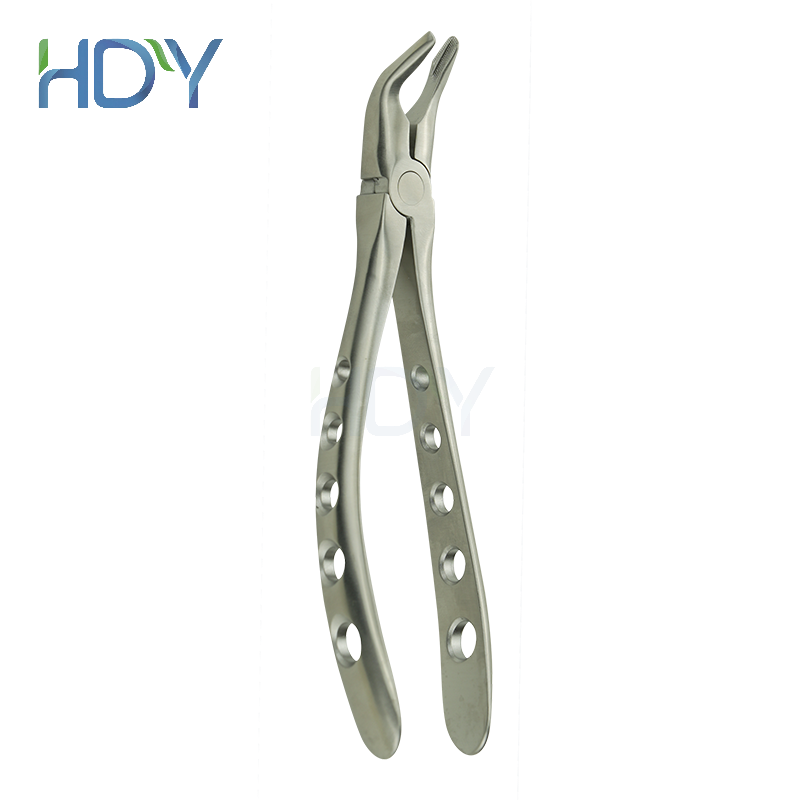
BYG46 #46L Root Forceps
Serrated Mandibular Root Forceps
For narrow or retained root fragments, root-specific forceps may provide more appropriate access than conventional extraction forceps.
The HDY BYG46 #46L Root Forceps is designed for mandibular residual root extraction and features a serrated beak for controlled root engagement.
Step 4: Engage the Root Fragment
Once adequate access has been established, the clinician can select an instrument that matches the remaining root.
The serrated working end of a suitable root forceps can provide a defined contact surface for appropriate root fragments.
Controlled Engagement
The objective is stable engagement rather than maximum gripping force.
- Match instrument geometry to root anatomy.
- Establish appropriate working access.
- Maintain controlled instrument positioning.
- Reassess if the root does not respond as expected.
Remove the Root Along the Path of Least Resistance
Controlled movement should follow the anatomy and available path of removal.
“What is preventing this root from moving?”
The answer may involve inadequate access, root curvature, surrounding bone, an unfavorable purchase point, or another anatomical limitation.
When the Root Does Not Move
Resistance should trigger reassessment rather than simply increasing force.
Improve Visualization
Reassess the available access and visibility of the retained root.
Improve Access
Consider whether additional access is required for controlled engagement.
Reconsider Purchase
A different purchase point may provide more appropriate instrument engagement.
Reassess Root Anatomy
Root curvature, surrounding bone, or other anatomical factors may be limiting movement.
Consider Root Sectioning
Where clinically appropriate, sectioning may provide another controlled pathway for removal.
Change the Approach
Difficult cases may require a different surgical approach based on the individual anatomy.
The “Groove” Philosophy in One Sentence
For difficult broken roots, create access before increasing force.
A controlled groove or purchase point can provide the foundation for secure instrument engagement and predictable root removal.
The objective is not to force the root out. The objective is to make the root removable through better access, better engagement, and better control.
Why Instrument Geometry Matters
A root fragment can be small, deeply positioned, curved, or difficult to visualize. For this reason, the geometry of the working end matters.
- Appropriate access to the remaining root
- Stable working-end engagement
- Controlled force transmission
- Adequate visibility
- Ergonomic handling
- Reliable mechanical performance
HDY Root Forceps
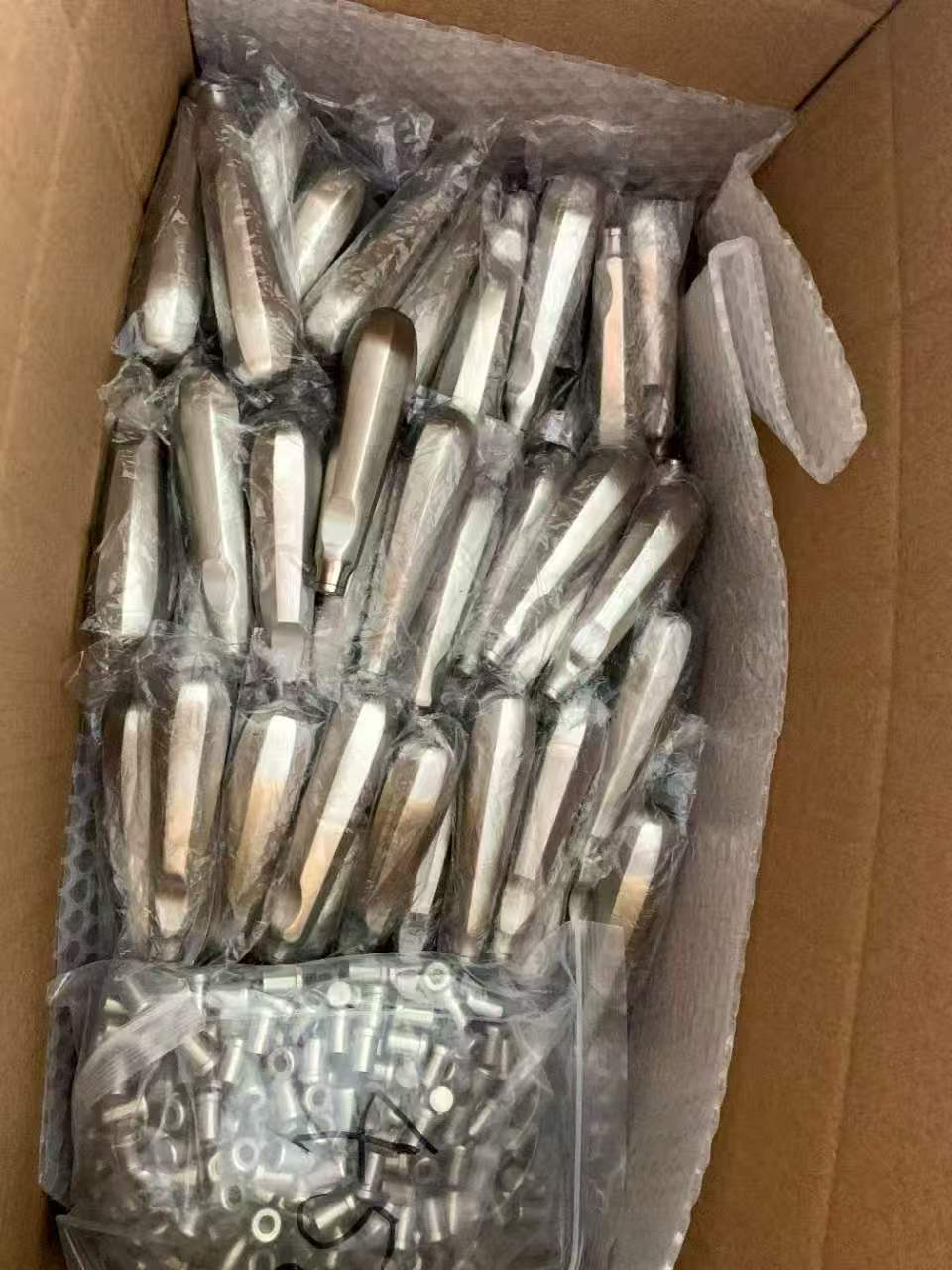
HDY's BYG46 #46L Root Forceps features a serrated beak, ergonomic handle design, medical-grade stainless steel construction, and an autoclavable design for professional dental applications.
Explore Root ForcepsBroken Root Extraction: Access Before Force
The “Groove” philosophy focuses on controlled access, stable purchase, appropriate engagement, and predictable removal.
Professional Root Extraction Instruments
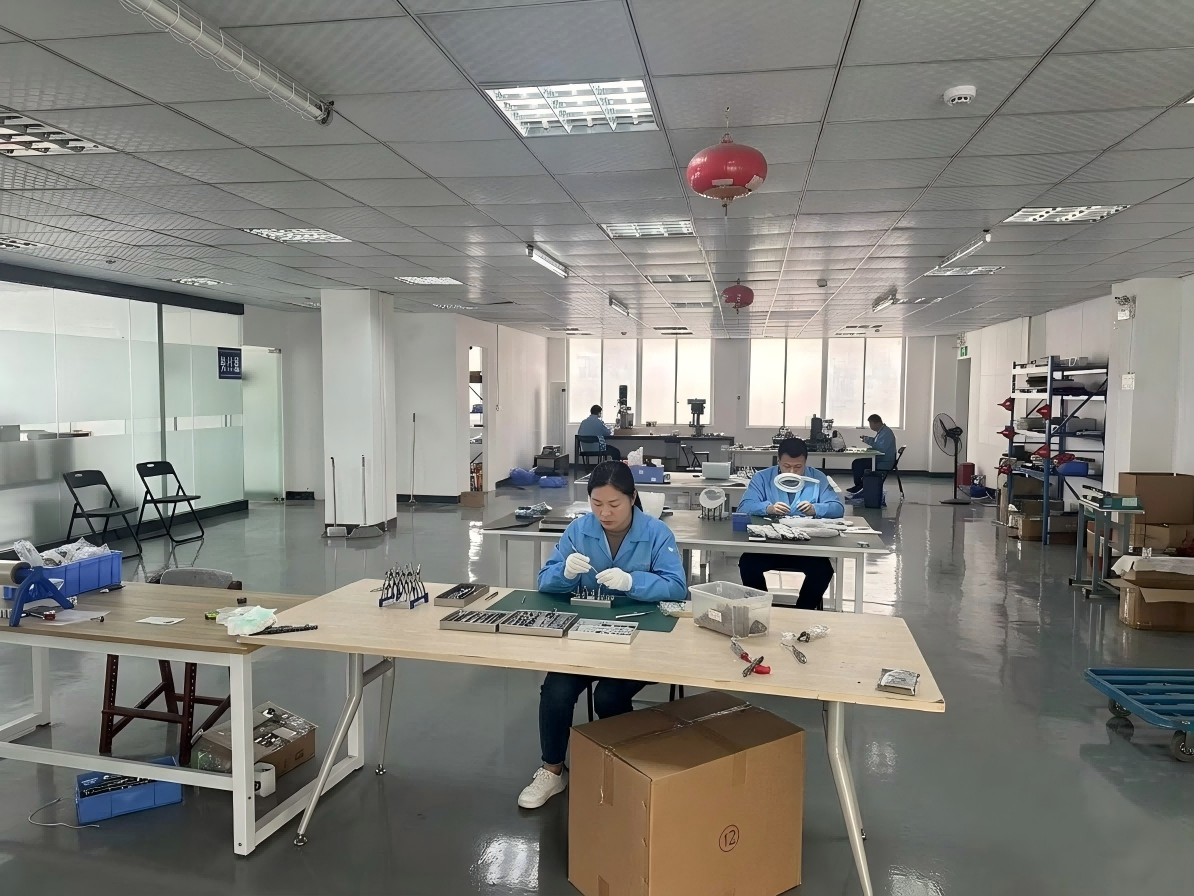
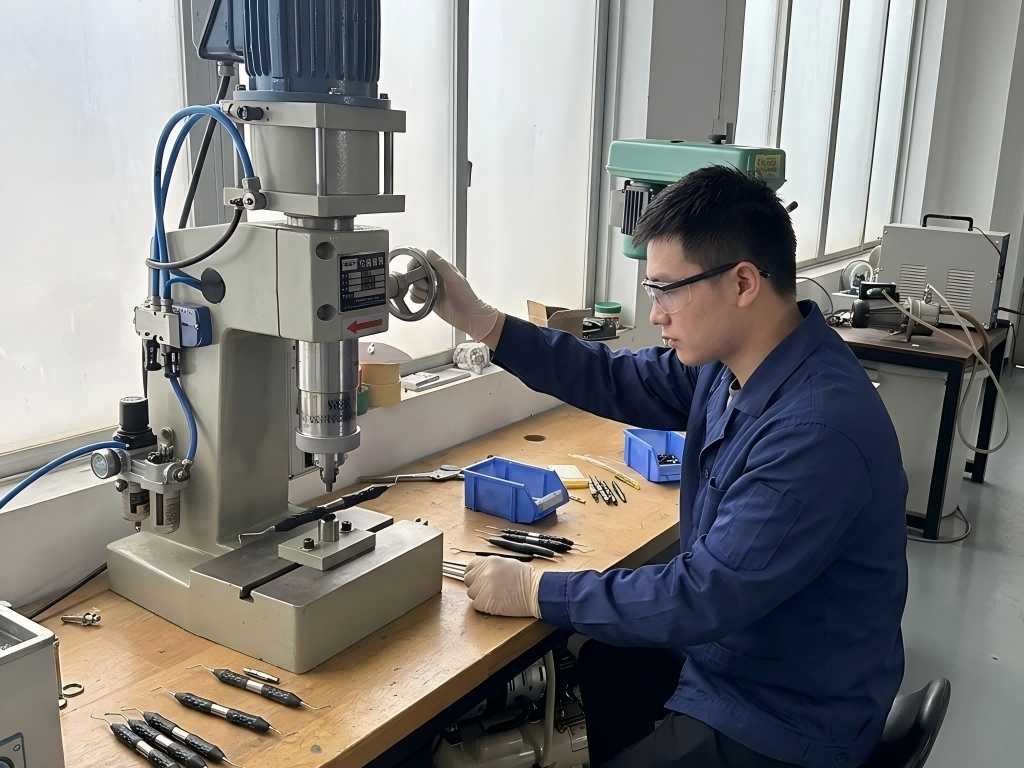
HDY Medical Technology manufactures professional dental surgical instruments for dental clinics, hospitals, distributors, and dental brands.
Explore Dental Surgical InstrumentsThis content is intended for professional dental education and product information. Clinical decisions, surgical techniques, and instrument selection should be determined by qualified dental professionals according to the individual case and applicable clinical standards.

 English
 简体中文
 Español
 Deutsch
 Français
 العربية