
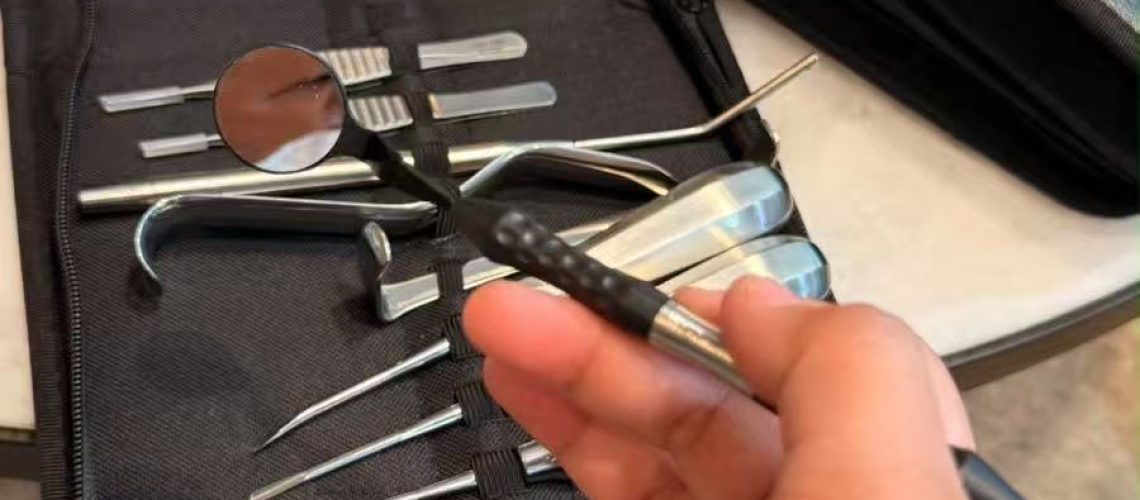
Top 10 Essential Dental Instruments for Every Clinic: Basic Dental Instruments for Beginners
Learn the essential small dental instruments, basic dental hand instruments, examination tools, periodontal instruments, cleaning instruments, and restorative instruments commonly used in modern dental clinics.
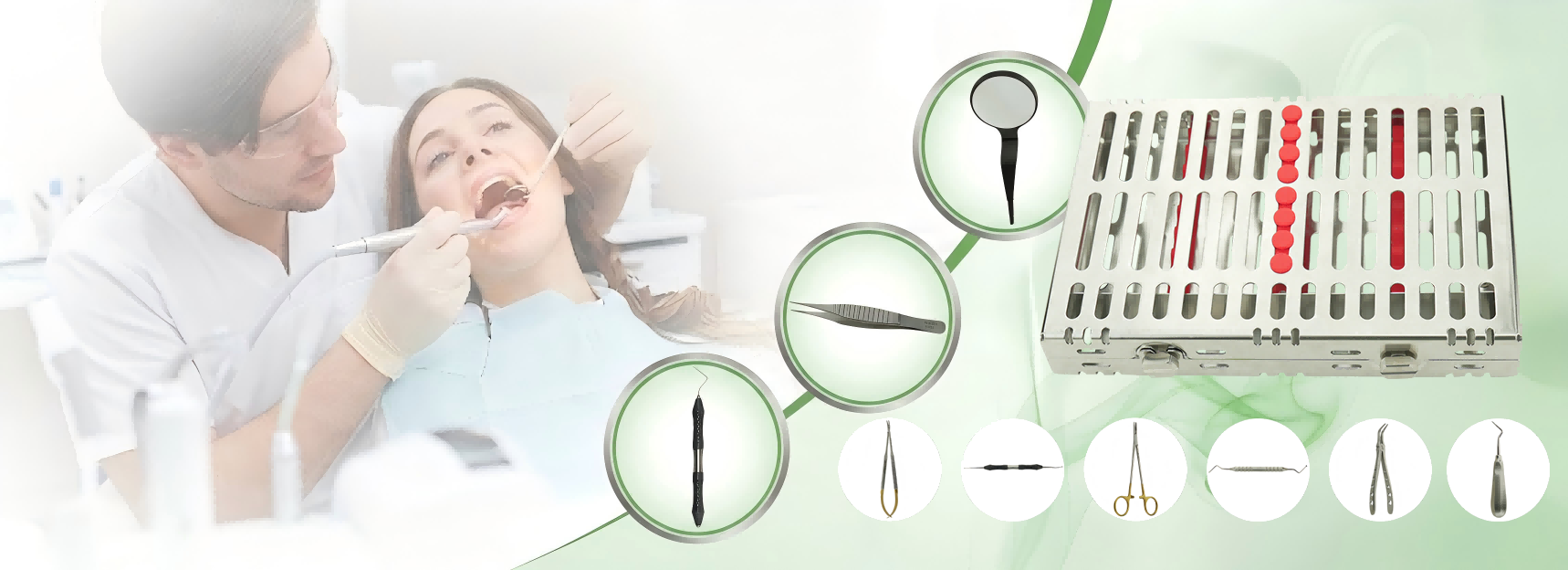
When setting up a dental clinic, selecting the right instruments is one of the most important steps in creating an efficient and professional clinical workflow. From routine examinations and preventive care to restorative and periodontal procedures, dentists rely on a wide range of small dental hand instruments every day.
For beginners, understanding the most commonly used basic dental instruments is a practical starting point. These instruments typically consist of a handle, shank, and working end, with each component designed for specific clinical applications.
In this guide, we introduce the Top 10 Essential Dental Instruments for Every Clinic, including basic examination instruments, cleaning instruments, periodontal instruments, and restorative hand instruments.
Table of Contents
- What Are Small Dental Instruments?
- Top 10 Essential Dental Instruments
- 1. Mouth Mirror
- 2. Dental Explorer
- 3. Periodontal Probe
- 4. College Pliers
- 5. Dental Scaler
- 6. Dental Curette
- 7. Dental Excavator
- 8. Dental Carver
- 9. Dental Filling Instrument
- 10. Dental Condenser / Plugger
- Basic Dental Instruments Commonly Used by Dentists
- Dental Instruments Packet
- How to Choose Small Dental Hand Instruments
- Basic Dental Instruments for Beginners
- Why Dental Instrument Quality Matters
- Dental Instruments Manufacturer for Clinics and Distributors
- Frequently Asked Questions
What Are Small Dental Instruments?
Small dental instruments are handheld instruments designed for examination, diagnosis, cleaning, treatment, and restoration of teeth and surrounding oral tissues.
A typical dental hand instrument consists of three main parts:
- Handle – Provides a comfortable and secure grip.
- Shank – Connects the handle to the working end.
- Working End – Performs the specific clinical function.
Depending on the application, dental instruments can be manufactured from stainless steel and other medical-grade materials. High-quality instruments should provide appropriate strength, corrosion resistance, precision, and compatibility with standard sterilization procedures.
For dental clinics, having the right combination of basic dental instruments can help dentists perform routine procedures efficiently and consistently.
Top 10 Essential Dental Instruments
Dental clinics use many different types of hand instruments depending on their clinical specialties and treatment requirements. However, a core group of examination, periodontal, cleaning, and restorative instruments is commonly found in general dental practices.

1. Mouth Mirror
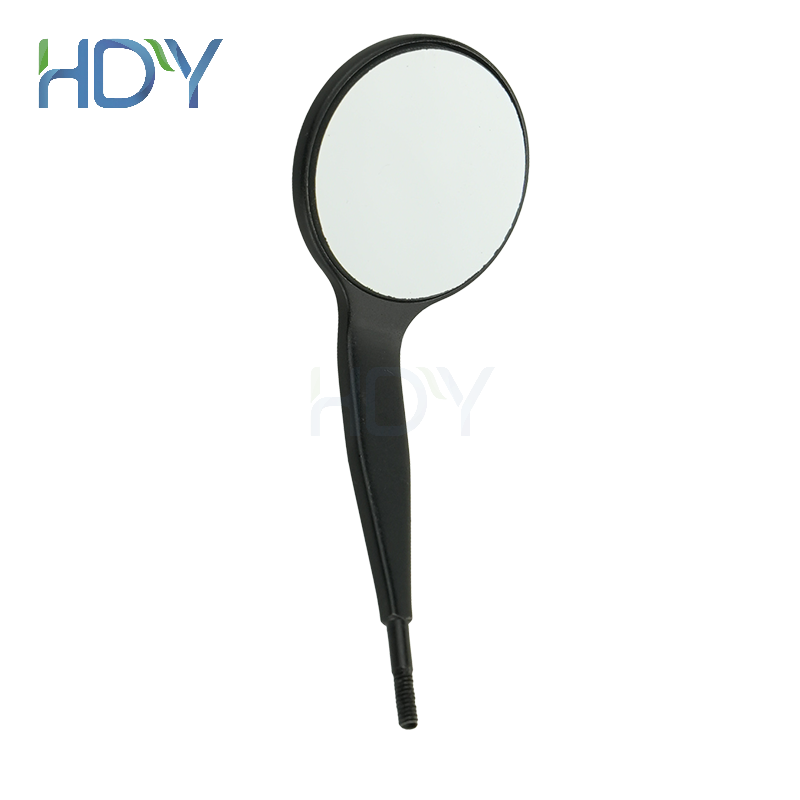
The mouth mirror is one of the most basic and frequently used dental instruments in almost every dental clinic.
It consists of a small round mirror attached to a handle. Dentists use it to obtain an indirect view of areas that are difficult to see directly.
- Viewing hard-to-reach areas of the mouth
- Examining tooth surfaces
- Retracting the cheek and tongue
- Improving visibility during dental procedures
- Reflecting light onto oral structures
For beginners learning about basic dental instruments, the mouth mirror is one of the first instruments to understand.
Explore HDY's Dental Mirrors and Dental Mirror Handles .
2. Dental Explorer
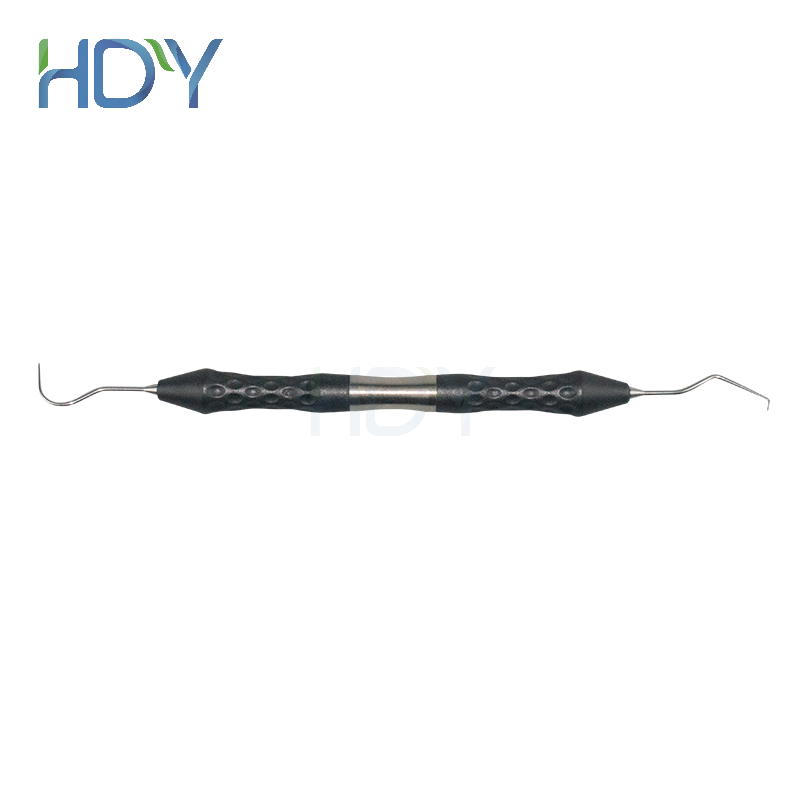
A dental explorer is a thin, precision dental hand instrument with a pointed working end.
It is primarily used during dental examination to assess tooth surfaces and identify irregularities.
- Examine tooth surfaces
- Identify grooves and pits
- Detect irregularities
- Assess restoration margins
- Examine areas that require further diagnostic evaluation
Different explorer designs are available for different clinical applications. A precision-machined working end is important for achieving the intended clinical performance.
HDY provides a range of Dental Explorers for professional dental diagnostic applications.
3. Periodontal Probe
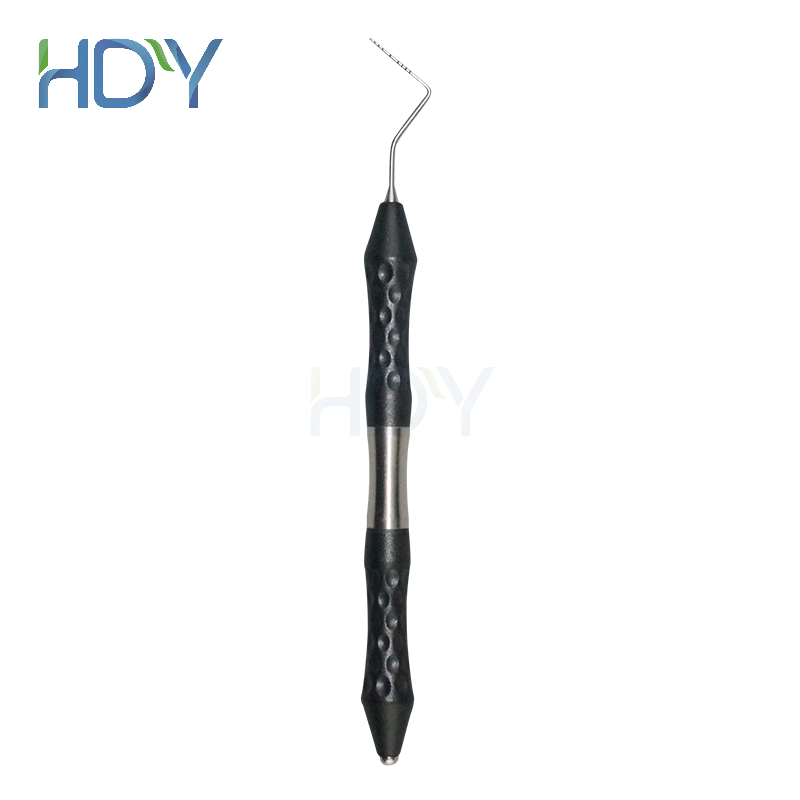
The periodontal probe is a slender dental instrument featuring measurement markings along the working end.
It is commonly used to evaluate periodontal tissues and measure the depth of gingival sulci or periodontal pockets.
- Measuring periodontal pocket depth
- Assessing gingival conditions
- Recording periodontal measurements
- Supporting periodontal examinations
- Monitoring periodontal conditions over time
Because periodontal assessment is an important part of routine dental care, the periodontal probe is an essential component of many dental instrument sets.
View the HDY Periodontal Probes collection for different probe configurations and measurement designs.
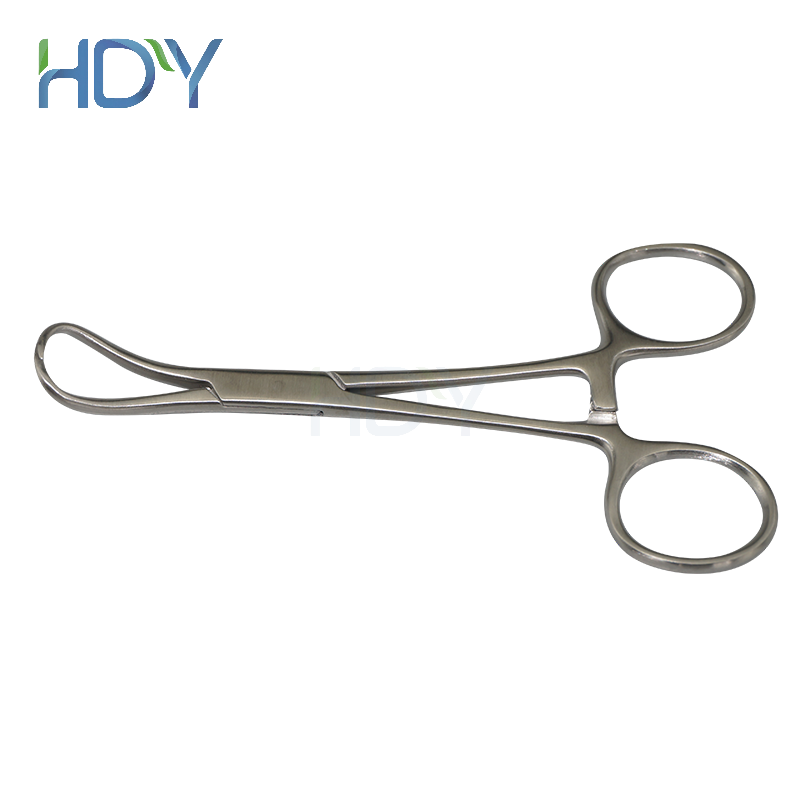
4. College Pliers
College pliers, also called dental cotton pliers or dental tweezers in some contexts, are small handheld instruments with angled or precision tips.
They are designed for handling small materials and items inside the oral cavity.
- Placing cotton pellets
- Handling small dental materials
- Retrieving small items
- Positioning materials during treatment
- General chairside procedures
Their lightweight design and angled tips provide dentists with better access to areas inside the mouth.
For dental instrument organization, HDY also supplies Dental Cassettes designed for instrument storage, sterilization, and clinical organization.
Cleaning and Treatment Instruments
In addition to examination instruments, dental clinics require specialized hand instruments for plaque, calculus removal, caries removal, and restorative procedures.
These instruments form an important part of a professional dental instruments packet and can be selected according to the procedures performed by each clinic.
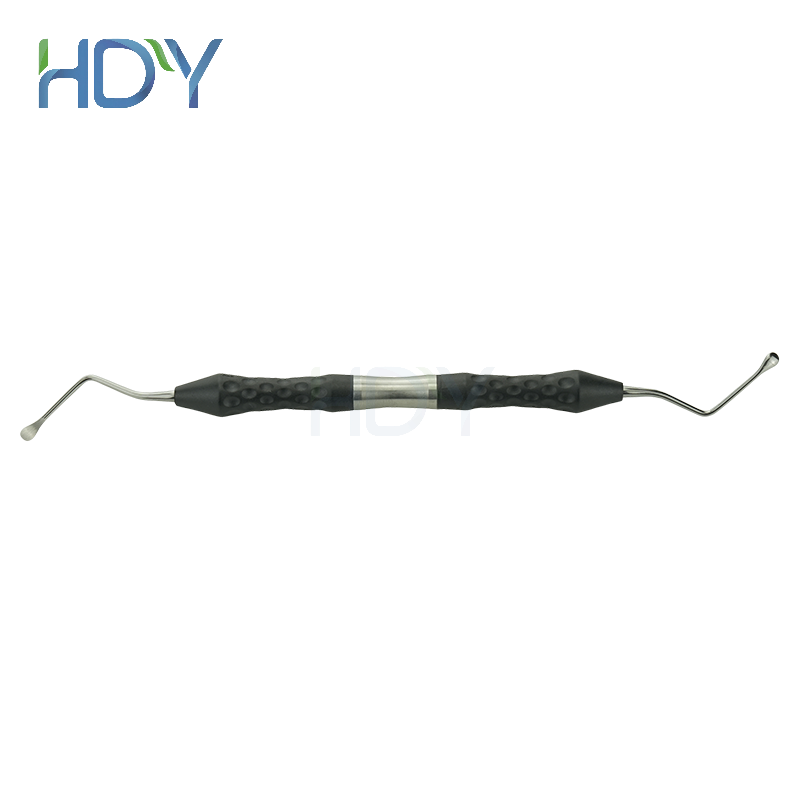
5. Dental Scaler
A dental scaler is a hand instrument designed for removing deposits such as calculus and plaque from tooth surfaces.
Scalers generally feature a pointed working end designed for specific supragingival applications.
- Removing calculus
- Removing deposits from tooth surfaces
- Supporting professional dental cleaning
- Cleaning areas around the teeth
- Maintaining oral hygiene during preventive treatment
Different scaler designs are available for different tooth surfaces and clinical requirements.
When selecting a scaler, clinics should consider factors such as working-end geometry, handle design, material quality, surface finish, and sterilization compatibility.
6. Dental Curette
A dental curette is another important instrument used in periodontal procedures.
Unlike a pointed scaler, a curette typically has a rounded working end and is designed for periodontal debridement and cleaning applications.
- Removing calculus
- Cleaning periodontal pockets
- Removing plaque and deposits
- Periodontal debridement
- Supporting non-surgical periodontal treatment
Dental curettes are available in different designs, including area-specific and universal configurations.
For professional dental clinics, selecting the appropriate curette design can improve instrument versatility across different periodontal procedures.
HDY's Surgical Curettes provide another option within the company's broader professional dental instrument portfolio.
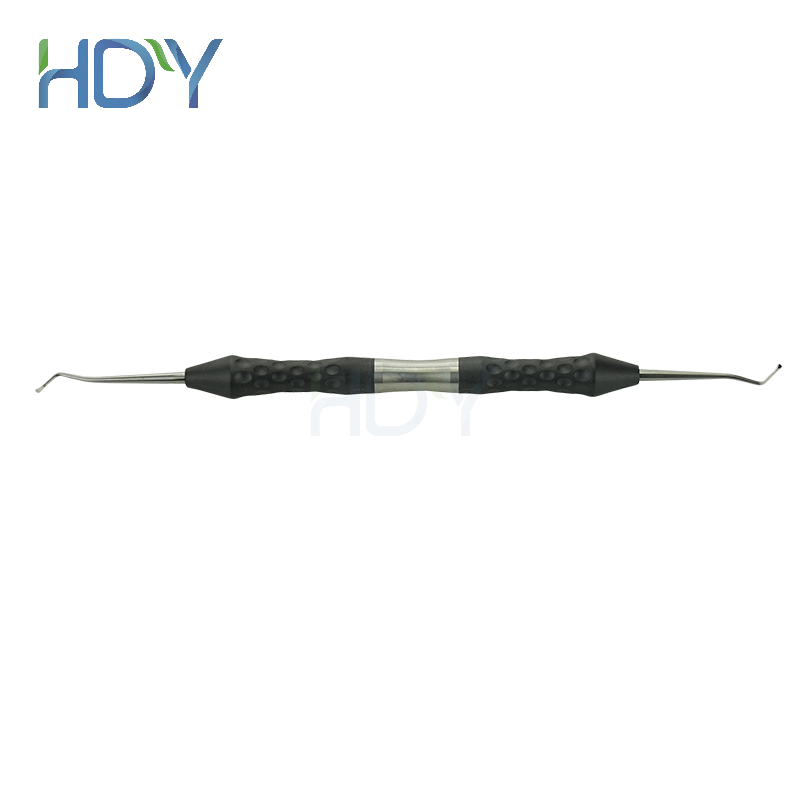
7. Dental Excavator
The dental excavator is a small hand instrument with a spoon-shaped or similarly designed working end.
It is commonly associated with removing softened carious dentin during restorative procedures.
- Removing softened carious dentin
- Cleaning a prepared cavity
- Removing temporary restorative materials
- Accessing difficult areas within a cavity
- Supporting conservative restorative procedures
The working-end shape and size can vary depending on the intended application.
For dentists and dental students learning basic dental instruments for beginners, understanding the function of the dental excavator is particularly important because it is frequently included in restorative instrument sets.
Read more about Dental Excavator Instrument Function and explore HDY's Dental Excavators .
8. Dental Carver
A dental carver is a restorative hand instrument used for shaping and contouring dental restorative materials.
Different carver designs provide different working-end shapes for specific restorative procedures.
- Shaping restorative materials
- Contouring restorations
- Removing excess material
- Creating anatomical features
- Refining restoration surfaces
The design of the working end allows dentists to perform controlled shaping during restorative procedures.
HDY's Operative Dental Instruments category includes instruments designed for restorative treatments, cavity preparation, and composite placement.
9. Dental Filling Instrument
A dental filling instrument is designed to carry, place, adapt, or manipulate restorative materials during restorative procedures.
Depending on the instrument design, the working end may be suitable for different restorative materials and cavity configurations.
- Carrying restorative materials
- Placing materials into prepared cavities
- Adapting restorative materials
- Supporting cavity restoration
- Improving material placement efficiency
For dental clinics, filling instruments are often included in comprehensive dental instrument packets or restorative instrument kits.
Explore HDY's Composite Instruments for additional restorative hand instrument solutions.
10. Dental Condenser / Plugger
A dental condenser, also known as a plugger in certain applications, is a hand instrument used to condense or adapt restorative materials.
The working end is generally designed to apply controlled pressure to the material.
- Condensing restorative materials
- Adapting materials inside a cavity
- Supporting restoration procedures
- Improving material adaptation
- Working in specific cavity areas
Different working-end shapes and sizes allow dental professionals to select instruments according to the procedure and tooth anatomy.
HDY provides professional Dental Pluggers as part of its endodontic and restorative instrument portfolio.
Basic Dental Instruments Commonly Used by Dentists
For beginners, it can be helpful to divide dental instruments into several functional categories.
| Instrument | Main Function |
|---|---|
| Mouth Mirror | Examination and indirect vision |
| Dental Explorer | Examination of tooth surfaces |
| Periodontal Probe | Periodontal measurements |
| College Pliers | Handling small materials |
| Dental Scaler | Removing calculus and deposits |
| Dental Curette | Periodontal cleaning |
| Dental Excavator | Removing softened carious dentin |
| Dental Carver | Shaping restorative materials |
| Filling Instrument | Placing and adapting restorative materials |
| Condenser / Plugger | Condensing restorative materials |
This basic classification makes it easier for dental students, new clinics, distributors, and purchasing teams to understand the role of each instrument.
Dental Instruments Packet: What Should It Include?
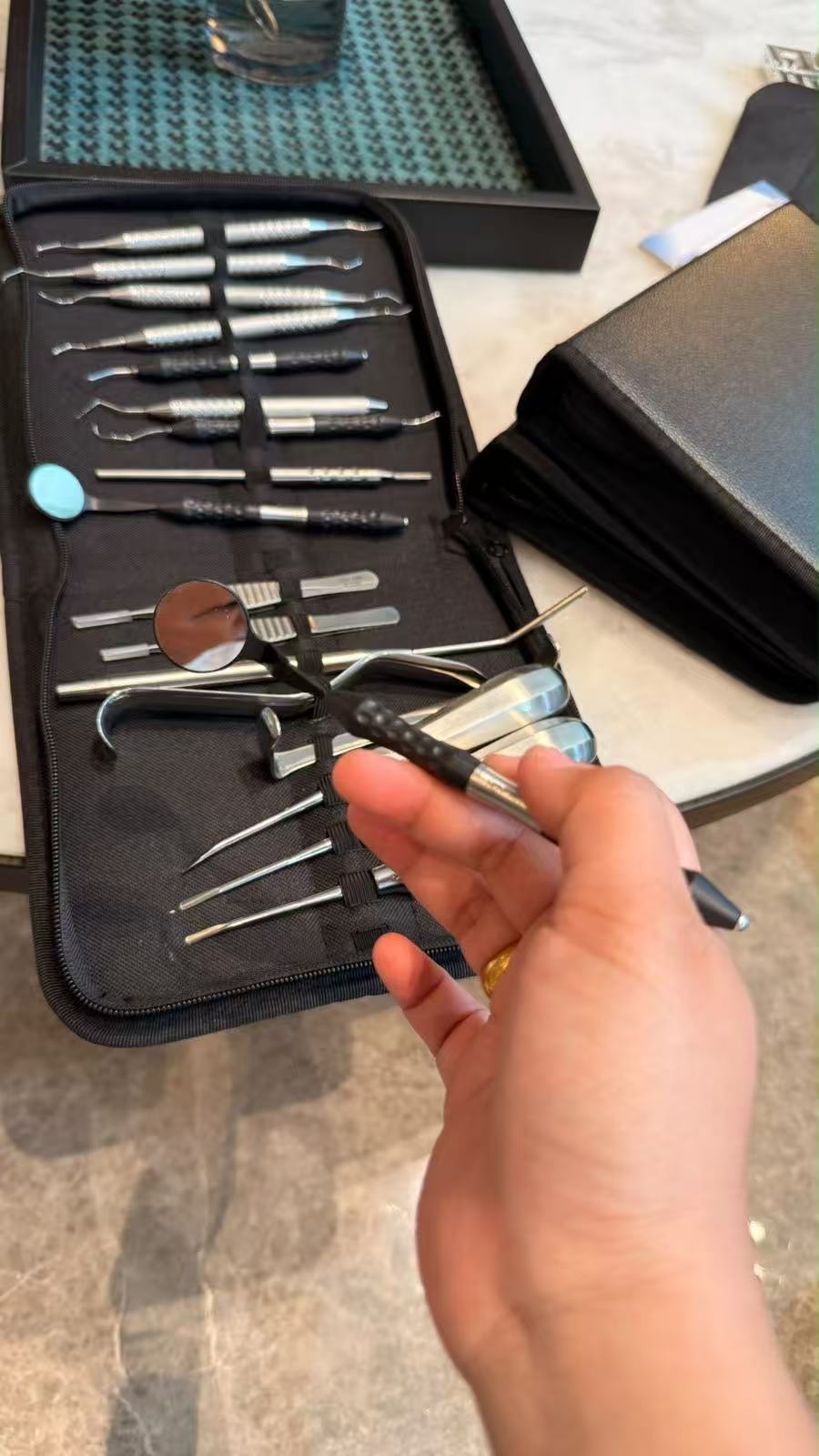
A dental instruments packet or basic dental instrument set can combine several frequently used instruments into one standardized package.
A basic examination and treatment packet may include:
- Mouth mirror
- Dental explorer
- Periodontal probe
- College pliers
- Dental scaler
- Dental curette
- Dental excavator
- Dental carver
- Filling instrument
- Condenser or plugger
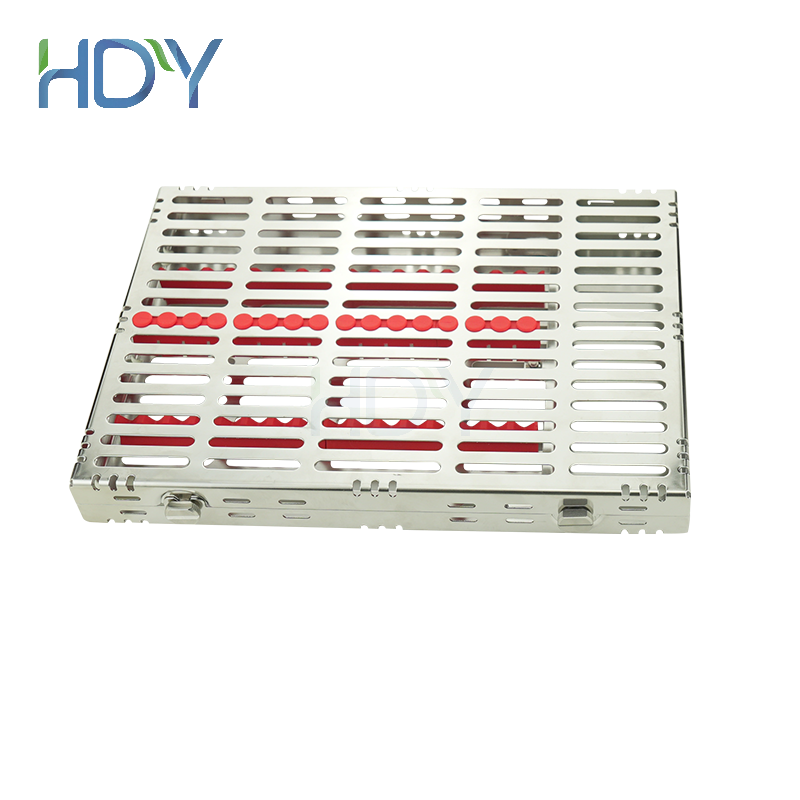
The exact configuration should depend on the intended clinical procedures and the requirements of the dental practice.
For dental schools and training centers, standardized instrument packets can also make it easier for students to learn the names, structures, and applications of commonly used dental hand instruments.
For clinics and distributors looking for instrument organization solutions, see HDY's Dental Cassettes .
How to Choose Small Dental Hand Instruments
Choosing the right small dental hand instruments involves more than simply selecting the lowest-cost option.
Dental professionals and distributors should consider several factors.
1. Material Quality
Dental hand instruments are commonly manufactured from stainless steel or other suitable medical-grade materials.
Material selection can influence:
- Corrosion resistance
- Mechanical strength
- Surface finish
- Durability
- Sterilization performance
2. Working-End Precision
The working end is one of the most important parts of a dental instrument.
For instruments such as explorers, probes, curettes, excavators, and scalers, accurate working-end geometry is important for achieving the intended application.
Precision manufacturing can help maintain consistency between instruments.
3. Handle Design
A well-designed handle should provide a secure and comfortable grip.
Ergonomic considerations can be particularly important for professionals who use hand instruments repeatedly throughout the working day.
4. Surface Finish
A smooth and well-finished instrument surface can contribute to easier cleaning and maintenance.
For reusable dental instruments, the surface should be compatible with the clinic's established cleaning, disinfection, and sterilization procedures.
5. Sterilization Compatibility
Reusable dental instruments must be processed according to the manufacturer's instructions and the applicable infection-control requirements.
Before purchasing dental instruments, clinics should verify that the instruments are suitable for the intended cleaning and sterilization process.
Basic Dental Instruments for Beginners
For dental students and beginners, learning the names of instruments is only the first step.
A useful approach is to learn each instrument through three questions:
For example:
| Instrument | Clinical Concept |
|---|---|
| Mouth Mirror | Examination → Viewing and retraction |
| Periodontal Probe | Periodontal Assessment → Measuring periodontal pockets |
| Scaler | Dental Cleaning → Removing calculus |
| Curette | Periodontal Treatment → Subgingival debridement |
| Excavator | Restorative Treatment → Removing softened carious dentin |
| Carver | Restoration → Shaping restorative material |
This approach helps beginners remember instruments more effectively than simply memorizing their names.
Why Dental Instrument Quality Matters
Dental hand instruments are small, but they play an important role in everyday clinical procedures.
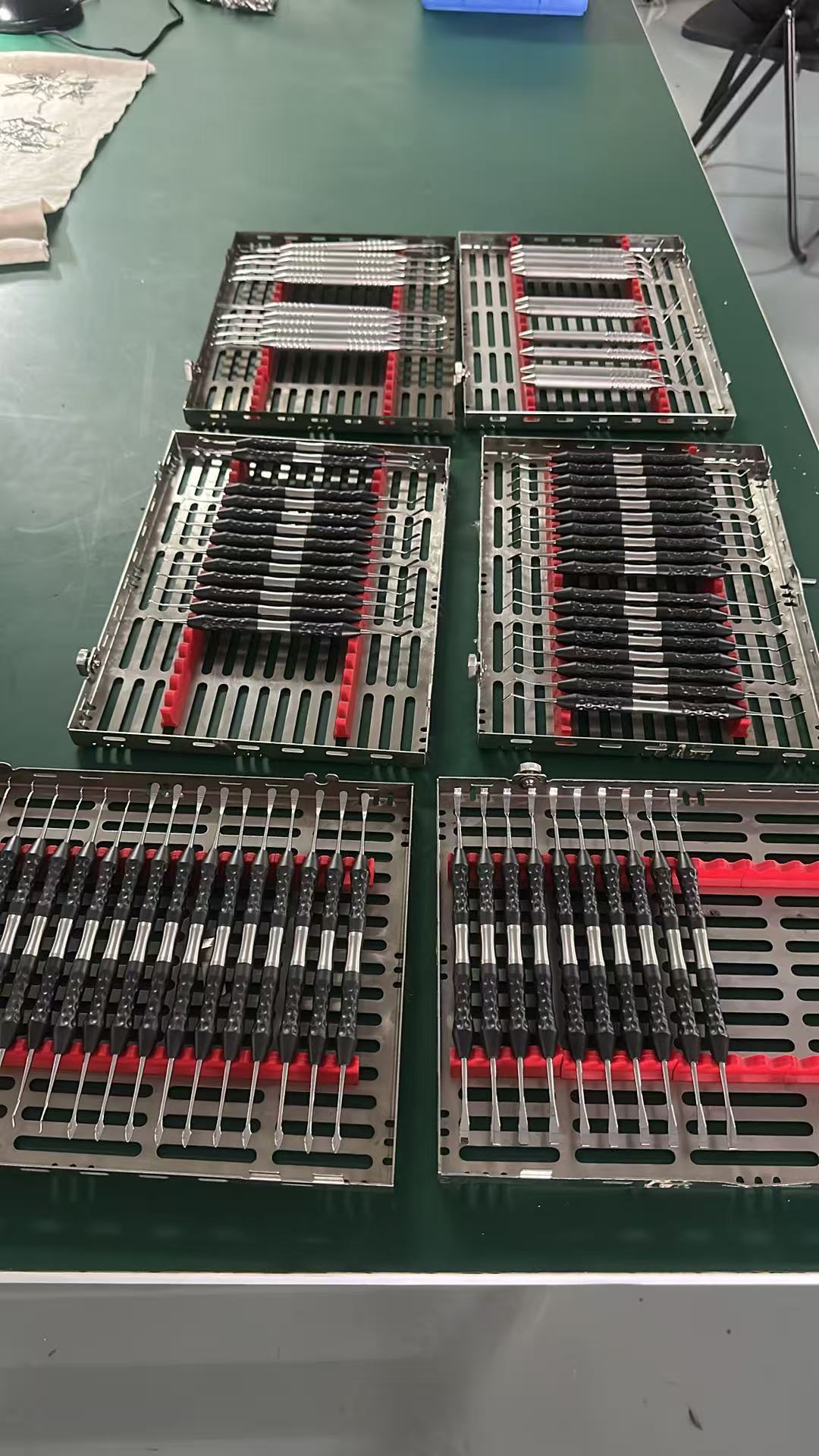
A professional dental instrument manufacturer should pay attention to the entire production process, including:
- Material selection
- Precision machining
- Heat treatment where applicable
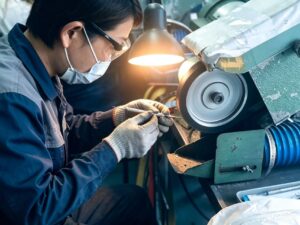
- Grinding and sharpening
- Surface finishing
- Quality inspection
- Cleaning
- Packaging
- Sterilization compatibility
- Final inspection
Consistency is particularly important for dental distributors and healthcare organizations purchasing instruments in larger quantities.
Dental Instruments Manufacturer for Clinics and Distributors
For clinics, dental distributors, hospitals, dental laboratories, and training institutions, working with an experienced dental instruments manufacturer can provide access to a broader range of instruments and customized solutions.
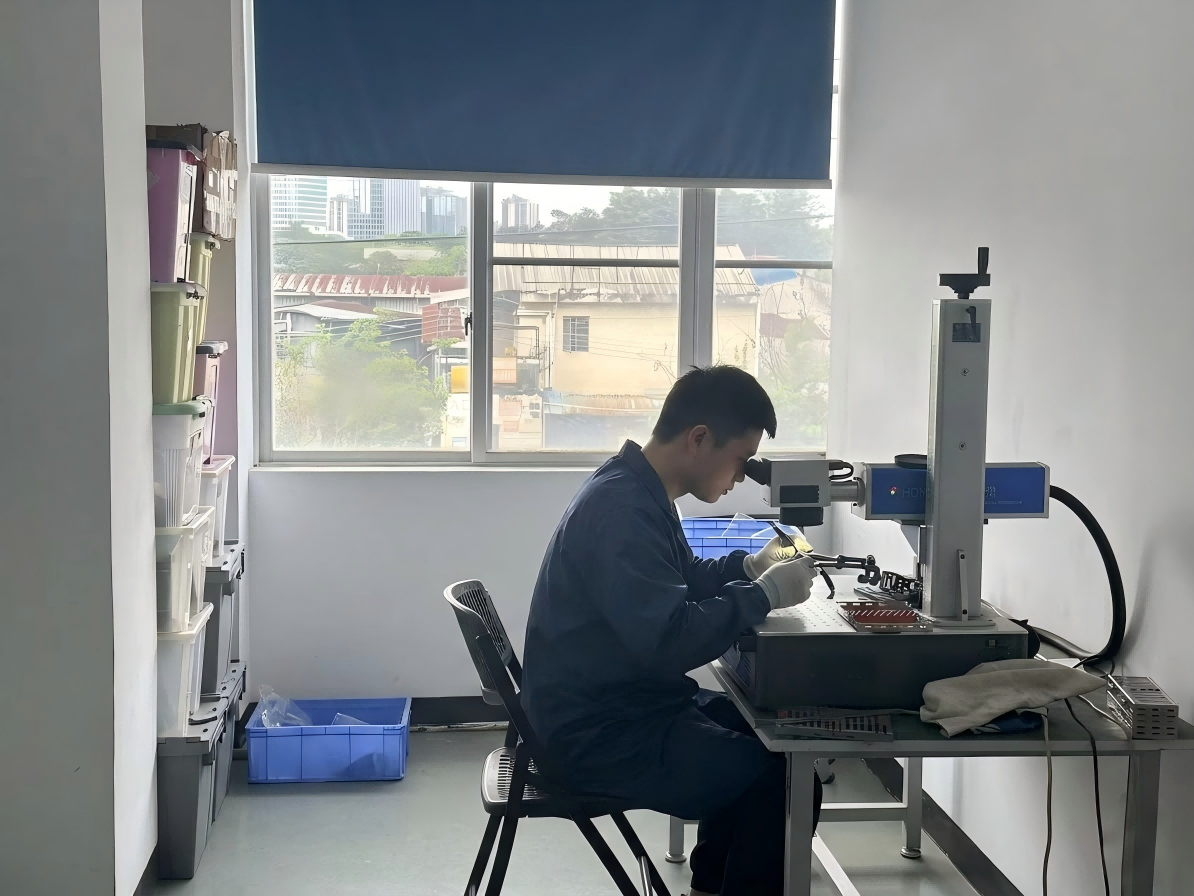
HDY Medical Technology (Guangzhou) Co., Ltd. specializes in dental and oral surgical instruments, covering categories such as examination, periodontal, restorative, implant, and oral surgery instruments.
HDY provides dental instrument solutions for professional buyers looking for consistent manufacturing quality, product customization, OEM services, and ODM cooperation.
The company focuses on independent product design, material selection, precision machining, heat treatment, and surface finishing to produce professional dental hand instruments for international markets.
For distributors and dental organizations, customized instrument sets and dental instruments packets can be developed according to specific product requirements and clinical applications.
Explore the complete HDY Dental Instruments product range.
For customized dental instruments, private-label manufacturing, product modification, packaging, logo marking, and other OEM/ODM requirements, visit the HDY OEM & ODM Dental Instrument service page.
Explore More HDY Dental Instrument Categories
HDY provides a broad range of professional dental instruments for clinics, hospitals, laboratories, distributors, and dental brands.
Frequently Asked Questions About Basic Dental Instruments
What are the basic dental instruments?
Common basic dental instruments include a mouth mirror, dental explorer, periodontal probe, college pliers, scaler, curette, excavator, carver, filling instrument, and condenser or plugger.
What are small dental instruments?
Small dental instruments are handheld tools used for dental examination, cleaning, periodontal treatment, restorative procedures, and other clinical applications. They commonly consist of a handle, shank, and working end.
What dental instruments should beginners learn first?
Beginners should start with basic examination instruments such as the mouth mirror, explorer, periodontal probe, and college pliers, followed by commonly used cleaning and restorative instruments.
What is a dental excavator used for?
A dental excavator is commonly used to remove softened carious dentin and assist with cleaning prepared cavities during restorative procedures.
What is a dental curette used for?
A dental curette is commonly used for periodontal debridement and removal of deposits from periodontal areas, depending on its design and intended application.
What is included in a dental instrument packet?
A basic dental instrument packet may include examination, periodontal, cleaning, and restorative instruments. The exact contents depend on the intended clinical procedures.
Conclusion
Understanding basic dental instruments is essential for dental students, beginners, clinics, distributors, and dental professionals.
From the simple mouth mirror and dental explorer to periodontal probes, scalers, curettes, excavators, and restorative instruments, each small dental hand instrument has a specific design and clinical purpose.
When purchasing dental instruments, buyers should evaluate not only price but also material quality, working-end precision, handle design, surface finish, durability, and sterilization compatibility.
For professional dental clinics and distributors, a reliable dental instruments manufacturer can also provide customized instrument sets, OEM services, and product solutions for different clinical requirements.
If you are looking for professional Dental Instruments, Dental Hand Instruments, Dental Surgical Instruments, or customized Dental Instrument Packets, HDY Medical Technology provides a broad range of dental instrument manufacturing and OEM/ODM solutions for global dental customers.
Looking for a Professional Dental Instruments Manufacturer?
Contact HDY Medical Technology for standard dental instruments, customized dental instrument sets, OEM manufacturing, ODM development, private-label solutions, and dental instrument packets.
Get a Dental Instrument Quote Explore OEM & ODM
 English
  简体中文
简体中文  Español
  Deutsch
  Français