
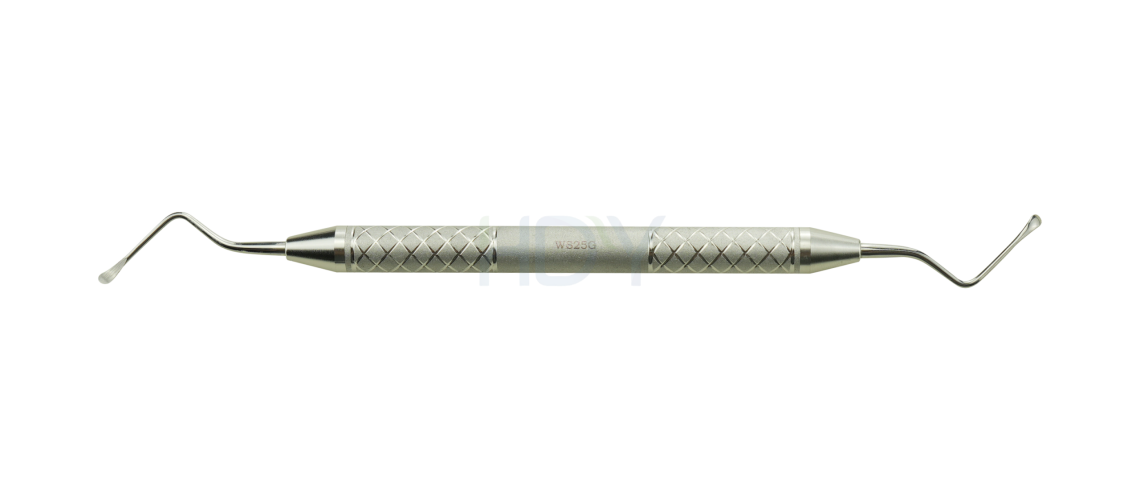
Universal Curette vs Gracey Curette
Understand the key design differences, clinical roles and selection principles for Universal Curettes and Gracey Curettes — then explore the current HDYDENT surgical curette range for oral surgery and debridement.
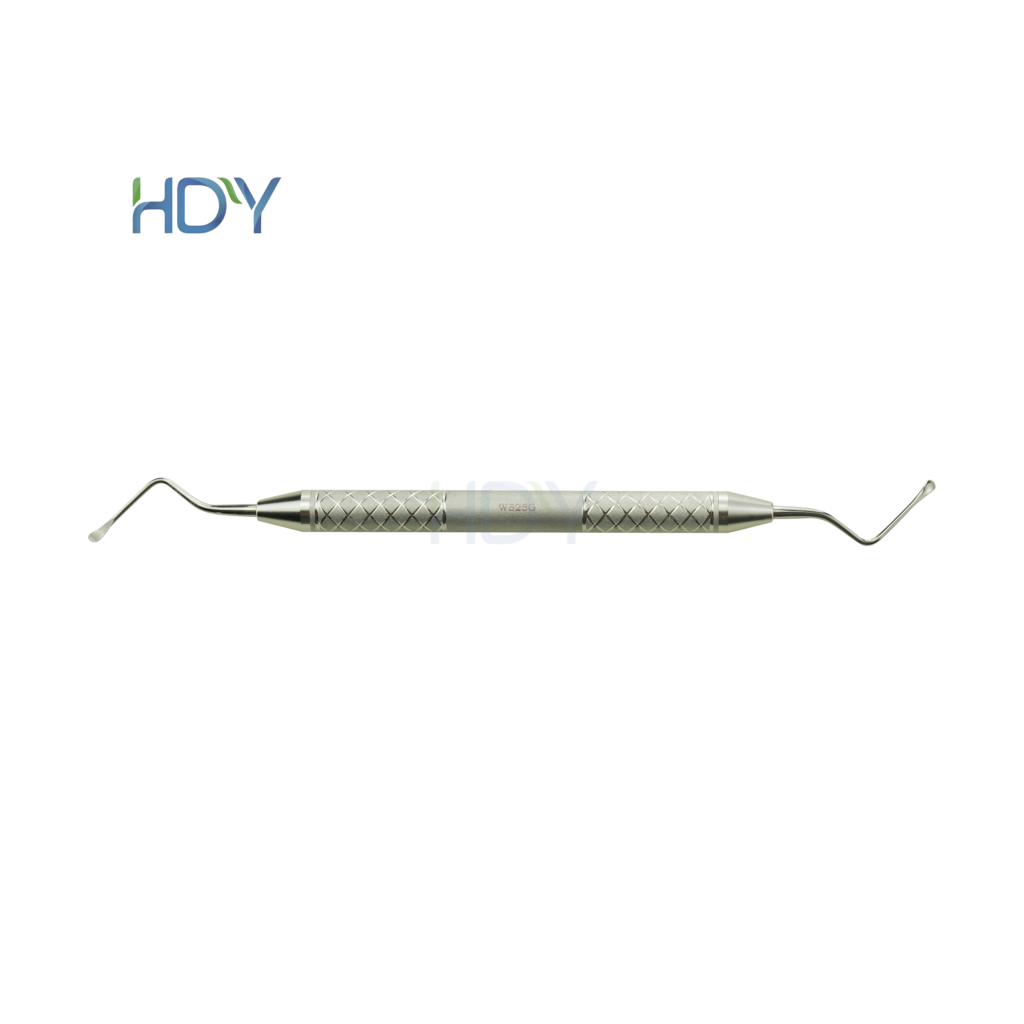
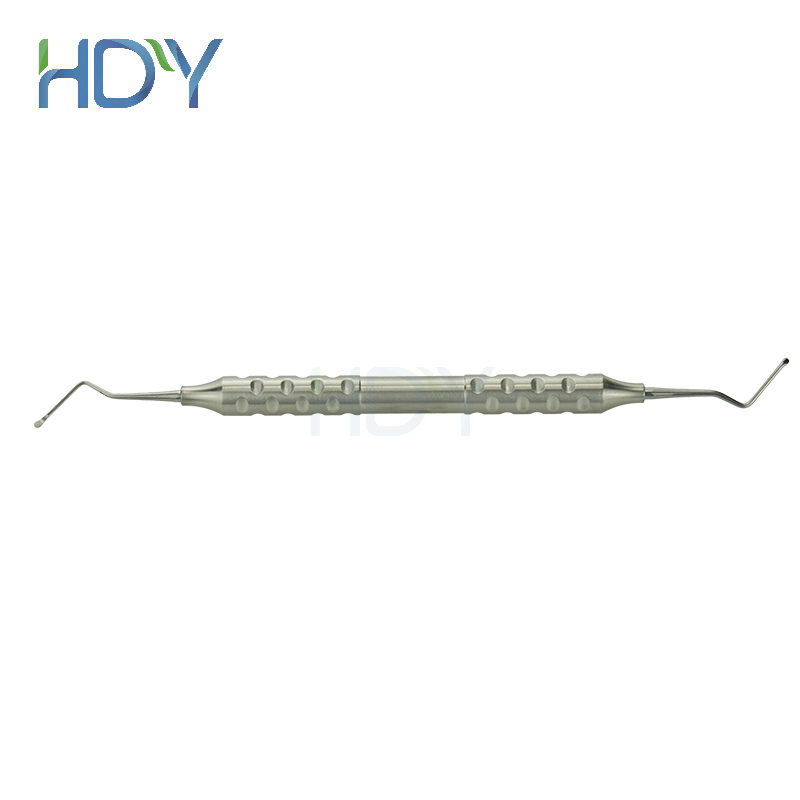
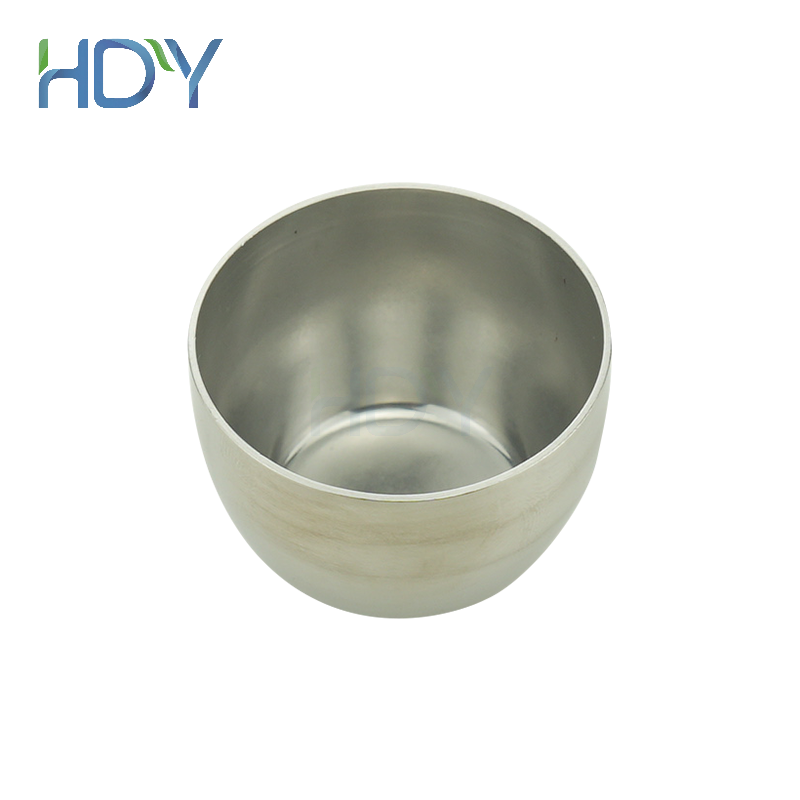
2.5 mm Surgical Curette · Metal Handle
What Is a Dental Curette?
A curette is a hand instrument used in periodontal and surgical procedures to remove deposits, tissue or debris from selected clinical surfaces. In periodontal therapy, curettes are commonly associated with scaling and root planing; in oral surgery, surgical curettes may be used for debridement, extraction-socket cleaning and tissue removal.
Universal Curette vs Gracey Curette: Key Differences
The right choice depends on the tooth surface, clinical access, procedure and the working-end geometry required.
Broad, multi-surface application
Universal curettes are designed to work across multiple tooth surfaces with comparatively less instrument switching.
- Versatile for general periodontal instrumentation
- Useful for supragingival and subgingival calculus removal
- Often practical for routine scaling and general-purpose use
- Can be easier to learn as an all-purpose curette concept
Area-specific periodontal precision
Gracey curettes are designed around specific tooth areas, allowing targeted adaptation during periodontal scaling and root planing.
- Area-specific working-end geometry
- Useful for targeted subgingival instrumentation
- Supports controlled adaptation on selected tooth surfaces
- Particularly useful when access and root anatomy demand precision
| Feature | Universal Curette | Gracey Curette |
|---|---|---|
| Design concept | General-purpose, multi-surface design | Area-specific periodontal design |
| Typical use | General scaling and calculus removal | Targeted scaling and root planing |
| Adaptation | Broad versatility with fewer instrument changes | Selected working-end geometry for specific areas |
| Best suited to | Routine and general periodontal instrumentation | Precision work in defined periodontal areas |
| Instrument selection | Choose according to overall access and calculus distribution | Choose according to tooth/surface and periodontal anatomy |
How to Choose a Curette for Clinical Work
Start with the clinical area
Identify the tooth, surface, pocket depth and access limitations before choosing the working-end geometry.
Match the working end
Use a versatile universal design for broad instrumentation or an area-specific Gracey design when targeted adaptation is preferred.
Prioritize controlled strokes
Use stable, short and controlled movements appropriate to the instrument and the clinical procedure.
Check instrument condition
Inspect the working edge, surface and handle before use. Dull or damaged instruments can reduce control and efficiency.
Follow validated reprocessing
Reusable dental instruments should be cleaned, inspected and sterilized according to the manufacturer's instructions and local infection-control procedures.
Build a complementary set
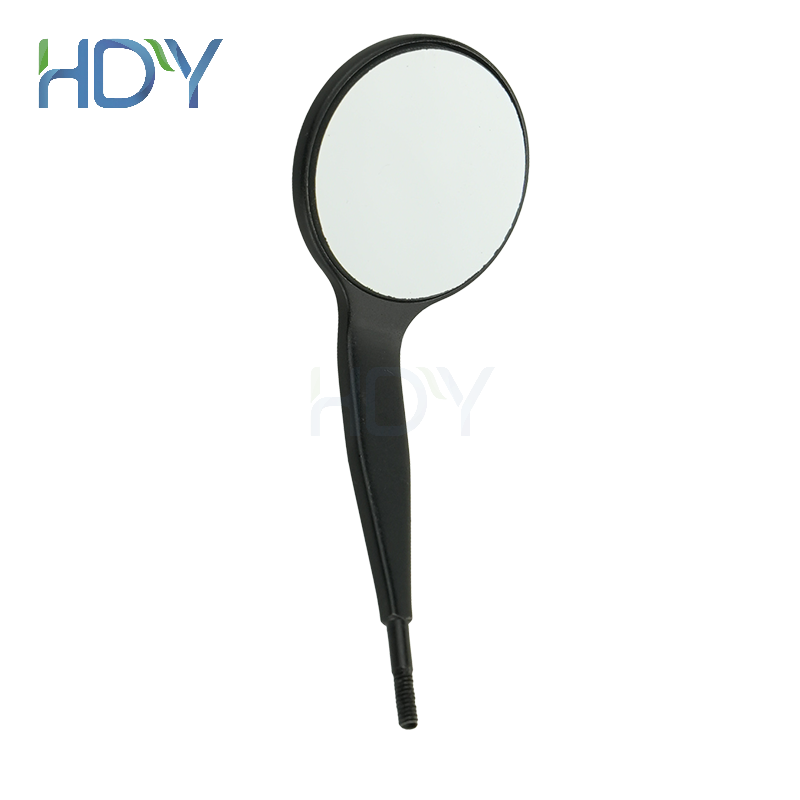
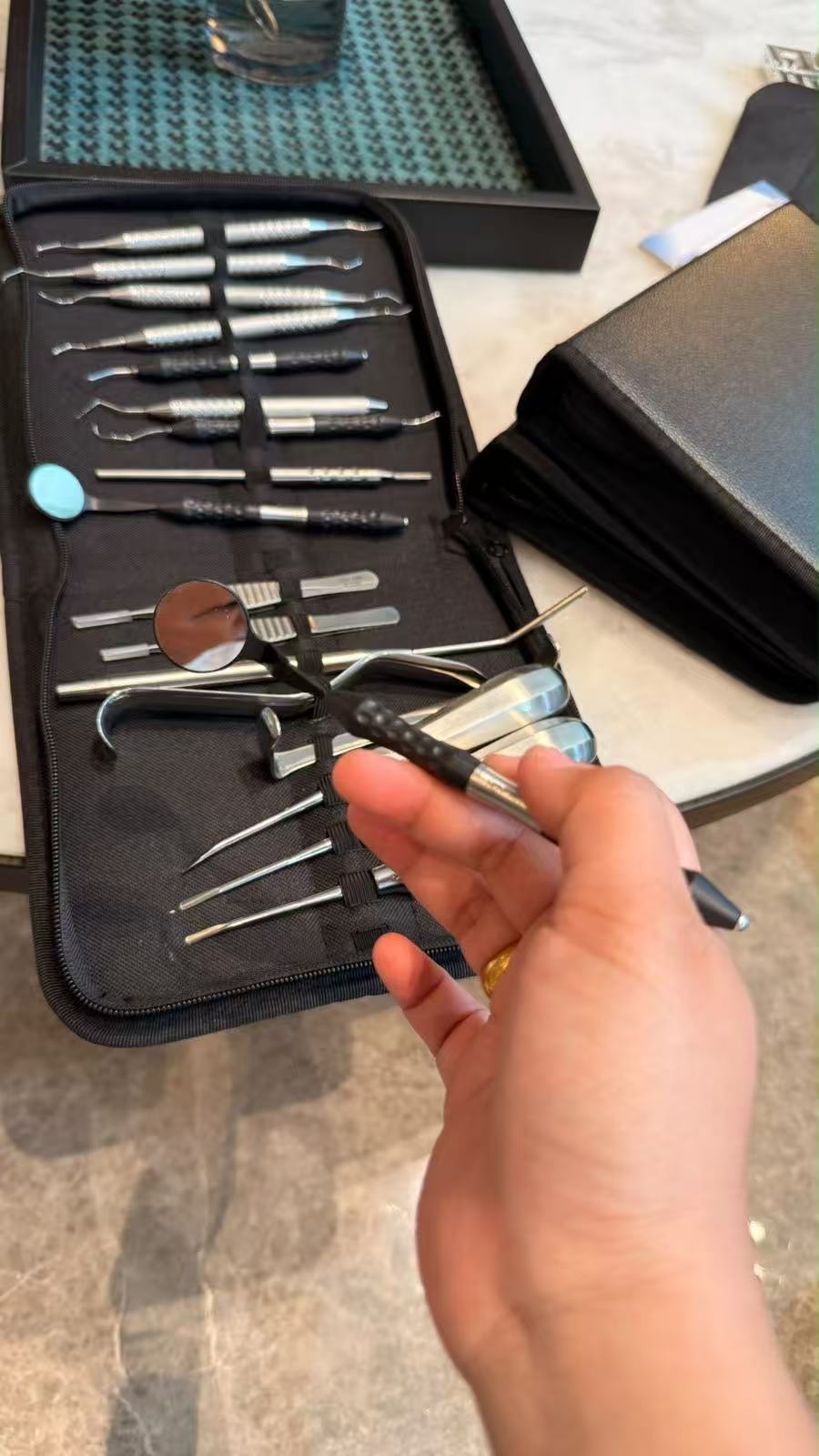
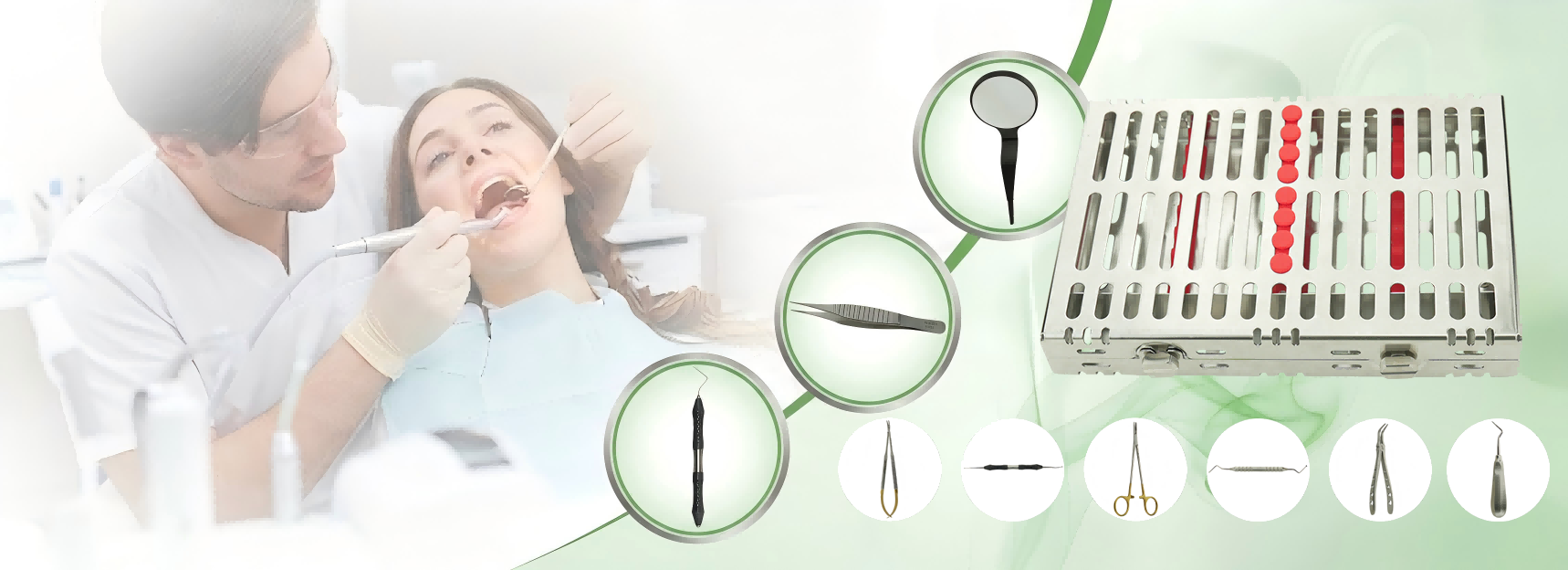
A modern periodontal or surgical setup can combine diagnostic instruments, periodontal curettes, surgical curettes and other procedure-specific tools.
HDYDENT Surgical Curettes
HDYDENT currently publishes a surgical curette range covering 2.0, 2.5, 2.8 and 3.5 mm working diameters, with metal-handle and toothed configurations.
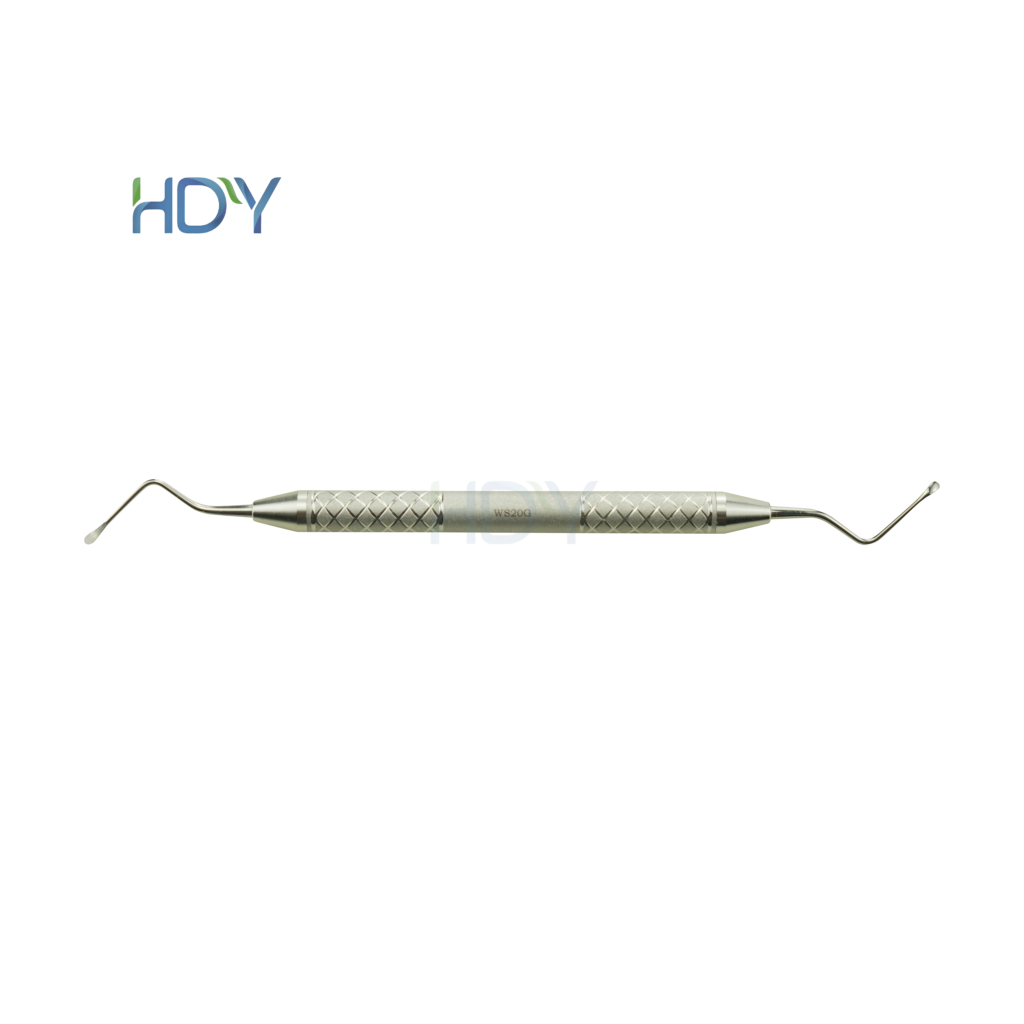
2.0 mm Surgical Curette
Compact working end for oral surgical curettage and debridement applications.
- Diameter: 2.0 mm
- Configuration: Metal-handle curette
- Use: Granulation tissue, infected tissue & debris removal
- Brand: HDYDENT
2.5 mm Surgical Curette
Balanced surgical curette configuration for socket cleaning and surgical debridement.
- Diameter: 2.5 mm
- Handle: Metal handle
- Material: Medical-grade stainless steel
- Sterilization: Fully autoclavable up to 134°C*
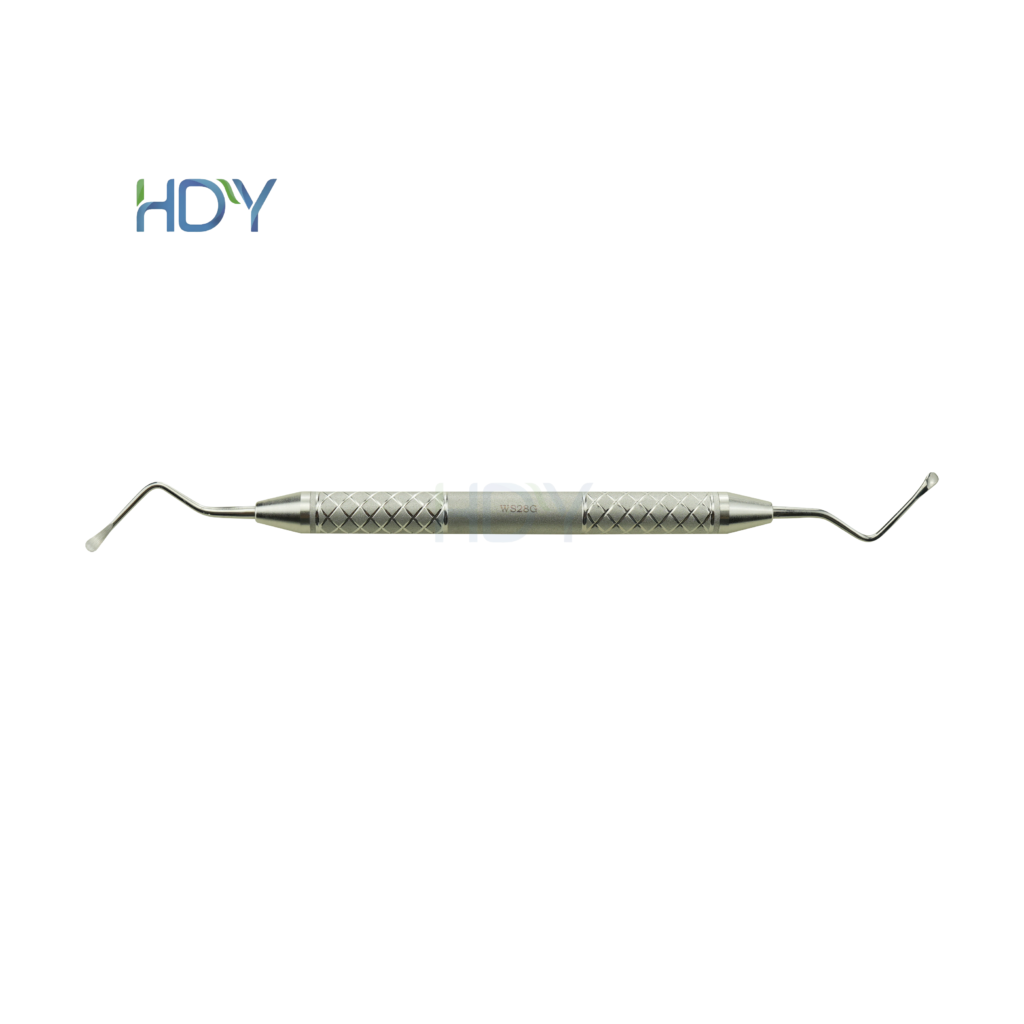
2.8 mm Surgical Curette
Solid metal-handle configuration for stability, control and surgical site management.
- Diameter: 2.8 mm
- Handle: #2 solid metal handle
- Material: Medical-grade stainless steel
- Application: Bone curettage & debridement
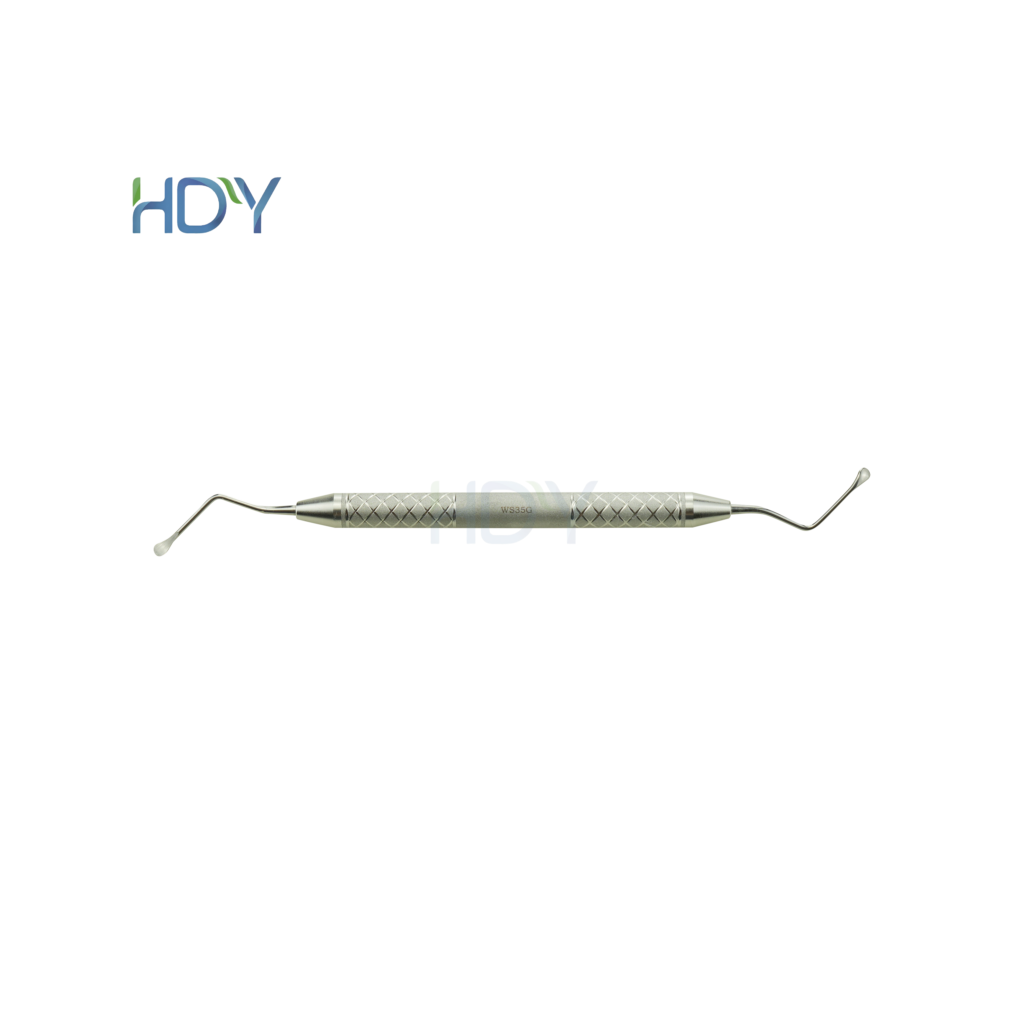
3.5 mm Surgical Curette
Larger working diameter for efficient tissue and debris removal during oral surgery.
- Diameter: 3.5 mm
- Handle: #2 solid metal handle
- Material: Medical-grade stainless steel
- Application: Bone curettage & surgical debridement
Dental Instrument Manufacturing for Clinics & Distributors
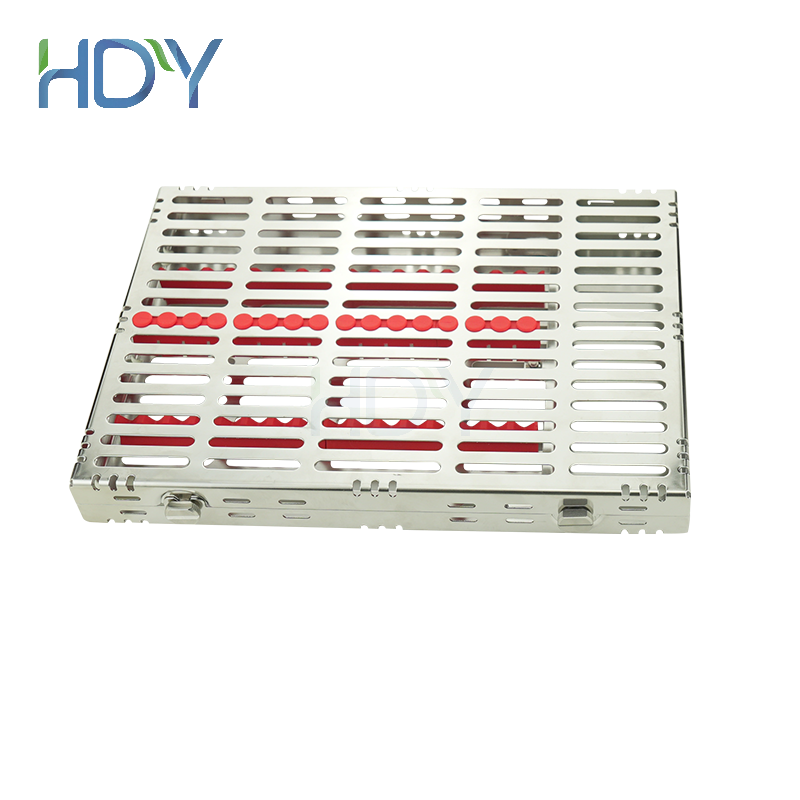
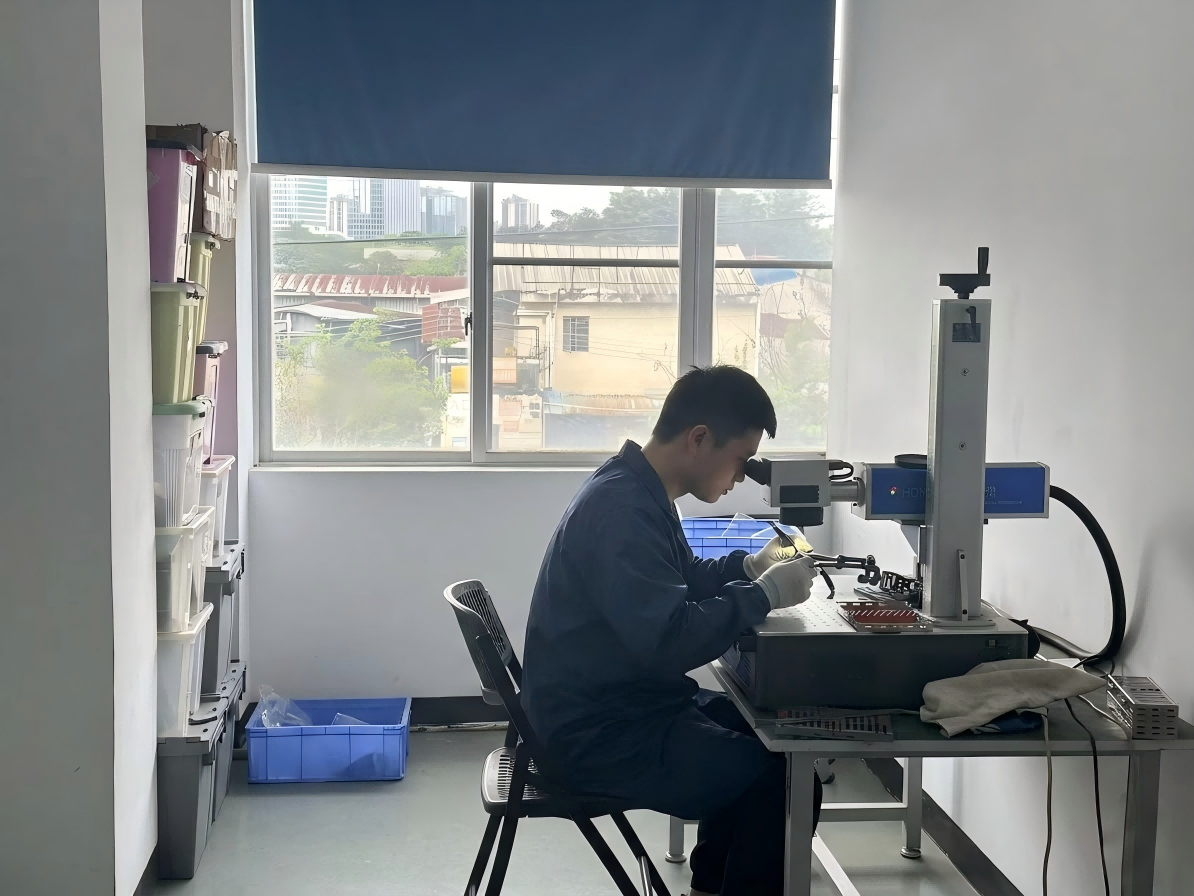
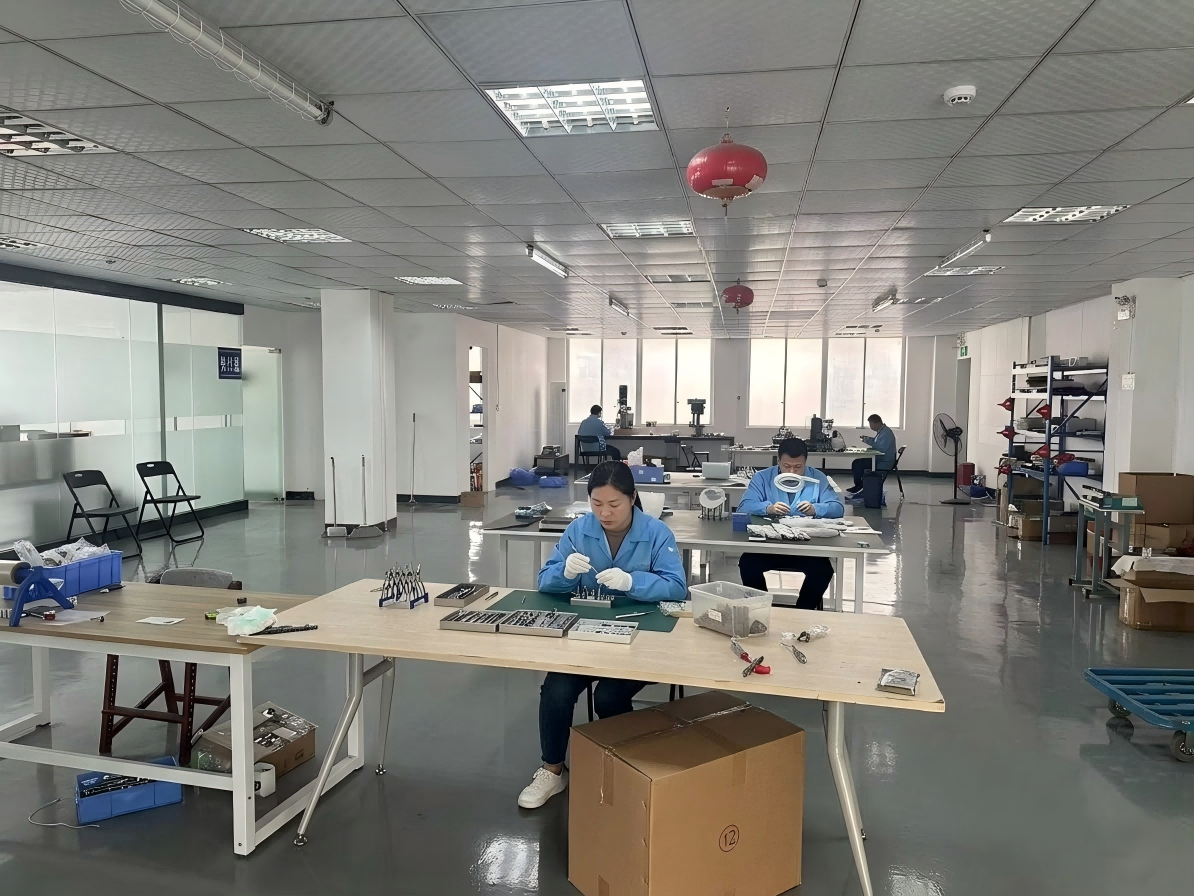
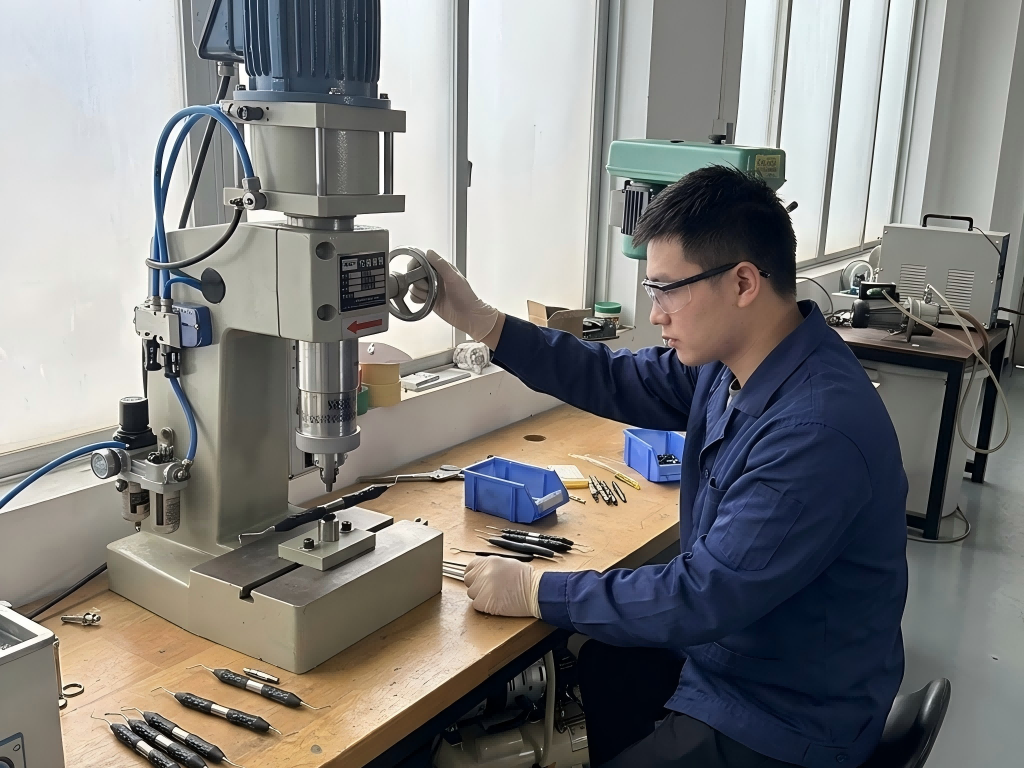
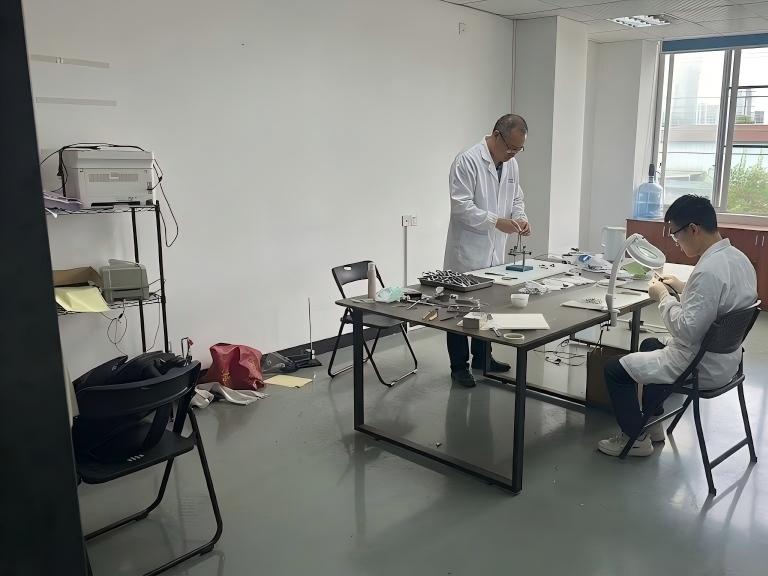
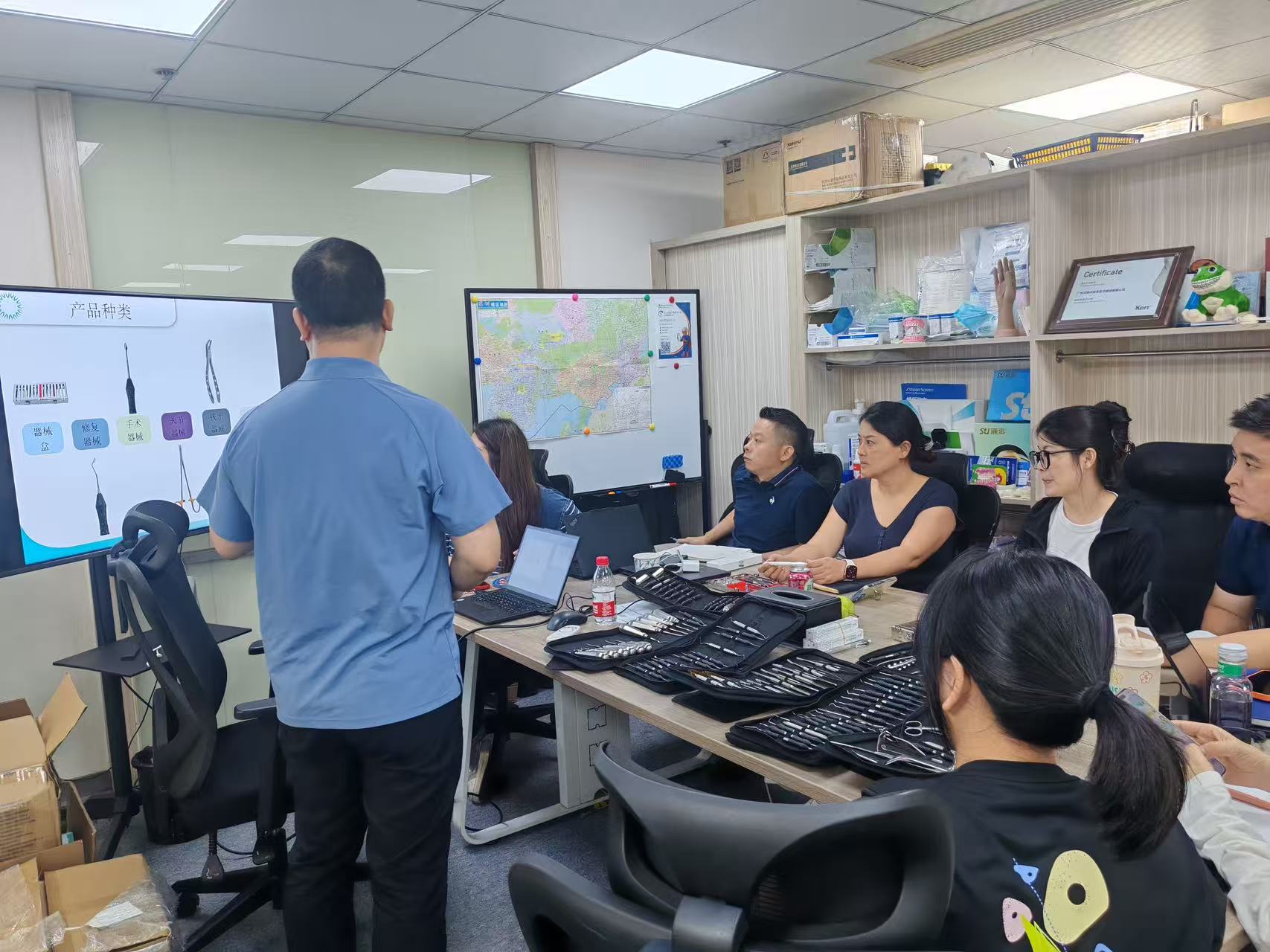
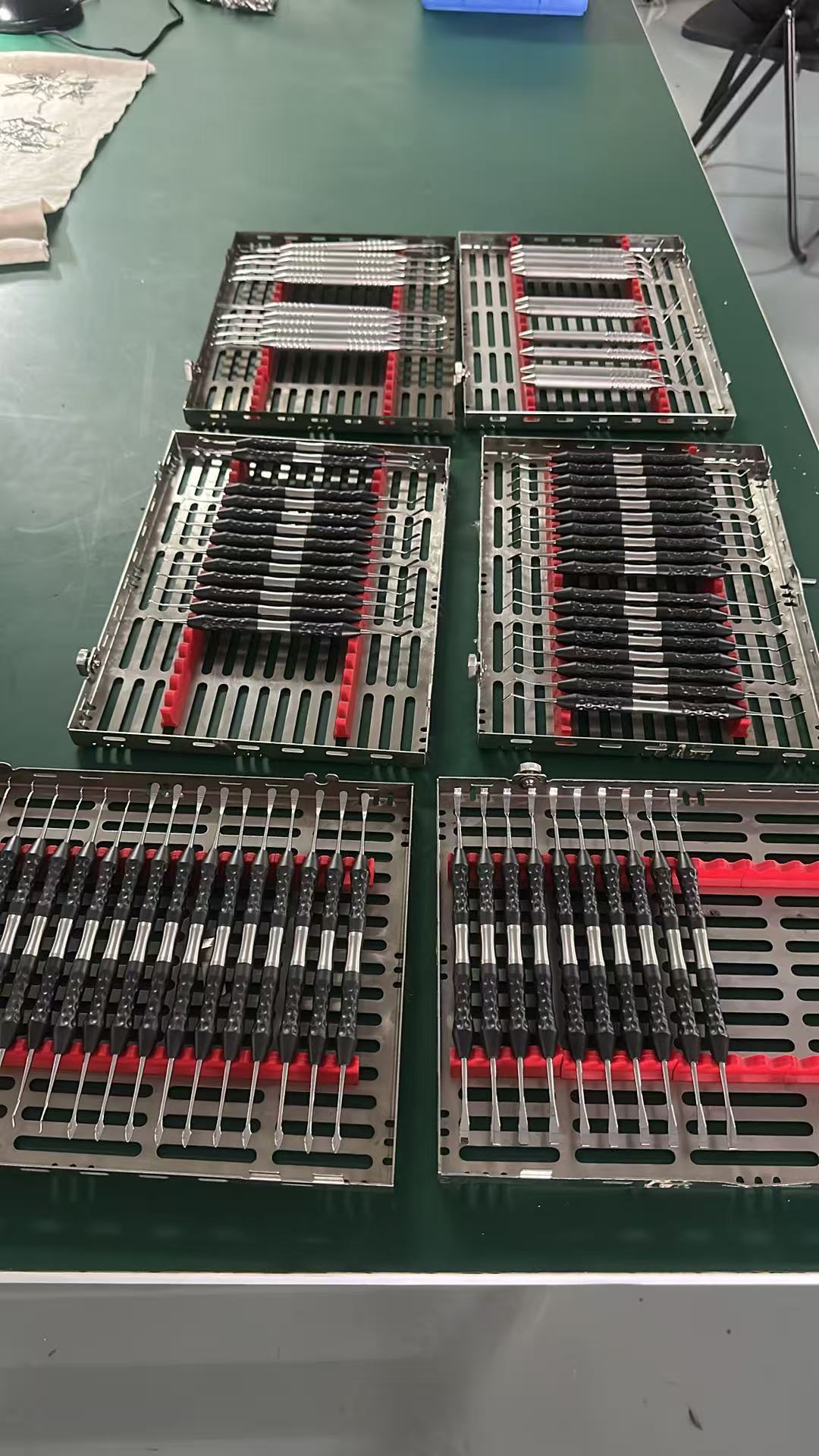
HDY Medical Technology (Guangzhou) Co., Ltd. specializes in dental surgical and clinical instruments. Its published portfolio covers diagnostics, periodontal treatment, endodontics, restorative dentistry, oral surgery, implantology, microsurgery and instrument cassettes.
Universal & Gracey Curette FAQs
1. What is the difference between a Universal and Gracey curette?
Universal curettes are intended for broad, multi-surface use, while Gracey curettes are area-specific and designed for targeted periodontal instrumentation.
2. How do I choose between a Gracey and a Universal curette?
Consider the tooth location, working surface, periodontal anatomy, access and procedure. Universal designs provide versatility; Gracey designs provide area-specific adaptation.
3. What are the main uses of Universal curettes?
They are commonly selected for general scaling and calculus removal across multiple tooth surfaces.
4. What are the main uses of Gracey curettes?
They are commonly selected for targeted periodontal scaling and root planing where a specific working-end geometry is advantageous.
5. Can a Universal curette replace a Gracey curette?
A Universal curette can provide broad coverage, but it does not provide the same area-specific working-end geometry as a Gracey curette. Many professional setups use complementary instrument designs.
6. What surgical curettes does HDYDENT offer?
HDYDENT's published surgical curette range includes WS20G, WS25G, WS28G and WS35G metal-handle models, plus WS20CG, WS25CG and WS28CG toothed configurations.
7. Are HDYDENT WS-series curettes Gracey curettes?
No. The published WS-series products are surgical curettes. They are positioned for oral surgical curettage, extraction-socket cleaning and surgical debridement rather than being labeled as Gracey periodontal curettes.
 English
  简体中文
简体中文  Español
  Deutsch
  Français