

86 Xieshi Highway, Guangzhou, China
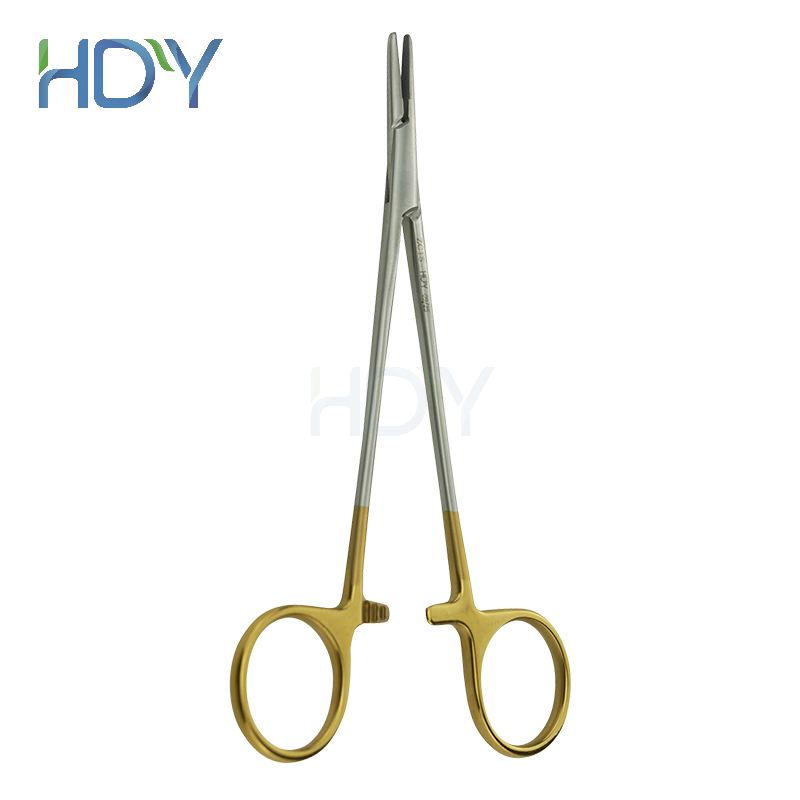
HDY ZX18W Mic Castro Needle Holder manufacturer
Picture of HDY dental

HDY dental

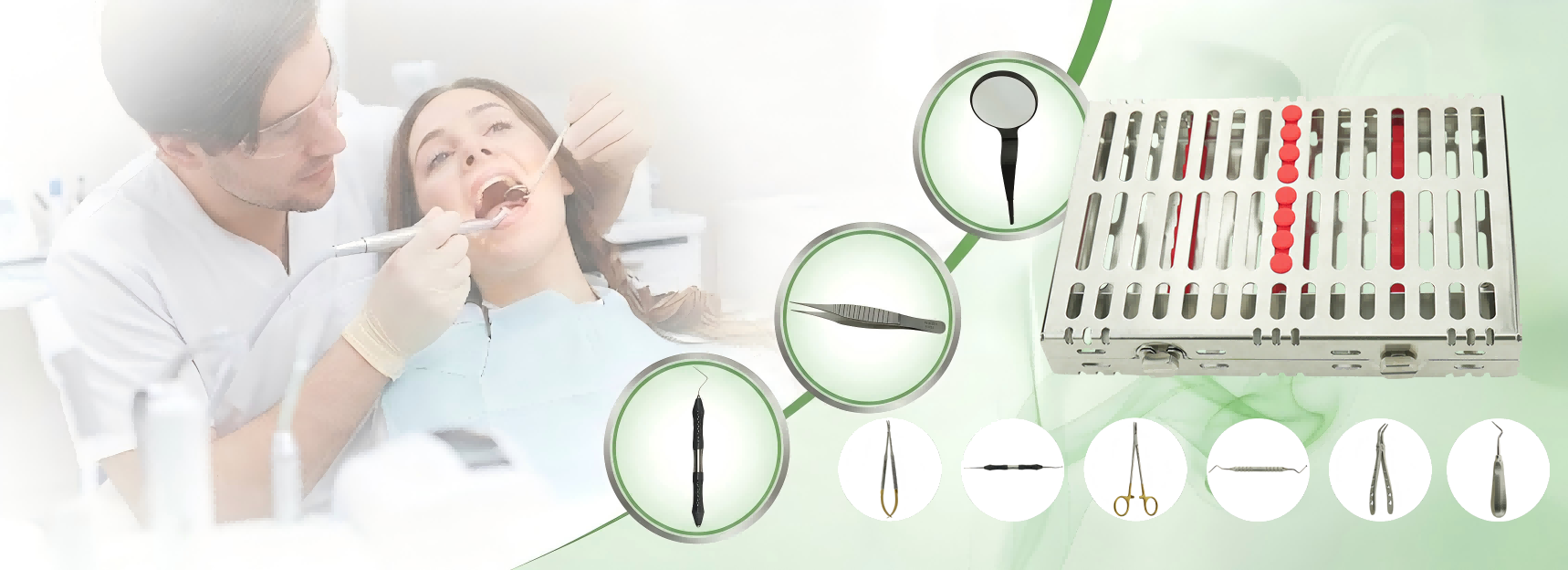
HDY is a professional manufacturer of oral surgical instruments.

Preoperative Defense Against Complications

HDY Dental Clinical Instrument Guide

Preoperative Defense Against Complications

From hemostasis to nerve protection, predictable tooth extraction begins before the first instrument touches the tooth.

Chapters 16–25 of Extraction Techniques systematically address systemic complications, local complications and iatrogenic incidents associated with tooth extraction.

One principle runs throughout the discussion: many extraction complications can be reduced through appropriate preoperative assessment, standardized intraoperative technique and structured postoperative care.

01 · Systemic Complications

Prevention Over Rescue

Vasovagal reactions may occur during dental procedures, particularly when fear, pain or procedural stress is present. Typical clinical signs may include pallor, diaphoresis and a reduced heart rate.

Prevention begins with communication and patient assessment. Anxiety should be addressed before treatment, local anesthesia should be clinically adequate, and the patient's condition should be continuously observed during the procedure.

HDY Clinical Principle

Good intraoperative communication is part of a structured safety process. Briefly explaining procedural progress can help maintain patient awareness and cooperation.
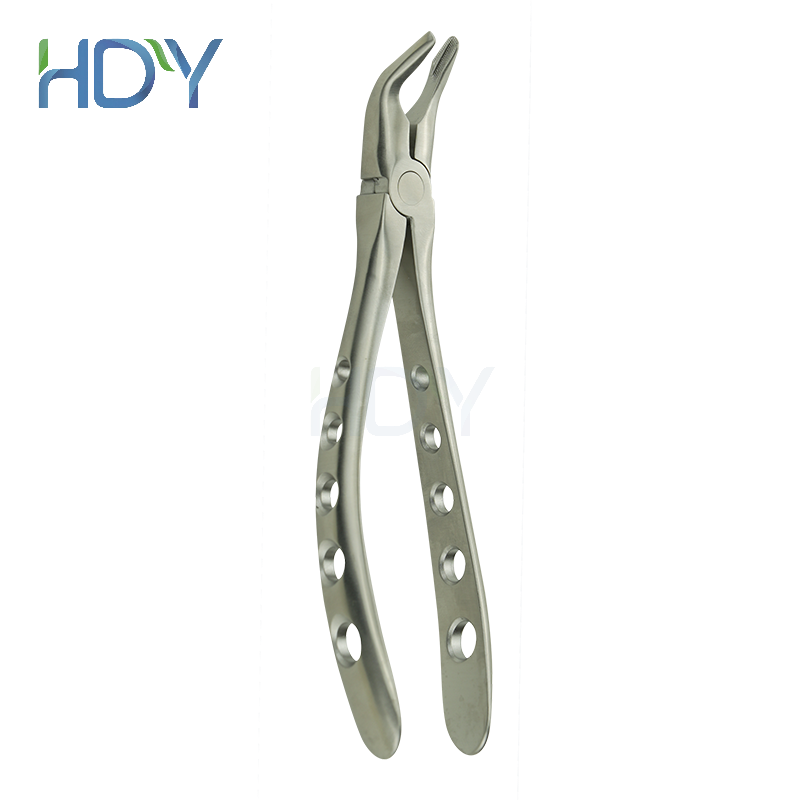
HDY BY150 apical dental extraction forceps
HDY BY150 Apical Forceps — tooth-specific instrument selection should follow anatomy, access and clinical requirements.
02 · Hemorrhage Control

From Compression to Suturing

HDY ZC15 tungsten carbide needle holder for dental suturing
HDY ZC15 Needle Holder — designed for controlled needle handling during oral surgical suturing.

Bleeding during extraction may arise from gingival injury, intraosseous vessels or deeper surgical sites. A structured approach begins with identification of the bleeding source and appropriate local control.

Initial management commonly involves direct gauze compression. When bleeding persists, the clinician may identify the source and determine whether additional local measures, cautery or suturing are clinically indicated.

HDY's surgical instrument portfolio includes needle holders, tissue forceps, hemostats and surgical instruments that support controlled tissue handling and wound closure.

01

Identify the Source

Assess the operative field and determine the likely bleeding source before selecting additional measures.

02

Apply Local Control

Use appropriate local compression or other clinician-selected hemostatic techniques.

03

Close When Indicated

Needle holders and suitable sutures can support controlled flap repositioning and wound closure when clinically indicated.

03 · Nerve Injury Prevention

The Three Nevers of Prevention

Inferior alveolar and lingual nerve injuries are important complications in mandibular surgery. Prevention depends on anatomical assessment, controlled instrumentation and appropriate surgical visibility.

NEVER 01

Avoid uncontrolled apical force

Instrument movement should remain controlled and consistent with the anatomy and intended path of elevation.

NEVER 02

Avoid blind lingual instrumentation

Mandibular lingual anatomy requires careful assessment and controlled instrument placement.

NEVER 03

Respect the cutting depth

Root separation and bone-related procedures require visibility and controlled depth to protect adjacent structures.

Instrument geometry can support controlled handling, but no instrument can independently eliminate clinical risk. Appropriate case selection, imaging, anatomy knowledge, training and technique remain essential.

HDY's extraction portfolio includes forceps and root-specific instruments designed for different access and engagement requirements.
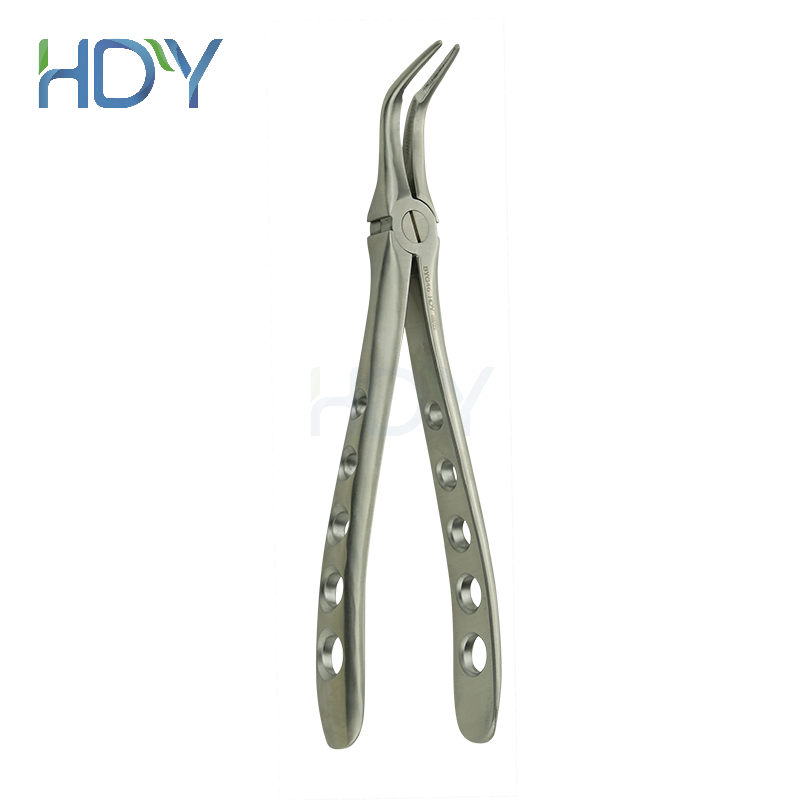
HDY BYG46 serrated root forceps for dental extraction
HDY BYG46 Root Forceps — a narrow root-specific pattern for controlled root engagement.
04 · Postoperative & Anatomical Risk

Protect the Clot. Respect the Anatomy.
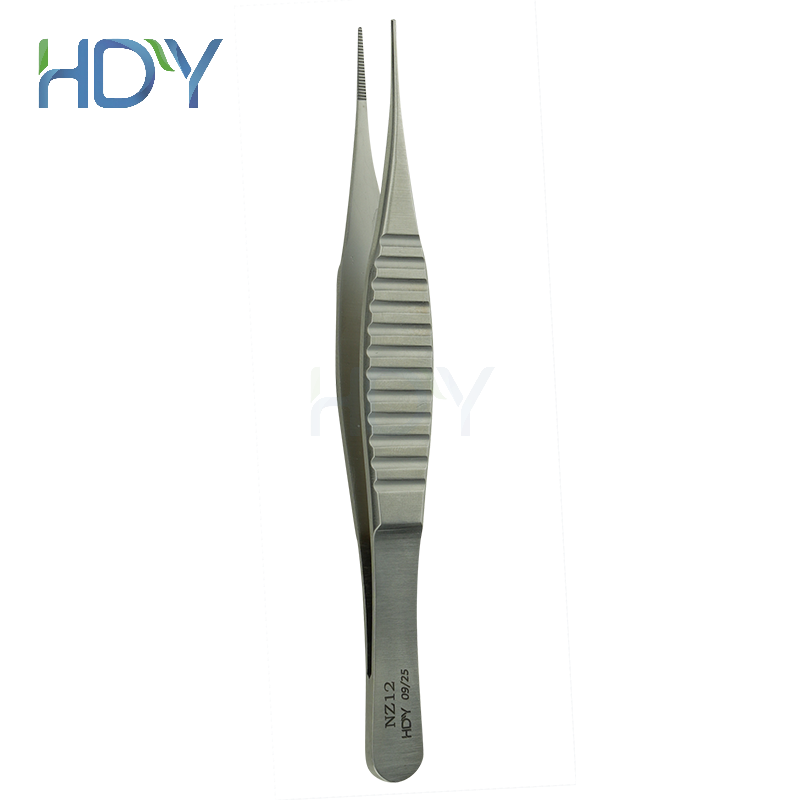
HDY NZ12 dental tissue forceps for oral surgery
HDY NZ12 Tissue Forceps — tissue handling should be controlled and appropriate to the surgical site.

Post-extraction management should focus on protecting the developing blood clot and providing clear postoperative instructions.

Maxillary extraction planning also requires attention to the anatomical relationship between tooth roots and the maxillary sinus. Appropriate radiographic assessment can help identify relevant anatomical relationships before treatment.

Clinical Planning Principle

Prevention starts before extraction: assess anatomy, review radiographs, select the appropriate instrument and establish a postoperative management plan.

05 · Iatrogenic Incident Prevention

Wrong Tooth Extraction: Systems Matter

Wrong-tooth extraction is a preventable patient-safety incident. The key issue is not simply instrument technique, but verification before the procedure begins.

A structured verification process can include confirmation of the tooth number in the clinical record, review of radiographic information and verbal confirmation between the operator and assistant.

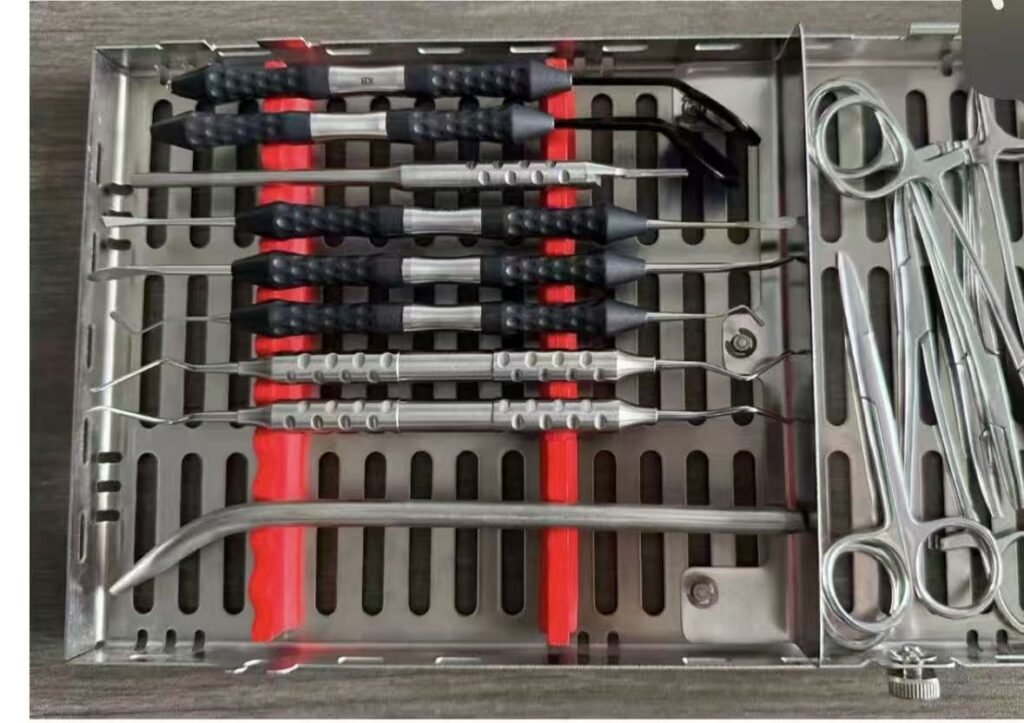
Instrument organization can provide an additional layer of workflow control, particularly when procedure-specific instruments are arranged consistently before treatment.
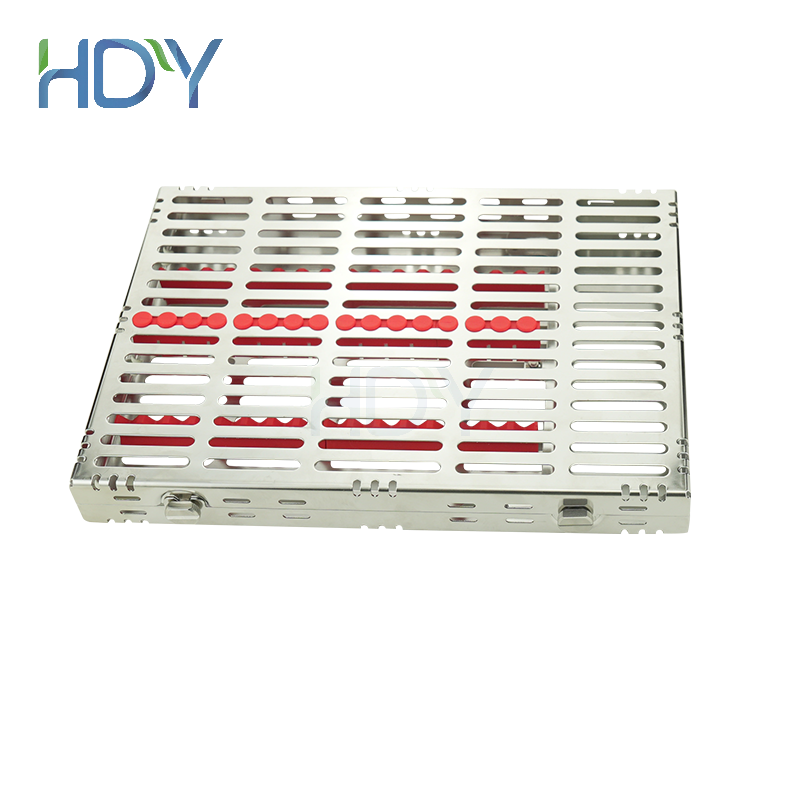
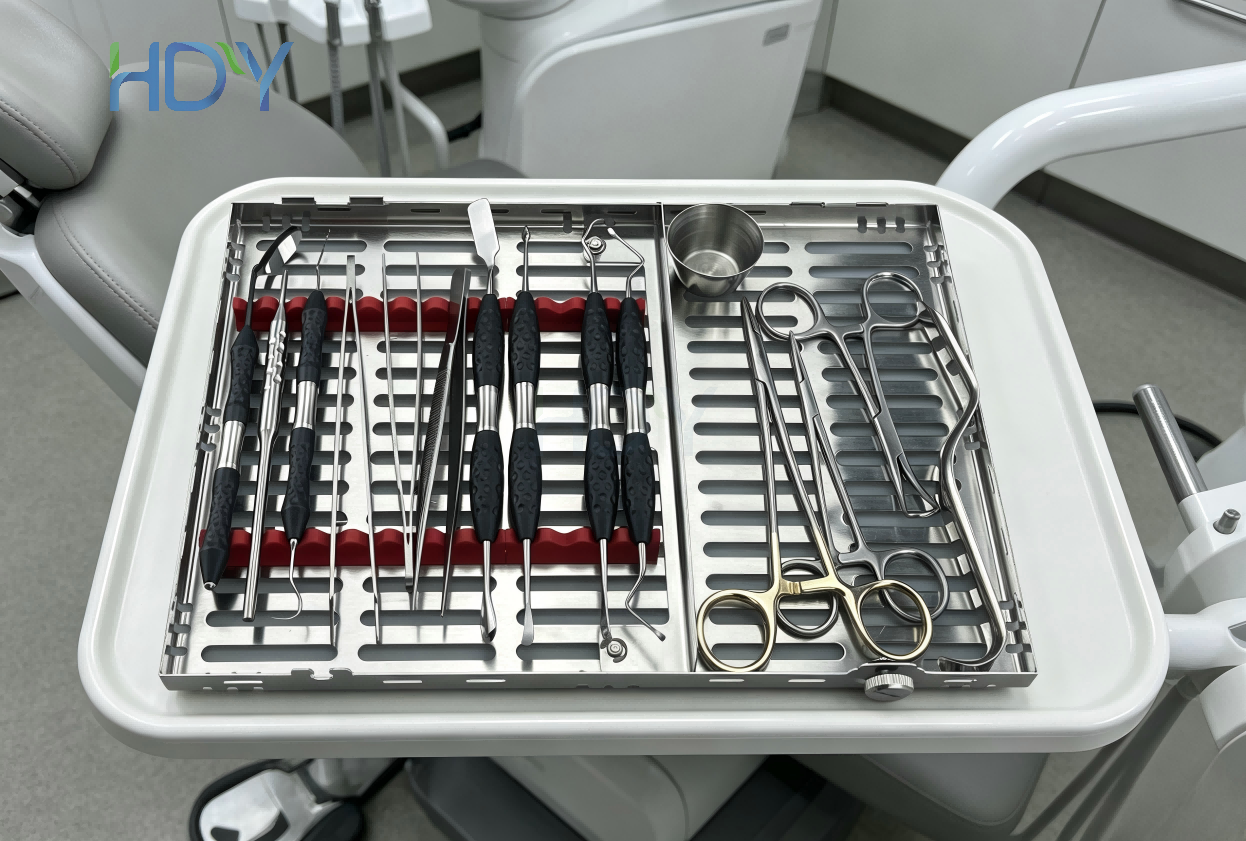
HDY H1601 dental instrument cassette for organized surgical instrument workflow
HDY H1601 Dental Cassette — organized instrument storage can support consistent clinical workflow and processing.
HDY Instrument Coordination

Build a More Structured Extraction Setup

HDY provides a broad range of dental surgical instruments that can support different stages of oral surgery and extraction workflows. Instrument selection should always be based on the clinical case, anatomy, access and the treating clinician's judgment.

HDY BY150 apical extraction forceps

Extraction Forceps

Tooth-specific and apical forceps for controlled tooth and root engagement.

Explore Extraction Forceps →
HDY BYG46 serrated root forceps

Root Forceps

Narrow working-end geometry for appropriate root engagement and access.

Explore Root Forceps →
HDY NZ12 dental tissue forceps

Tissue Forceps

Designed for controlled tissue handling during oral surgical procedures.

Explore Tissue Forceps →
HDY ZC15 tungsten carbide needle holder

Needle Holders

Precision needle control for oral surgical suturing and wound closure.

Explore Needle Holders →
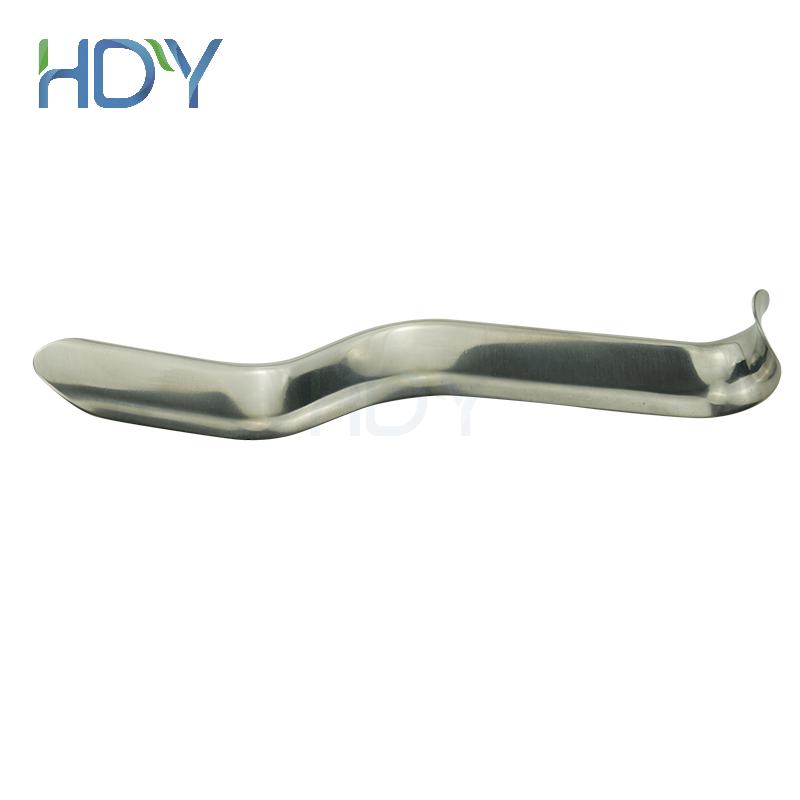
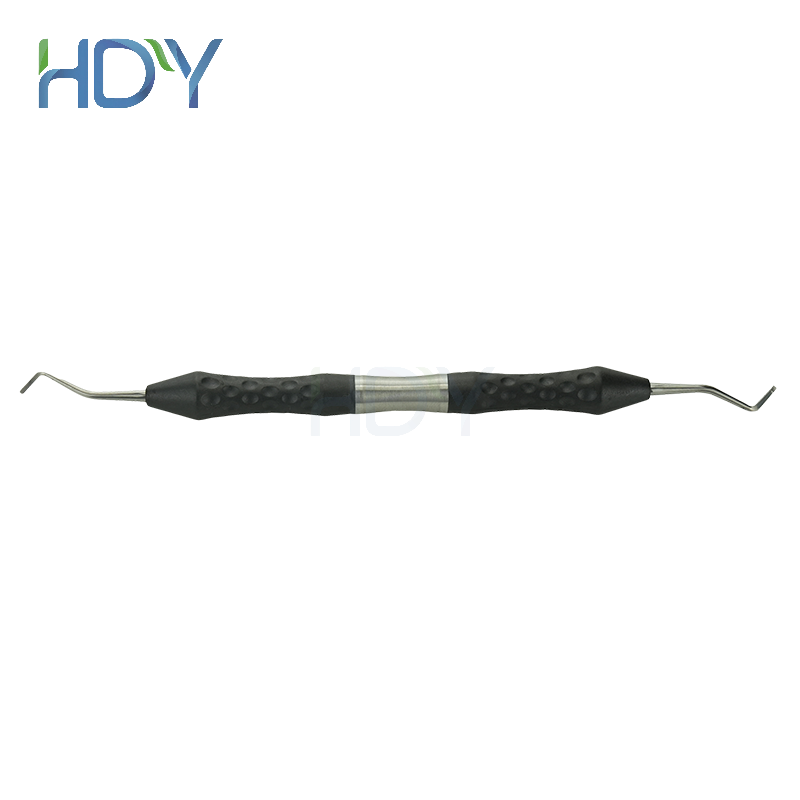
HDY Safety Concept

A Complete Clinical Safety Loop

01 Preoperative Assessment
02 Patient Communication
03 Instrument Selection
04 Controlled Technique
05 Postoperative Management

The Best Complication Management Is Prevention.

HDY's dental extraction and oral surgery instrument portfolio supports a structured workflow from assessment and instrument selection to controlled surgical handling and postoperative care.

Explore HDY extraction forceps, elevators, tissue forceps, needle holders, surgical instruments and dental cassettes for professional clinical and B2B applications.

Chapters 16–25 of Extraction Techniques systematically cover extraction complications, including systemic complications (vasovagal reflex, epinephrine overdose, allergy, toxicity), local complications (hemorrhage, nerve injury, dry socket, maxillary sinus perforation, root displacement, subcutaneous emphysema), and iatrogenic incidents (wrong tooth extraction). One core theme runs throughout: most complications can be prevented through preoperative assessment, standardized intraoperative technique, and postoperative management.

1) Systemic Complications: Prevention Over Rescue

The most common systemic issue during extraction is vasovagal reflex (pallor, diaphoresis, decreased heart rate), triggered by fear and pain. Prevention methods: thorough preoperative communication to alleviate anxiety, painless intraoperative anesthesia, continuous observation of the patient’s facial color and limb movements. The book specifically notes: “Feel the patient’s experience through subtle body movements before they speak.”

HDY’s training system emphasizes “intraoperative communication rhythm” — softly informing the patient after each step (“the crown is out now,” “one more stitch and we’re done”) — based precisely on this philosophy. This is not superfluous warmth but the first line of defense against systemic complications.

2) Hemorrhage Control: From Compression to Suturing

Intraoperative bleeding usually originates from gingival laceration or intraosseous vessels. Management: first apply gauze compression for 5 minutes; if ineffective, use electrocautery or suturing. The principle for postoperative bleeding: remove the clot → identify the bleeding point → local compression or suture. The book specifically warns: do not blindly pack hemostatic material without identifying the bleeding source.

HDY instrument coordination: fine needle holders and absorbable sutures for flap repositioning and closure — suture “loosely without tension,” as overtightening worsens postoperative swelling. For deep bleeding from the maxillary tuberosity or mandibular lingual area, prepare gelatin sponge and bone wax.       


3) Nerve Injury: The “Three Nevers” of Prevention

Inferior alveolar nerve and lingual nerve injuries are the most distressing complications for patients. The book provides three ironclad rules: First, never violently push the elevator apically. Second, never blindly insert instruments from the mandibular lingual side. Third, control cutting depth within the tooth structure during root separation — never beyond the lingual bone plate. If postoperative lip or tongue numbness occurs, immediately record the extent and severity and schedule follow-up.

HDY elevator tips are designed blunt rather than sharp, specifically to reduce the risk of direct nerve laceration during wedging. Additionally, the anti-slip texture and precise bite of the forceps beaks reduce the probability of secondary injury from “reinsertion after slippage.”

4) Dry Socket and Maxillary Sinus Perforation

The core of dry socket prevention is protecting the blood clot: no rinsing, no sucking, no heat application for 24 hours postoperatively. The book also clarifies a misconception: PDL space injection does not increase dry socket incidence — only endodontic treatment should avoid it.

Maxillary sinus perforation most commonly occurs when the root apex is close to or projects into the sinus floor. Prevention: preoperative radiograph to confirm the root-sinus relationship; avoid apical-directed force during extraction. For small perforations (<3mm), allow natural sealing by blood clot; large perforations require referral for oroantral fistula repair.

5) Wrong Tooth Extraction: Systems Matter More Than Technique

Chapter 24 states directly: “Wrong tooth extraction happens not because of poor technique, but because of inadequate verification systems.” Recommended triple verification before extraction: chart documentation of tooth number, radiographic marking of tooth number, and verbal confirmation between operator and assistant. HDY recommends arranging instruments by tooth position on the tray to reduce the chance of selecting the wrong forceps type.

💡 The best complication management is making it not happen. HDY’s extraction system delivers not just instruments, but a complete safety loop of ‘preoperative assessment → intraoperative standardization → postoperative management’ — allowing every clinician to extract with greater confidence, and every patient to recover more smoothly.

Share this post

Product Categories

Cheek Retractors Minnesota Retractor LG02 manufacturer

High-quality surgical instruments for efficient and precise dental procedures.

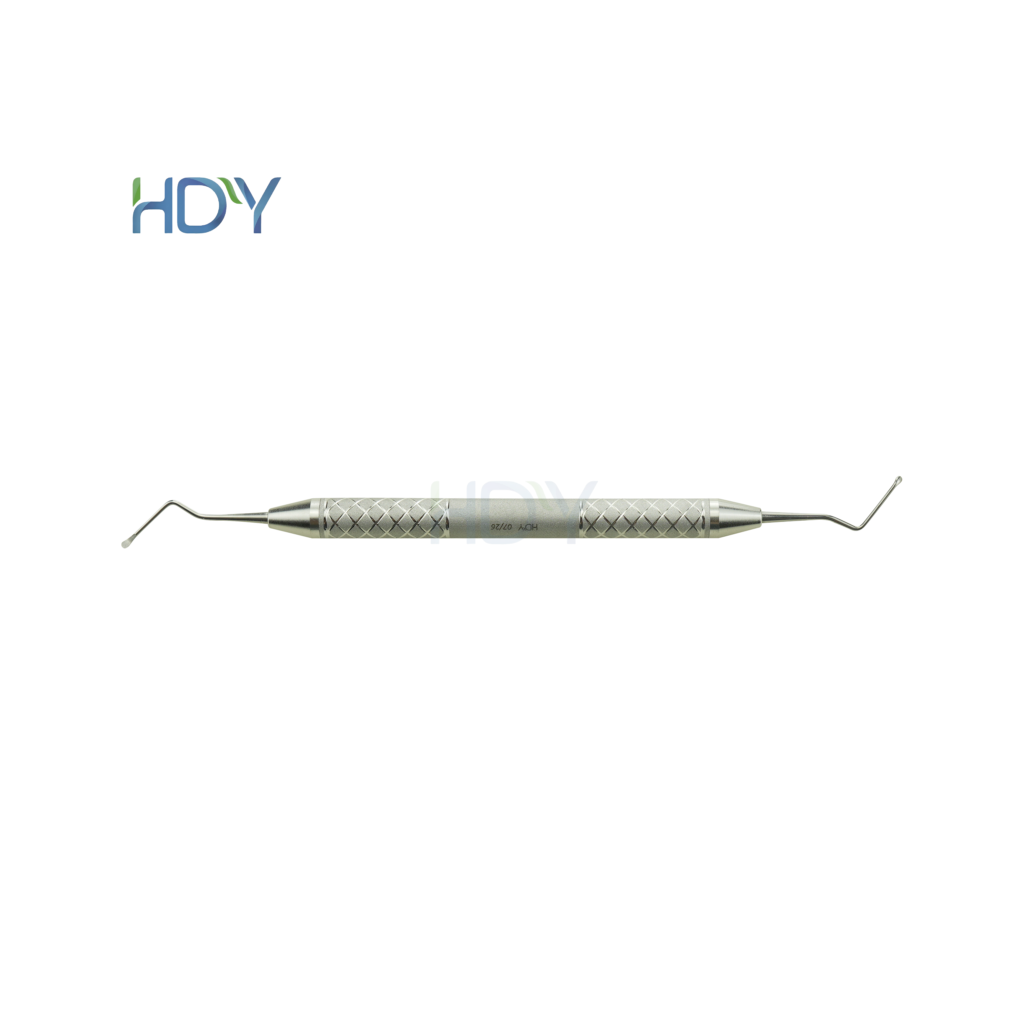
HDY WY13 Margin Trimmer supplier

Designed for efficient restorative treatments, cavity preparation, and composite placement.

HDY BY150 Apical Forceps manufacturer

Reliable hinged instruments for surgical handling, cutting, and tissue control.

WG15G Oval Spoon Endo Excavator manufacturer

High-precision instruments for endodontic treatment and microsurgical procedures.

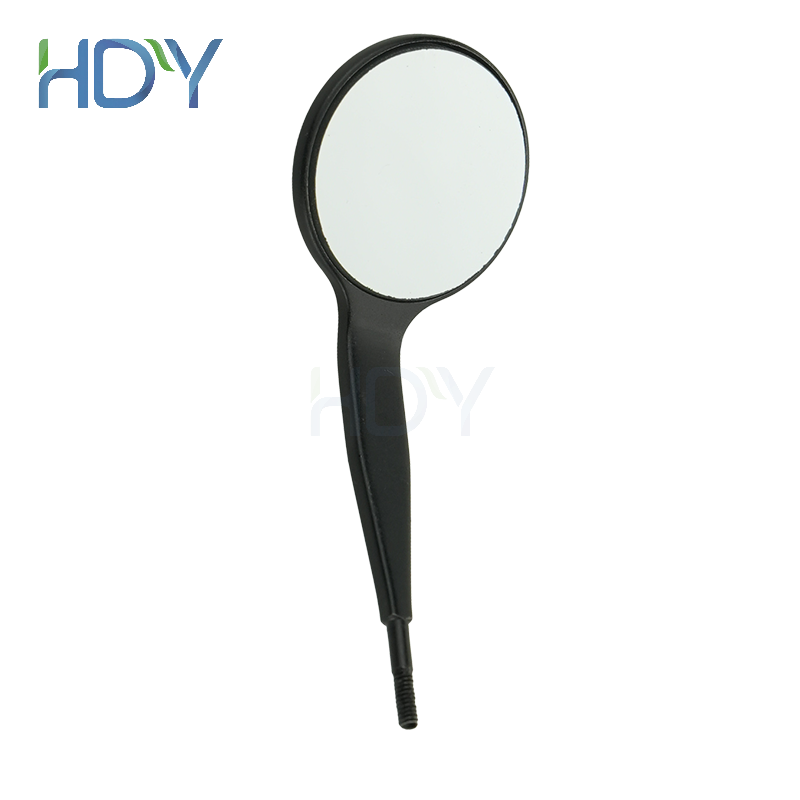
HDY K05O Dental Mirror manufacturer

Precision diagnostic instruments for reliable examination and treatment planning.

HDY H1601 16 Instrument Dental Cassette with Divider manufactury

Durable cassettes for instrument storage, sterilization, and clinical organization.

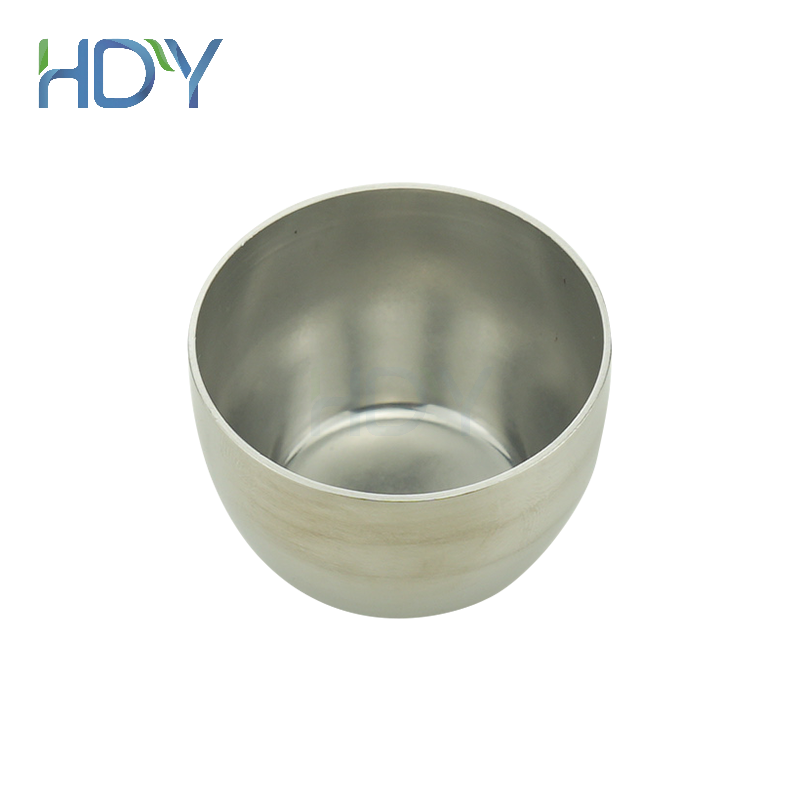
Clinical Dental Cups manufacturer

Quality   accessories   and replacement components for   daily clinical use.    

HDY dental instrument Factory

High-precision instruments for endodontic treatment and microsurgical procedures.

HDY DENTAL INSTRUMENT MANUFACTURER

Professional Dental Instrument Manufacturing & Customization

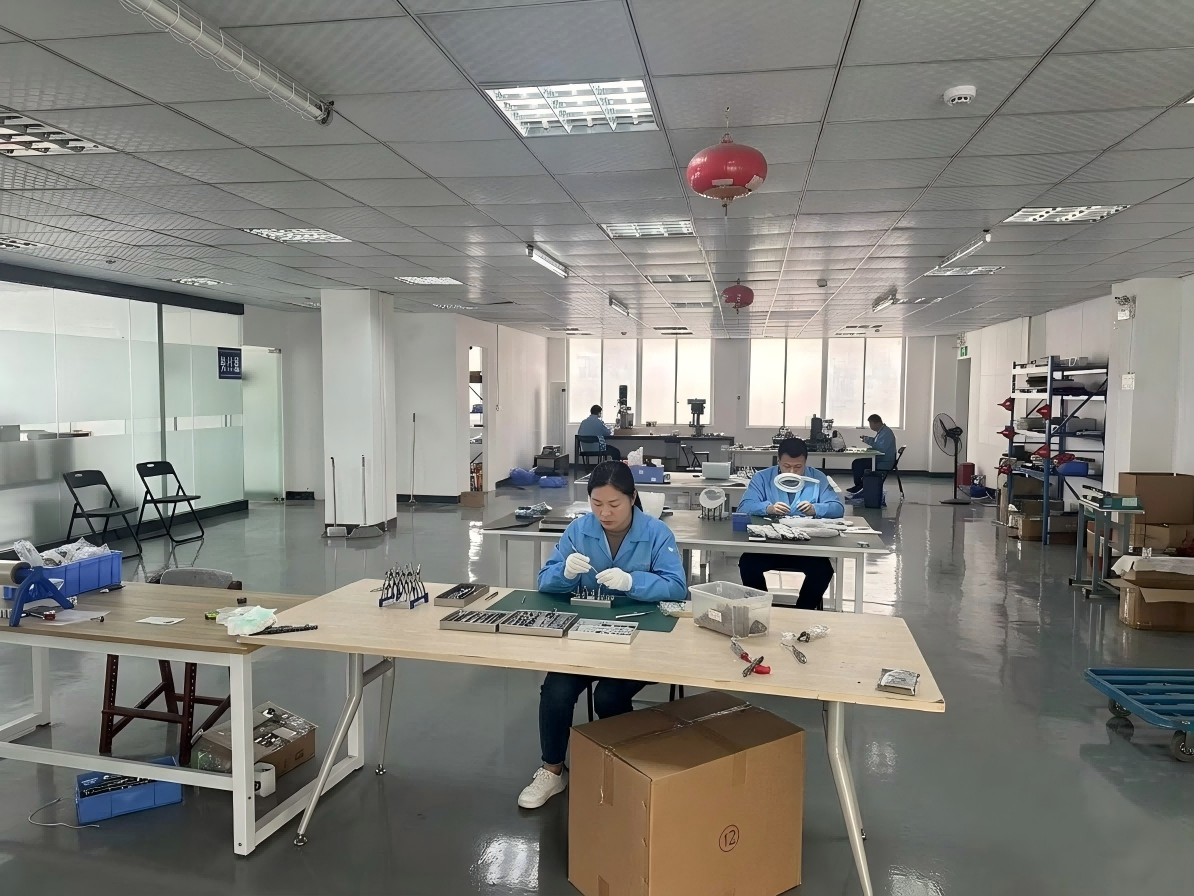
Discover HDY's manufacturing capabilities, precision production processes, and OEM/ODM customization services for dental distributors, importers, and dental brands worldwide.

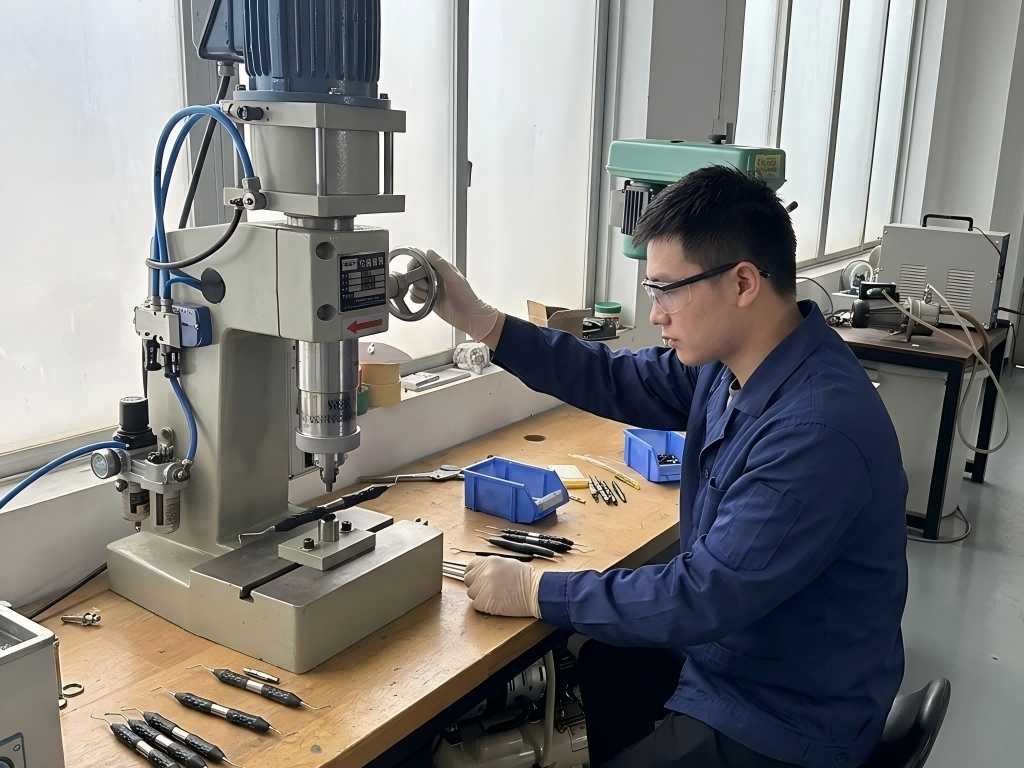
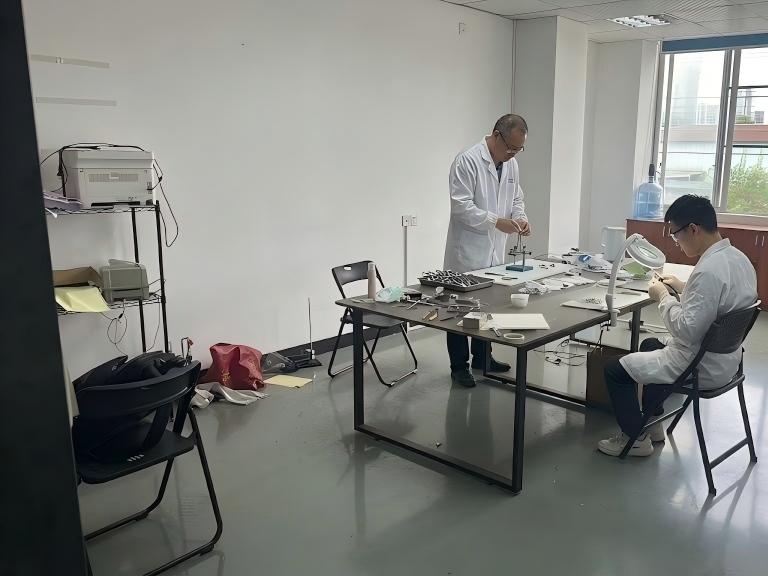
Inside HDY Dental Instrument Manufacturing
OUR FACTORY

From Precision Manufacturing to Customized Dental Solutions

HDY Medical Technology (Guangzhou) Co., Ltd. is a professional dental instrument manufacturer in China. We specialize in dental surgical instruments, periodontal instruments, implant instruments, and dental hand instruments.

Our manufacturing capabilities and customization services help international distributors and dental brands develop product solutions for their markets.

Learn More About HDY

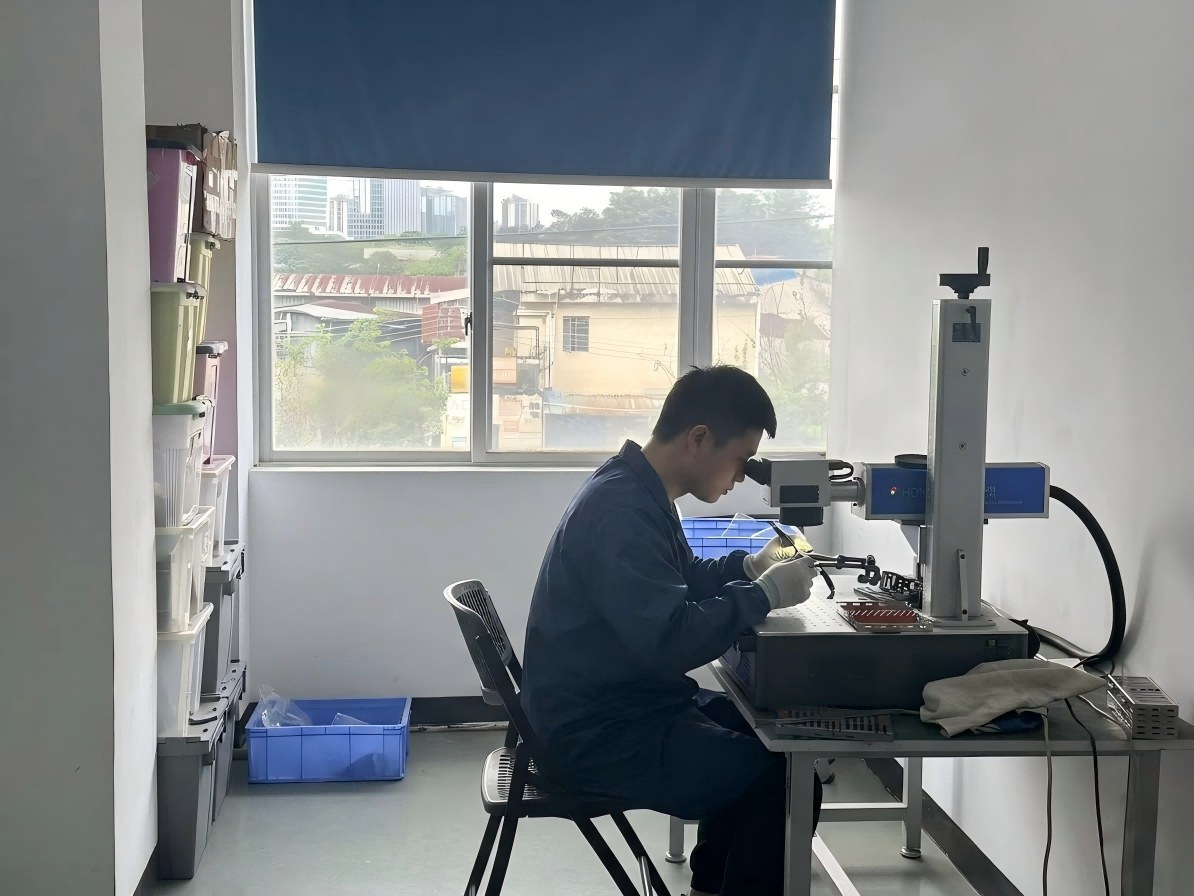
Factory Manufacturing

Precision machining, material processing, surface finishing, and quality inspection.

Quality Control

Quality inspection throughout production to support consistent product specifications.

OEM & ODM Services

Custom instrument development, branding, and private-label solutions for dental businesses.

Global B2B Supply

Factory-direct supply solutions for distributors, importers, wholesalers, and dental brands.

YOUR BRAND · OUR MANUFACTURING

Looking for a Reliable Dental Instrument Factory?

Discuss your product requirements with HDY, from customized instrument specifications and laser logo marking to private-label packaging and instrument sets.

Our Factory

Professional Dental Instrument Manufacturer in China

HDY Medical Technology (Guangzhou) Co., Ltd. is a professional dental instrument manufacturer specializing in the research, development, design, production, and global supply of high-quality dental surgical instruments.

Start Your Custom Dental Instrument Project

Share your requirements, drawings, samples, or ideas with us. Our engineering and manufacturing team will provide professional solutions tailored to your needs.
EMERGENCY CALL:
en_USEnglish
Scroll to Top

Send Us An Inquiry

Whether you need product information, pricing, samples, OEM manufacturing, or product customization, simply complete the form below and our team will contact you shortly.