
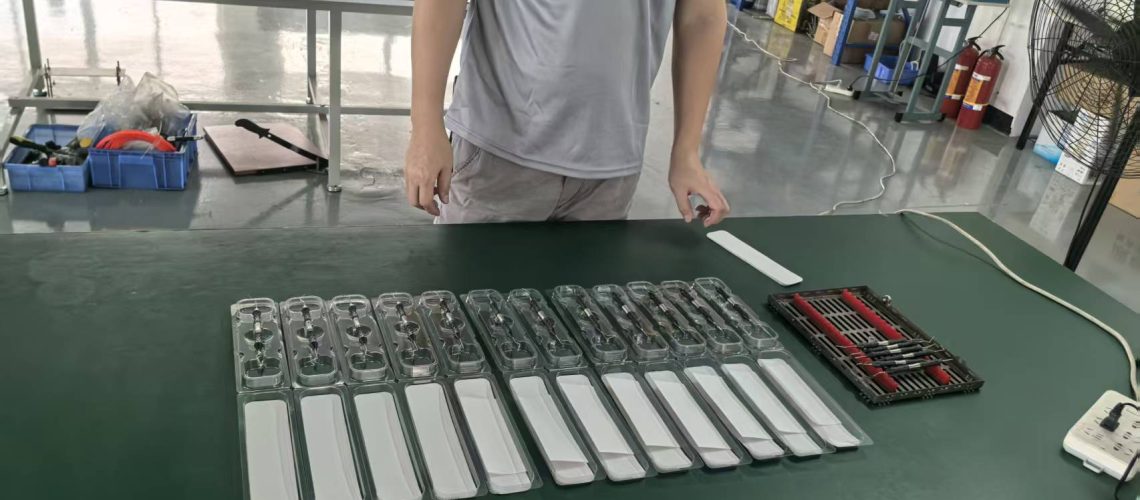

Dental Instrument Quality Control Guide for B2B Buyers
A practical framework for evaluating dental instrument materials, working-end dimensions, hinged mechanisms, surface quality, heat treatment, marking, packaging and batch consistency—before approving a supplier or placing a repeat order.
Request Quality InformationReview HDY Manufacturing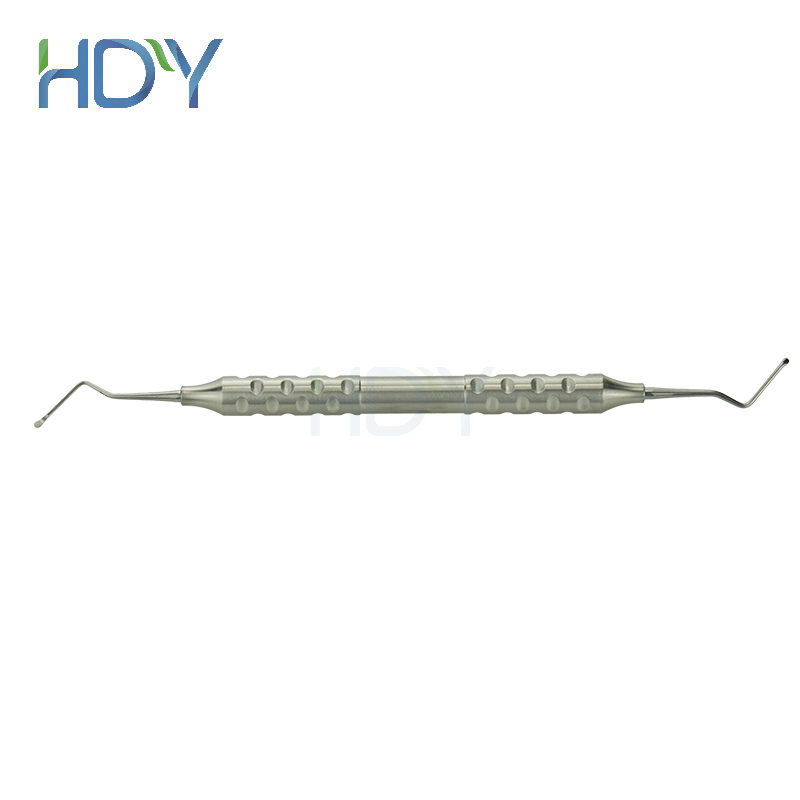 BUYER QC REVIEW
Why Quality Control Matters in Dental Instrument Procurement
Dental instruments transfer manual force through small working ends, joints and handles. A minor dimensional or alignment difference can change access, tactile feedback, gripping, cutting, locking or material-handling behavior. For B2B buyers, the quality question is therefore not only whether one sample “looks good,” but whether the approved characteristics can be repeated across production batches.
A strong dental instrument supplier audit separates objective evidence from marketing language. Buyers should define what must be measured, what must be functionally assessed, what documentation applies to the target market and which characteristics require clinical review by qualified users.
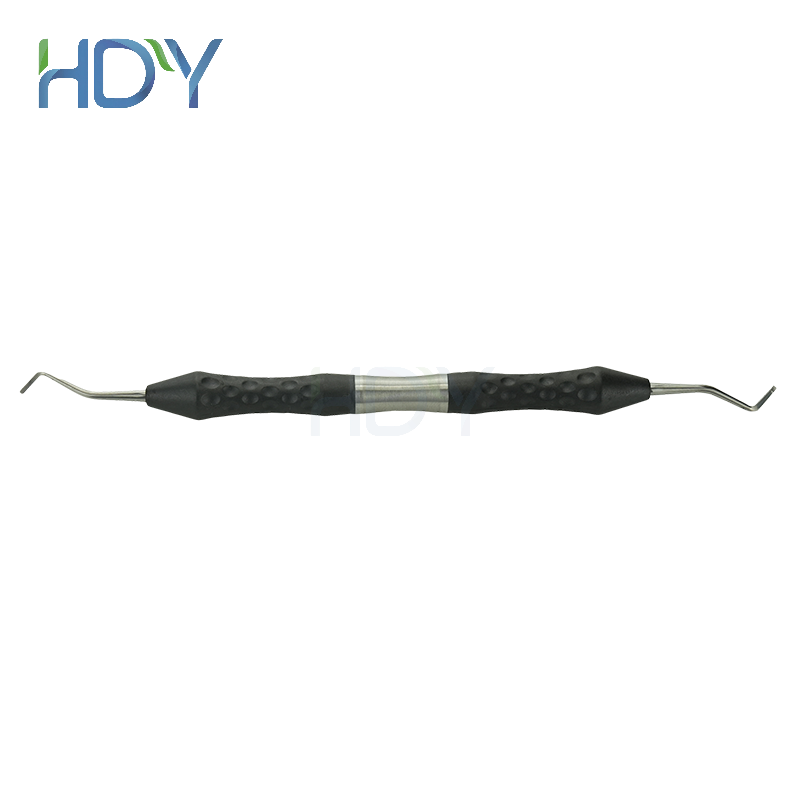
Quality Begins with an Approved Specification
Inspection cannot be consistent if the buyer and manufacturer have not agreed what “correct” means. Build one controlled reference for each product code.
What a Dental Instrument Inspection Checklist Should Cover
The following stages convert the supplier audit into product-specific checks that can be recorded, reviewed and repeated.
Raw-Material Inspection
Confirm that material selection matches the intended instrument function and approved specification.
- Material identification
- Supplier documentation
- Batch or lot records
- Incoming verification method
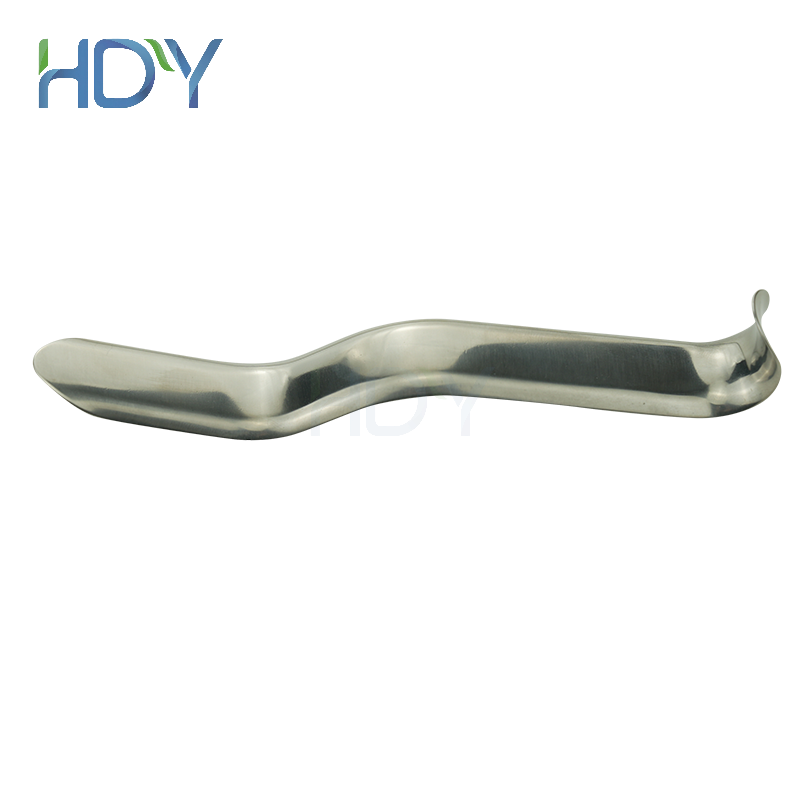
Working-End Dimensions
Identify which dimensions directly affect access, contact, cutting or material manipulation.
- Tip diameter or thickness
- Blade or spoon width
- Working angle and length
- Left/right symmetry
- Edge integrity
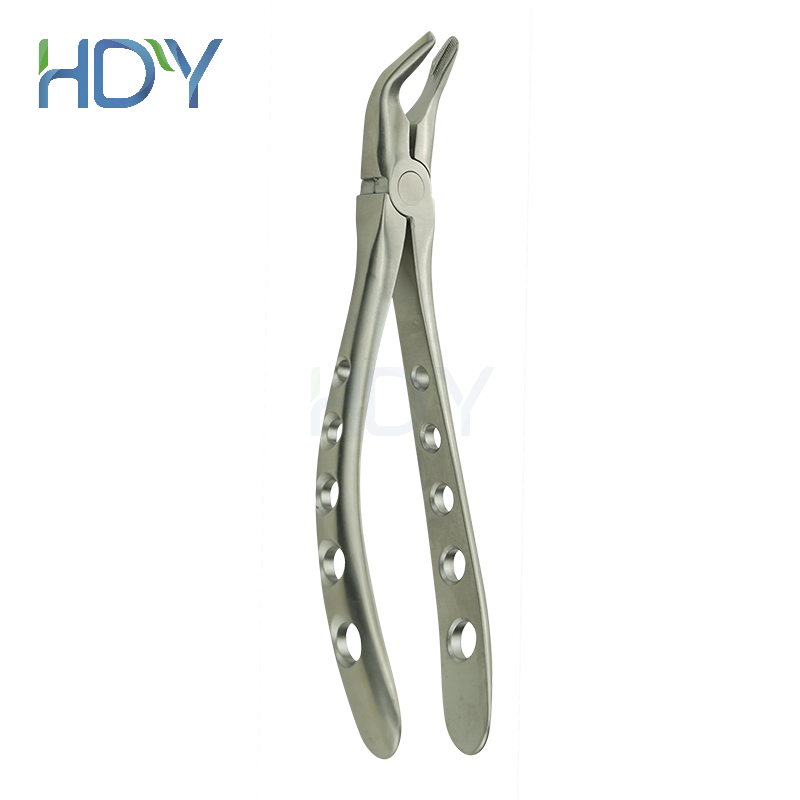
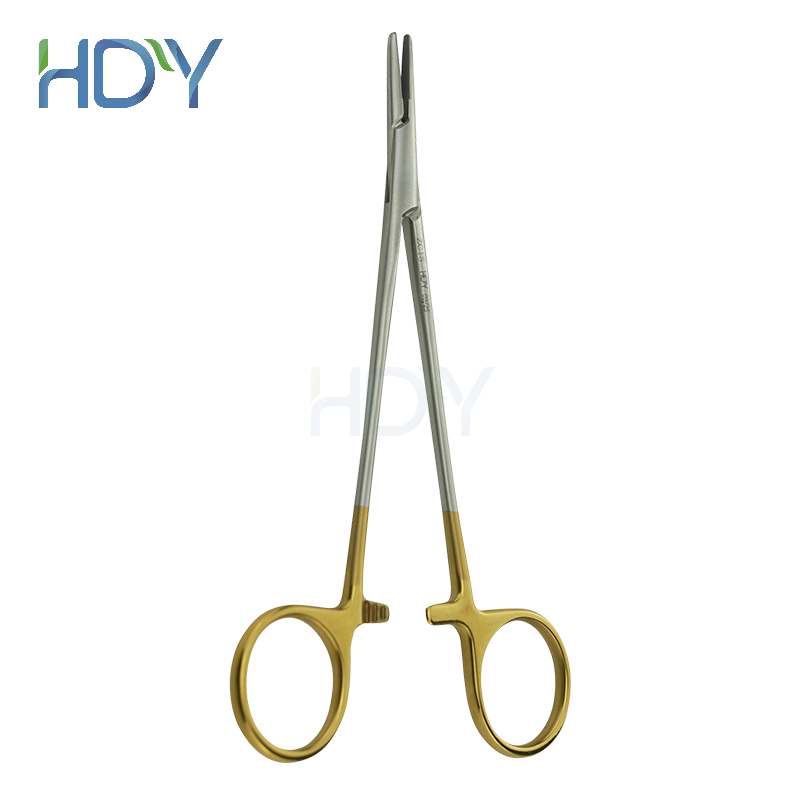
Hinged Instrument Inspection
Assess the complete mechanism, not only the appearance of the jaws.
- Jaw and handle alignment
- Joint movement
- Locking mechanism
- Cutting-edge or gripping contact
- Assembly security
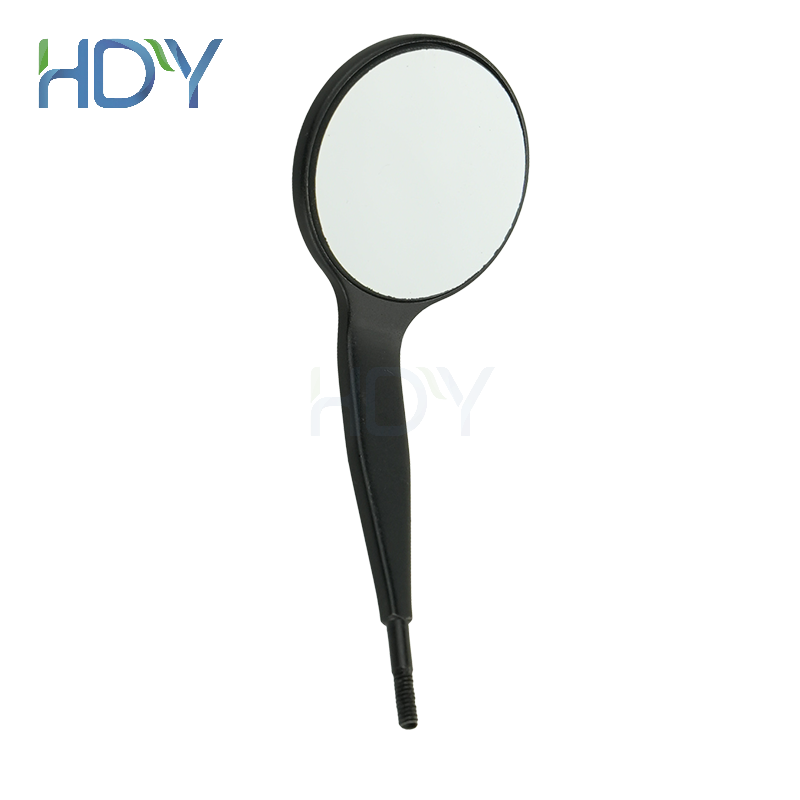
Surface Quality
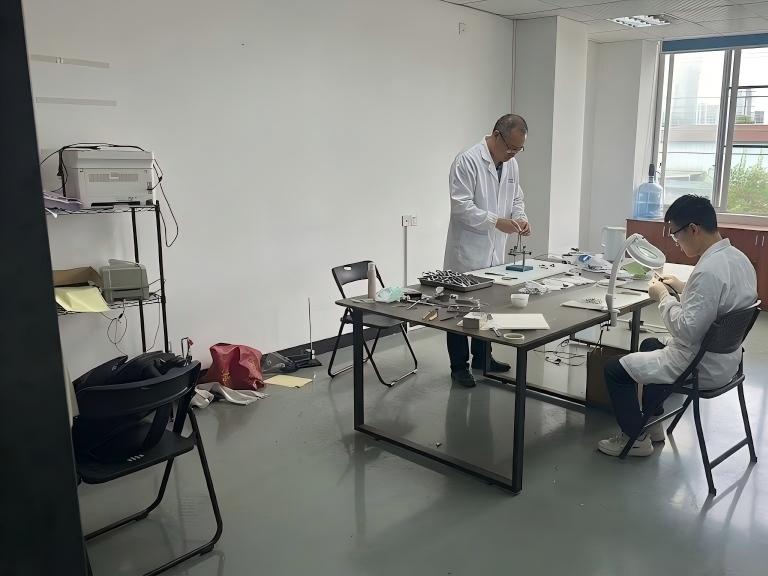
Inspect under defined lighting and magnification where the product or defect type requires it.
- Scratches and impact marks
- Burrs and unwanted sharp edges
- Polishing consistency
- Satin finish uniformity
- Residues and discoloration
Functional Performance
Choose tests appropriate to the product rather than forcing one test method onto every instrument.
- Hardness where specified
- Toughness or elasticity
- Tip deformation
- Cutting, gripping or locking
- Repeatable manual operation
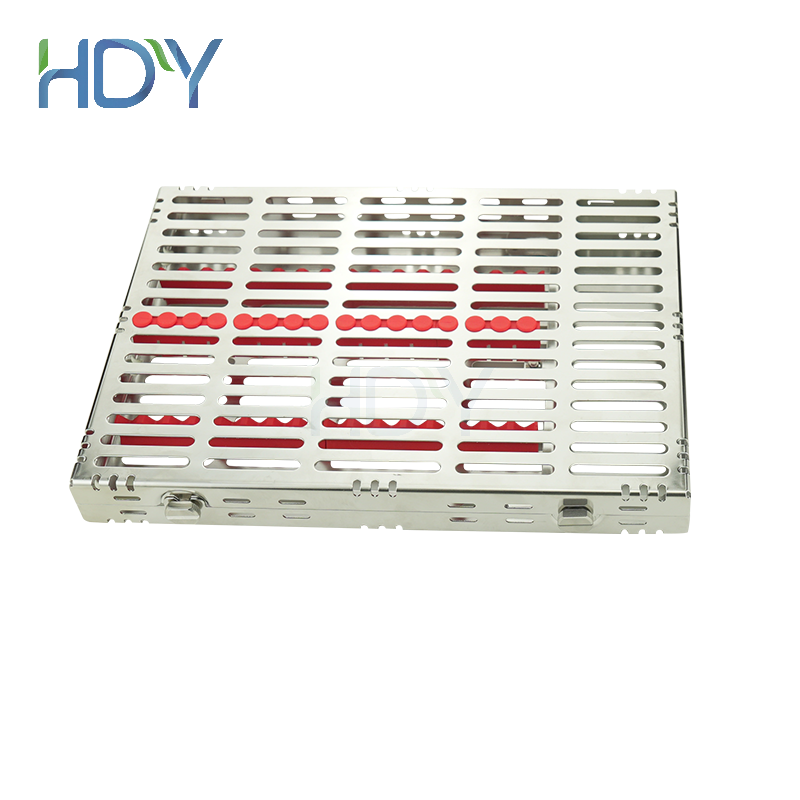
Marking & Packaging
Final inspection must protect product identity as well as physical condition.
- Correct SKU and quantity
- Logo position and clarity
- Model or lot identification
- Protective packaging
- Label and carton accuracy
A Multi-Stage Dental Instrument Quality Control Flow
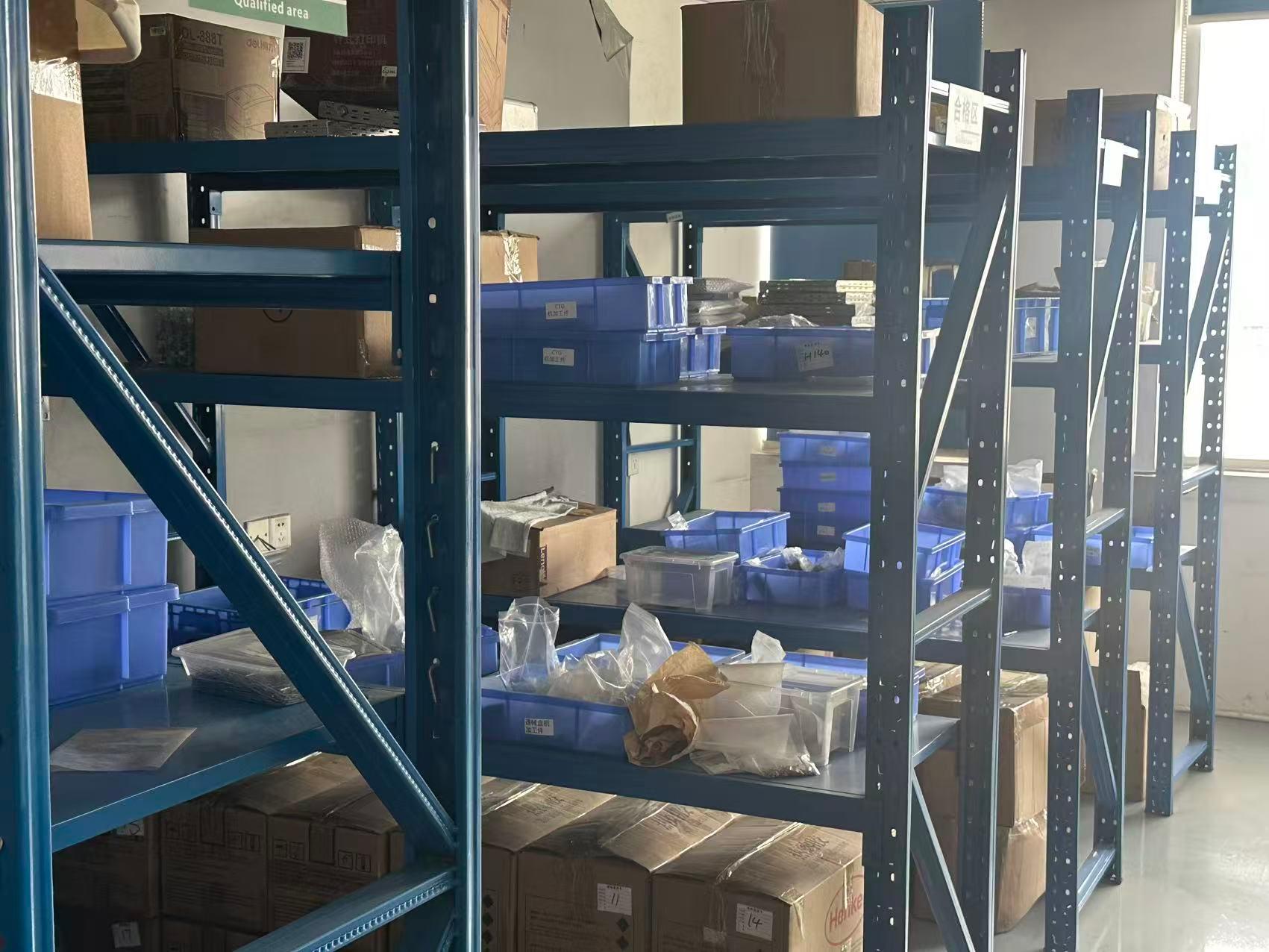
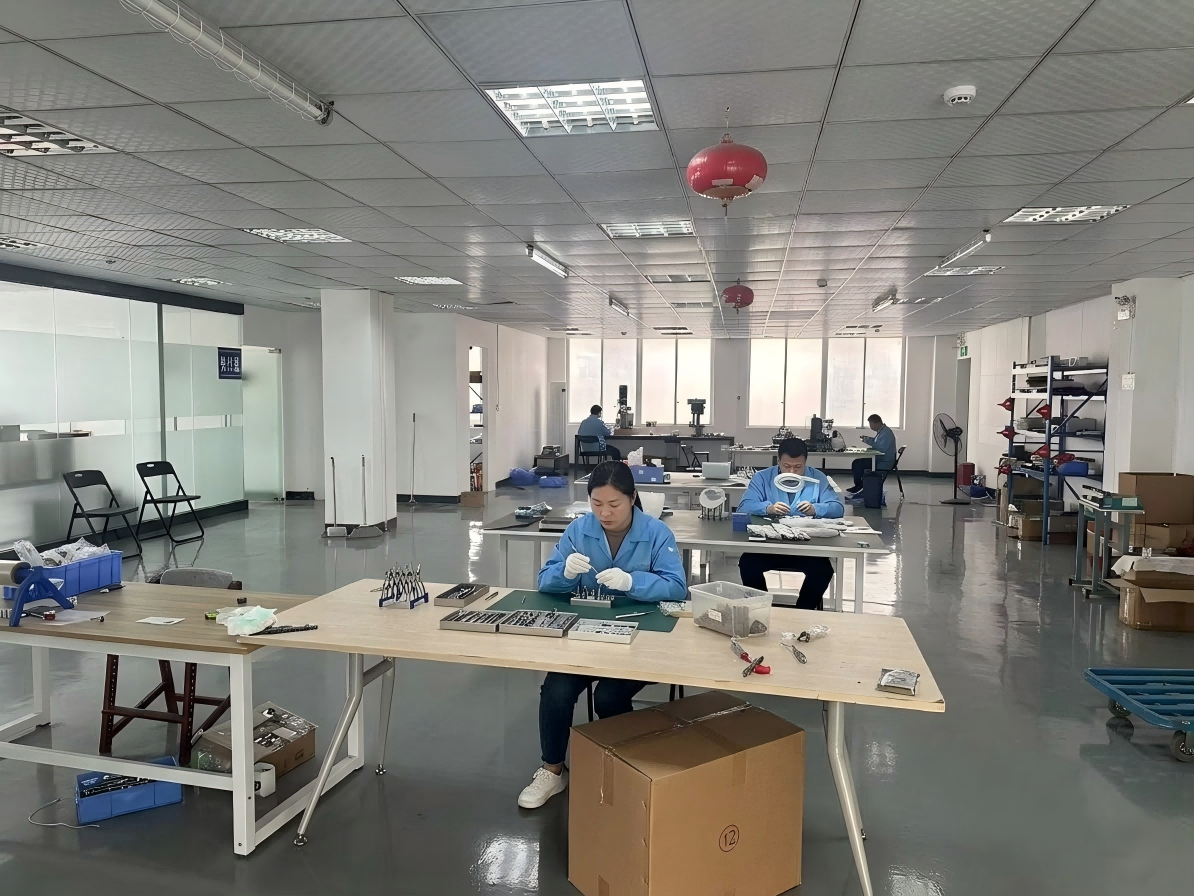
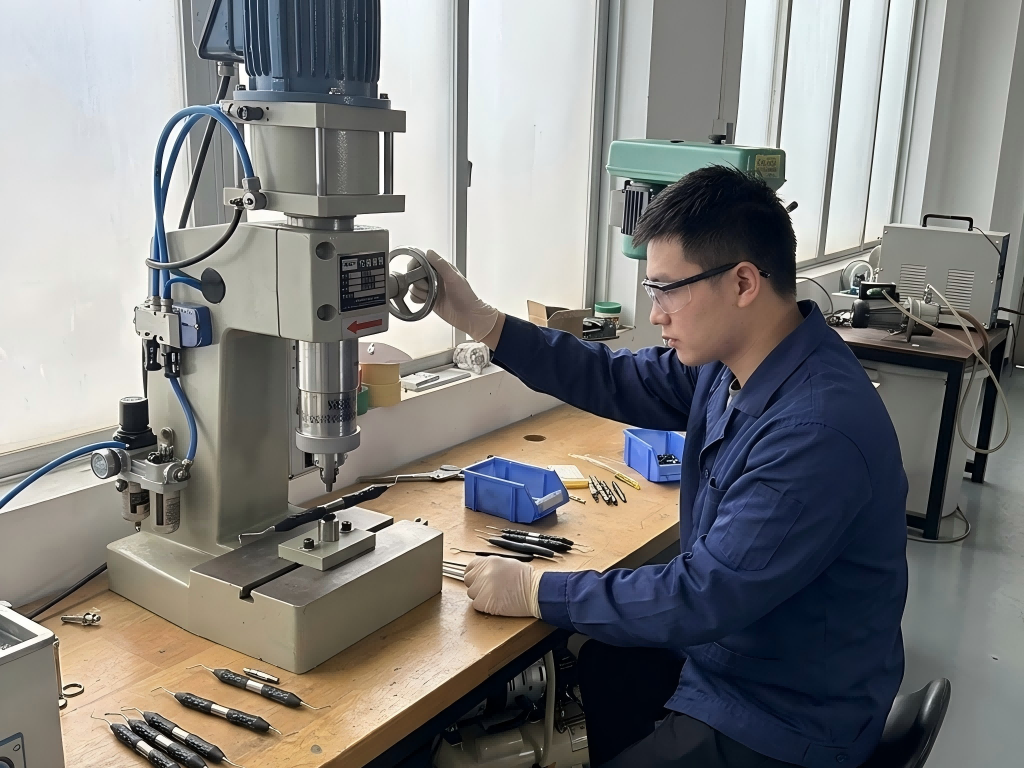
HDY describes controls from incoming material through production, heat treatment, surface, assembly, final inspection and packaging. Buyers should request the records relevant to their selected products and market.
Test Performance Against the Intended Instrument Role
Heat treatment can affect hardness, toughness, strength, elasticity and wear behavior, but the target and test method depend on the instrument. A probe tip, elevator, scissors, forceps and needle holder should not automatically share one acceptance value.
Before approving a supplier, identify which product characteristics are critical, how they are tested, what sample size applies and how results connect to the approved specification.
Review HDY Quality FAQPassivation and Corrosion Resistance
Polishing and passivation are related to surface quality but are not interchangeable concepts. A visually bright instrument is not automatically proof of a controlled passivation process or product-specific corrosion performance.
Corrosion behavior can be influenced by material selection, heat treatment, grinding residues, surface contamination, cleaning chemistry, water quality, contact with dissimilar materials, packaging and the user’s reprocessing procedure.
Buyers should request the applicable process description, inspection or test evidence for the selected instrument and should confirm that cleaning and sterilization instructions are suitable for the intended market and facility workflow.
Laser Marking, Packaging and Final Inspection
A functionally acceptable instrument can still create a costly B2B failure if the model, logo, label, quantity or packaging is wrong.
| Inspection item | What the buyer should confirm | Typical evidence |
|---|---|---|
| Logo marking | Artwork, orientation, size, location, contrast and legibility | Approved artwork and marked sample |
| Model identification | Correct code and differentiation between similar sizes or handle versions | SKU master and product photograph |
| Traceability information | Lot or batch identification required by the buyer’s specification and market | Label layout and production record |
| Unit protection | Working ends, cutting edges, joints and surfaces protected against transport damage | Approved packaging sample |
| Pack quantity | Correct pieces per pouch, box, set and export carton | Packing list and count check |
| Export carton | Carton strength, shipping marks, SKU separation and final condition | Pre-shipment photographs and inspection record |
Do Not Approve a Dental Instrument from Website Images Alone
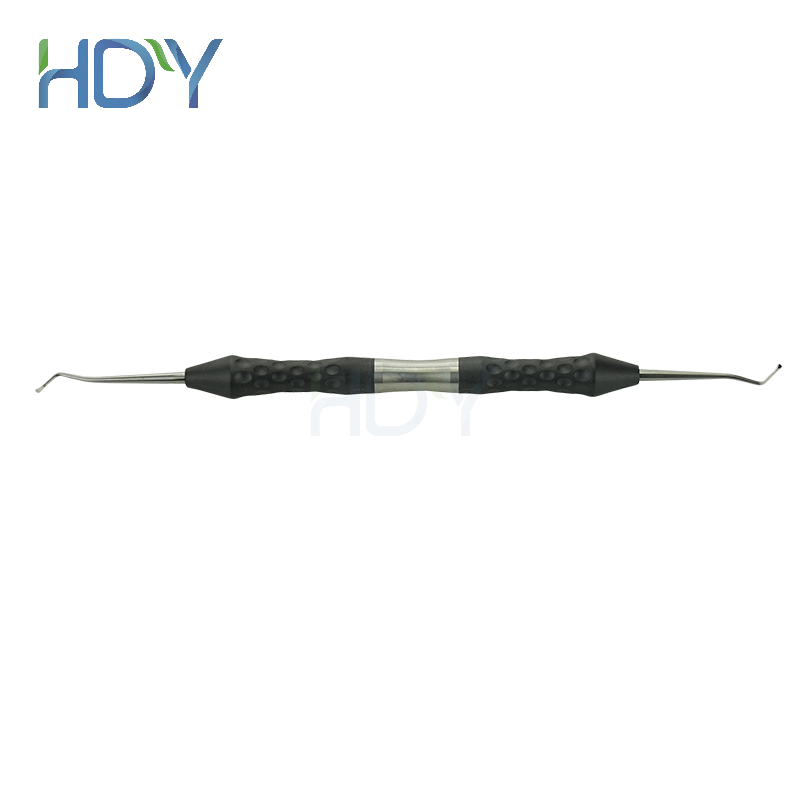
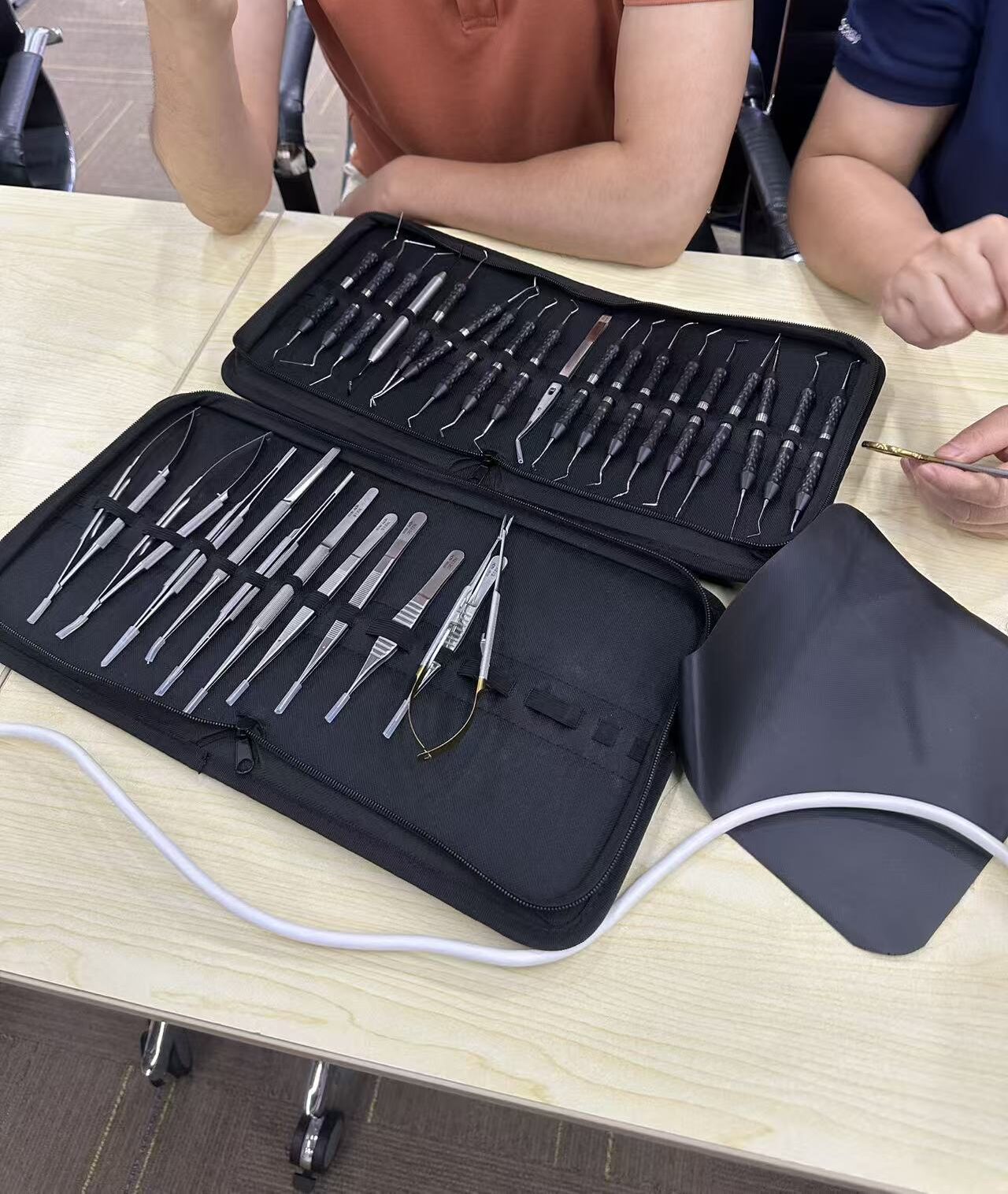
Product images can show general shape and finish, but they cannot communicate tactile feedback, joint movement, edge contact, handle balance or actual dimensional conformity. Request representative samples and involve qualified clinical or technical reviewers where appropriate.
The sample approval should identify what was accepted, what remains conditional and which physical or documented reference becomes the standard for production.
Request Product SamplesSeven Areas Every B2B Buyer Should Confirm
Dental Instrument Quality Control Questions
What should importers inspect first?
Start with product identity and the approved specification. Without a controlled product code, drawing, material requirement, functional criteria and packaging standard, inspection results may not be comparable.
Does a polished instrument automatically have strong corrosion resistance?
No. Visual polish alone does not prove material suitability, controlled passivation or product-specific corrosion performance. Review material, process, contamination control, test evidence and intended reprocessing conditions together.
How should hinged dental instruments be evaluated?
Inspect jaw and handle alignment, joint movement, locking behavior, gripping or cutting contact, assembly security, surface condition and repeated manual operation according to the approved product criteria.
Should a clinical reviewer evaluate samples?
Where clinical handling or intended use must be assessed, qualified clinical reviewers should participate under the buyer’s defined evaluation process. Their feedback should be documented separately from commercial and dimensional inspection.
What quality information can buyers request from HDY?
Buyers can contact HDY to request product specifications, relevant test or quality documentation, sample availability and information about the controls applicable to their selected models and destination market.
Request HDY Quality Information and Product Samples
Send your product codes, target quantity, destination market, required specifications, testing or documentation questions and sample evaluation plan. HDY can respond with project-relevant product and quality information. Buyers developing a private-label range can also review HDY OEM & ODM services.

 English
  简体中文
简体中文  Español
  Deutsch
  Français