

Rotation First, Wedge Second, Leverage Third: A Controlled Approach to Dental Elevators in Complex Extractions
Dental elevators are often associated with force, but effective elevator selection and controlled manipulation are fundamentally about creating space, maintaining an appropriate line of access, and transmitting force through a stable instrument-to-tooth interface.
For clinicians and dental instrument buyers, understanding the functional differences between straight elevators, curved elevators, luxating elevators and reinforced designs is essential when building a reliable extraction workflow.
A Dental Elevator Is More Than an Extraction Tool
A common misconception is that an elevator is simply inserted beside the tooth and twisted until the tooth moves. In practice, elevator selection should be related to the available periodontal ligament space, root anatomy, access direction, surrounding bone and the condition of the remaining tooth structure.
HDY develops a range of dental elevators and Luxator Elevators for different extraction scenarios, including straight, angled, thin-blade, reinforced and specialty configurations.
Three Functional Principles of Dental Elevators
Rotation — Wheel and Axle
Controlled rotation can help expand an existing periodontal ligament space and gradually mobilize a tooth or root. The movement should remain centered and limited rather than becoming uncontrolled spinning.
This principle is particularly relevant when a suitable mesial or distal access point is clearly available.
Wedging
A thin elevator or Luxator-style blade can enter an available periodontal space and help create separation between the root and surrounding structures.
Wedging should be controlled and anatomy-dependent rather than used as an aggressive apical pushing maneuver.
Leverage
Leverage can assist elevation when a suitable fulcrum and adequate supporting bone are present. The amount and direction of force should be carefully controlled to avoid unnecessary stress on adjacent structures.
When Dental Elevators Become Especially Valuable
Elevators can become particularly useful when conventional forceps access is limited or when the remaining tooth structure does not provide a reliable grip.
01. Root Covered by Gingiva
When the visible root structure is limited, direct visualization and controlled access become important before selecting an elevator.
02. Limited Grip on a Partially Impacted Tooth
Partially impacted teeth may provide insufficient crown access for conventional forceps. An appropriate elevator configuration can help establish controlled initial mobilization.
03. Curved Roots and Restricted Access
Mesiodistal root curvature or posterior access limitations may make an angled or curved elevator more appropriate than a straight instrument.
04. Multi-Rooted Teeth with Compromised Crowns
When the crown cannot provide a stable forceps grip, elevators, root forceps and sectioning instruments may form part of a more controlled extraction workflow.
HDY Dental Elevator System: Straight, Curved and Luxating Designs
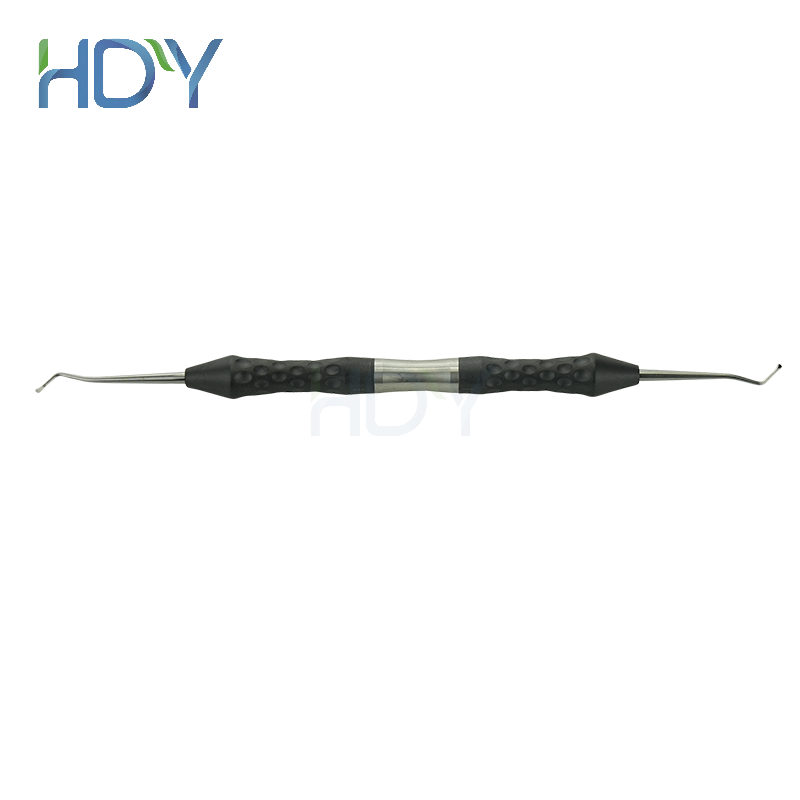
HDY's current elevator portfolio includes straight and curved Forta elevators as well as thin Luxating Elevator configurations. The product range is designed around differences in blade width, access angle, rigidity and clinical application. :contentReference[oaicite:1]{index=1}
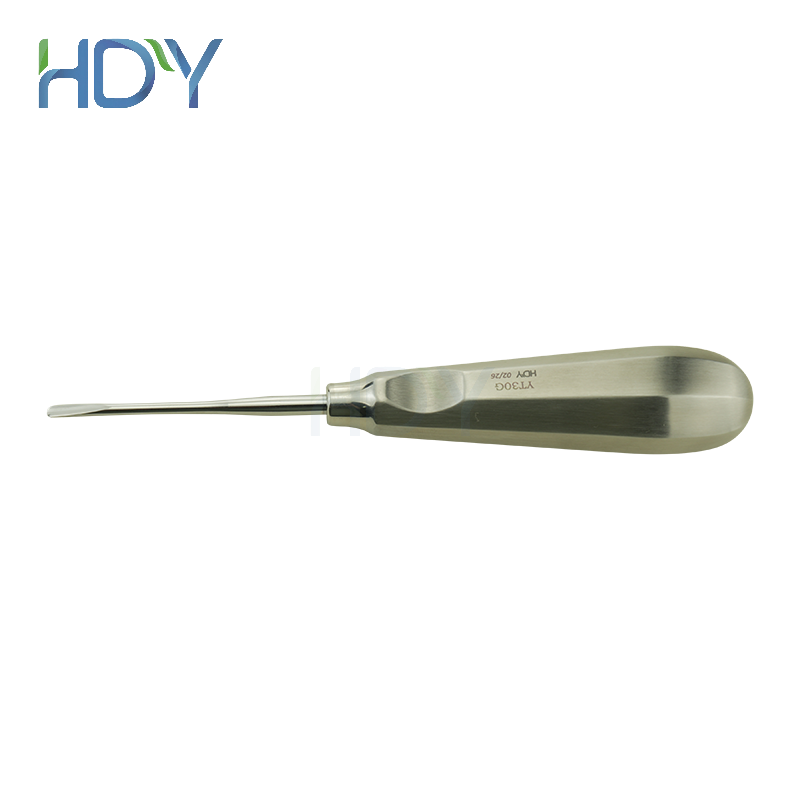
YT30G Forta Elevator 3mm, Straight
A reinforced straight elevator designed for tooth and root elevation, periodontal ligament separation and controlled luxation.
View YT30G →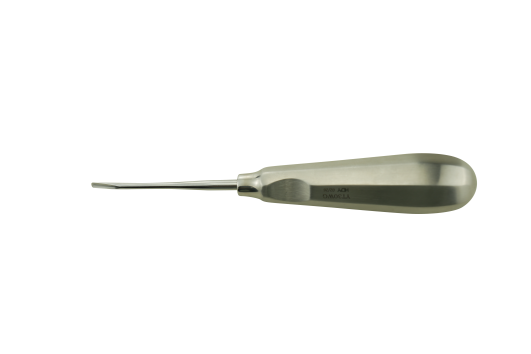
YT30WG Forta Elevator 3mm, Curved
The curved working end provides an alternative approach for posterior extraction areas and difficult root access.
View YT30WG →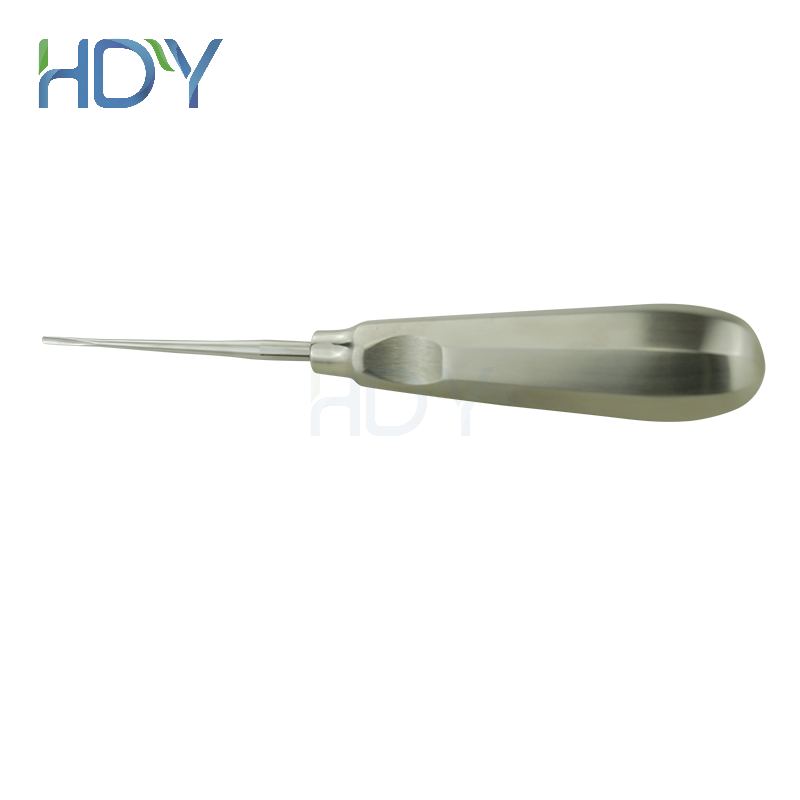
YTB20G / YTB20WG Luxating Elevators
Thin-blade configurations are intended for situations where access to a narrow periodontal space is important.
View YTB20G →View YTB20WG →
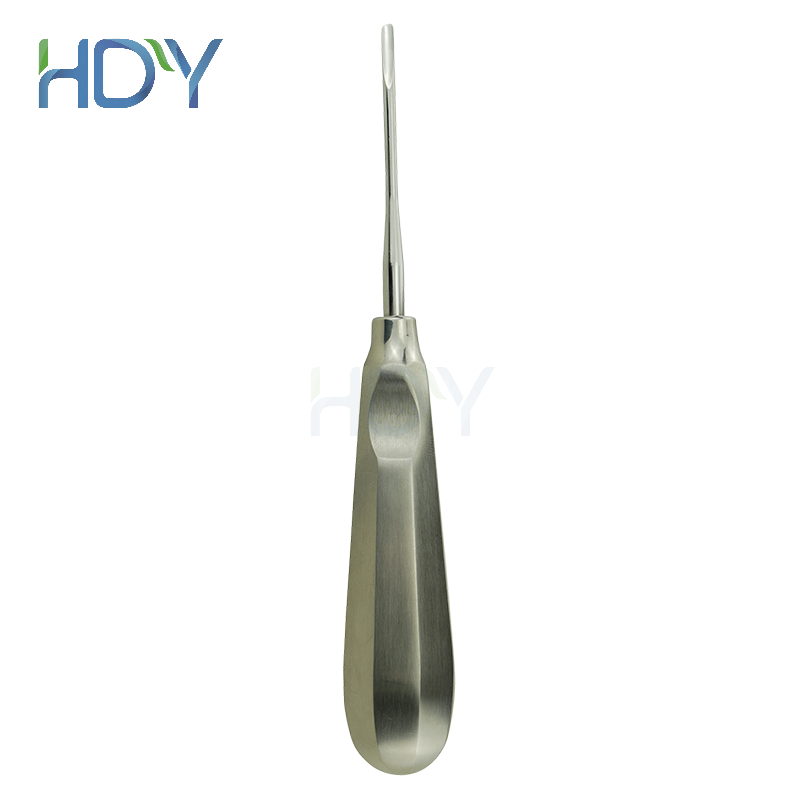
YTB30G / YTB30WG 3mm Luxating Elevators
A wider blade option for cases requiring greater working surface while maintaining controlled access.
View YTB30G →Straight vs. Curved Dental Elevators
Instrument geometry should follow access and anatomy. HDY's Luxator Elevator range currently includes both straight and angled versions, while the Forta series includes reinforced straight and curved designs. :contentReference[oaicite:2]{index=2}
| Configuration | Typical Consideration | HDY Example |
|---|---|---|
| Straight Elevator | Useful where the tooth axis and access direction allow straightforward alignment. | YT30G |
| Curved / Angled Elevator | Useful where posterior access or root geometry makes a straight approach less convenient. | YT30WG |
| Thin Luxating Elevator | Designed for narrow access where a slimmer working blade can engage the available space. | YTB20G |
| Reinforced Forta Elevator | Intended for applications requiring a more rigid working end and stable force transmission. | YT30G / YT30WG |
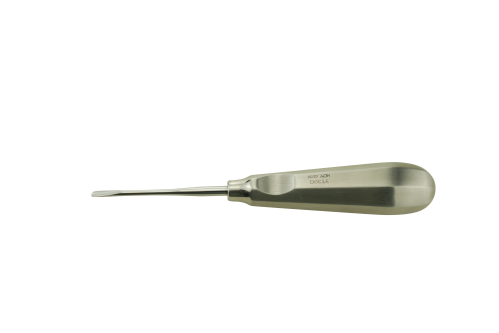
YT30G | Straight
Straight geometry for direct access and axial alignment.
YT30WG | Angled
Curved geometry for posterior and restricted-access extraction sites.
Elevators Work Best as Part of an Extraction Instrument System
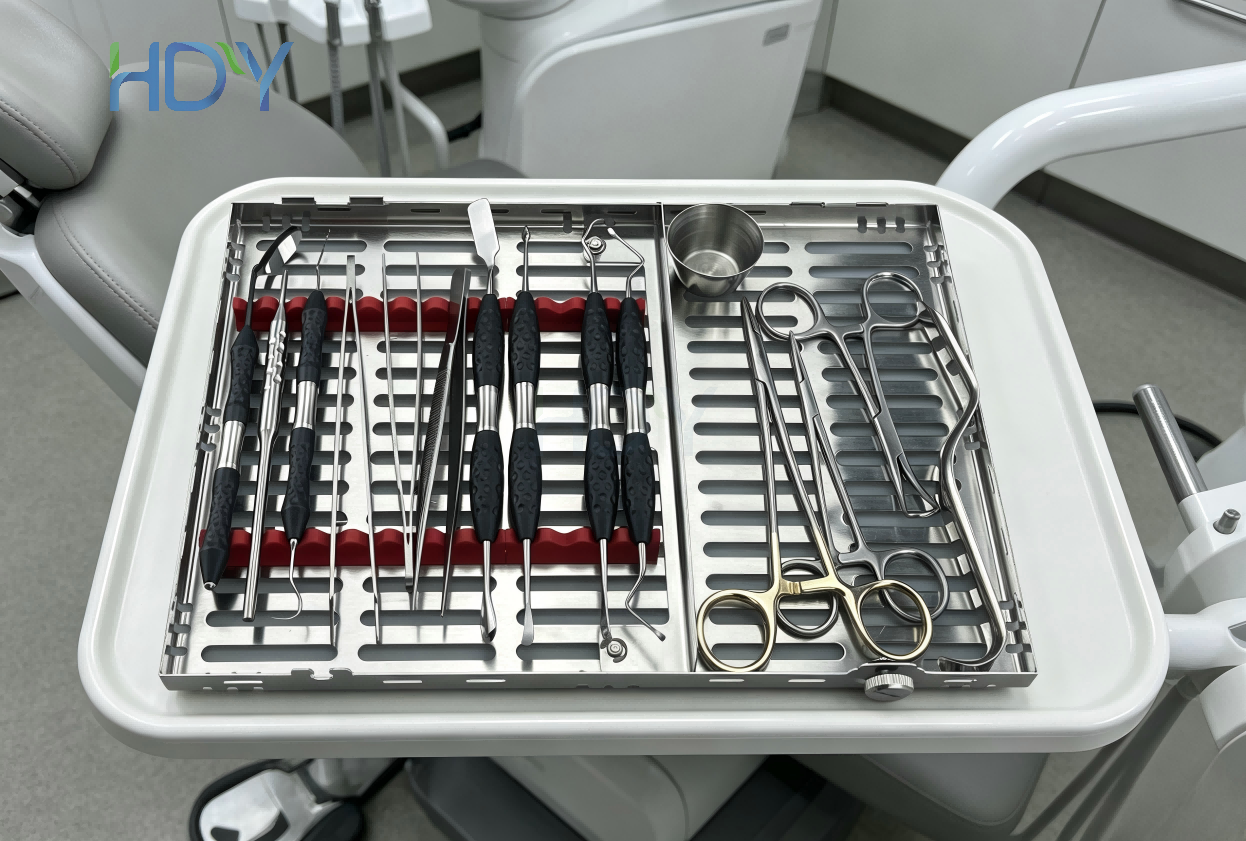
A dental elevator should not be viewed as an isolated instrument. Complex extraction workflows may also involve periodontal ligament cutters, surgical curettes and extraction forceps depending on the clinical situation.
HDY's Luxator Elevator page currently presents complementary products including periotomes, surgical curettes, apical forceps and root forceps, allowing distributors and clinics to build procedure-focused instrument sets rather than purchasing isolated instruments. :contentReference[oaicite:3]{index=3}
Explore the complete HDY Luxator Elevator range or browse the broader HDY Oral Surgery Instrument portfolio .
Supporting Instruments for Root and Extraction Procedures
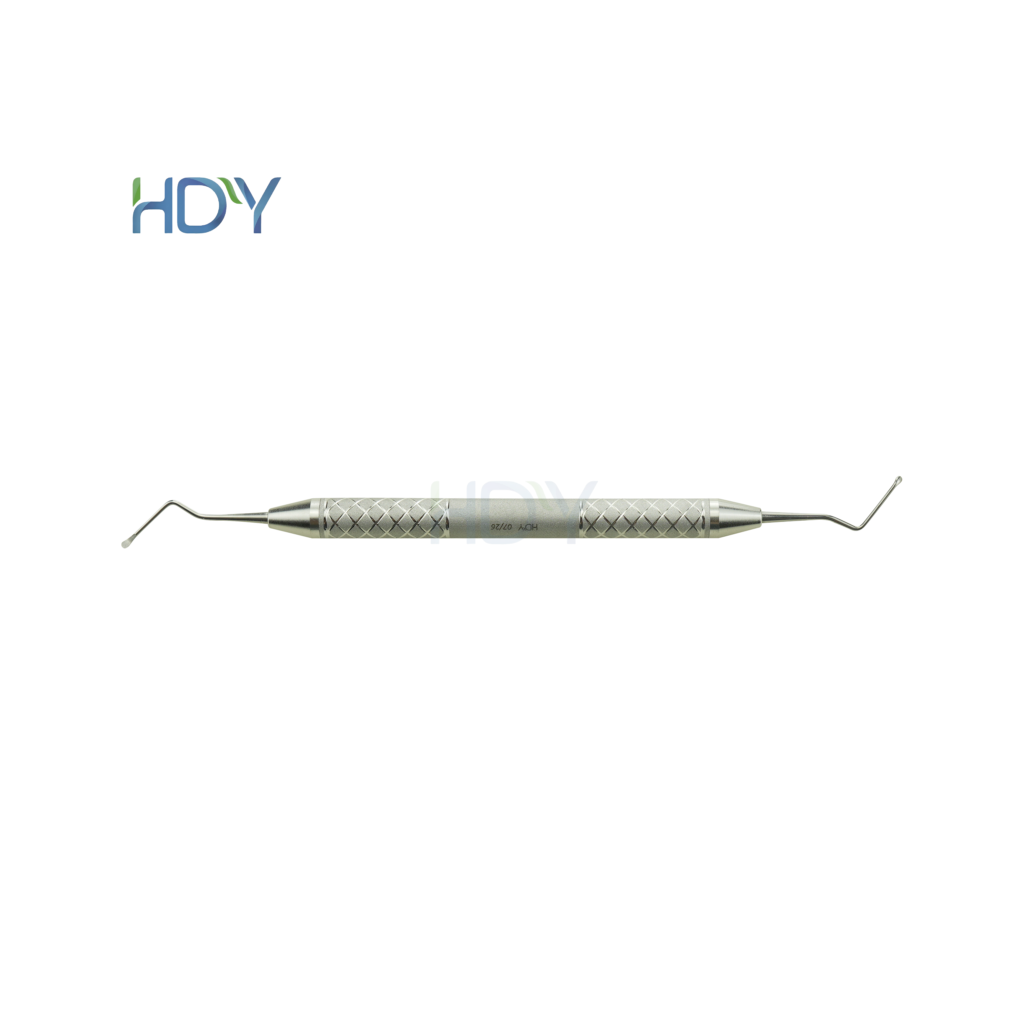
Periotomes
Periotomes can be used as part of a controlled PDL-access strategy before tooth elevation.
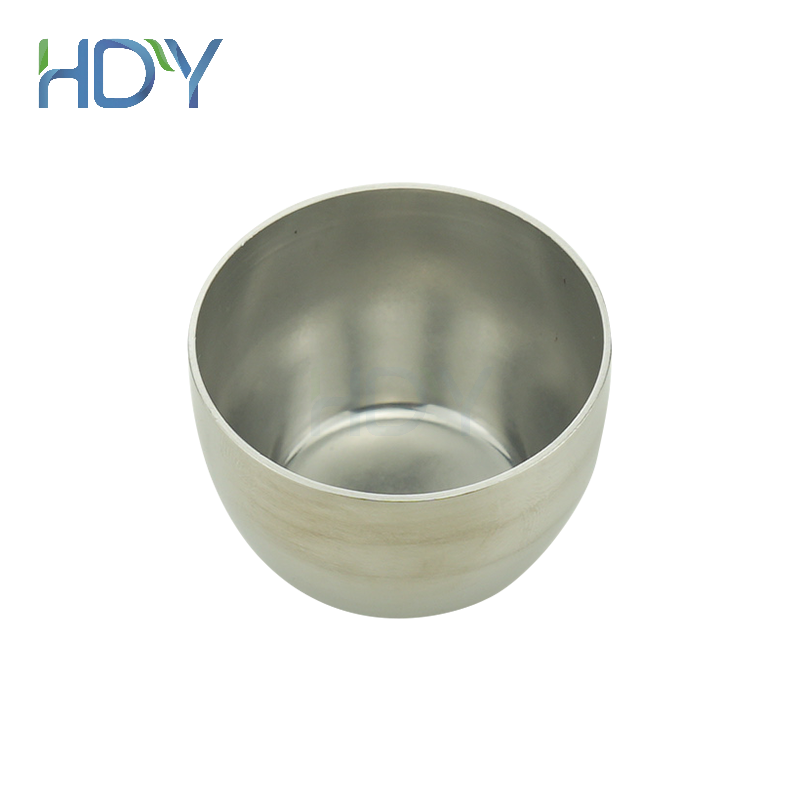
Explore HDY Periotomes →Surgical Curettes
Surgical curettes support socket management and removal of granulation tissue or small bone fragments when clinically indicated.
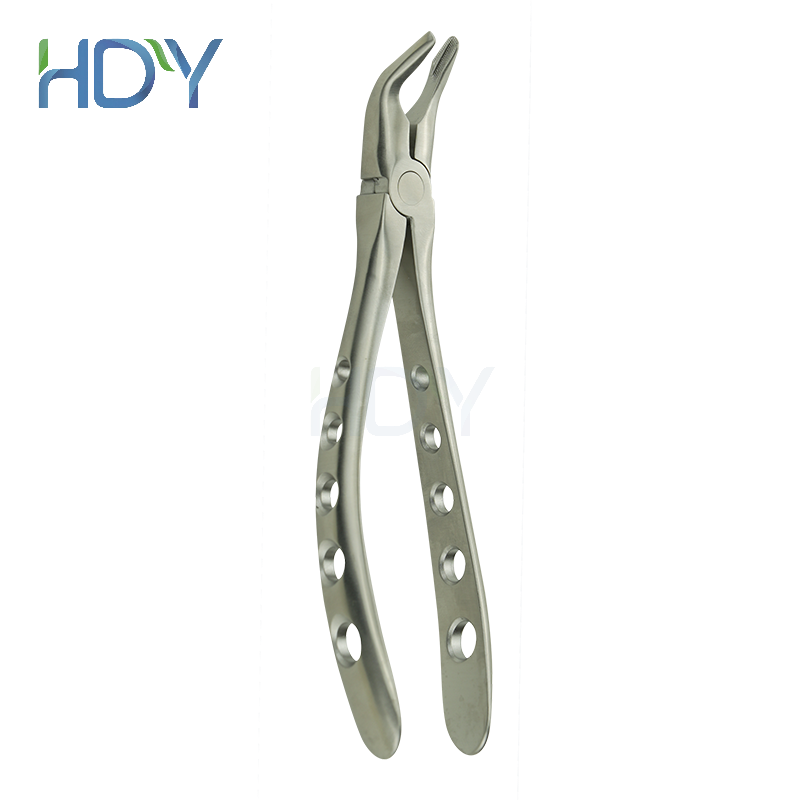
Explore Surgical Curettes →Extraction Forceps
Once adequate mobilization has been achieved, appropriate extraction forceps can be used to complete delivery according to the clinical situation.
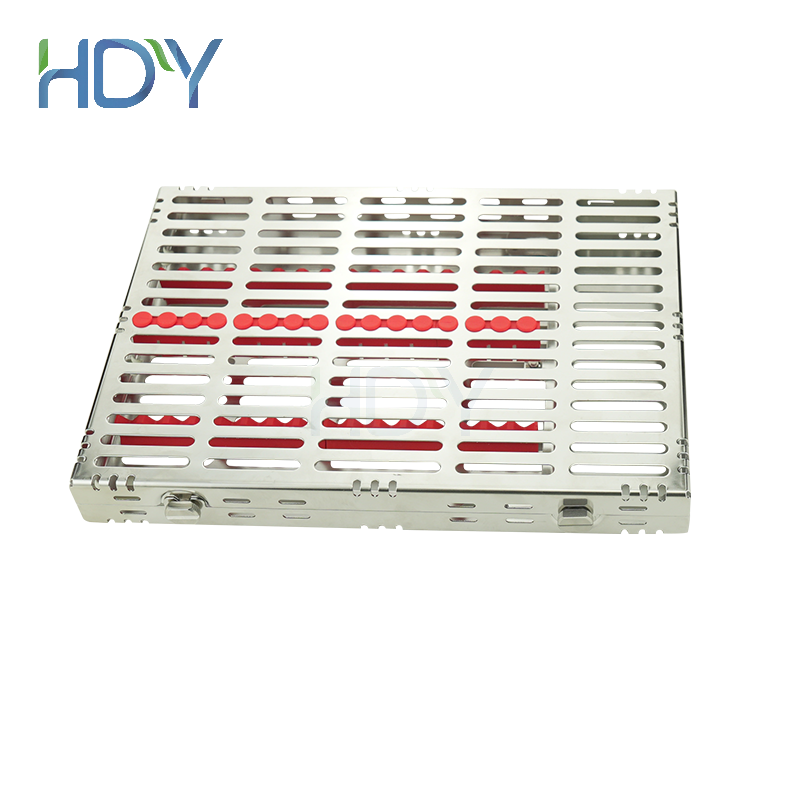
Explore Dental Forceps →Dental Instrument Cassettes
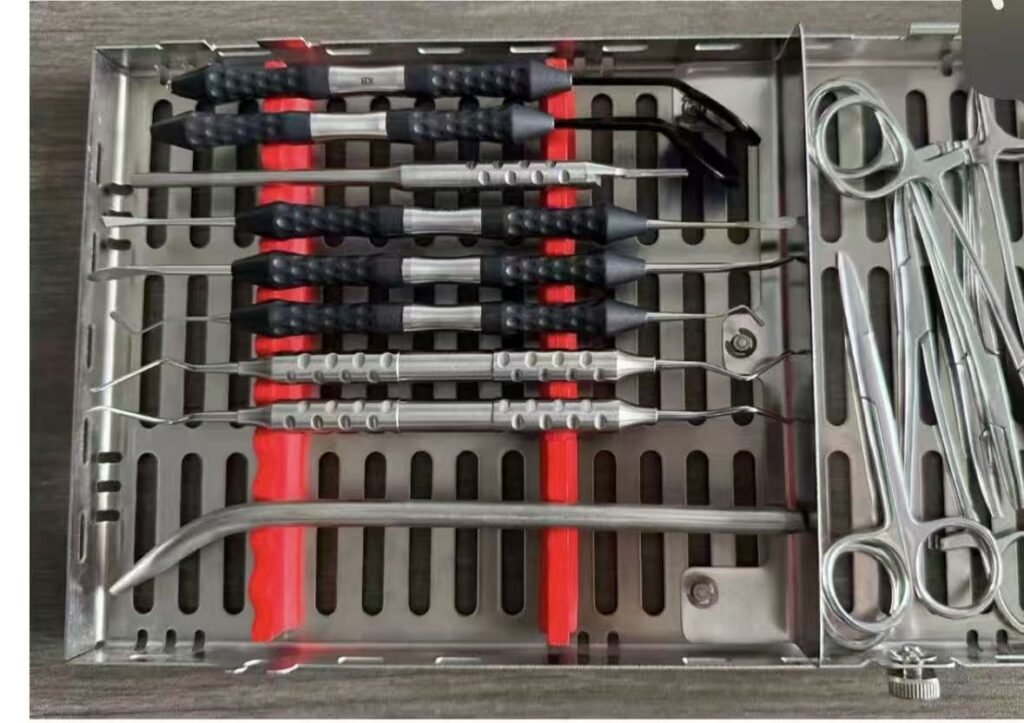
Procedure-focused instrument organization can also simplify cleaning, sterilization and storage of elevator-based extraction sets.
Explore Dental Cassettes →How to Select a Dental Elevator
Assess Access
Consider visibility, tooth position, adjacent teeth, surrounding bone and the direction of the root.
Identify the Available Space
Determine whether a suitable periodontal or interproximal entry point is available before selecting blade geometry.
Match Blade Geometry
Select straight, curved, thin or reinforced configurations according to the anatomy and access requirements.
Use Controlled Force
Favor controlled, progressive movement rather than repeated high-force manipulation or uncontrolled rotation.
Change the Strategy When Resistance Persists
Persistent resistance may indicate unfavorable anatomy, insufficient access, root curvature, ankylosis or another clinical factor requiring a different surgical approach.
Why Instrument Geometry Matters to Dental Instrument Manufacturers
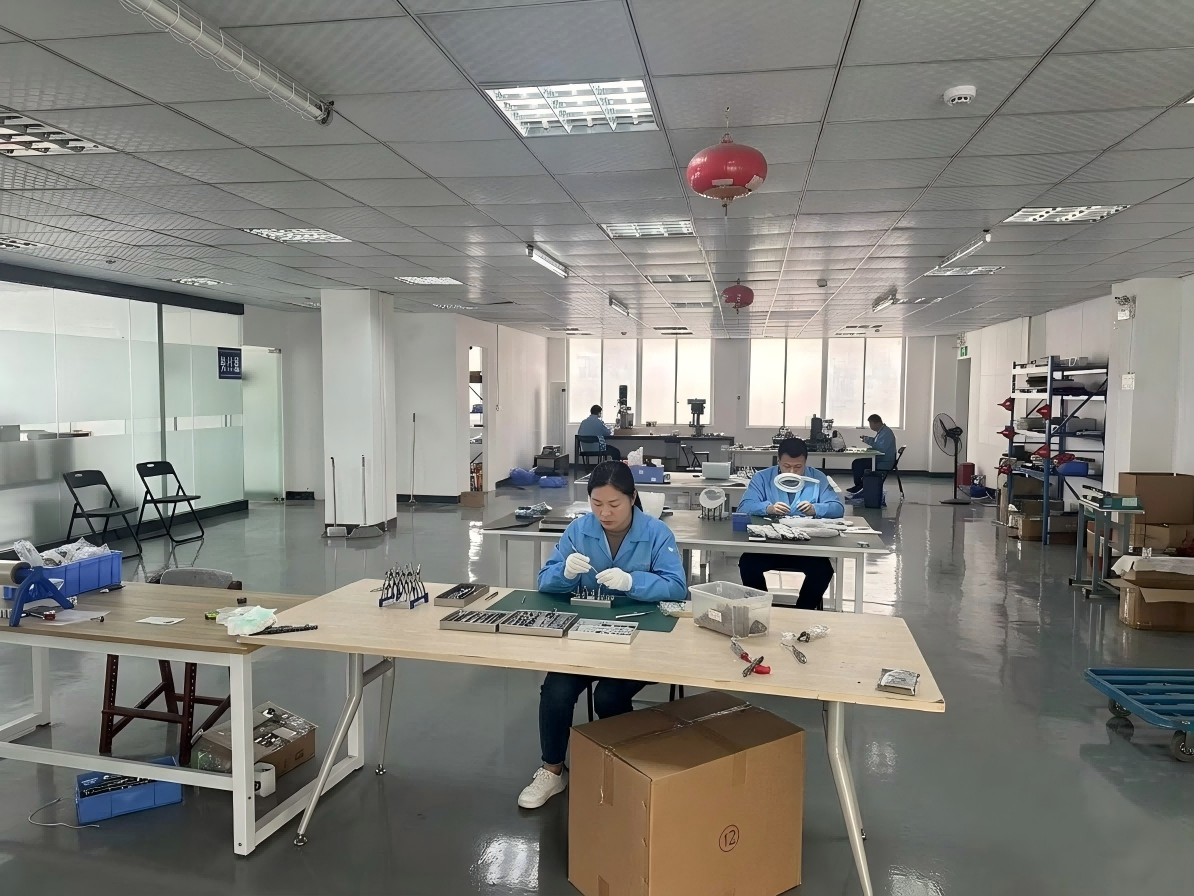
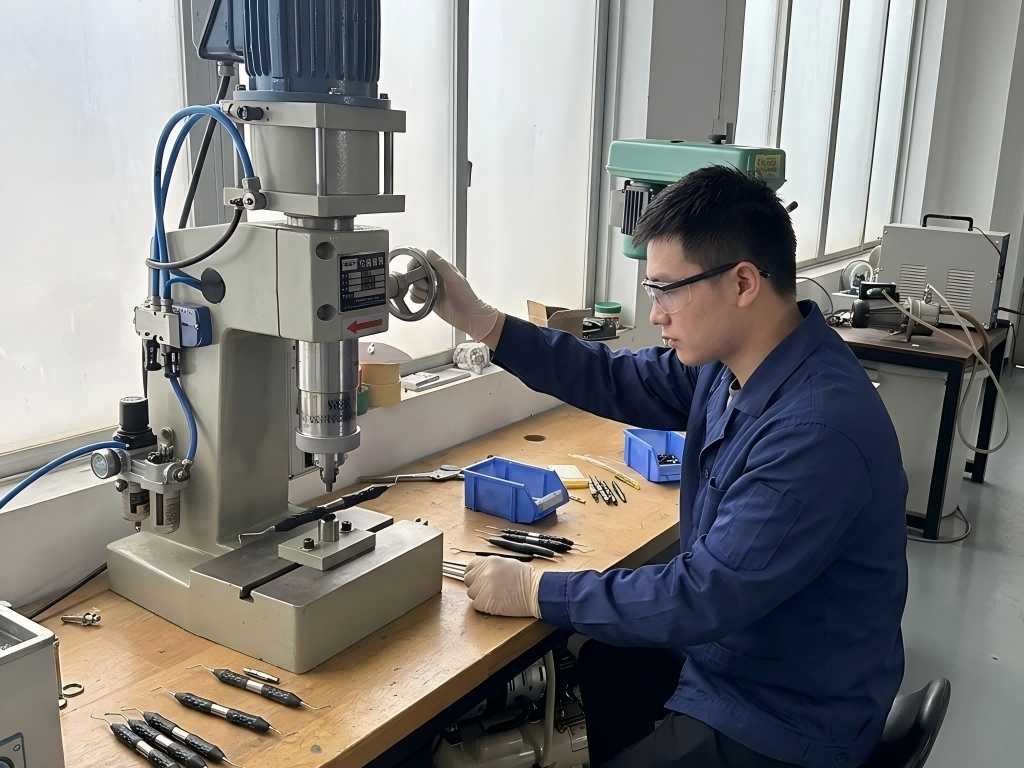
For a professional dental instrument manufacturer , elevator performance is not only about the blade shape. Material, heat treatment, machining accuracy, handle geometry, surface finishing and quality control all influence the consistency of the finished instrument.
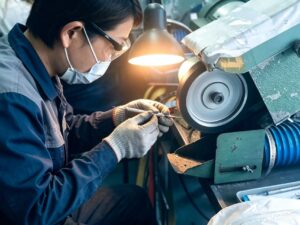
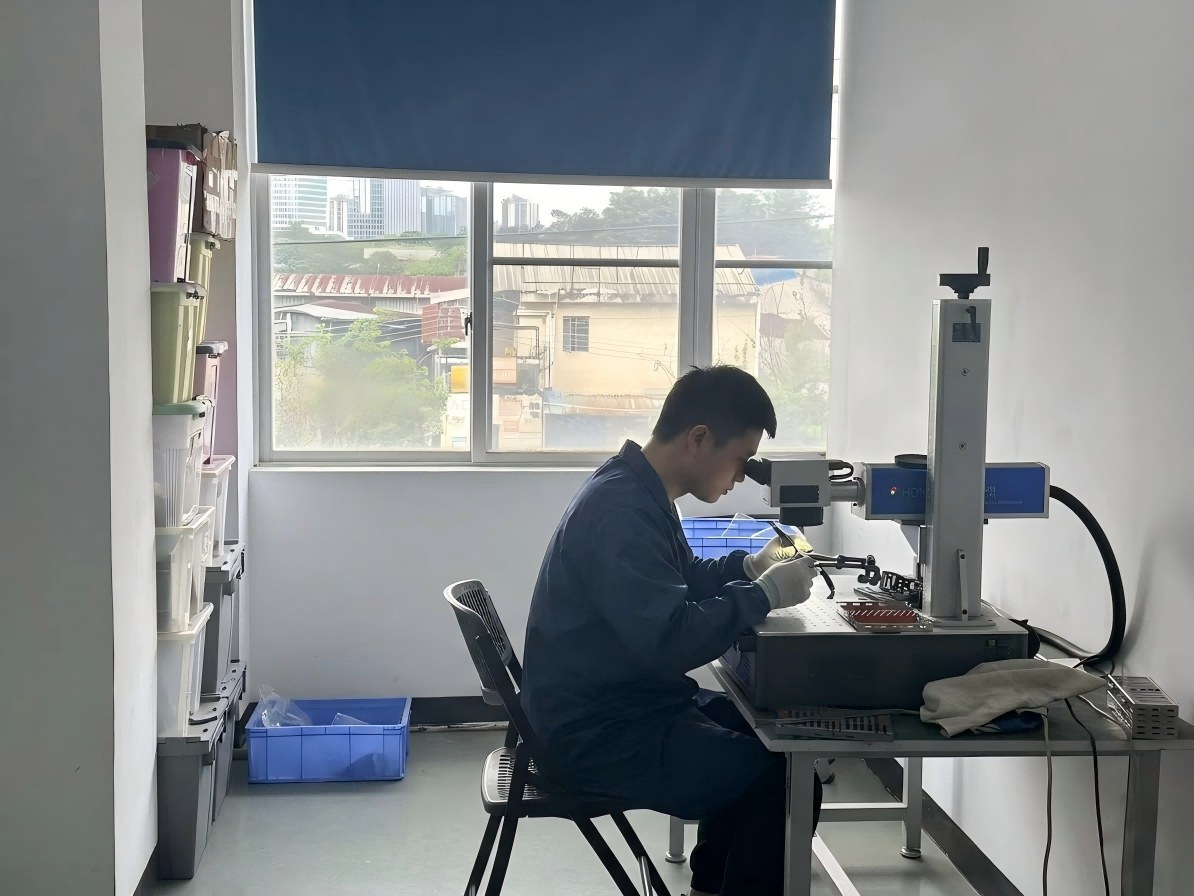
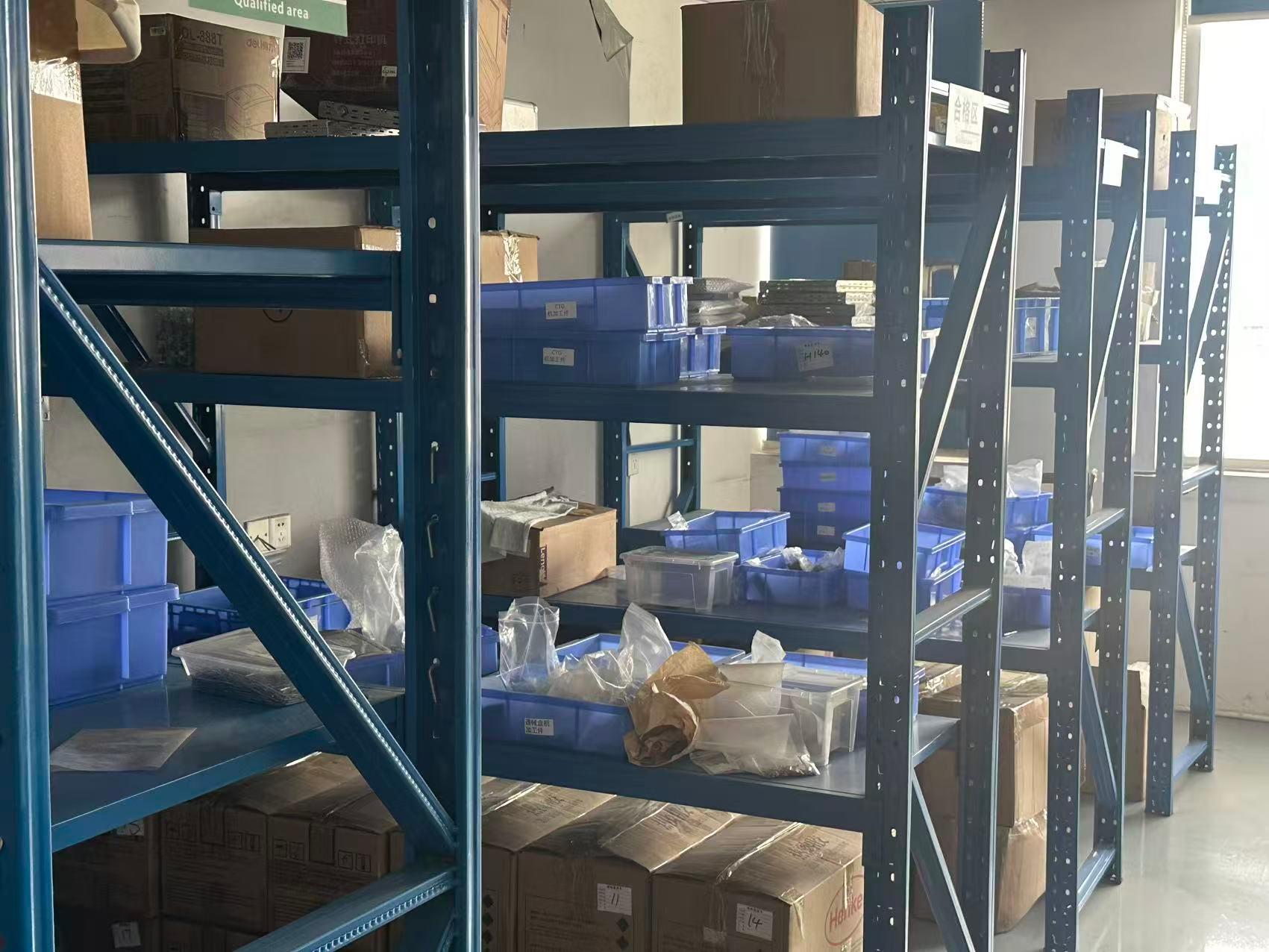
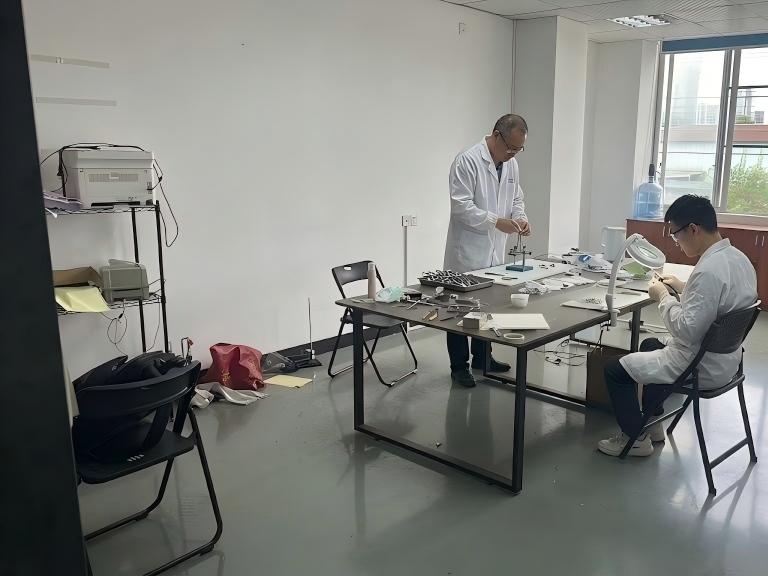
HDY states that its manufacturing capabilities include product design, CNC precision machining, heat treatment, polishing, satin finishing, laser marking and surface passivation. The company also describes incoming-material inspection, production inspection, heat-treatment testing, surface inspection and final inspection as part of its quality process. :contentReference[oaicite:4]{index=4}
Building a Dental Extraction Instrument Kit
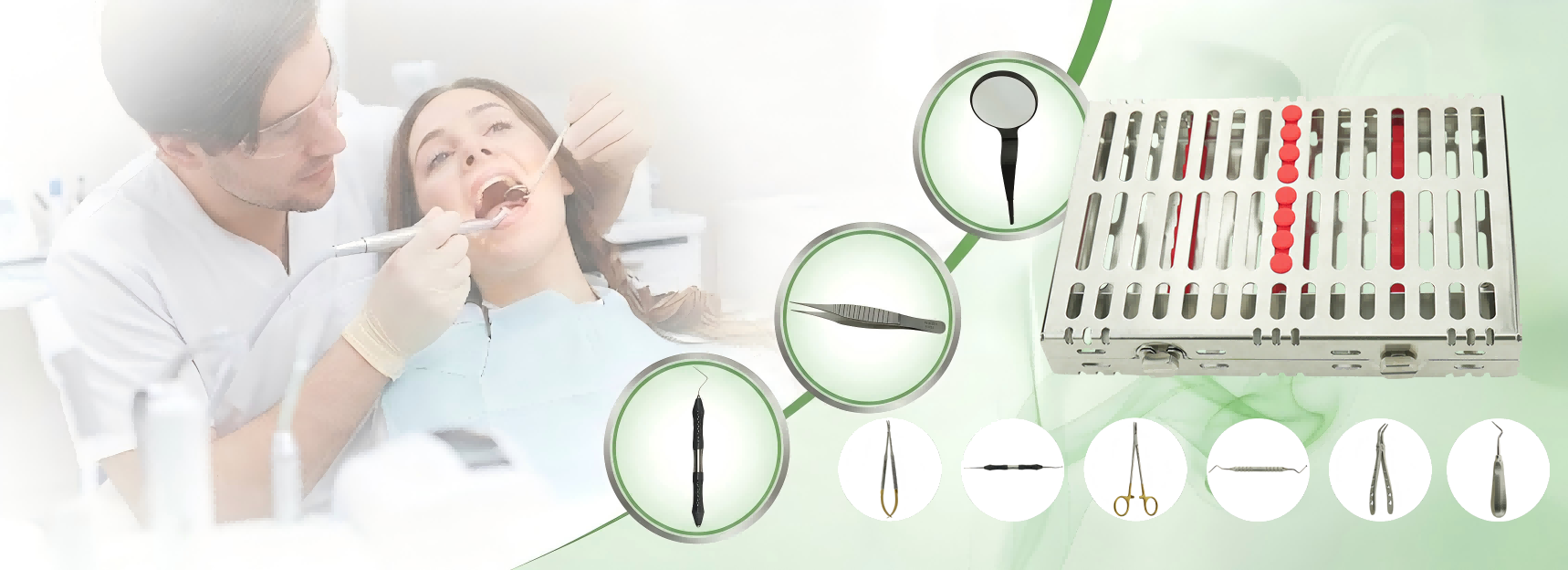
A professional extraction kit should be selected according to the procedures it is expected to support. Instead of relying on a single elevator design, a balanced set can combine straight and curved elevators with thin luxating instruments, forceps, curettes and complementary surgical instruments.
HDY's current product portfolio includes extraction forceps, elevators, surgical curettes, retractors, periosteals and other oral surgery instruments. This allows dental distributors and private-label brands to develop procedure-specific instrument combinations. :contentReference[oaicite:5]{index=5}
For buyers looking for a complete dental elevator supplier , HDY can provide standard products as well as OEM/ODM customization for dental brands, distributors, hospitals and clinics.
The Core Principle: Create Space Before Increasing Force
A good dental elevator is not simply about applying more force. Effective extraction instrumentation is about controlled access, appropriate blade geometry and predictable force transmission.
Rotation, wedging and leverage are not competing concepts. They are different mechanical functions that can be selected according to the clinical anatomy and available access.
For dental professionals, this means choosing the elevator according to the tooth and root anatomy rather than simply choosing the strongest instrument. For dental distributors and instrument brands, it means building a product portfolio that covers different blade widths, angles, working-end designs and extraction scenarios.
Looking for a Professional Dental Elevator Manufacturer?
HDY Medical Technology (Guangzhou) Co., Ltd. manufactures dental elevators, Luxator Elevators, extraction forceps and other oral surgery instruments. OEM and ODM solutions are available for dental brands, distributors, hospitals and clinics.
Explore HDY OEM & ODM Request a Quote

 English
 简体中文
 Español
 Deutsch
 Français
 العربية