
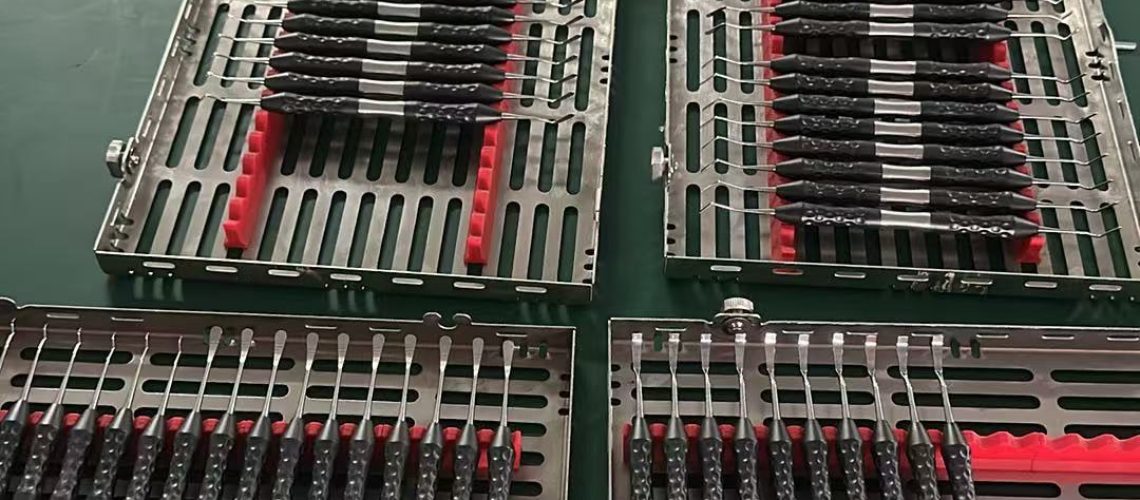
ISO 13485 Dental Instruments: What Manufacturers and Distributors Need to Know
A practical guide for dental instrument manufacturers, distributors, importers, hospitals, clinics, and private-label dental brands. Learn how quality management, manufacturing control, documentation, OEM/ODM, and supplier evaluation affect global dental instrument sourcing.
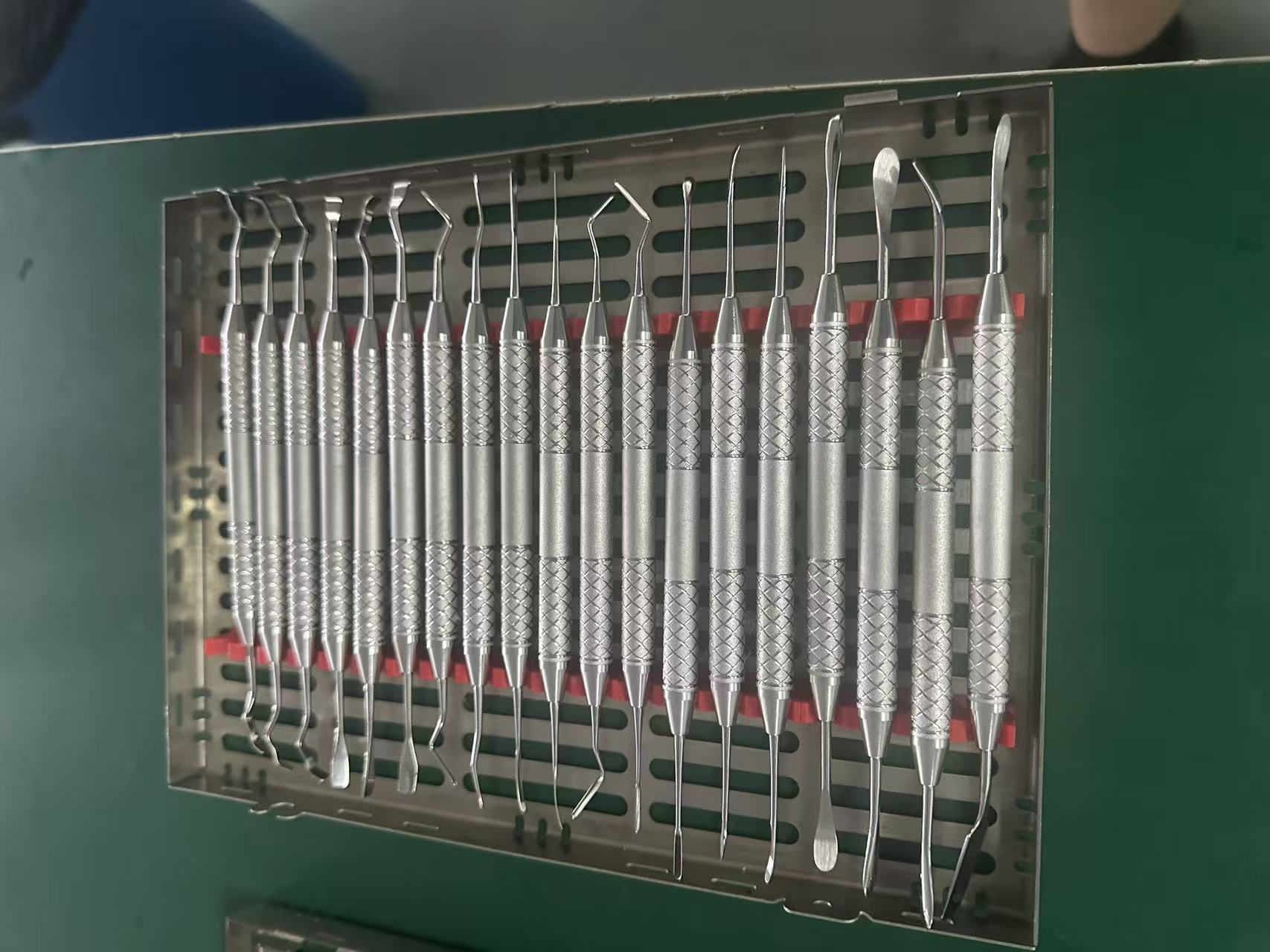
For dental instrument manufacturers and distributors, quality management is becoming increasingly important in global medical device markets. Buyers are no longer evaluating dental instruments based only on price, appearance, or product range. They also want to understand how instruments are designed, manufactured, inspected, sterilized, documented, and managed throughout the product lifecycle.
ISO 13485 is one of the key international standards associated with quality management systems for medical devices. For companies involved in the manufacturing and supply of dental instruments, dental surgical instruments, dental hand instruments, implant instruments, and oral surgery instruments, understanding ISO 13485 can help create a more structured approach to quality and regulatory requirements.
According to the International Organization for Standardization (ISO), ISO 13485:2016 specifies requirements for a quality management system for organizations involved in medical devices and related services. The current edition was reviewed and confirmed in 2025 and remains the current published version.
What Is ISO 13485?
ISO 13485:2016 is an international standard for medical device quality management systems (QMS).
Unlike general quality management standards designed for many different industries, ISO 13485 is specifically focused on the medical device sector and its regulatory environment. The standard addresses quality management throughout relevant stages of the medical device lifecycle, including design, production, delivery, and servicing.
For a dental instrument manufacturer, this quality-management approach can cover activities such as:
- Product design and development
- Material selection
- Supplier management
- Manufacturing processes
- Process validation
- Inspection and testing
- Product identification and traceability
- Risk management
- Document control
- Nonconformity management
- Corrective and preventive actions
- Customer feedback
- Post-market activities where applicable
Why Is ISO 13485 Important for Dental Instrument Manufacturers?
A professional dental instrument manufacturer needs to manage much more than machining and finishing.
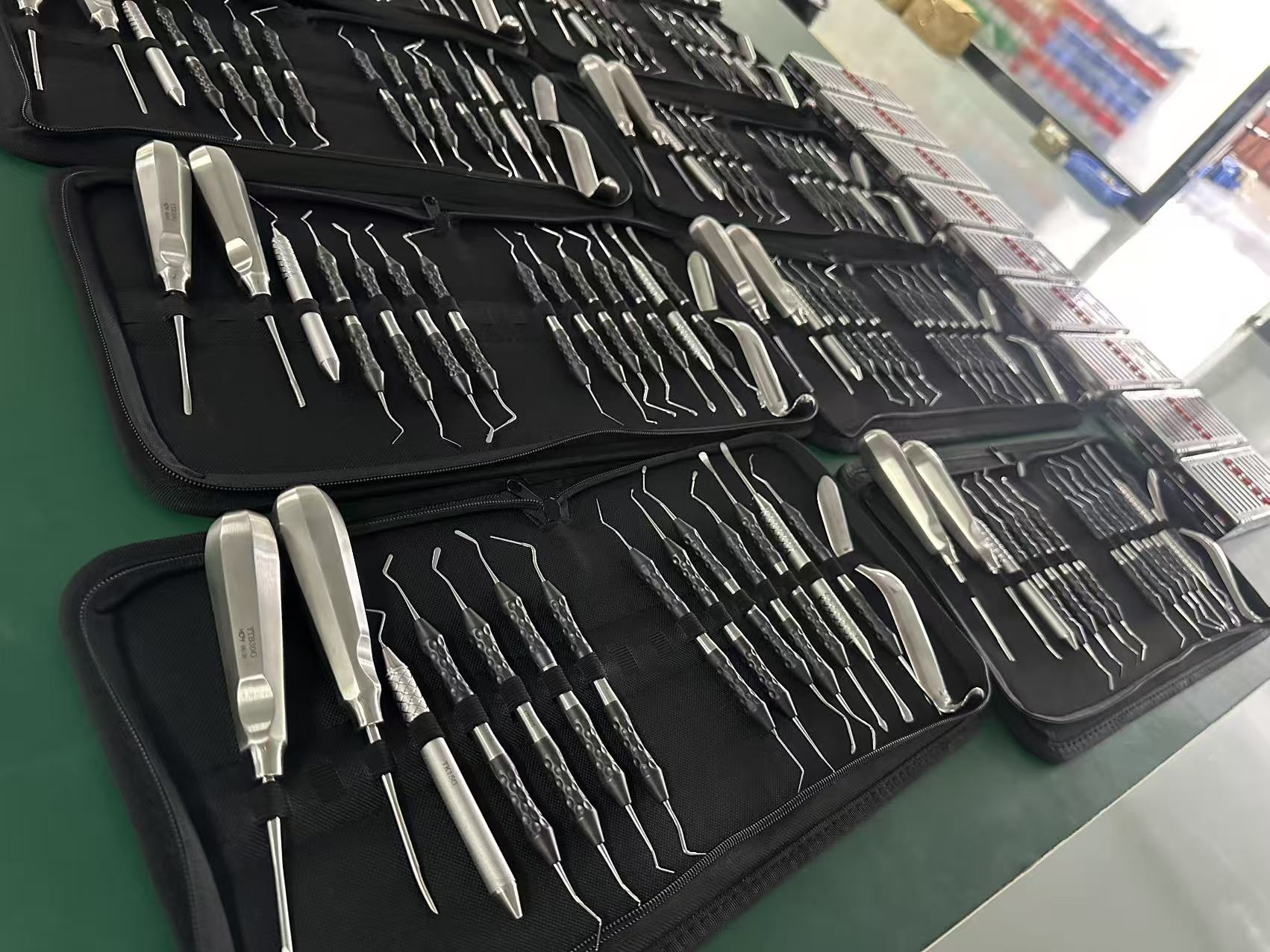
Dental instruments may include:
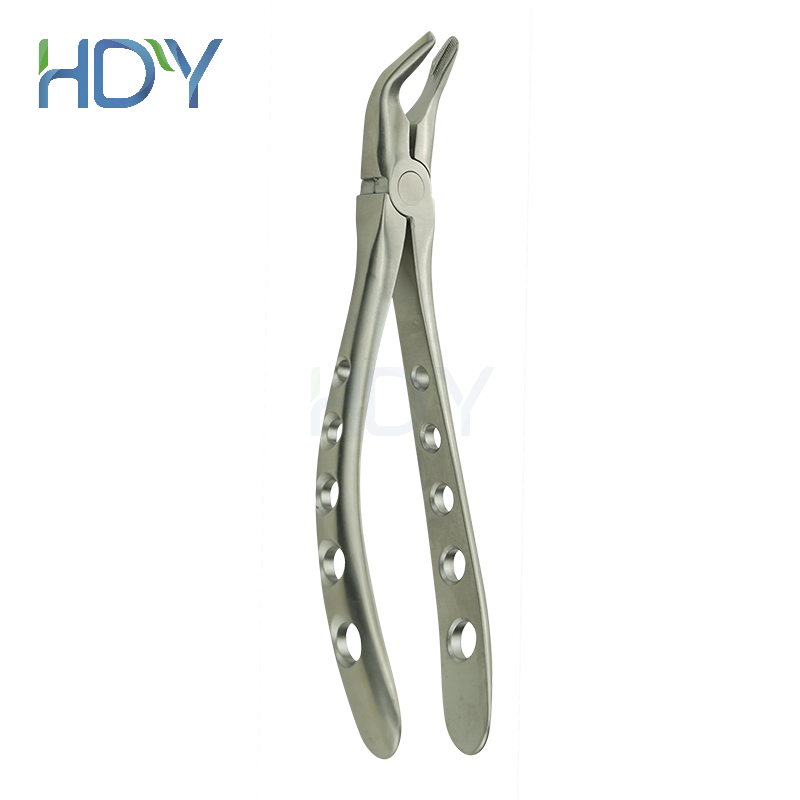
- Dental Forceps
- Dental Elevators
- Luxator Elevators
- Root Elevators
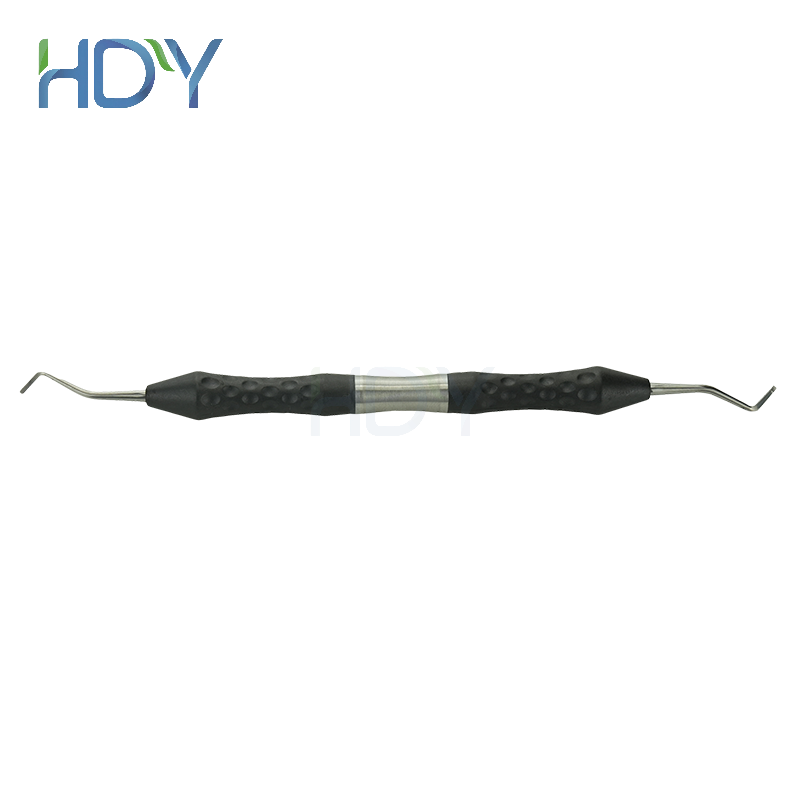
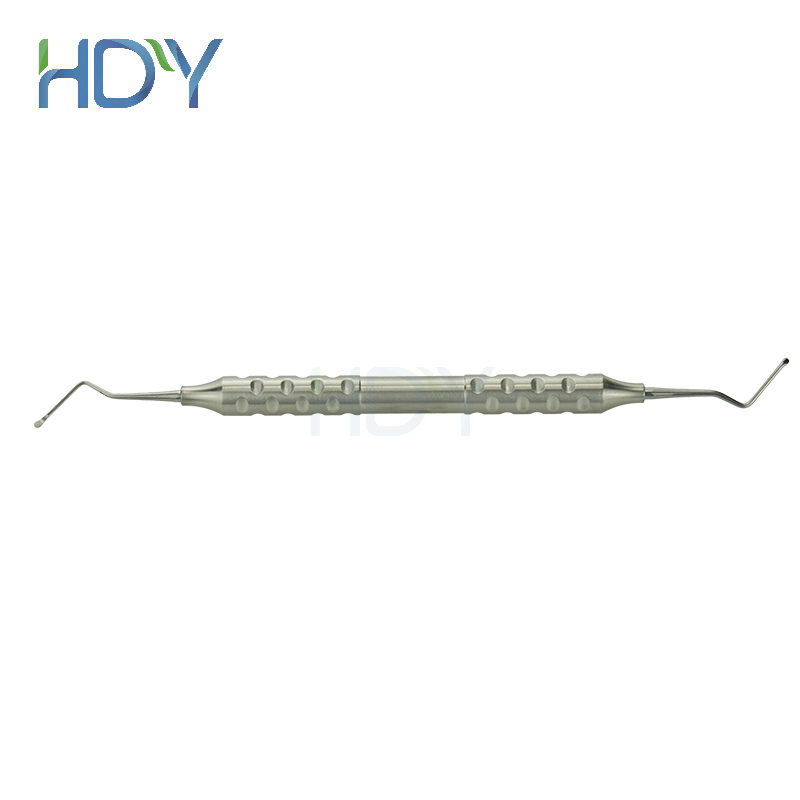
- Dental Excavators
- Periodontal Instruments
- Implant Instruments
- Bone Chisels
- Bone Rongeurs
- Surgical Scissors
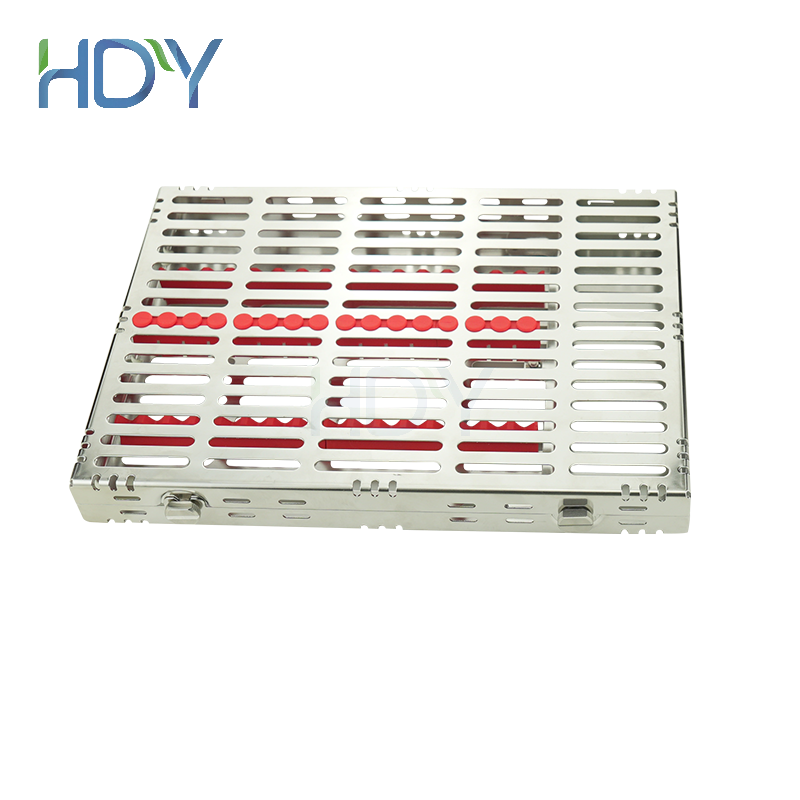
- Dental Surgical Kits
- Oral Surgery Instruments
These products can have different functional requirements, materials, dimensions, surface finishes, working ends, hardness specifications, and intended clinical applications.
A structured QMS helps manufacturers establish controlled processes for producing products consistently.
ISO explains that ISO 13485 is designed to help organizations consistently meet customer and regulatory requirements while managing risks associated with medical devices.
ISO 13485 and Dental Instrument Manufacturing
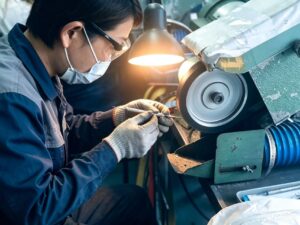
The manufacturing process for professional dental instruments can involve multiple controlled stages.
Material Selection
Dental surgical instruments commonly require materials with appropriate mechanical properties, corrosion resistance, durability, and compatibility with their intended use and reprocessing requirements.
Precision Machining
Dental hand instruments require accurate dimensions and carefully controlled working ends.
Heat Treatment
For instruments that require specific mechanical properties, heat treatment can be an important manufacturing stage.
Surface Finishing
Surface quality is another important consideration for dental instruments.
1. Material Selection
Dental surgical instruments commonly require materials with appropriate mechanical properties, corrosion resistance, durability, and compatibility with their intended use and reprocessing requirements.
For example, surgical instruments may require carefully controlled stainless-steel materials and manufacturing specifications.
A quality management system can help establish procedures for:
- Approved material suppliers
- Incoming material inspection
- Material identification
- Material documentation
- Batch or lot traceability
- Nonconforming material control
For distributors, this provides greater confidence that production is based on controlled and documented processes.
2. Precision Machining
Dental hand instruments require accurate dimensions and carefully controlled working ends.
Depending on the instrument, manufacturing may include:
- CNC machining
- Precision grinding
- Forging
- Milling
- Heat treatment
- Polishing
- Surface finishing
- Laser marking
- Final assembly
The objective is not simply to produce an instrument that looks professional. Manufacturing processes should consistently meet defined product specifications.
3. Heat Treatment
For instruments that require specific mechanical properties, heat treatment can be an important manufacturing stage.
Controlled heat-treatment processes can influence characteristics such as:
- Hardness
- Strength
- Durability
- Wear resistance
For dental surgical instruments, the working end needs to maintain its intended performance during clinical use and appropriate reprocessing.
4. Surface Finishing
Surface quality is another important consideration for dental instruments.
Depending on the product, finishing processes may include:
- Mirror polishing
- Satin finishing
- Fine grinding
- Passivation
- Surface treatment
A well-controlled finishing process can contribute to product appearance, corrosion resistance, cleanability, and overall manufacturing consistency.
What Should Dental Instrument Distributors Ask Manufacturers?
For a dental distributor, selecting a supplier involves more than comparing unit prices.
Before establishing a long-term relationship with a dental instrument supplier, distributors should consider several areas.
1. Does the manufacturer have a documented quality management system?
Ask the supplier about its quality management system and applicable certifications.
If a manufacturer claims ISO 13485 certification, distributors should verify the relevant certification documentation, scope, issuing certification body, and validity.
ISO also clarifies that ISO itself does not perform ISO 13485 certification. Certification is carried out by independent certification bodies.
2. Can the manufacturer provide product documentation?
Depending on the market and product, distributors may need documentation such as:
- Product specifications
- Technical documentation
- Inspection records
- Material information
- Packaging information
- Instructions for use
- Sterilization/reprocessing information where applicable
- Certificates and declarations relevant to the target market
The exact documentation required depends on the product, intended use, and regulatory market.
3. Can the manufacturer support OEM and ODM projects?
For distributors developing their own dental brands, manufacturing flexibility can be as important as product quality.
A capable dental instrument manufacturer in China may support:
- OEM dental instruments
- ODM dental instruments
- Private-label products
- Customized instrument designs
- Customized handles
- Laser marking
- Customized packaging
- Dental surgical instrument kits
- Custom instrument sets
This allows distributors to develop products under their own brands while working with an experienced manufacturing partner.
ISO 13485 vs. ISO 9001 for Dental Instrument Suppliers
One common question among dental buyers is the difference between ISO 13485 and ISO 9001.
Both relate to quality management, but their intended applications are different.
| Standard | Main Focus | Application |
|---|---|---|
| ISO 9001 | General Quality Management | Organizations across many industries |
| ISO 13485 | Medical Device Quality Management | Organizations involved in medical devices |
ISO 9001 is a general quality management standard that can apply to organizations across many industries.
ISO 13485 is specifically designed for the medical device industry and places greater emphasis on medical-device regulatory requirements, risk management, and controlled processes.
For a company manufacturing dental surgical instruments, ISO 13485 can therefore be particularly relevant because dental instruments can fall within the broader medical-device regulatory environment depending on their intended purpose and market.
However, an ISO 13485 certificate should not be interpreted as a universal product approval for every country or every product. Regulatory requirements vary between markets.
Distributors should therefore evaluate both the manufacturer's QMS and the regulatory requirements applicable to their specific products and destination markets.
Why ISO 13485 Matters for Dental Instruments China
China has become an important manufacturing base for dental instruments and medical devices.
International buyers looking for Dental Instruments China, Dental Surgical Instruments China, or a Dental Instrument Manufacturer China often evaluate suppliers based on several factors:
- Manufacturing capability
- Product range
- Quality management
- Production capacity
- OEM/ODM capability
- Inspection procedures
- Documentation
- Export experience
- Customization capability
- Delivery reliability
- After-sales support
Price remains important in B2B procurement, but professional distributors increasingly need suppliers capable of supporting long-term product development and regulatory requirements.
This is why a structured quality management system can be an important part of a manufacturer's B2B value proposition.
How HDY Approaches Dental Instrument Manufacturing
HDY Medical Technology (Guangzhou) Co., Ltd. focuses on the development and manufacturing of professional dental instruments for global dental markets.
HDY's product portfolio covers a broad range of dental instruments, including instruments for:
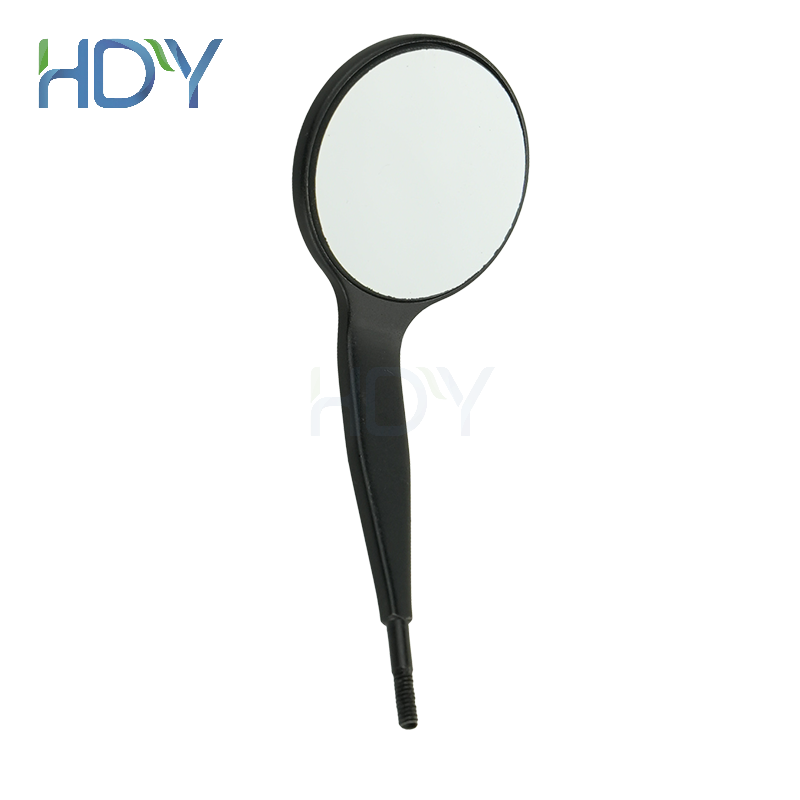
- Diagnostic procedures
- Periodontal treatment
- Implantology
- Restorative dentistry
- Oral surgery
- Dental extraction
- General dental procedures
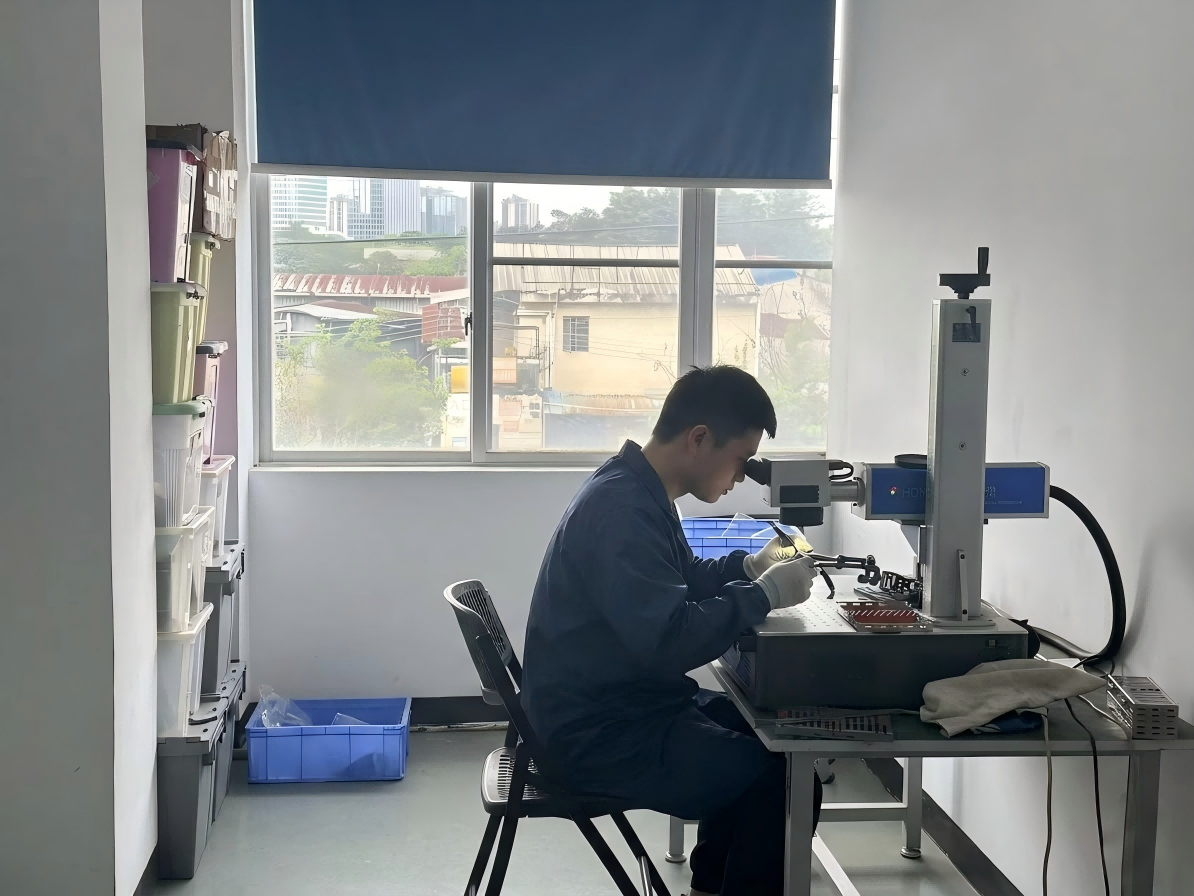
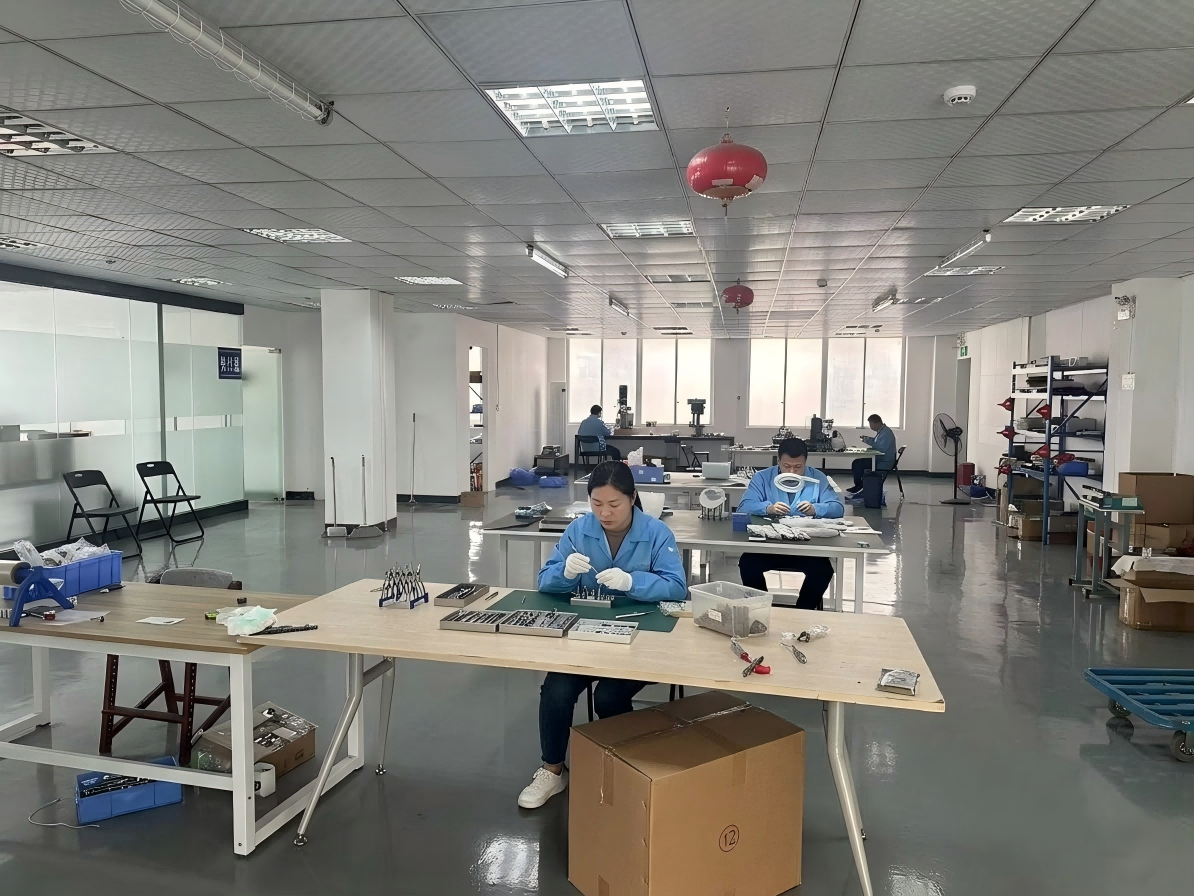
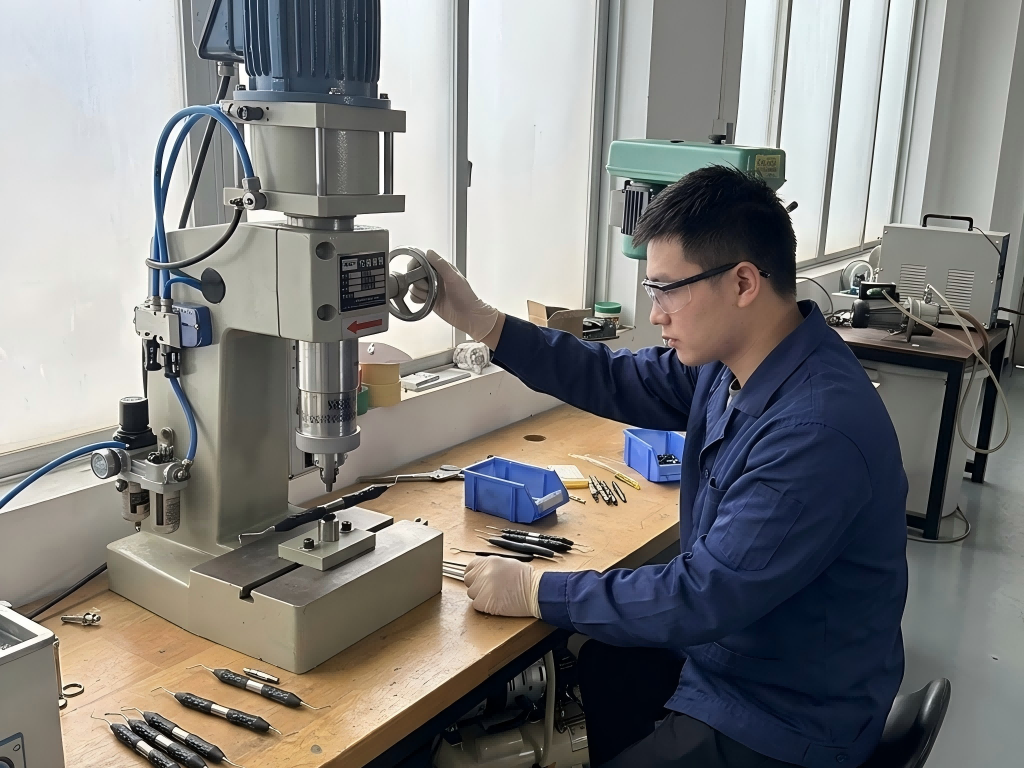
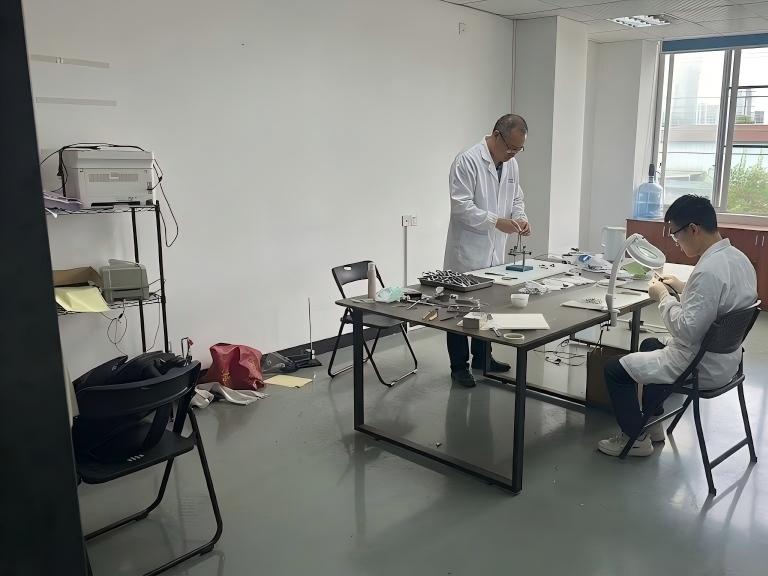
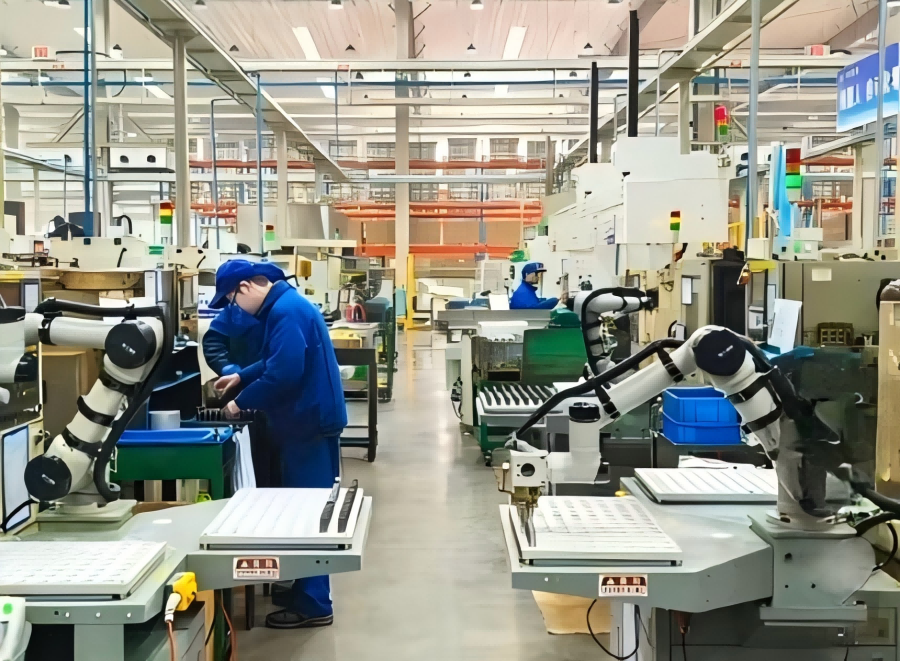
The manufacturing process involves multiple stages, from product design and material selection to precision machining, heat treatment, surface finishing, inspection, and final preparation.
For international distributors, hospitals, dental clinics, dental laboratories, and dental supply companies, HDY provides a platform for sourcing professional dental instruments and developing customized product solutions.
Surgical Instruments
High-quality surgical instruments for efficient and precise dental procedures.
Explore Surgical →Diagnostic Instruments
Precision diagnostic instruments for reliable examination and treatment planning.
Explore Diagnostics →OEM & ODM
Customized dental instrument manufacturing for global distributors and dental brands.
Explore OEM & ODM →Dental Surgical Instruments for Global B2B Buyers
For distributors, purchasing a single dental instrument is often only the beginning.
Many professional buyers need complete product portfolios.
For example, an oral surgery distributor may require:
Dental Extraction Instruments
- Extraction Forceps
- Root Elevators
- Luxators
- Dental Elevators
Oral Surgery Instruments
- Surgical Scissors
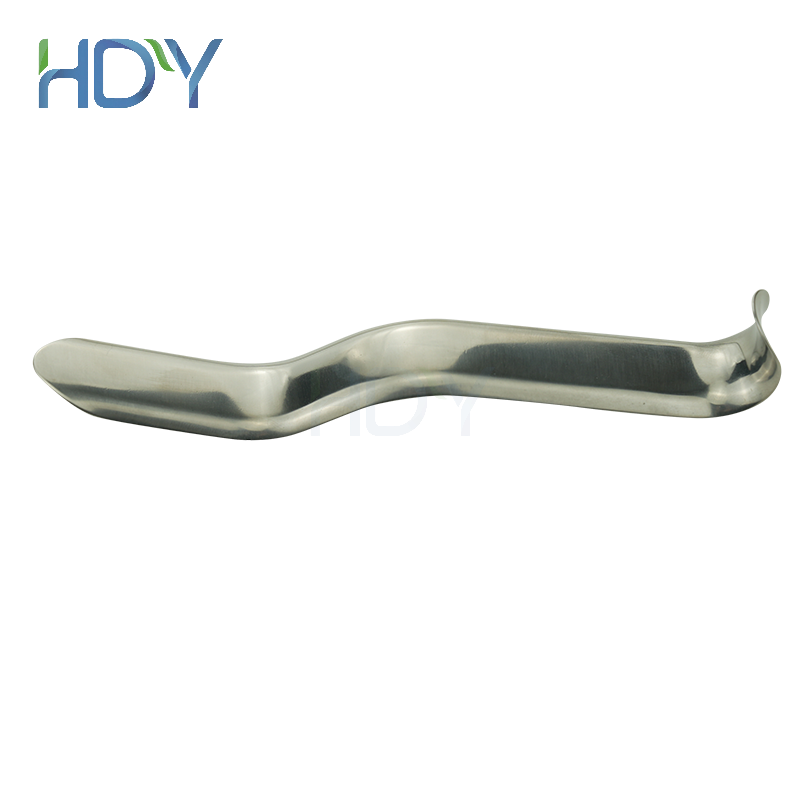
- Retractors
- Bone Chisels
- Bone Rongeurs
Implant Instruments
- Implant Surgical Instruments
- Implant Drivers
- Osteotomes
- Implant Instrument Kits
A manufacturer capable of supplying multiple product categories can simplify sourcing and help distributors develop a more complete portfolio.
OEM & ODM Dental Instruments for Distributors
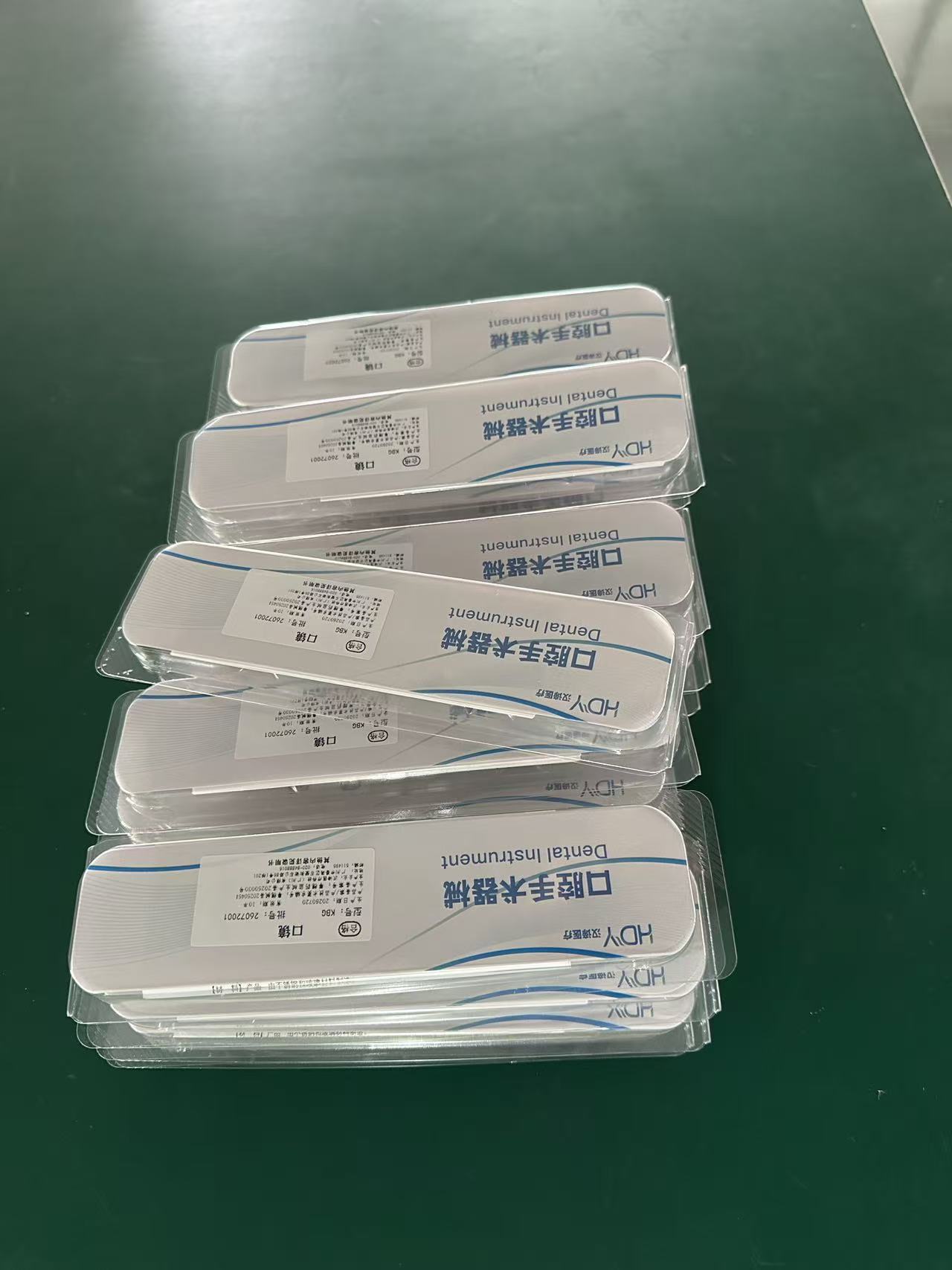
For private-label dental brands, OEM and ODM capabilities can provide additional flexibility.
A professional dental instrument manufacturer may support customization of:
Product Design
Customized instrument geometry and functional requirements based on project specifications.
Handle Design
Different handle shapes, textures, sizes, and ergonomic requirements can be considered for specific product lines.
Branding
Depending on the project, customization may include:
- Laser logo marking
- Product identification
- Packaging
- Labels
- Product codes
Instrument Sets
Manufacturers can also develop customized:
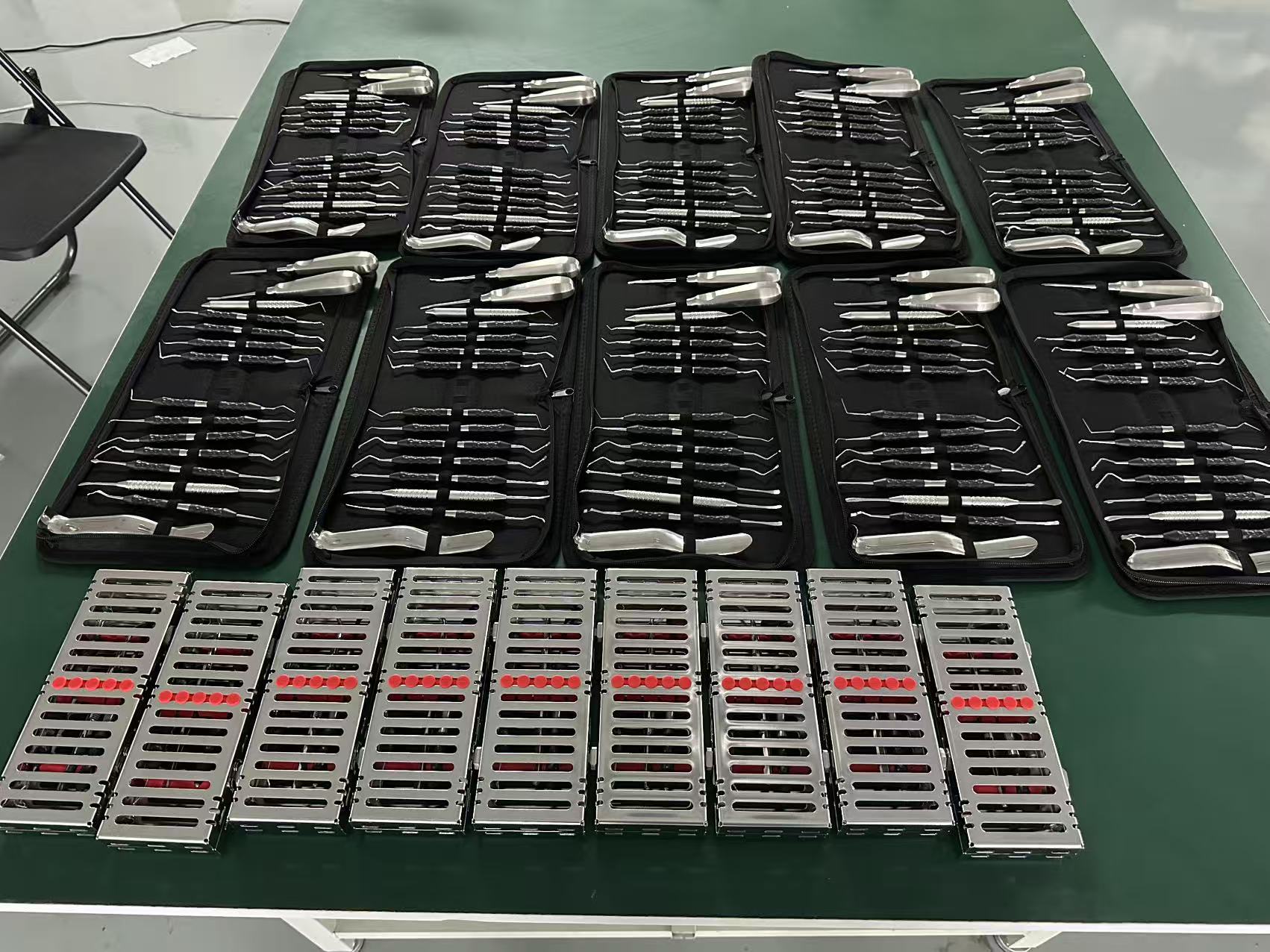
- Dental Surgical Instrument Kits
- Implant Instrument Kits
- Oral Surgery Sets
- Extraction Instrument Sets
- Periodontal Instrument Sets
For distributors, this can make it easier to build differentiated product portfolios instead of competing only on standard catalog products.
What Should You Look for in a Dental Instrument Manufacturer?
Before selecting a long-term supplier, B2B buyers can evaluate the following areas:
Manufacturing Capability
Does the supplier have the machining, grinding, heat treatment, polishing, inspection, and assembly capabilities required for the products?
Quality Management
Does the manufacturer maintain a documented quality management system appropriate for medical devices?
Product Consistency
Can the supplier maintain consistent dimensions, working-end geometry, surface finishing, and mechanical properties across production batches?
Documentation
Can the manufacturer provide the technical and quality documentation required for your market?
OEM & ODM Capability
Can the supplier customize products, packaging, branding, and instrument sets?
Production Capacity
Can the factory support both sample development and larger-volume production?
Export Support
Can the supplier support international distributors with product information, packaging, documentation, and communication?
Long-Term Partnership
Can the manufacturer support product development rather than simply processing individual purchase orders?
ISO 13485 Is About More Than a Certificate
For dental instrument manufacturers and distributors, ISO 13485 should not be viewed simply as a marketing badge.
The underlying concept is a structured quality management system designed specifically for medical devices.
ISO describes the standard as a framework for organizations to manage quality and applicable regulatory requirements throughout relevant parts of the medical device lifecycle.
For dental instrument buyers, the practical question should therefore be:
Can this manufacturer consistently control its products, processes, documentation, suppliers, risks, and quality requirements?
That question is often more useful than looking at a certificate alone.
Choose a Dental Instrument Manufacturer for Long-Term Growth
The global dental industry continues to create opportunities for manufacturers, distributors, importers, and private-label brands.
For B2B buyers, choosing the right dental instrument supplier means looking beyond price.
Product Quality
Reliable manufacturing and controlled product performance.
Manufacturing Consistency
Stable processes for repeat production and long-term supply.
Quality Management
Structured processes supporting consistent manufacturing.
Documentation
Product and quality information for professional B2B procurement.
OEM & ODM
Flexible product, branding, packaging, and instrument-set customization.
Global Distribution
Support for international dental distributors and professional buyers.
HDY is committed to providing professional dental instrument manufacturing solutions for international dental businesses.
Whether you are sourcing dental forceps, dental elevators, luxator elevators, dental surgical instruments, implant instruments, periodontal instruments, or customized dental instrument kits , HDY can support distributors and professional buyers with a broad manufacturing platform and customized B2B solutions.
Frequently Asked Questions
What is ISO 13485 for dental instruments?
ISO 13485 is a quality management system standard specifically designed for organizations involved in medical devices. For dental instrument manufacturers, it provides a framework for managing quality and applicable regulatory requirements across relevant manufacturing and product lifecycle processes.
Is ISO 13485 required for every dental instrument manufacturer?
Requirements depend on the applicable regulatory market, product classification, intended use, and local regulations. ISO 13485 itself is a quality management system standard rather than a universal product approval.
What should dental distributors check when choosing a supplier?
Distributors should consider manufacturing capability, quality management, product consistency, documentation, regulatory support, OEM/ODM capability, production capacity, and international supply experience.
Can an ISO 13485 manufacturer provide OEM dental instruments?
Yes. A medical-device quality management system can support controlled manufacturing processes for OEM and customized products. However, the specific regulatory and documentation requirements depend on the product and destination market.
Why choose a dental instrument manufacturer in China?
China has a large medical and dental manufacturing supply chain with capabilities in precision machining, metal processing, surface finishing, OEM/ODM manufacturing, and international supply. Buyers should evaluate each manufacturer individually based on quality systems, documentation, production capability, and regulatory requirements.
Professional Dental Instrument Manufacturer in China
HDY Medical Technology (Guangzhou) Co., Ltd. is a professional dental instrument manufacturer serving global B2B customers.
HDY provides dental instruments covering diagnostic, periodontal, implant, restorative, oral surgery, and other dental applications.
With manufacturing capabilities covering product design, premium metal material selection, precision machining, heat treatment, surface finishing, and quality inspection, HDY supports dental distributors, clinics, hospitals, dental laboratories, and private-label brands worldwide.
Looking for a Professional Dental Instrument Manufacturer in China?
Contact HDY to discuss your product requirements, OEM/ODM project, customized dental surgical instruments, or distributor partnership.
 English
  简体中文
简体中文  Español
  Deutsch
  Français